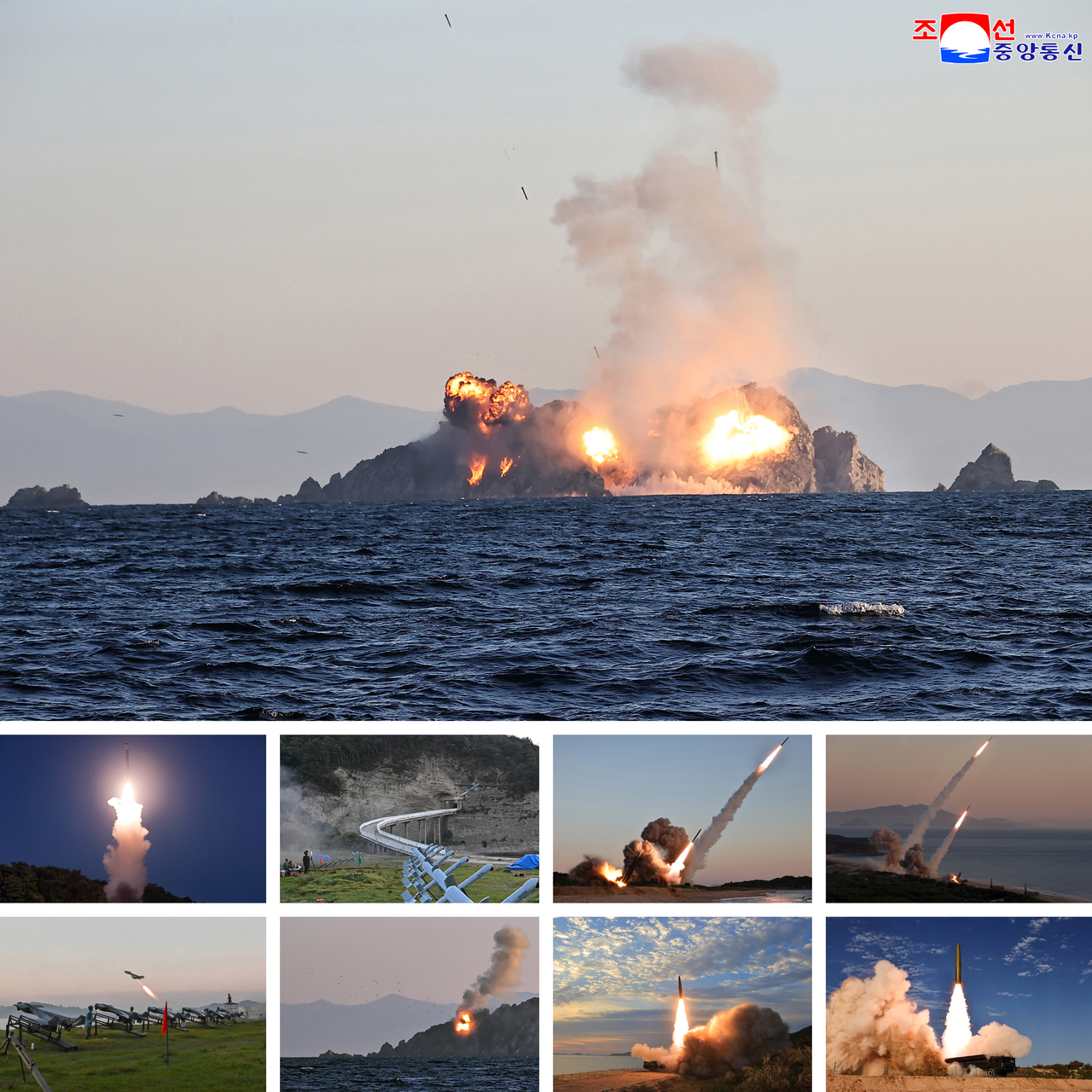
South Korea and the United States have shortened this year's Ulchi Freedom Shield joint military exercise at the direction of President Donald Trump, cutting the drill to five days and dropping the counteroffensive phase entirely.
South Korea's Joint Chiefs of Staff said Wednesday that the two sides had agreed, at the US proposal, to run this year's UFS from Monday through Friday. The Joint Chiefs added that the allies would also scale back the combined field training exercises, with specifics still under discussion.
The Combined Forces Command is conducting the CPX using two separate war command posts — CP Tango and Camp Humphreys — the Joint Chiefs said.
UFS consists of a simulation-based CPX and associated field training exercises. The CPX is divided into two phases: Phase 1, focused on defensive operations, and Phase 2, which rehearses counteroffensive operations.
With the exercise now set to conclude Friday, South Korea and the United States will complete only Phase 1 and forgo Phase 2 — the counteroffensive drills that North Korea has long found particularly objectionable. Defense remains; the counterattack is gone.
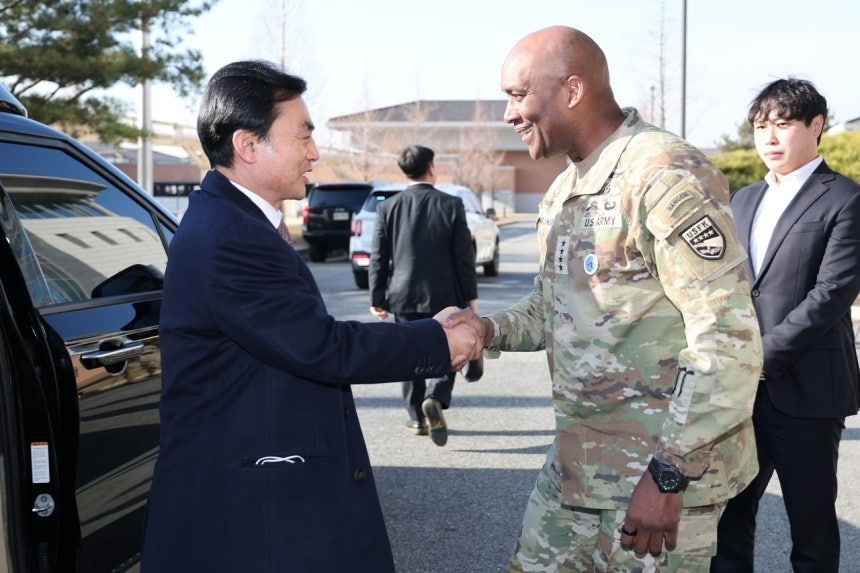
Gen. Xavier Brunson, commander of USFK and the Combined Forces Command, made an unscheduled visit Tuesday to the Defense Ministry headquarters in Yongsan, Seoul, to meet Defense Minister Ahn Gyu-back — scrapping a planned ceremony marking the 50th anniversary of the "axe murder incident." The two sides discussed follow-up measures in response to Trump's order to scale back the combined exercises.
Trump announced Sunday via Truth Social that he had directed Defense Secretary Pete Hegseth to sharply reduce the scale of the exercises, saying he had long been uncomfortable with the US commitment to joint military drills with South Korea.
In the same post, Trump highlighted his close personal relationship with North Korean leader Kim Jong-un.
Amid the developments, Ahn visited the Capital Defense Command's underground bunker — the B-1 command post — on Tuesday evening to chair a national defense strategy meeting for UFS Phase 1. The Defense Ministry did not disclose the visit to the press.
At the meeting, Ahn urged participants to "do their utmost" to complete the full operational capability verification needed for the early recovery of wartime operational control, stressing that deterring war on the Korean Peninsula and building the strength to defend the country independently were paramount.
Despite Ahn's appeal, concerns are mounting that the effective collapse of this year's UFS could disrupt the joint US-South Korea assessment tied to the OPCON transfer process.
This year's UFS had been widely seen as the exercise that would effectively wrap up the FOC verification for the Future Combined Forces Command and set the stage for confirming a target year for the OPCON transfer — known as "Year X" — at the Security Consultative Meeting scheduled for around October. The field training exercise component had already been cut to 14 sessions this year, down sharply from 22 last year, before this latest reduction.
youknow@heraldcorp.com
rimsclub@heraldcorp.com