![The exterior of the Exploratorium science museum. [Provided by Genesis]](https://wimg.heraldcorp.com/news/cms/2026/08/22/news-p.v1.20260821.2abacb22388c432d9b43032198eaa1b2_P1.jpg)
At Pier 15 on the northern Embarcadero in San Francisco stands a gray, warehouse-like building that gives little away from the outside. Inside is the Exploratorium, a world-renowned science museum dedicated to making science accessible and enjoyable for everyone through hands-on experiences.
A visit Wednesday offered a firsthand look at what sets the place apart. Founded in 1969 by physicist Frank Oppenheimer, the Exploratorium was the first museum to introduce the hands-on approach — an exhibition philosophy in which visitors touch, experiment with and discover scientific principles for themselves. Museum staff say the concept grew directly from Oppenheimer's conviction that science is not something to be watched, but something to be done.
![The interior of the Exploratorium science museum. [Provided by Genesis]](https://wimg.heraldcorp.com/news/cms/2026/08/22/news-p.v1.20260821.67b91a2be7ec4fab8a33115c87aa4a80_P1.jpg)
The building's exterior offers no hint of what lies within — without the "exploratorium" sign above the entrance, a passerby would struggle to guess its purpose. Step through the doors, however, and it becomes immediately clear why the museum is regarded as a benchmark for science institutions and education organizations worldwide, and why it is known as both a "place of experience" and a "laboratory for everyone."
Inside, the floor buzzes with visitors of all ages — from children who look to be around five or six to adults — crowding around strange and curiosity-provoking experimental apparatus and exhibits, touching and examining them up close.
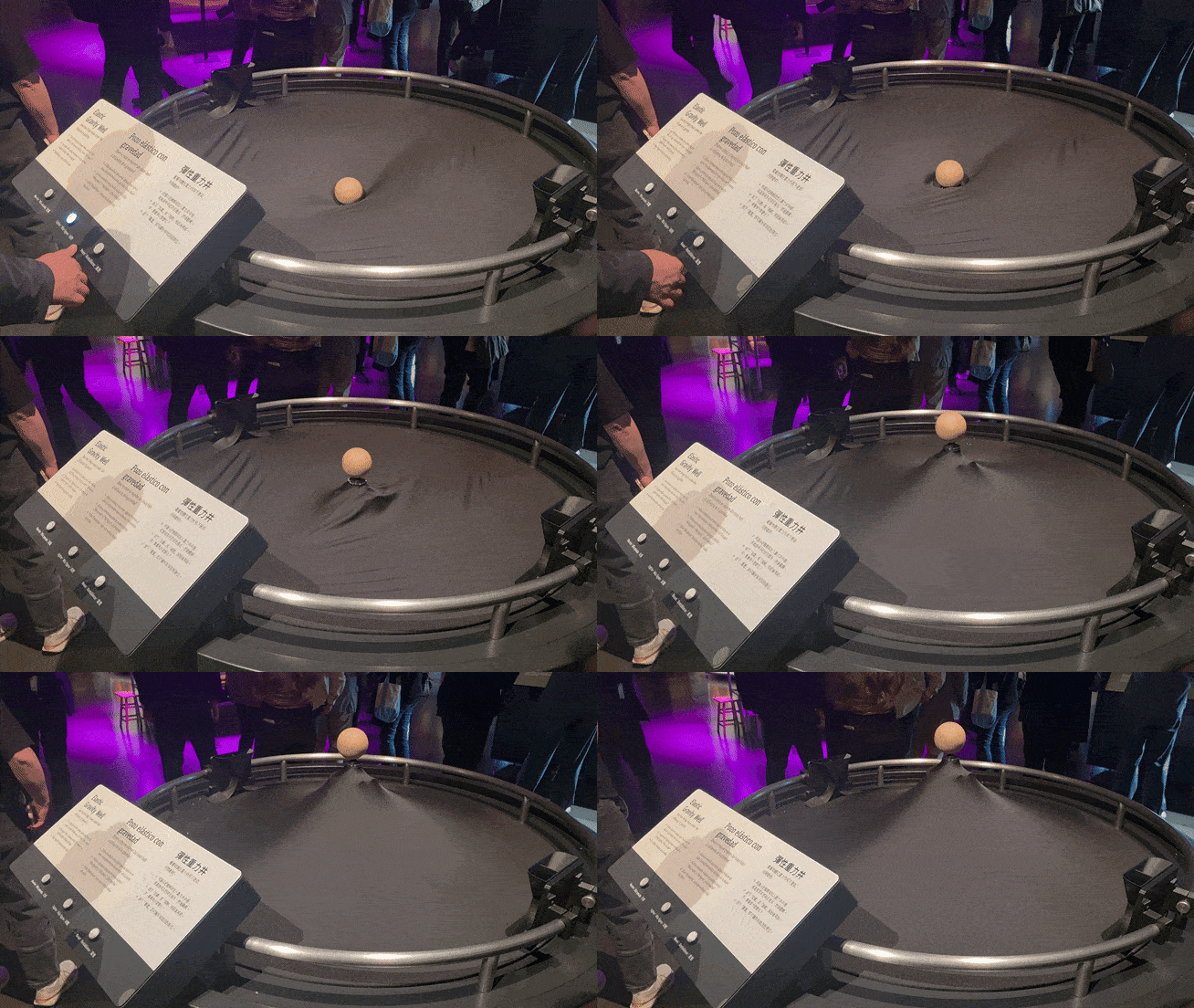
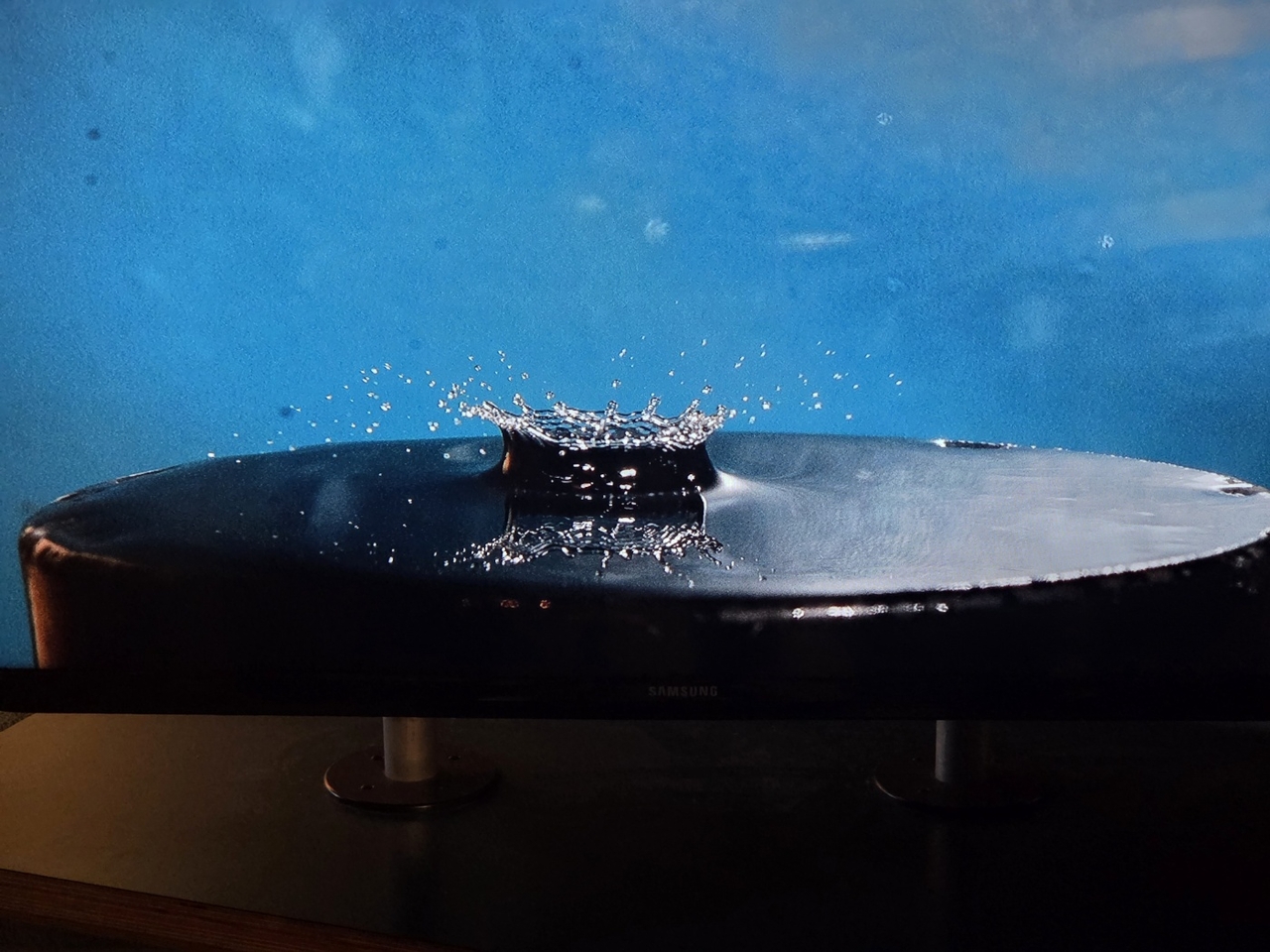
The exhibits on display are too numerous to count. Highlights include the "Gravity Well," where visitors watch firsthand how objects move under the influence of gravity; a "Water Drop Photography" station, where a high-speed camera captures the split-second moment a droplet falls; the "Pendulum Snake," which shows the shifting patterns created as balls hanging on strings of different lengths swing to their own rhythms; and the "Chaos Pendulum," which demonstrates how three pendulums influence one another's movements.
The museum has established itself as a leading space for connecting science and education, guided by a vision of a world where people think for themselves and ask questions with confidence. More than 80 percent of science museums worldwide have been influenced by the Exploratorium's hands-on exhibition model.

The Exploratorium draws nearly 1 million tourists each year and houses more than 650 exhibits spanning science, art and climate change — every one developed and produced in-house. The museum also runs a wide range of education programs for students, teachers and general visitors, cementing its role as a hub driving innovation in science education.
A dedicated gallery allows the museum to test and evaluate prototypes of new exhibits, helping visitors engage with science in ever more accessible and enjoyable ways. The ability to develop exhibits, run experiments and gauge visitor responses all within a single space is widely cited as one of the Exploratorium's defining strengths.

A similar experiential science museum is set to open in Korea within the coming years. In April, Hyundai Motor Group signed a strategic partnership with the Exploratorium to build a hands-on science museum in the country.
Hyundai Motor Group aims to open the facility in 2032 as a flagship exhibition space within the group's Global Business Complex, offering new opportunities for scientific exploration and learning to local residents, domestic and international visitors, and the next generation of future talent.
A Hyundai Motor Group official said the science museum at the GBC would be built as a participatory exhibition space where visitors explore and experiment for themselves — moving away from passive observation — in line with the group's vision of nurturing future talent through innovation in science education covering mobility, robots and AI.
The official added that experts from diverse fields, including scientists, educators and artists, would take part in planning exhibitions and conducting research, and that education programs linking schools and local communities would also be developed and operated, giving the museum a role as a "science community platform."
![From left: Ji Seong-won, executive vice president of HMG Brand Experience at Hyundai Motor Group; Jang Jae-hoon, vice chairman; Euisun Chung, chairman; William F. (Bill) Mellin, board chair of the Exploratorium; Lindsey Bierman, executive director; and Ann Richardson, chief experience officer, pose for a photo in April. [Provided by Hyundai Motor Group]](https://wimg.heraldcorp.com/news/cms/2026/08/22/news-p.v1.20260821.0b1add838e5d4c45b8d7146b54421a06_P1.jpeg)
Ahead of building the experiential science museum, Hyundai Motor Group plans to host a pop-up exhibition titled "Have Fun with Science" at Hyundai Motorstudio Seoul from October through November, featuring hands-on exhibits that visitors can build themselves by applying basic scientific principles — an effort to gather real visitor experiences and feedback.
The exhibition will consist of hands-on displays inviting visitors to apply basic scientific principles and express their creativity by making things themselves. A variety of events and special programs for adults will run during the exhibition period, and admission will be free and open to all.
likehyo85@heraldcorp.com