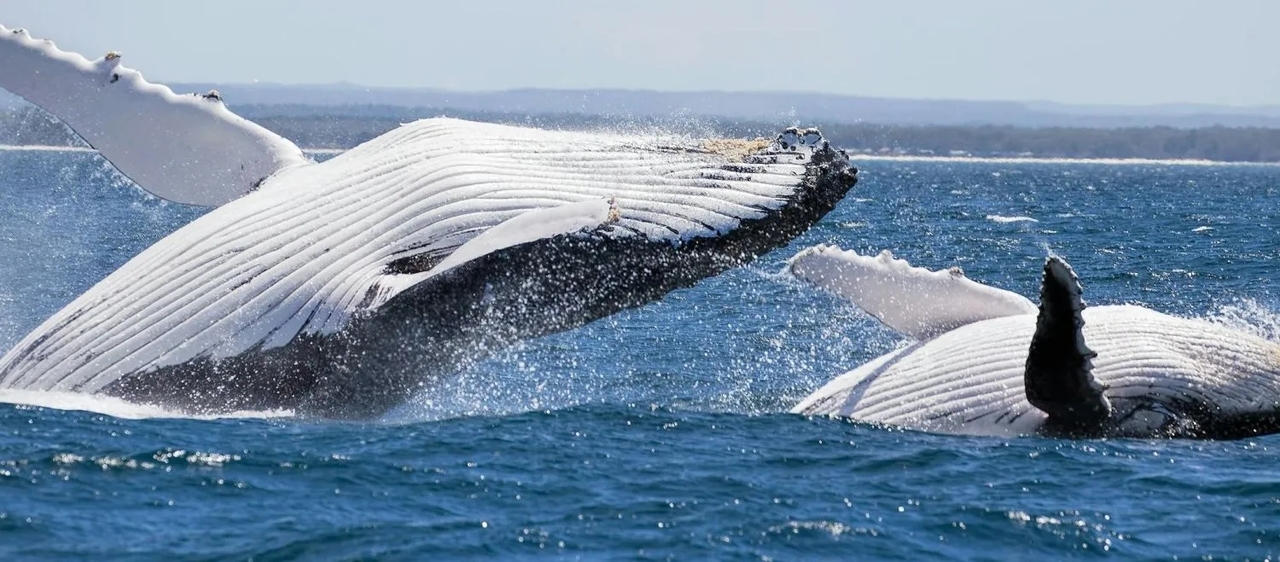
The Australian continent is just shaking off a cool winter as late August arrives in the Southern Hemisphere. In the Northern Hemisphere, people are escaping the summer heat and slowly returning to outdoor activities.
In Australia, winter and spring belong to whales and wildflowers. Whales have been on the move since May, drawing the attention of domestic and international tourists through late spring in November, while spring blossoms peak in October and paint the country's September-to-November spring season in color.
New South Wales is one of the world's premier whale-watching destinations.
This year, roughly 50,000 humpback whales are migrating along the New South Wales coastline in what is shaping up to be the largest whale procession on record.
The round-trip north-south ocean journey spans nearly 10,000 kilometers, making it the longest migration undertaken by any mammal.
The migration route along the New South Wales coast is known as the "Humpback Highway."
Throughout New South Wales, visitors can watch whales from coastal lookouts and walking trails, or get closer at sea aboard whale-watching cruises.
From shore, the thrill lies in scanning the open Pacific for spouts rising above the horizon and catching the whales' movements against the wide seascape. On a cruise, expert commentary accompanies close-up views of whales breaching, swimming and surfacing alongside the vessel.
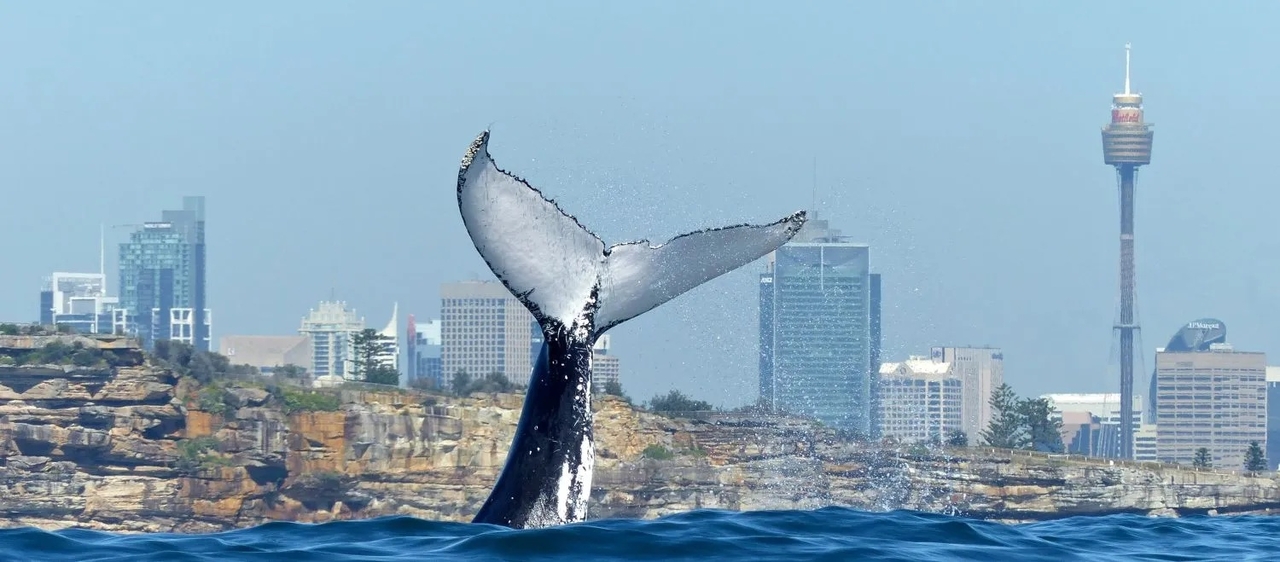
Alongside humpbacks, southern right whales are another signature species in the region. Listed as endangered and protected by law, a southern right whale sighting is considered a rare and special encounter. With luck, visitors may also spot minke whales, blue whales, sperm whales and orcas, as well as dolphins, seals and sea turtles. The Bangudae Petroglyphs — a national treasure — depict North Pacific right whales that once inhabited the waters off Ulsan, lending a particular resonance to any encounter with their southern cousins.
Cape Solander, on the Kurnell Peninsula south of Botany Bay near Cronulla in southern Sydney, is the city's most celebrated coastal whale-watching spot. Set within Kamay Botany Bay National Park, it pairs naturally with a coastal drive or walk during a Sydney stay. A dedicated observation platform and an interpretive facility introducing the whales of Sydney's waters are on site, and whales sometimes approach to within about 200 meters of the shore, making for relatively close viewing.
North Head, near Manly, commands sweeping views of the Pacific Ocean, Sydney Harbour and the city skyline. It is easily reached by ferry from Circular Quay to Manly, making it a convenient addition to a tour of Sydney's main attractions.
Fairfax Walk, which begins at North Head, is a short, gently graded paved trail linking three lookouts. Burragula Lookout to the south frames Sydney Harbour and the city skyline, while Yiningma Lookout to the north offers coastal cliff scenery and open Pacific views ideal for spotting migrating whales. Late morning to early afternoon — when surface glare is relatively low — is considered the best time to watch, and binoculars are recommended for clearer sightings.
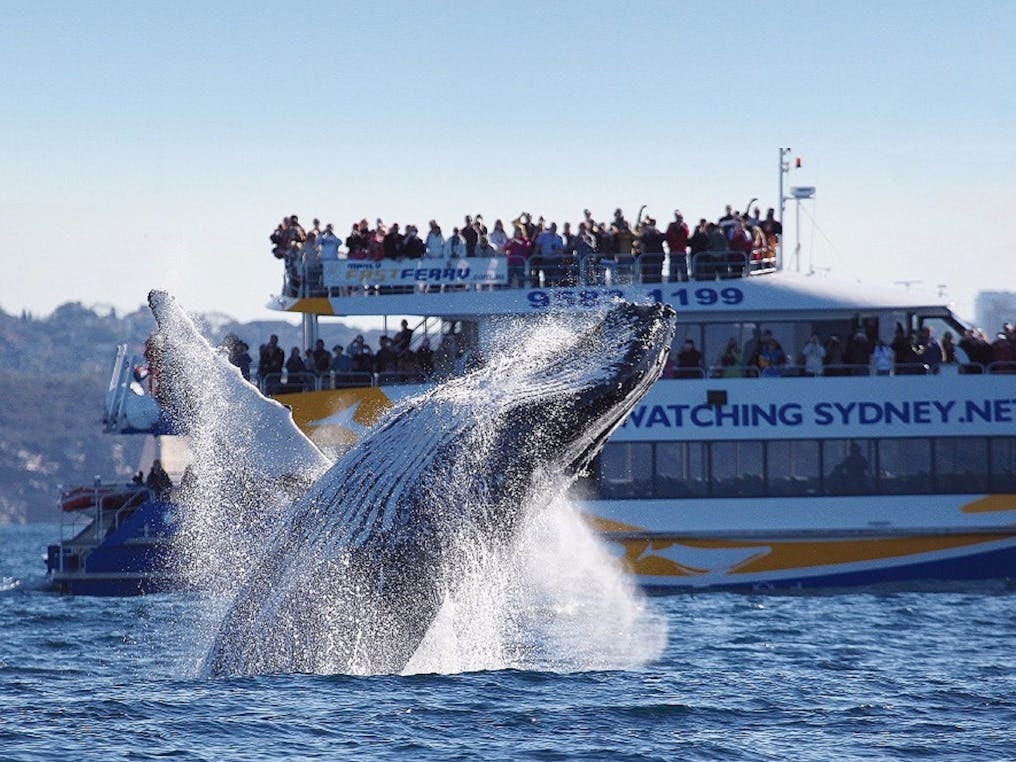
Whale Watching Sydney, a dedicated cruise operation, departs daily from Darling Harbour and Circular Quay from mid-May through late November each year. The route passes through Sydney Harbour and out into the Pacific, offering views of the Opera House, Harbour Bridge and other Sydney landmarks along the way.
Passengers can watch humpbacks breach powerfully out of the water, lift their tails high just before diving, and slap the surface with their long pectoral fins — all at close range. Vessels purpose-built for whale observation are crewed by staff with more than 30 years of experience. The sighting success rate stands at 99 percent, and a free re-boarding policy applies to anyone who does not spot a whale.
A range of other whale-watching cruise operators also depart from Circular Quay, Darling Harbour and Manly — among them FantaSea Cruising, Oz Whale Watching, Sydney Princess Cruises, Go Whale Watching Sydney and Manly Ocean Adventures. FantaSea Cruising additionally operates from Palm Beach.
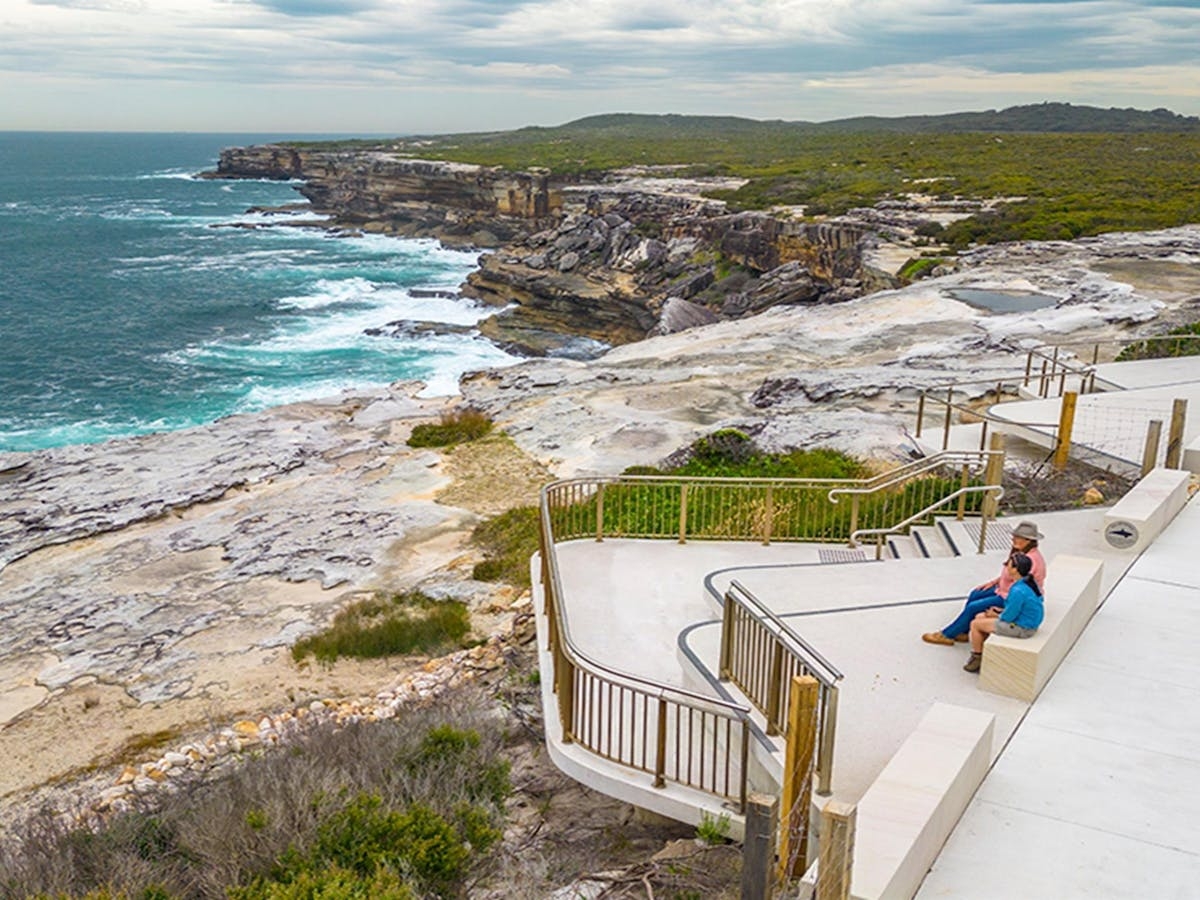
Jervis Bay, about a three-hour drive south of Sydney, is a flagship South Coast destination known for its fine white sand, clear blue water and rich marine ecosystem. Positioned midway along the whales' long migration route, Jervis Bay is also known as a resting stop for mother whales and their calves on the southward return journey.
Point Perpendicular Lighthouse and Lookout, at the tip of Beecroft Peninsula, is one of the area's premier whale-watching vantage points.
Perched atop cliffs roughly 90 meters above sea level, the lookout offers unobstructed views of Jervis Bay and the Pacific, making it an excellent spot to pick out whales moving along the coast. On the southward leg of the migration, mother whales and newborn calves sometimes slip into the calm waters of the bay to shelter from rough seas, and lucky visitors may catch them swimming side by side.
Bull Hole Lookout and the Hammerhead Point Picnic Area offer additional spots to watch whales while enjoying a walk or a picnic. The area is also home to bottlenose dolphins, seals, penguins and a variety of seabirds, providing ample opportunities to encounter diverse marine life.

Departing from Huskisson, Dolphin Watch Cruises — Jervis Bay Whale Cruise and Jervis Bay Wild bring passengers up close to the massive bulk of swimming humpbacks and the sight of their tails breaking the surface.
During the northward migration, the cruises head out along the steep outer cliffs of the Jervis Bay Peninsula in search of passing whales. On the southward return, there is a good chance of encountering a mother and calf swimming quietly side by side in calmer waters.
Port Stephens, about a two-and-a-half-hour drive north of Sydney, is one of New South Wales' leading marine travel destinations, offering the chance to see both whales and dolphins. A large resident population of bottlenose dolphins inhabits the bay, making dolphin sightings possible year-round.
Tomaree Head Summit Walk in Tomaree National Park is one of the best land-based whale-watching spots in the area.
The trail runs 2.2 kilometers return from the Port Stephens entrance to the summit of Tomaree Head — a short but steep climb. At the top, two lookouts face north and south respectively. The northern lookout takes in Yacaaba Head, Cabbage Tree Island, Boondelbah Island and Broughton Island in a single panorama.
From the southern lookout, visitors can scan the open sea for migrating whales against a coastal backdrop that includes Zenith Beach, Wreck Beach, Box Beach, Fingal Island and Point Stephens Lighthouse.

Moonshadow-TQC Cruises and Aquamarine Adventures, both departing from Nelson Bay in Port Stephens, give passengers a visceral sense of the humpback's scale — up to about 18 meters in length and 40 tonnes in weight. Expert commentary on whale movement and behavior accompanies the tours, along with views of Port Stephens' scenic coastline and surrounding islands. Dolphins, seals, penguins, sea turtles and seabirds may also appear.
Spotting a whale in New South Wales is not particularly difficult. With roughly 50,000 humpbacks from Antarctica now moving along the coastline, the state has become a singular travel destination where world-class urban scenery and a wild mass migration unfold in the same view. The sight of a spout rising above the horizon and a massive whale launching itself out of the sea will leave a lasting impression on any visit to New South Wales.
abc@heraldcorp.com