China sales target raised from 130,000 to 500,000 units
Ioniq V, local EVs to anchor China lineup
B- and C-segment SUV EVs and EREVs set for 2027
CATL, Momenta partnerships to drive tech edge
China-made vehicles to feed emerging-market exports
Munoz: 'We can compete with anyone in China'
Hyundai Motor is pushing deeper into China rather than retreating from it, betting that a locally tailored offensive can reverse years of declining sales in the world's largest electric vehicle market. The automaker plans to develop and produce China-exclusive EVs on the ground, expand partnerships with local technology firms including CATL and Momenta, and use its Chinese factories as an export hub for Latin America, the Middle East and Southeast Asia — with a target of selling more than 500,000 vehicles in China by 2030.
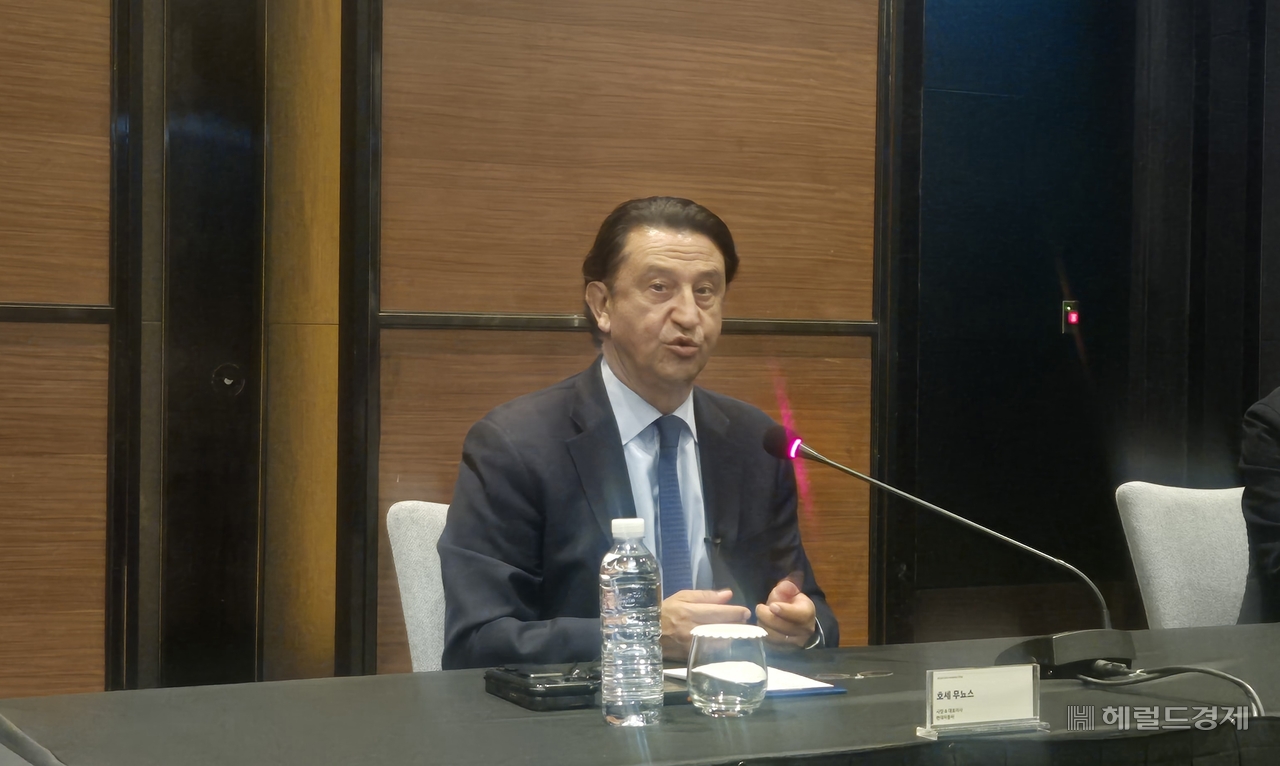
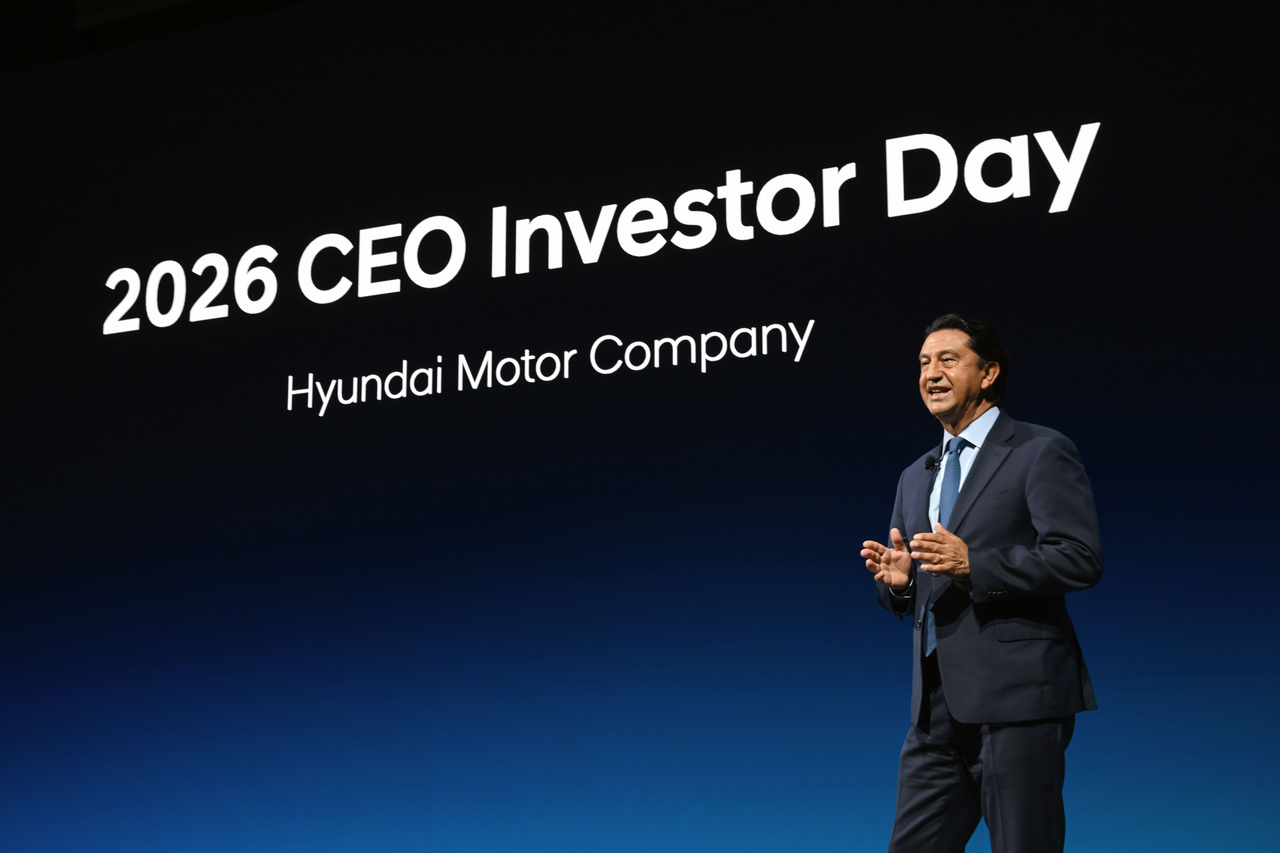
Jose Munoz, president and CEO of Hyundai Motor, laid out the strategy at the 2026 CEO Investor Day held at Conrad Seoul hotel in Yeongdeungpo-gu, Seoul, on Wednesday. "China is the largest and most competitive automotive market in the world," he said. "After a period of declining sales and profitability, we have developed a new plan and are putting it into action." He added that profitability had now stabilized and that the company was on track to recover to more than 500,000 units in annual sales by 2030.

The centerpiece of Hyundai Motor's China strategy is localization — not simply importing globally developed vehicles and technology, but designing and building cars in China specifically for Chinese consumers while drawing on local battery, autonomous driving and software expertise.
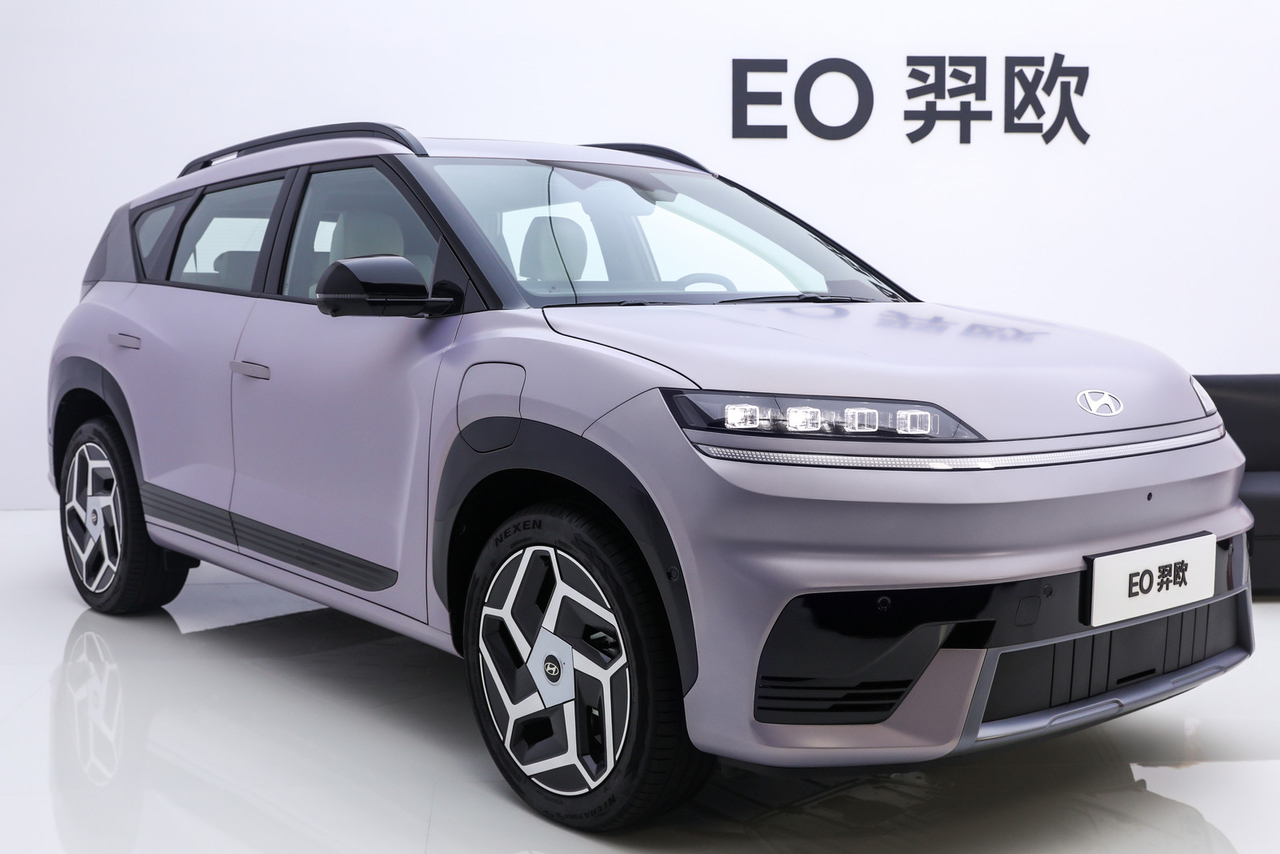
Leading the charge is the Ioniq V, a China-exclusive electric vehicle developed and manufactured locally. The model offers a range of more than 600 kilometers, a 27-inch panoramic display, an AI assistant and driver-assistance features calibrated for Chinese road conditions.
"This is a vehicle developed in China and produced in China," Munoz said. "Working with the best Chinese technology partners is one pillar of our China business strategy." He added: "It is in China, for China."
Hyundai Motor plans to expand the lineup quickly. Following the Ioniq V, the company will add a B-segment SUV and a C-segment SUV in China in 2027. The new models, including the C-segment SUV, will be offered in both pure battery-electric and extended-range electric vehicle variants.
A second phase will stretch the lineup further into the premium segment. The company plans to add high-end electrified models — both EVs and EREVs — and to integrate driving, infotainment and vehicle-control functions through a full-stack software platform.
Hyundai Motor's approach pairs competition with collaboration. The automaker intends to leverage the technology and supply chains of local partners — including joint-venture partner Beijing Automotive Industry Corporation, as well as CATL and Momenta — to sharpen its price and product competitiveness.
"We will take smart and pragmatic actions, including using local supply chains and partners," Munoz said. "We have announced a collaboration with Momenta and a partnership with CATL, and there are many more collaborations to come." He added that China had proven it could produce excellent technology, signaling his intent to make full use of it.
To widen its domestic sales reach, Hyundai Motor plans to expand its Chinese dealer network to 484 outlets by 2030, concentrating new, lower-capital-intensity sales points in tier-one and tier-two cities where purchasing power is highest.
The 500,000-unit target also rests on an export strategy. Rather than relying solely on domestic Chinese sales to hit the number, the company plans to ship China-built vehicles to emerging markets using its existing local production capacity. The goal is a split of 300,000 units for the Chinese domestic market and 200,000 units for export by 2030.
Munoz described China as "a very good export hub," saying that combining existing production capacity with its role as an export base made the plan "realistic and executable." He identified Latin America, the Middle East and Southeast Asia as the primary target markets for China-built vehicles.
A relatively modest additional capital outlay is another factor underpinning the China push. Because Hyundai Motor already has production facilities in the country, it can scale up operations without the heavy capital expenditure that building new factories in North America or India would require.
"Because we already have production capacity, the additional capex will not be as large as in other regions," Munoz said. "We believe sales of around 500,000 units are achievable and that we can move beyond the break-even point."
The competitive edge built in China is also intended as a weapon for confronting Chinese automakers in other markets. With BYD, Geely and other Chinese brands rapidly expanding into Latin America, the Middle East and Southeast Asia, Hyundai Motor aims to sharpen its price and technology competitiveness in China first, then carry those gains into emerging markets.
"Securing competitiveness in the Chinese market is one of the most important elements of our strategy," Munoz said. "If we execute our plans in China well and bring in the right partnerships and technology, I believe we can grow in other markets too — Latin America, the Middle East and beyond."
He expressed confidence in Hyundai Motor's ability to hold its own against any rival. "Hyundai Motor has global production scale, an engineering network and group-level support capabilities," he said. "On that foundation, we can compete with any competitor in the Chinese market."
kwater@heraldcorp.com