17th AmCham Healthcare Innovation Seminar held in Seoul
BMS, Eli Lilly, Moderna, Pfizer among official partners
Drug pricing reform implementation among top priorities
Speakers call for measurable policy goals on innovative medicines
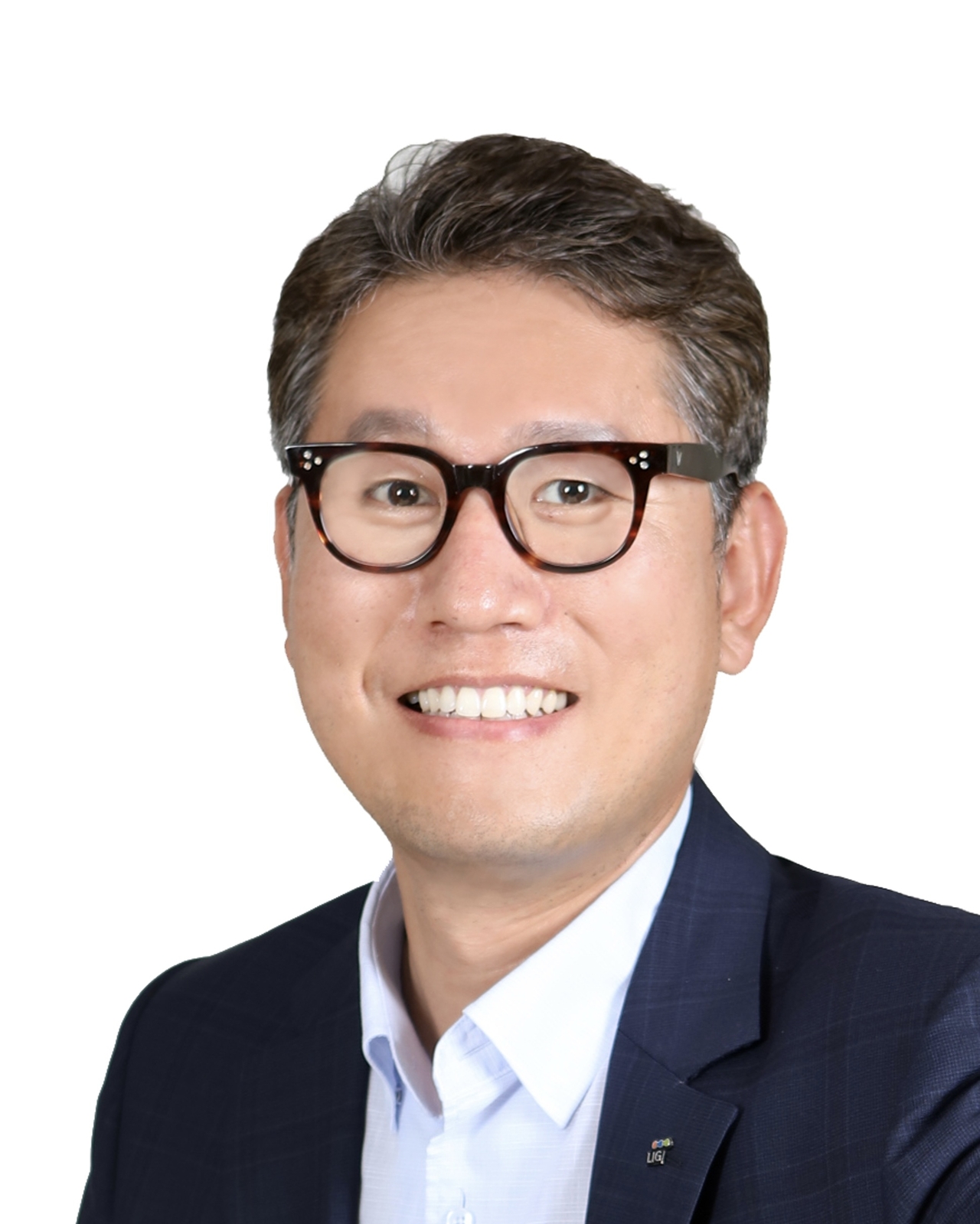
![James Kim, chairman and CEO of the American Chamber of Commerce in Korea. [Yonhap]](https://wimg.heraldcorp.com/news/cms/2026/09/03/rcv.YNA.20260421.PYH2026042102360001300_P1.jpg)
James Kim, chairman and CEO of the American Chamber of Commerce in Korea, said healthcare is "an important area where Korea-US cooperation can be further advanced," adding that he hopes the two countries will create new opportunities together by combining American innovation capabilities and global experience with Korea's talented workforce, infrastructure and technology.
AmCham held the 2026 AmCham Healthcare Innovation Seminar — its 17th edition — Thursday at the Shilla Hotel in Jung-gu, Seoul, under the theme "From Reform to Implementation: Building a Predictable Healthcare Innovation Ecosystem."
About 150 government officials, industry leaders and healthcare experts from both countries attended to discuss the future direction of healthcare innovation and policy in Korea. BMS, Eli Lilly, EverSight, Guardant Health, Johnson & Johnson, Moderna, MSD and Pfizer participated as official partners.
The seminar focused on tangible outcomes in expanding patient access, promoting innovation and stimulating investment.
Participants said that for Korea to establish itself as a key hub for global healthcare innovation and investment, predictable and consistent policy implementation, systems aligned with global standards, and an innovation-friendly regulatory environment are essential.
Three core priorities were addressed: the successful implementation of the Ministry of Health and Welfare's drug pricing reform announced late last year, strengthening Korea's vaccine ecosystem, and building the policy foundation to advance AI-based healthcare and precision medicine.
Each session presented proposals for institutional improvements and public-private cooperation to support the rapid adoption of advanced medical technologies in clinical settings and to bolster the long-term competitiveness of Korea's healthcare industry.
"Drug pricing, vaccines and AI are the key areas that will shape the future direction of healthcare in Korea," Kim said. "If the government and industry continue to communicate and work together to find the right balance among patient access, innovation and sustainability, Korea's global competitiveness can rise to an even higher level."
The first session featured a keynote address by Cho Won-jun, policy director of the Democratic Party of Korea's Policy Committee, on the direction of national health insurance coverage reform and the policy agenda following the drug pricing overhaul.
Seiya Komatsu, CEO of Eli Lilly Korea, then presented the industry's views on implementing the drug pricing reform and building a sustainable innovation ecosystem.
Lee Hye-young, CEO of Bristol Myers Squibb Korea, said during a panel discussion that "for this drug pricing reform to translate into real results, we need to set measurable policy goals for innovative medicines, quickly connect the newly introduced reform measures to actual application cases, and then expand them to areas where they are needed."
In the second session, Song Chan-woo, vice president of Pfizer Korea's primary care division, said "policy discussions grounded in scientific evidence and prevention strategies spanning the entire life cycle are important to address demographic shifts such as the low birth rate and aging population," adding that the company would work with the government and academia to build a sustainable vaccination ecosystem so that all citizens can benefit from the value of prevention in a timely manner.
Hong Ki-jong, a professor of oncology at Gachon University College of Medicine, said Korea must organically link global cooperation with domestic research and development capabilities to continue advancing the mRNA technology and related ecosystem proven during COVID-19, and establish a policy foundation to connect that progress to strengthened preparedness against emerging infectious diseases and the development of new vaccines and treatments.
In the final session, Divya Mehta, vice president for AMEA at Guardant Health, outlined policy directions for bringing precision medicine innovation into real-world clinical practice.
In the closing panel discussion, Michael Titus, chief operating officer of EverSight, said, "I believe this is an important opportunity for Korea to establish itself as a country that leads healthcare innovation and expanded access not just in Asia but around the world. EverSight will also work closely with all stakeholders as a strategic partner."
joze@heraldcorp.com