'Field voices must shape policy,' council head says, calling for public-private cooperation to close welfare gaps
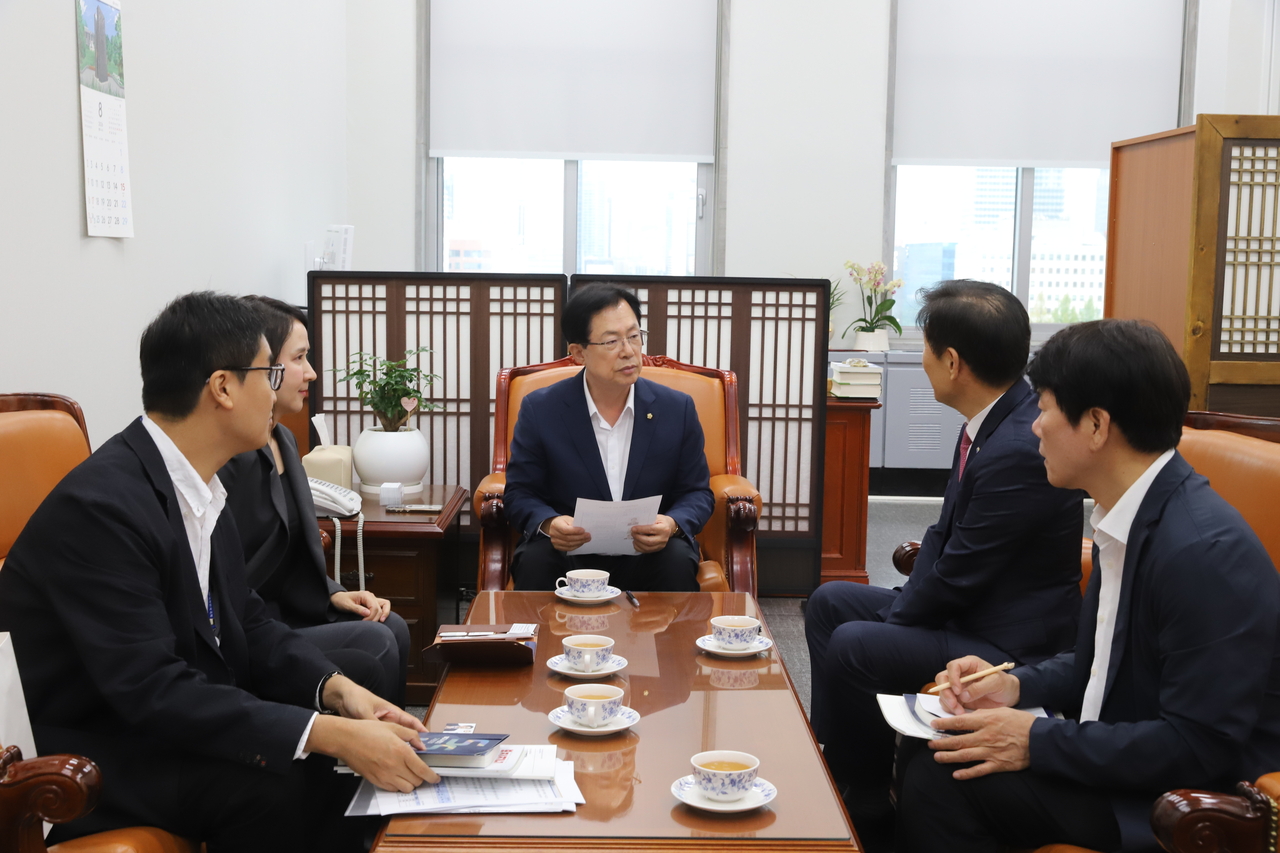
The National Assembly and the social welfare sector have reached a shared understanding that experience accumulated in service delivery must be actively reflected in policy design to keep pace with rapidly changing welfare needs.
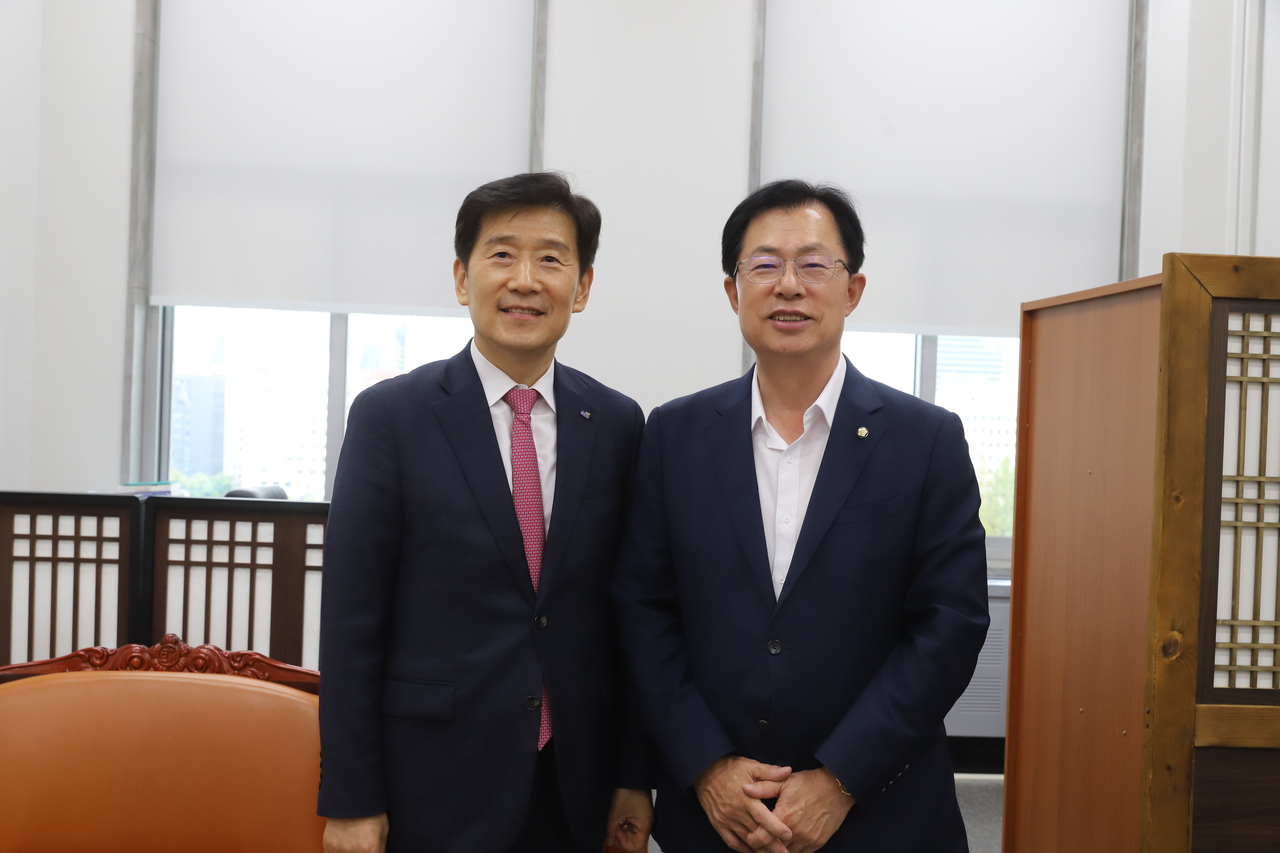
Korea Social Welfare Council Chairman Kim Hyun-hoon visited the National Assembly on Tuesday to meet with Health and Welfare Committee Chairman Lee Man-hee, conveying key challenges facing the social welfare sector and the concerns of private welfare organizations. The visit was aimed at ensuring that the voices of institutions and workers who implement policy are sufficiently incorporated into the legislative process as welfare needs grow increasingly complex.
Kim said the Health and Welfare Committee plays a critical role given the nature of health and welfare policy, which touches the daily lives of citizens. He called for policy design that moves beyond a uniform, centrally driven approach and instead reflects the distinct characteristics and needs of each region, noting that demands vary by population group and welfare conditions differ across localities.
Kim also conveyed the role of the private sector through the council's major programs — identifying and supporting welfare-marginalized populations, operating food donation programs, coordinating social welfare volunteering, and promoting private-sector social contributions — all of which supplement areas difficult for the public sector to reach and help broaden the welfare foundation of local communities.
The need to build structures that effectively connect the resources and expertise held by businesses and civil society with welfare services was also raised as a priority. Kim said a foundation must be established that combines public institutional support with private resources and participation to respond more flexibly to welfare demand.
Kim also requested that a policy forum be organized with the participation of provincial and metropolitan social welfare councils and professional welfare organizations across the country, where regional difficulties and reform priorities could be shared broadly. He said a sustained channel of communication is needed — one that goes beyond the concerns of individual institutions or localities and channels the collective voice of the entire welfare sector into legislation and systemic reform.
'New Welfare 5.0' initiative seeks to reshape welfare ecosystem
The council's "New Welfare 5.0 Cultural Movement," a long-term initiative for the development of the social welfare sector, was also a major topic of discussion.
The movement is built around five directions: trust-based welfare, innovative management, community-centered welfare, smart welfare, and the globalization of a Korean welfare model. The initiative envisions expanding the scope of social welfare beyond improving service quality to encompass organizational innovation, stronger local foundations, the use of digital technology, and the spread of a Korean-style welfare model abroad.
Kim outlined plans to raise the professional capacity of social welfare institutions and workers while building a foundation for communities to take a more active role in addressing welfare challenges. He added that the private welfare sector must also develop its own capacity for change in response to rapidly shifting demographic structures and social conditions.
Health and Welfare Committee Chairman Lee listened to the council's account of its major programs and current issues, and agreed on the need for continued dialogue between the National Assembly and the welfare sector. He said he would actively review the proposal to hold a policy forum to hear diverse opinions from across the country.
The meeting has drawn attention to whether the welfare sector's calls for systemic reform and regional welfare needs can be shared more closely with the National Assembly going forward. How to effectively combine private expertise and resources with a public-centered delivery system is emerging as a key challenge in building a sustainable welfare framework.
"For South Korea's social welfare to advance to the next level, the experiences and voices from the field must be closely connected to policy," Kim said. "We will actively communicate with policy venues including the National Assembly's Health and Welfare Committee, and work to create a platform where social welfare organizations across the country can discuss key challenges together."
7toy7@heraldcorp.com