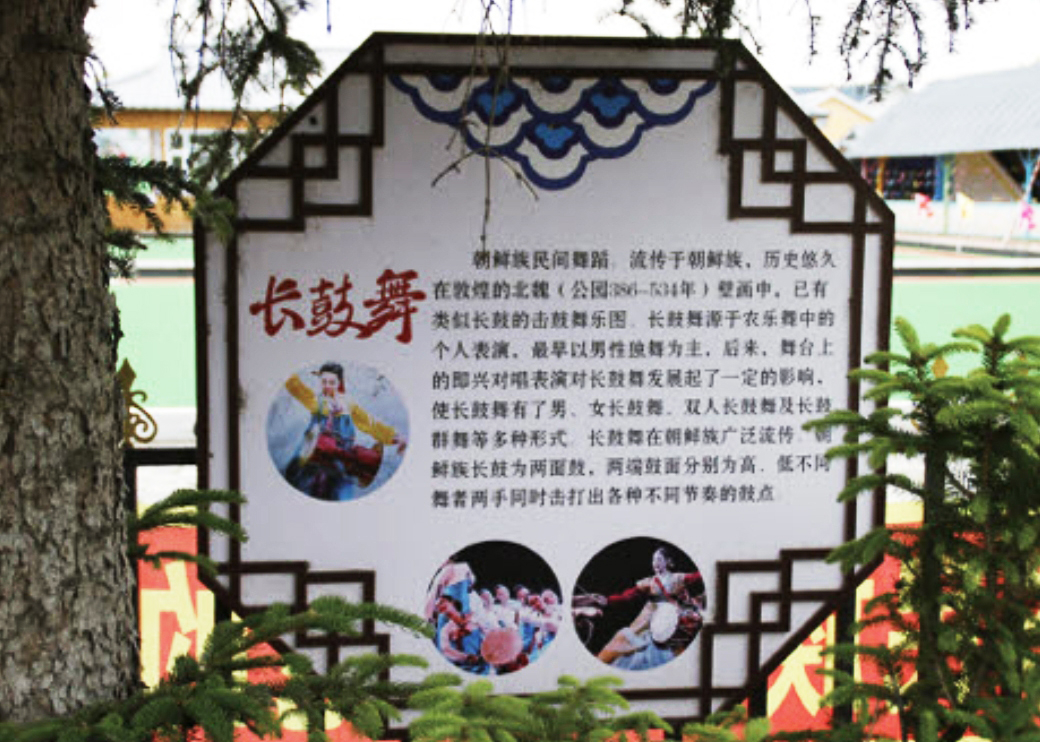
Prime Minister Han Seong-sook calls for clustered placement around innovation cities
Move aims to maximize regional hub strength; relocation support to be enhanced
Wonju Mayor Ku Ja-yeol says city is already prepared
Health, science, resources and culture sectors among expected arrivals
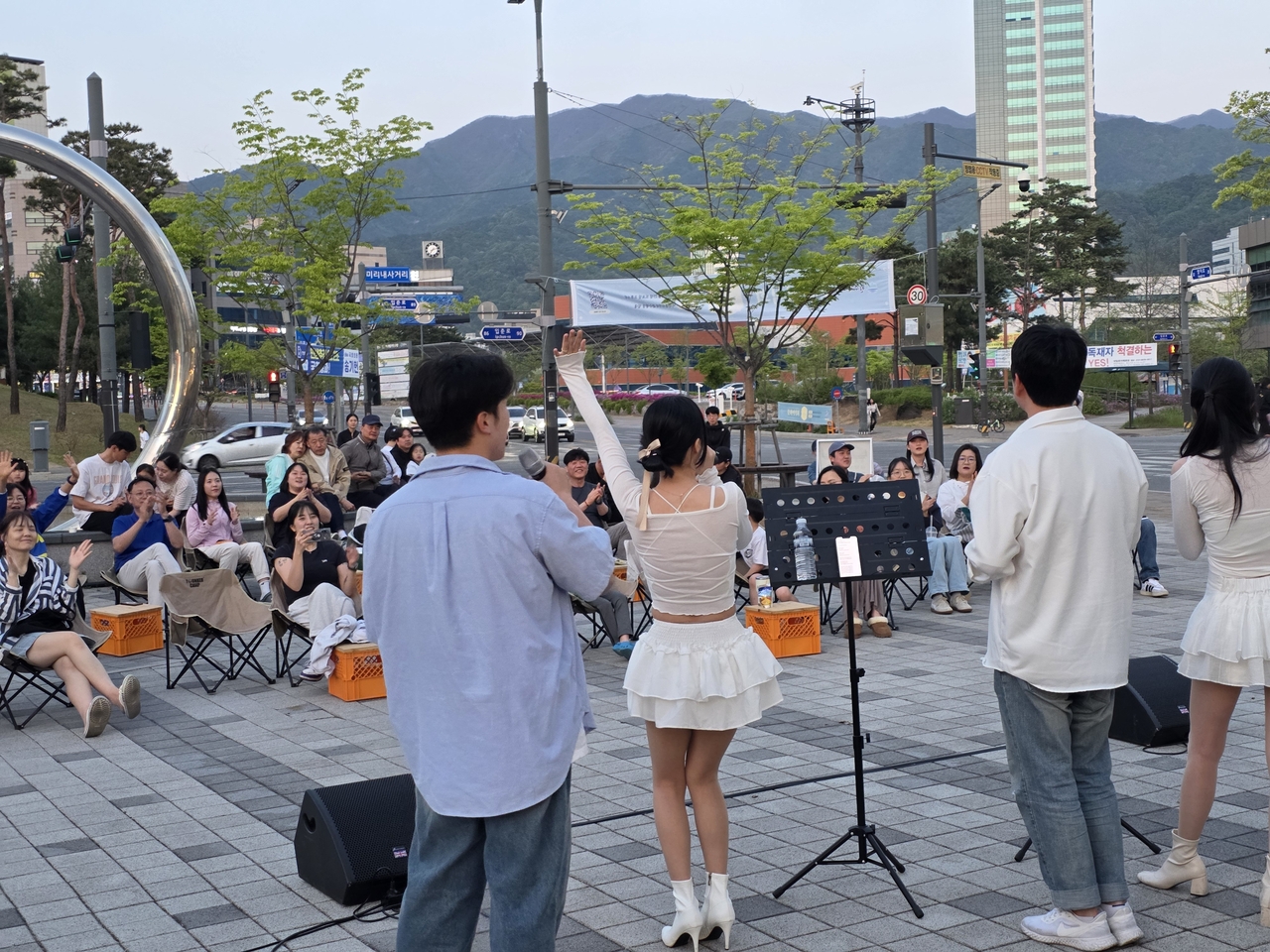
Wonju Innovation City in Gangwon Province has been all but confirmed as the destination for the government's second round of public institution relocations out of the greater Seoul area.
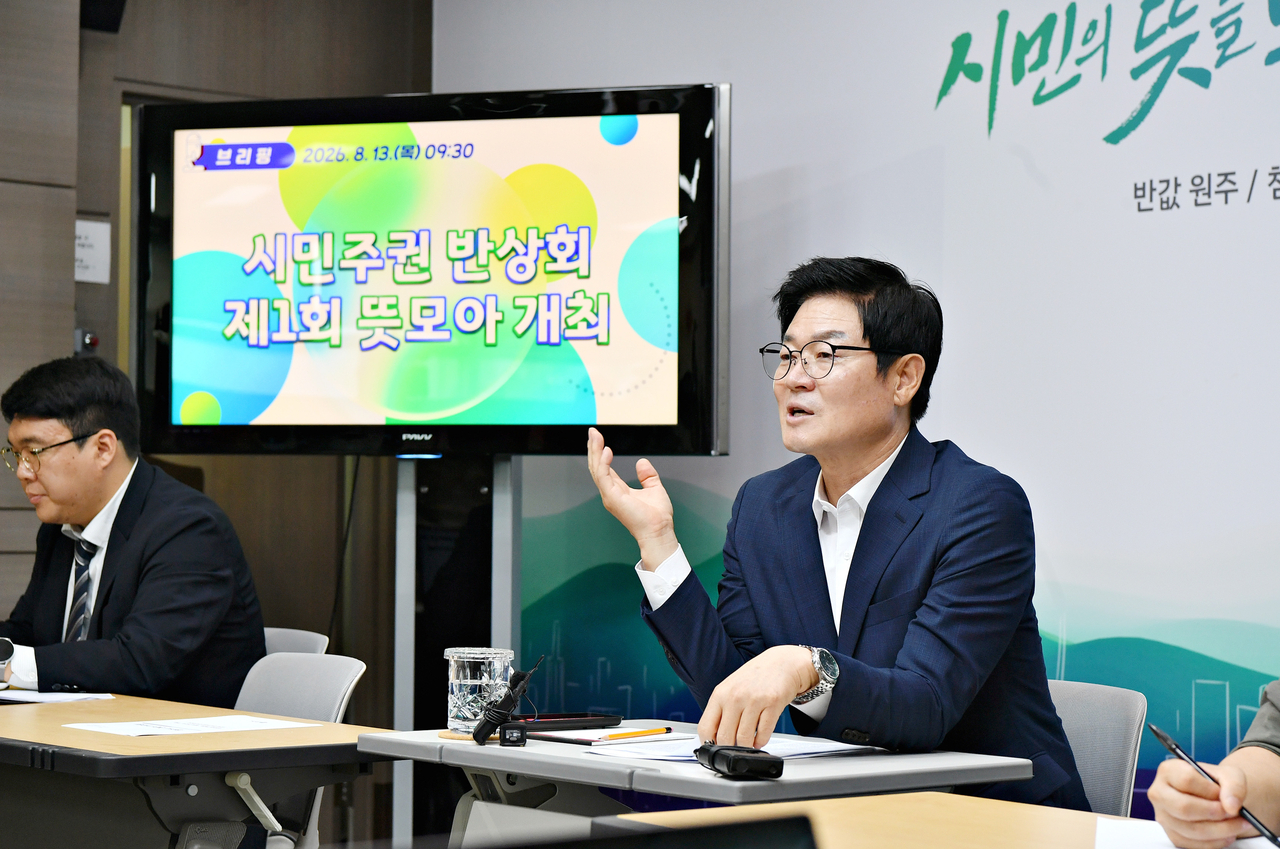
Prime Minister Han Seong-sook said Thursday at a press conference at Government Complex Seoul that the government would "gather the energy of regional growth like a bonfire and cluster institutions around innovation cities to maximize the strength of regional hubs." The conference announced plans for relocating administrative and public institutions and reforming their functions.
Han added that the government would "provide generous financial support for relocation and housing so that employees of relocated institutions face no inconvenience, and dramatically improve living conditions including education and healthcare."
Han said the government would announce relocation plans in the fourth quarter of this year for more than 350 public institutions in the greater Seoul area under a principle of minimizing the number of institutions remaining in the capital region, with relocations set to begin in 2027.
On that principle, Land, Infrastructure and Transport Minister Kim Yun-deok said the government would "comprehensively review the criteria used to allow institutions to remain during the first round of relocations," adding that institutions not deemed absolutely necessary to stay would in principle be included as relocation targets.
Kim said the government would "begin relocations immediately next year by using leased private buildings rather than waiting for new government offices to be built, as was done during the first round."
Wonju, which already hosts 12 public institutions, has been developing strategies to attract more since 2019. The city launched a research project on attraction strategies that year, formed a dedicated task force in 2023, and last year refined its approach by re-analyzing which public institutions could be linked to local industries.
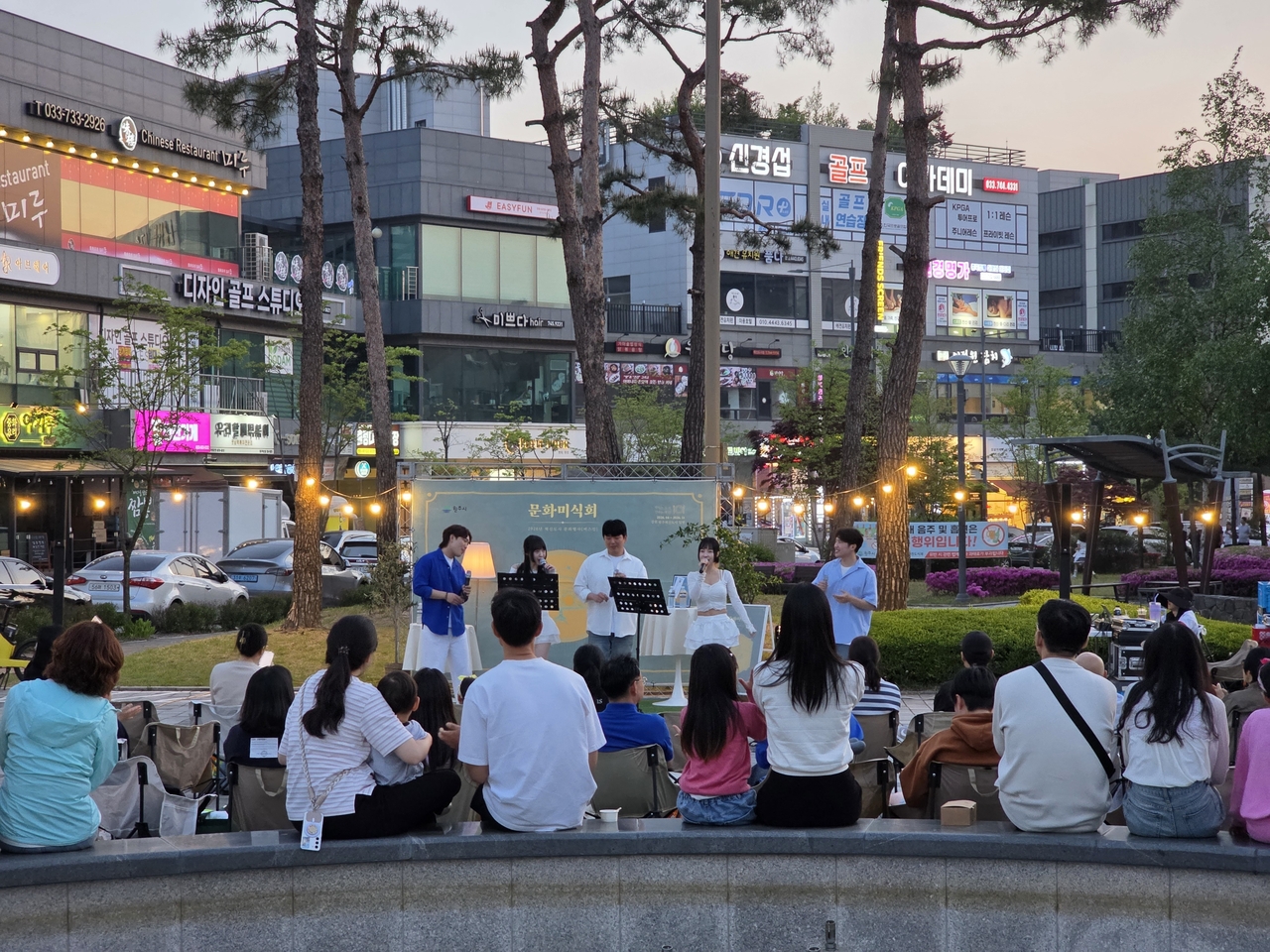
The city has identified 37 priority institutions to attract, focusing on health and life sciences, research and technology, resources and industry, and tourism, culture and sports. Including 28 additional institutions of interest, the total pool of targets stands at 65.
Wonju has held more than 35 meetings with public institutions in the greater Seoul area to explain the advantages of Wonju Innovation City and outline tailored support measures. The city continued its outreach in July, visiting two public institutions in the healthcare sector.
According to the city, it has surveyed vacant space within the innovation city since 2023 and, as of August, identified more than 110,000 square meters of usable space across more than 50 buildings — enough to accommodate newly arriving institutions quickly once relocations are confirmed.
The city has also enacted an ordinance on attracting and supporting public institutions, which provides for housing loan interest subsidies, relocation settlement bonuses and school enrollment scholarships for employees' children.
Mayor Ku Ja-yeol had said at a press briefing on Aug. 26 that the government should "make clear its principle of prioritizing existing innovation cities to prevent unnecessary competition between regions and waste of administrative resources." That principle was reaffirmed at Thursday's prime minister-led meeting.
"Wonju Innovation City, which already hosts many public institutions, has completed its preparations for the second round of relocations," Ku said. "We will use the second round to complete the Gangwon-Wonju Innovation City and ensure its benefits spread across all of Gangwon Province."
Meanwhile, Han said central government agencies based in the greater Seoul area would be relocated to Sejong starting in the first half of 2027, with priority given to those with the largest footprint and greatest impact.
Han said a presidential office in Sejong would be completed in August 2029, placing the center of government administration there, and that work on completing the National Assembly's Sejong building by 2033 would proceed without delay — steps toward making the administrative capital a true hub of national governance.
Interior and Safety Minister Yun Ho-jung said relocations would proceed in stages from the first half of 2027, with agencies of significant size or impact — such as the Ministry of Justice and the Ministry of Gender Equality — moved first. Agencies requiring dedicated facilities, including prosecutors and the Korean National Police Agency, would be relocated after their new buildings are constructed, he said.
abc@heraldcorp.com