
Kim Seung-won's confirmation hearing preparation team releases Seoul Western District Prosecutors Office non-indictment decision
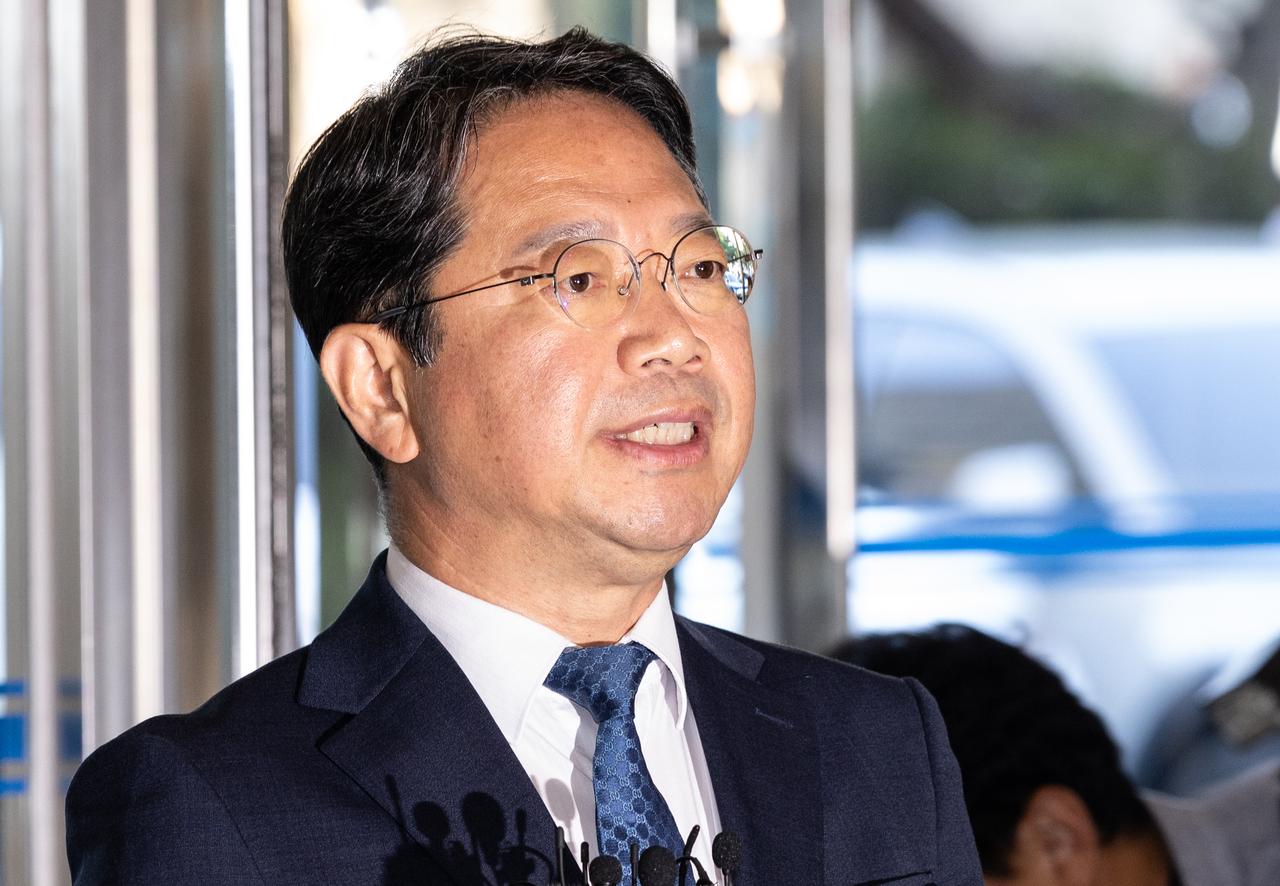
Prosecutors determined it was difficult to conclude that a request for expedited approval of a COVID-19 drug clinical trial was itself unlawful when they decided to suspend indictment of Kim Seung-won, the nominee for minister of justice, in the so-called "COVID-19 treatment clinical trial approval lobbying" case.
According to a non-indictment decision dated Dec. 27, 2024, issued by the Seoul Western District Prosecutors Office and released Sunday by Kim's confirmation hearing preparation team, Kim received a suspended indictment on charges that he passed along a request to the then-head of the Ministry of Food and Drug Safety to expedite approval of a clinical trial plan for a COVID-19 treatment developed by a company, and in exchange promised to accept 5 million won ($3,680) in sponsorship funds from the company's operators, identified only by their surnames Kang and Yang.
In the non-indictment decision, prosecutors wrote: "Given that COVID-19 was spreading globally at the time, it is difficult to conclude that the request made by the suspect — a National Assembly member — to the head of the Ministry of Food and Drug Safety to expedite approval of a clinical trial plan for a domestic COVID-19 treatment developer was itself unlawful."
Prosecutors also noted that "despite the request, the Ministry of Food and Drug Safety proceeded with its review in accordance with standard procedures without any exceptional regulatory or manual violations specific to this case; the bribe was never actually received; and the promised amount was relatively small." They also took into account that Kim had no prior criminal record of a similar nature.
Regarding Kang and Yang, prosecutors determined that the two had gone on to commit additional offenses following the promise of a bribe and obtained substantial financial gains as a result. However, they said there was no confirmed evidence that Kim was involved in those further acts, and that it was therefore necessary to treat him differently — leading to the decision to suspend his indictment.
Kim announced in February last year that he would file a constitutional complaint with the Constitutional Court challenging the suspended indictment, and he followed through three months later, filing the complaint in May of that year. A suspended indictment is a prosecutorial disposition in which prosecutors conclude that the charges are substantiated but that the case does not warrant referral to trial, closing the matter without prosecution. Although it is technically a non-indictment, it still acknowledges criminal culpability while stopping short of sending the case to court — meaning the subject can challenge it through a constitutional complaint on the grounds that the charges themselves should not be recognized and that the suspended indictment is therefore unjust. The Constitutional Court accepted Kim's complaint on May 7 last year and referred it to the full bench on July 1 of the same year. No ruling has been issued yet.
yg@heraldcorp.com





