District to review all 576 gratuitous-acquisition cases worth 19.5 billion won filed using comparable-property prices from 2023 through 2025
Refunds to be issued proactively, without requiring taxpayers to apply, whenever the officially recognized market value turns out lower than what was originally reported
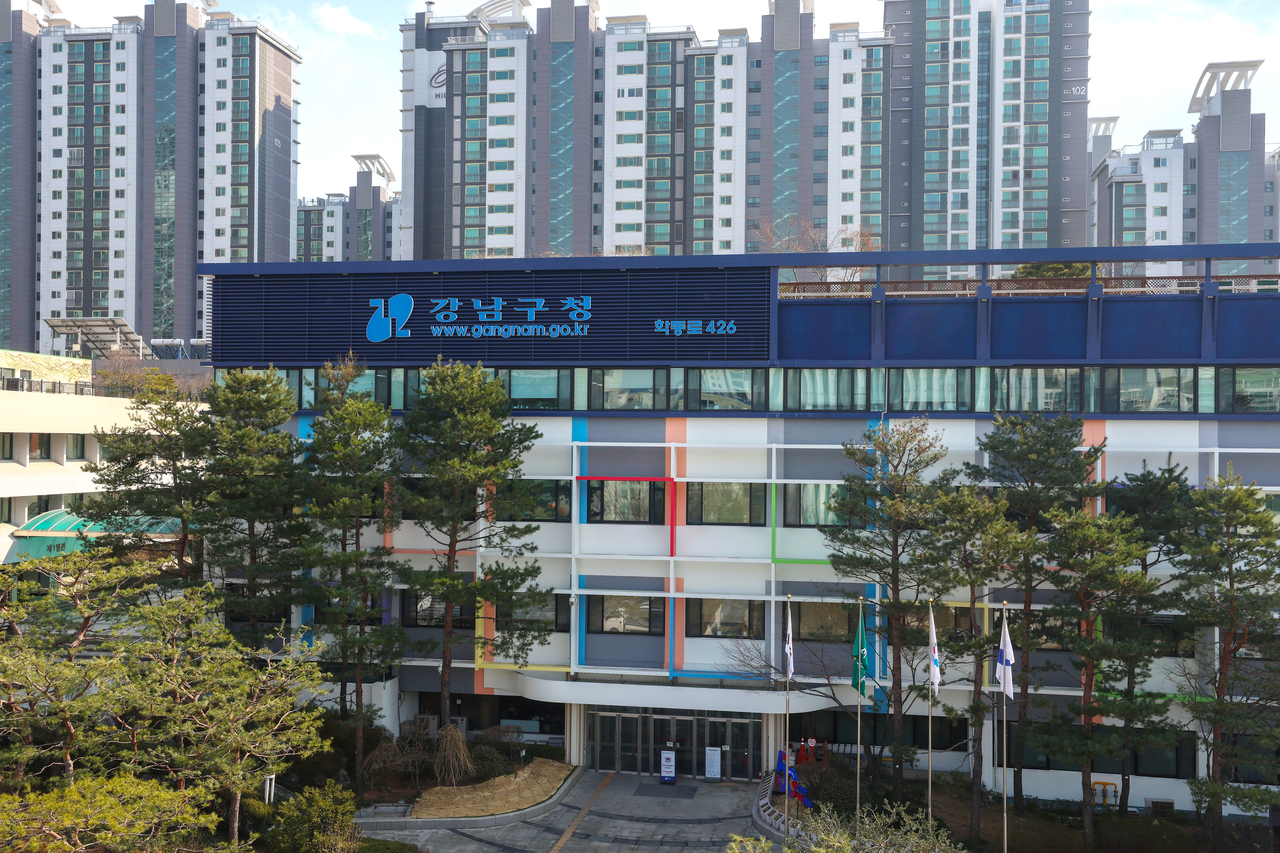
Gangnam-gu will review all 576 cases in which acquisition tax was filed based on the sale price of comparable properties for real estate obtained without payment, such as through gifts.
The acquisition tax reported in these cases totals 19.5 billion won ($14.5 million). The district aims to proactively identify and refund any overpayments in cases where a lower property value was confirmed after the initial filing.
For example, if someone receives an apartment as a gift from a parent but there is no direct sale price for that specific unit, the acquisition tax can be calculated using the sale price of a comparable unit in the same complex with a similar size and price — a method known as the "comparable property value." For multi-unit housing, this applies when a unit in the same complex has a publicly assessed price and an exclusive use area each within 5 percent of the subject property's.
Complications can arise after the tax is filed. A taxpayer initially pays based on a comparable apartment's price. Within the legally set period after filing, however, a new sale case for a property deemed even more comparable to the one acquired may be confirmed. If that newly confirmed value is lower than the one originally reported, the officially recognized market value used as the basis for taxation drops. This reduces the acquisition tax that should have been paid. In other words, the taxpayer ends up having paid more tax than necessary.
Since 2023, the standard for taxing property acquired without payment, such as through gifts, has shifted from the previous standard market value to the officially recognized market value. This value reflects actual market prices and draws on sale prices, appraised values, and auction or public sale prices for the property itself or comparable properties. When a comparable property is applied, authorities may consider prices confirmed from one year before the acquisition date through the filing and payment deadline.
Gangnam-gu will examine gratuitous-acquisition cases filed between Jan. 1, 2023, and Dec. 31, 2025. During this period, a total of 3,981 such filings were made, of which 576 used comparable property prices as the basis for tax calculation. The district will cross-check the filing data for these 576 cases against subsequently confirmed price data one by one to verify that the acquisition tax was calculated correctly.
When grounds for a refund are confirmed, the district will proactively identify the affected taxpayers and process the refunds. This reduces the chance that taxpayers miss out simply because they are unaware of the system. Conversely, in cases where a higher officially recognized market value is confirmed and taxpayers underpaid, the district plans to guide them through an amended filing. This is intended to prevent later penalties or complaints.
After identifying targets and reviewing filing documents in August and September, the district will register refund recipients in its computer system and send notification letters in October. This will be followed by consultations and other follow-up procedures.
Gangnam-gu District Mayor Kim Hyun-ki said, "Taxes must be levied accurately, and overpayments should be confirmed and refunded before taxpayers even come looking for them." He added, "We will establish the principle of 'accurate taxation, proactive refunds' in our tax administration."
seouldream01@heraldcorp.com