[Warmth: Recording moments of humanity]
Seven years after losing her husband, Jo Mi-na reflects on his final gift — and follows in his footsteps
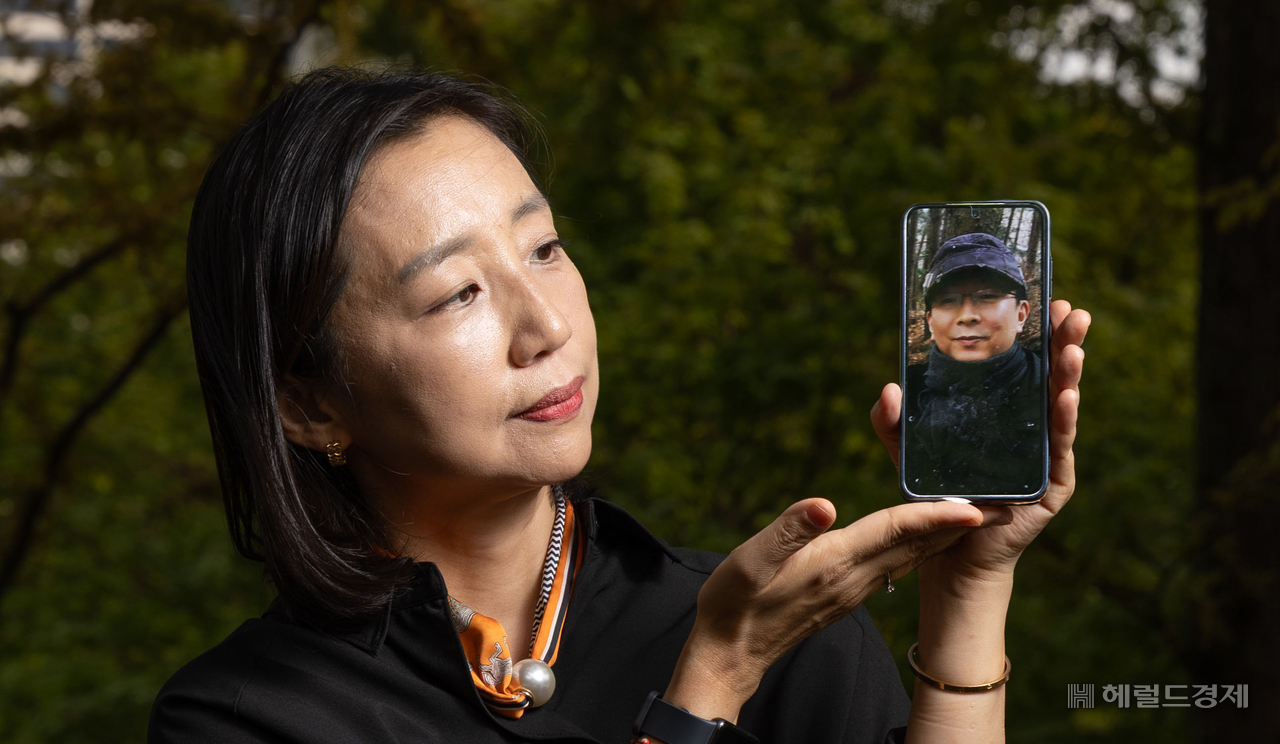
"A goodbye I was completely unprepared for — and even after seven years, it still hits me. I wanted to be able to tell my children: 'Your dad did something good right up until the very end.'"
Jo Mi-na's husband, Kim Jong-hyeok, was declared brain-dead following a cerebral hemorrhage on Jan. 11, 2019. He was only 50. The news came like a thunderbolt. After 10 days of agonizing deliberation, Jo and her family decided to donate his organs. Kim's lungs, liver and both kidneys gave five people a new chance at life. That final act became the way their young daughter and son would remember their father.
"At school, a friend asked what her dad did," Jo recalled. "Her daughter answered: 'My dad saved five people and then went to heaven.'"
He saw her off that morning — then the calls came hours later
The end came without warning.
The morning of Jan. 11, 2019, was no different from any other. Kim drove Jo to the airport bus terminal so she could leave for a company workshop in Japan. They had time to spare, so the couple sat across from each other at a nearby coffee shop and shared a cup of coffee.
Jo had been quietly worried about the headaches her husband had been having for several days. She told him, "If your head keeps hurting, let's go to a big hospital." She had no way of knowing those would be the last words she would ever say to him while he was alive.
After seeing his wife off and returning home, Kim suddenly collapsed. Fortunately, a university student who tutored the couple's older child was in the house at the time. Hearing a loud thud, the tutor found Kim on the floor and called emergency services.
Jo had no idea any of this had happened. When she landed in Japan and switched her phone back on, she found a string of missed calls. A wave of dread washed over her. She quickly called her younger brother, who delivered the news she had not expected: "Sis, your husband collapsed. He's in the ICU."
Jo did not even wait to collect her luggage. She went straight to find a flight back to Seoul.
When she arrived at the hospital that evening, both families and Kim's friends had gathered outside the intensive care unit. The doctor diagnosed a subarachnoid hemorrhage and raised the possibility of brain death. Just that same morning, this man had driven his wife to the bus terminal and sat with her over coffee. The family took Kim's test results from hospital to hospital across Seoul, hoping another doctor might offer a different answer.
None did.
If his gift could bring happiness to another family
Faced with the reality that her husband would not recover, the hospital presented the family with the option of organ donation. They were also told that the longer they waited, the more the organs would deteriorate and the fewer could be donated.
But making the decision was not easy. The day a brain-death determination was finalized and the donation surgery took place would be the day they said goodbye to Kim for good. What weighed on Jo most heavily was the knowledge that her family would have to choose that day themselves.
"It felt like I was deciding the day my husband would die," she said.
It was her mother-in-law who made up her mind first. A churchgoer who had long expressed a wish to donate her own organs, she said: "If this is the situation, I think he would want to donate." Ten days after Kim collapsed, on Jan. 22, he passed away after giving life to five people. One of the recipients was a man in his 50s — around the same age as Kim.
"It could have been a family just like ours," Jo said. "It was an unbearably sad thing for our family, but I found comfort in the thought that another family could go on being happy because of my husband."
After losing him, Jo began discovering sides of her husband she had never known. The funeral home was filled with people who had come to say their last goodbyes — childhood friends, colleagues, acquaintances from every chapter of his life. While sorting through his belongings, the family found three charitable giving accounts they had known nothing about. He had been quietly supporting others without ever telling his family.
"So many people came to the funeral. Seeing that, I thought: this really was a good person. Every one of his friends said the same thing."
'When you miss him, miss him. When you need to cry, cry.'
Seven years have passed since their father's death. The son who was in elementary school at the time is now an adult. Worried that missing his father at his high school graduation might leave a scar, every relative in the family made sure to be there.
The two siblings — four years apart — grew up unusually close. From early on, the older brother felt it was his place to fill some of the role their father had left behind, and his younger sister respected him for it. Perhaps because of that, the two rarely had serious quarrels as they grew up, Jo said.
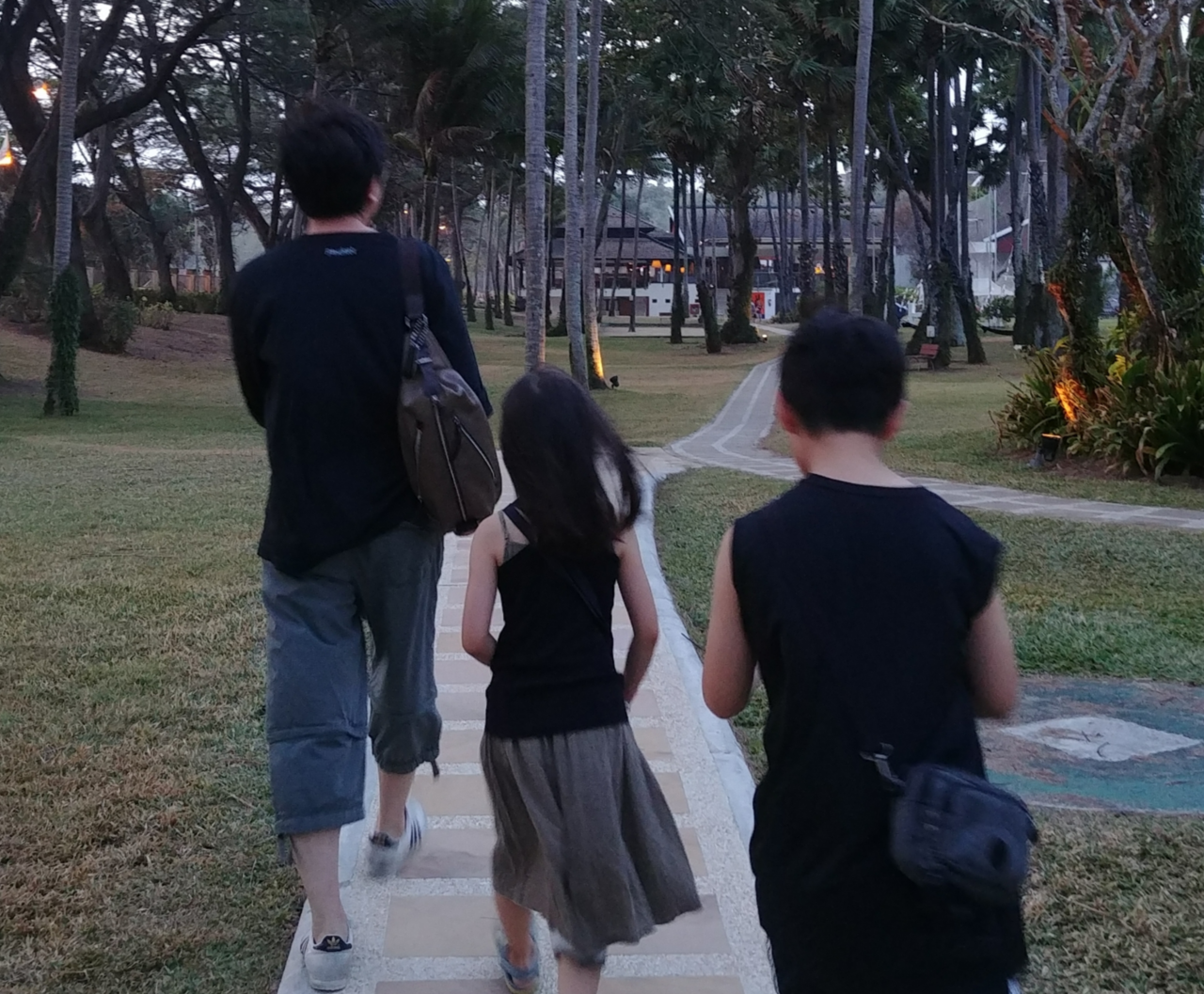
Jo leafed through family photos taken on trips her husband had made with the children. Looking at the faces in the pictures, she smiled. "These children who were so small — they're becoming adults before my eyes," she said.
"These children gave meaning to the busy life my husband and I lived together, and they've grown up like this," she said. "I always pray to my husband: 'I'll be here by the children's side — please watch over them from where you are, so they don't stumble as they go after what they want in life.'"
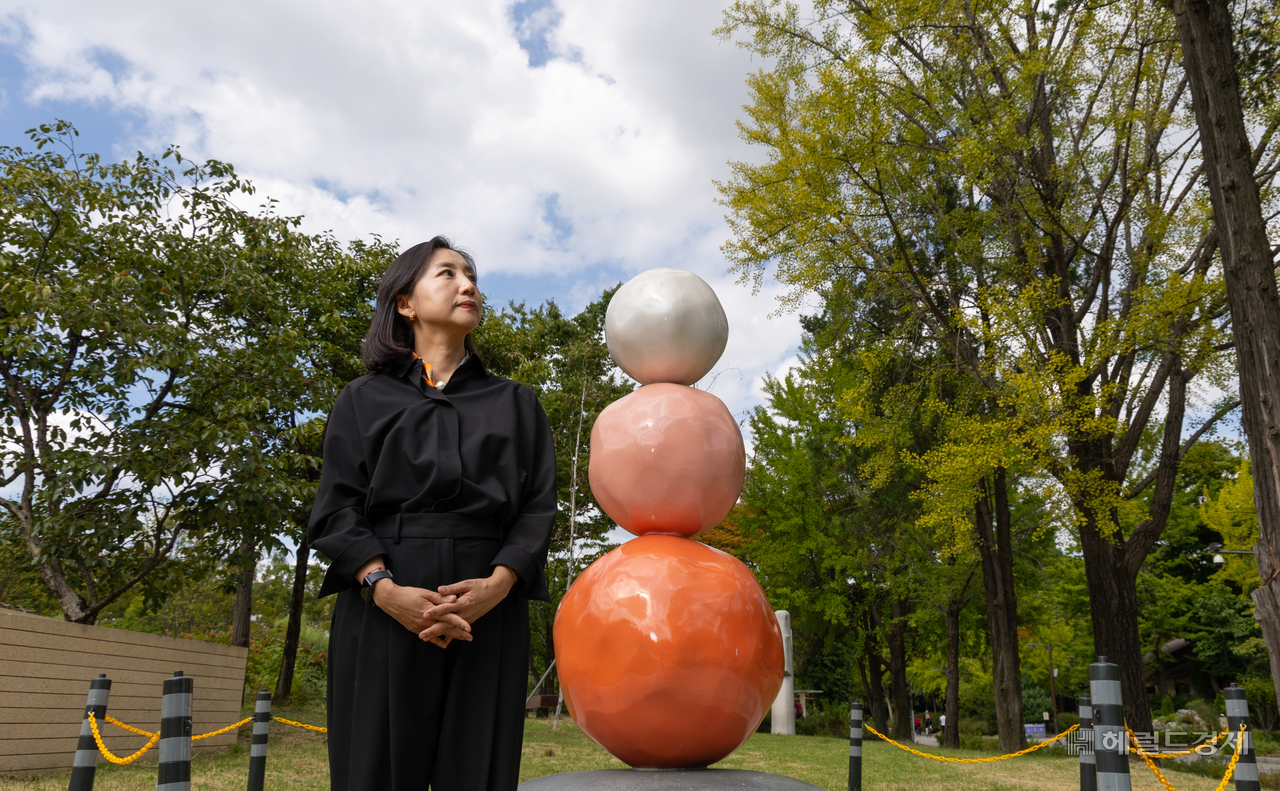
On Sept. 12, Jo attended a life-sharing ceremony at the brain-death organ donor memorial space in Boramae Park in Dongjak-gu, Seoul, where she met families who had lost loved ones 10 to 20 years earlier. They were still carrying their longing and their grief. Jo said she came to understand, a little more, the value of allowing oneself time to mourn — and found comfort in the permission to miss him when she misses him, and to cry on the days she needs to cry.
After losing her husband, Jo registered herself as an organ donor. To this day, the back of her national ID card carries a sticker identifying her as a registered donor. She has indicated her wish to donate her organs and corneas.
"I lost my husband in such a sudden, bewildering way — but going through it, I came to understand something. Even in saying goodbye to someone, the end of one person's life can become a gift: the beginning of a new life for someone else."

kido@heraldcorp.com