
District secures additional 646 million won from management-type trust after collecting 1.42 billion won in August; real-time tracking system flags sales before they close
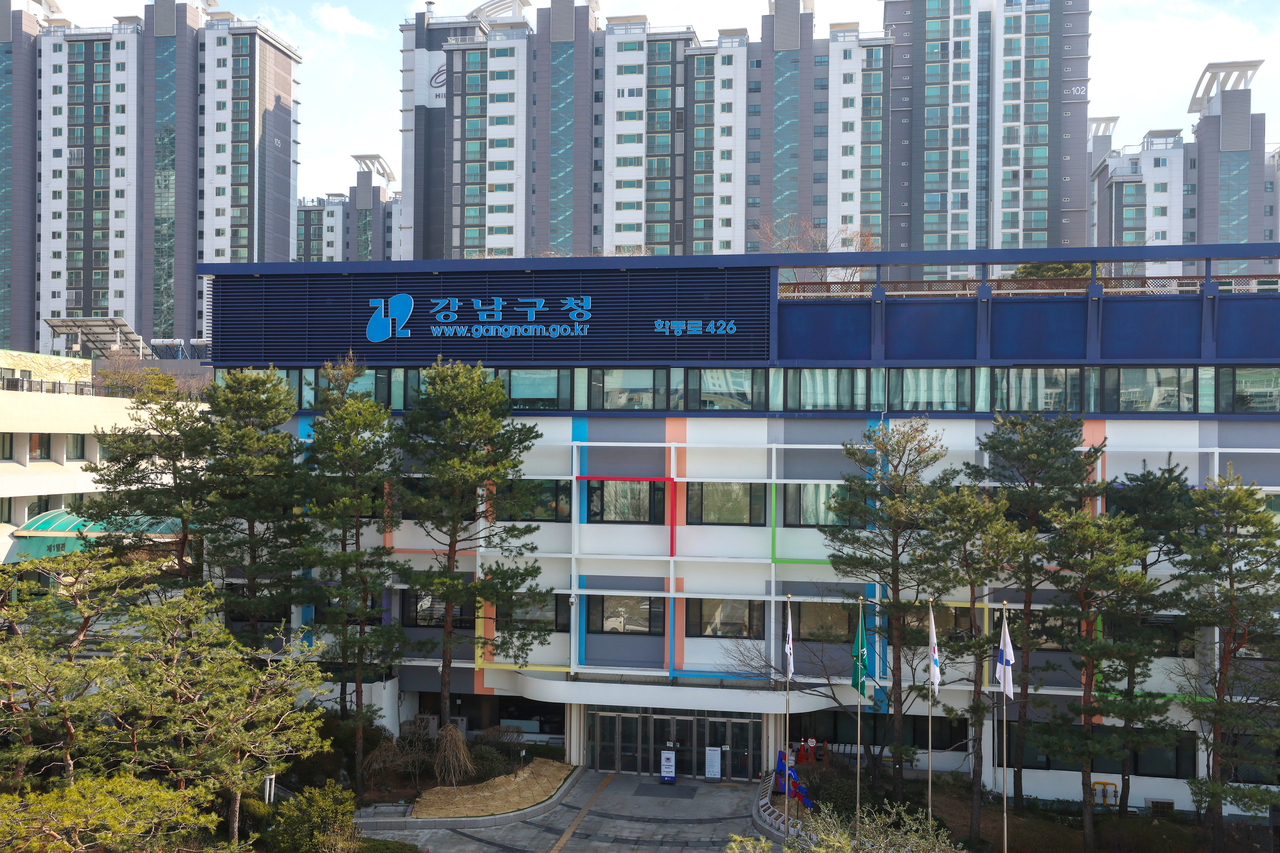
Gangnam-gu has standardized its approach to collecting delinquent taxes on trust-held real estate and, through continuous monitoring, recovered an additional 646 million won ($482,000) from a corporate-owned building held under a management-type trust.
The collection follows a 1.42 billion won recovery from a development-type trust property in August, bringing the cumulative total from both operations to 2.06 billion won.
Collecting delinquent taxes on trust-held real estate is more complicated than on ordinary properties. When a property is placed in trust, the registered owner shifts from the delinquent corporation to the trust company, meaning the taxpayer and the titleholder are different entities — making it difficult to seize the asset directly as one would with a delinquent party's general property.
When a building is divided into multiple units, as in this case, the district's ability to sell the property and recover taxes can also take considerably longer.
After the August collection, the district did not leave the know-how with individual staff members. It formalized the approach into a standard procedure: continuously monitor trust properties for delinquency and pending sales, and move to secure taxes before any sale is completed. The method was shared across staff, and a standing system for tracking trust-related delinquencies was put into operation.
The latest recovery targeted 114 units of a corporate-owned building held under a management-type trust. A total of 229 tax items — including property taxes from 2025 through 2026 — had gone unpaid, amounting to 646 million won. During routine monitoring, the district detected that the property was being sold and immediately launched collection proceedings.
The key was securing the right to collect taxes before the sale closed. The district first designated a physical tax-payment obligation on the trust company for the existing arrears and seized a representative unit. When an additional 192 million won in September property taxes fell into arrears, the district designated a further physical tax-payment obligation in early October. As a result, the full 646 million won — including all prior arrears — was collected the following day, before the trust property changed hands.
The August case involved a development-type trust, in which the trust company oversees financing, construction and pre-sales. This time, the district applied the same collection method to a management-type trust, where the developer drives the project while the trust company manages property ownership and fund disbursement.
The significance of this outcome lies in successfully extending a collection method proven in one type of trust structure to a structurally different one. The district plans to continue monitoring trust properties for delinquency and sale activity, and to act swiftly before transactions close. It also intends to share the case with other local governments so they can apply the approach to their own trust-related collection challenges.
Gangnam-gu District Mayor Kim Hyun-ki said the result showed what was possible when a single successful collection was turned into a repeatable system rather than left as one employee's experience. "We will continue to respond proactively to delinquencies on trust properties before sales go through, closing the gaps through which tax revenue can slip away, and building a fair tax order that respects those who pay honestly," Kim said.
seouldream01@heraldcorp.com





