Written interview with conductor Jukka-Pekka Saraste
Helsinki Philharmonic makes its first-ever visit to Korea after 144 years
Performs with Yang In-mo at Lotte Concert Hall on Thursday
On April 26, 1899, in Helsinki, a 33-year-old Jean Sibelius stepped onto the podium. Timpani rumbled from the depths as a lone clarinet built its elegy above them. It was the moment Symphony No. 1 — a distillation of the Finnish soul — drew its first breath.
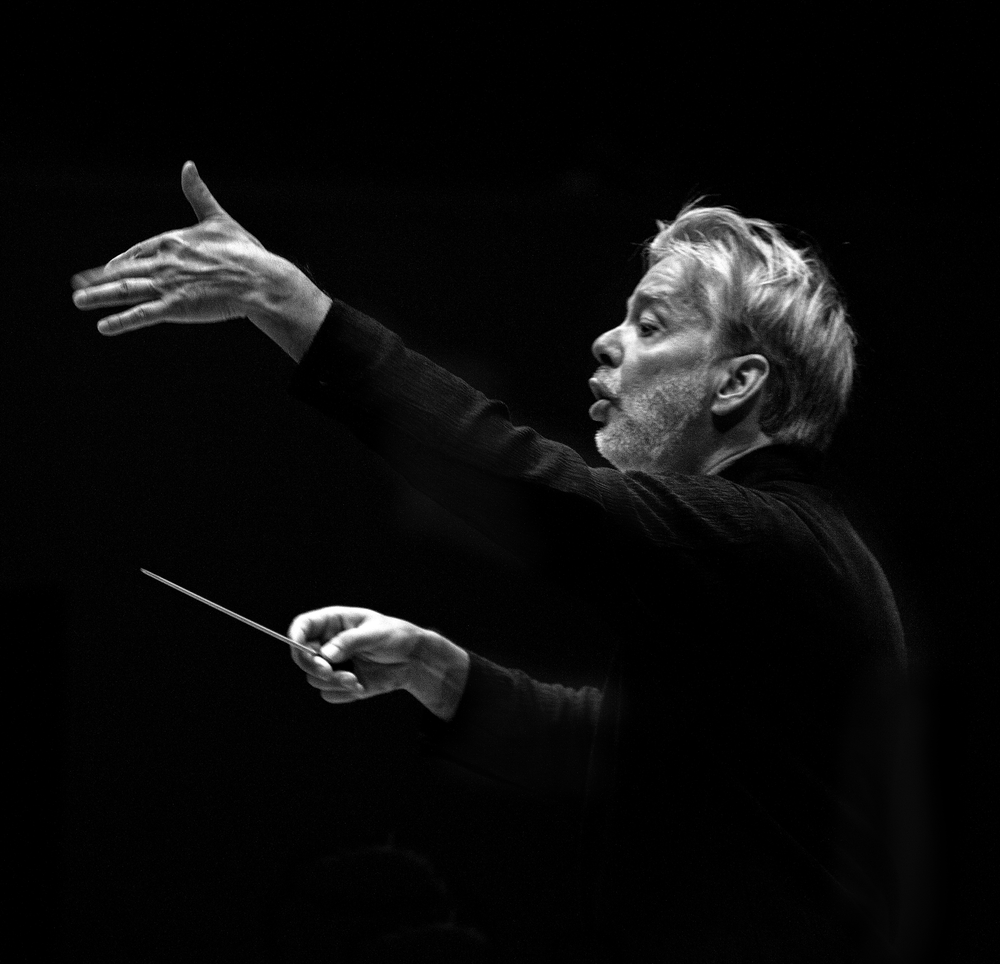
The orchestra that first gave life to that score was the Helsinki Philharmonic Orchestra, founded in 1882. Over the following 24 years, manuscripts written at Ainola, Sibelius's home on the shores of Lake Tuusula, or sometimes in the Mediterranean town of Rapallo, always found their way back to Helsinki. Under the composer's own baton, with the same ensemble's bows, the notes became living music. Of his seven symphonies, only the last — No. 7, which premiered in Stockholm in 1924 — was not first performed by the Helsinki Philharmonic.
"The Helsinki Philharmonic is the orchestra that premiered all of Sibelius's symphonies except the Seventh," Saraste said.
Now, after 144 years, this ensemble — so deeply identified with Sibelius — is coming before a Korean audience for the first time. The concert takes place Thursday at Lotte Concert Hall in Seoul, as part of the hall's 10th-anniversary series "10 for 10."
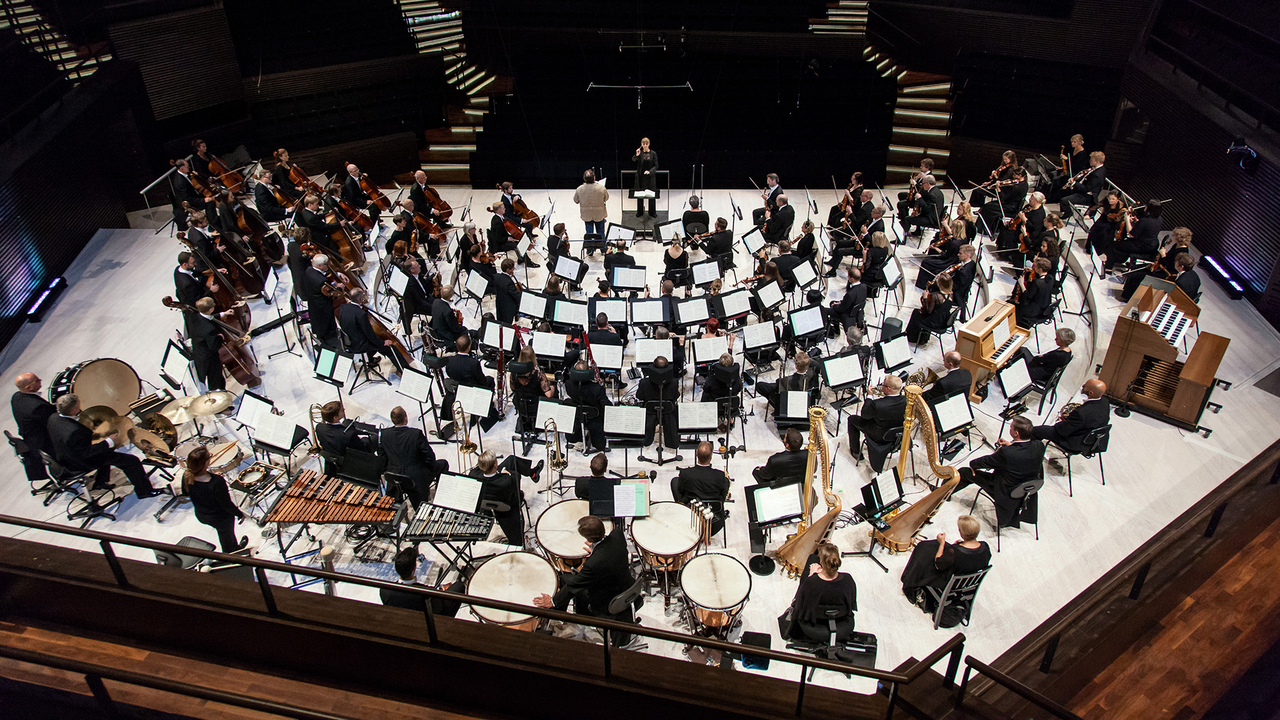
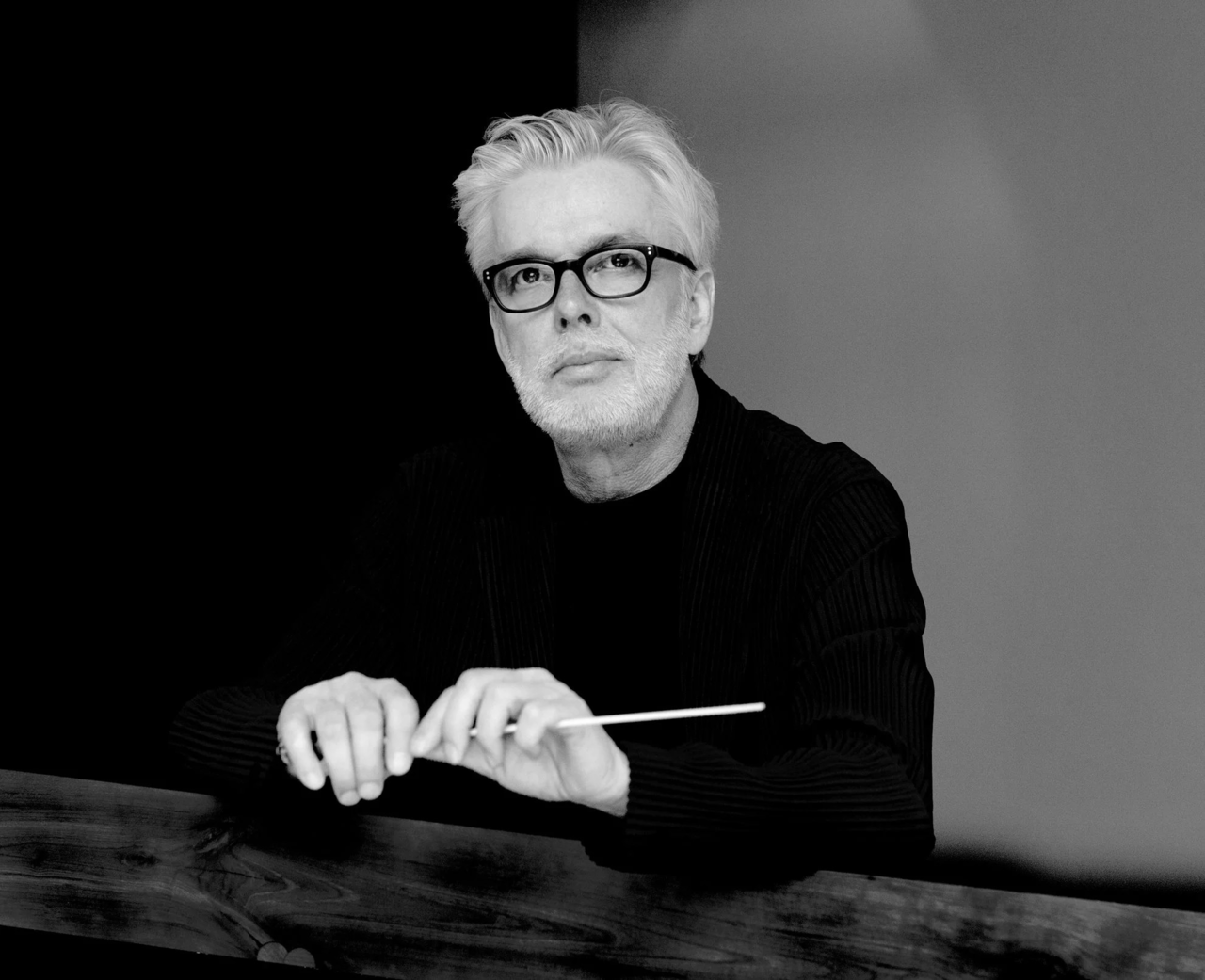
Jukka-Pekka Saraste, 70, the maestro leading the orchestra, said in a written interview that "a genuine love of orchestral music" is something Finns and Koreans share. "In Finland, orchestral music has become a very important part of national identity — probably thanks to Sibelius," he said.
Three maestros who shared a classroom
Saraste's relationship with the baton began at a birthday party. At 18, a promising young violinist, he encountered Jorma Panula — the godfather of Finnish conducting education — at a celebration for one of his teachers. He asked Panula on the spot to take him as a student. Panula's reply was brief: "Come and audition."
The class Saraste entered at the Sibelius Academy had only three students. One was Saraste himself, who had played violin. Another was Esa-Pekka Salonen, a horn player who would go on to transform the Los Angeles Philharmonic as composer and conductor. The third was Osmo Vänskä, a clarinetist who became familiar to Korean audiences through his tenure with the Minnesota Orchestra and his three years leading the Seoul Philharmonic Orchestra beginning in 2020. Three young men — a violinist, a horn player and a clarinetist — learned the art of conducting together in the same room.
Finland is renowned as a powerhouse of conducting. The Panula class produced world-class conductors in seemingly endless succession — from established masters to 30-year-old Klaus Mäkelä, who is beloved around the world today. For the past four decades, Finland has shaped orchestras across the globe.
Saraste attributes that success to the passing down of knowledge from one generation to the next. "One of the main reasons Finnish conducting has succeeded is that the previous generation handed their ideas on to the next," he said. His advice to younger musicians is concise and firm.
"You have to find your own voice and your own goals. You must not look for shortcuts or easy solutions."
Music from a people who don't exaggerate
The vast, open spaces in Finnish music do not spring from Nordic nature alone — they emanate from the inner lives of the people who inhabit that land. Saraste's perspective, too, is rooted in people rather than abstraction.
"Finnish music is connected to the Finnish temperament. Finns are not extroverted, but they are not introverted either. They carry a great deal of emotion inside, but they don't exaggerate."
Saraste's bond with the Helsinki Philharmonic is a deep one. He first appeared with the orchestra as a guest conductor in 1983, and 40 years later — in 2023 — he became its chief conductor and artistic director. He has also stood on the podium of the Seoul Philharmonic Orchestra, forging a close connection with Korean audiences.
The concert closes with Sibelius's Symphony No. 2 (1902), a work that premiered during the years of oppression under Tsarist Russia and became a national epic carrying the Finnish people's longing for independence. Brief motifs accumulate gradually, finally bursting into the radiant D-major finale of the last movement. Saraste has conducted the work for decades and says his perspective on it has not changed dramatically — yet there is one challenge he returns to with every performance.
"Each time, I try to make the inner drama of the music — and the destination it must inevitably reach — more and more convincing."
Opening the first half is "Pelléas et Mélisande," incidental music Sibelius wrote in 1905 for the play by Belgian writer Maurice Maeterlinck. From the suite's nine pieces, Saraste has selected four: "At the Castle Gate," "Mélisande," "Intermezzo" and "The Death of Mélisande." "I chose them based on the character of each piece," he said. "I wanted to link the four together into a kind of small symphony." The result is a 15-minute arc that opens with a dark prelude, passes through a portrait of a woman and a light intermezzo, and closes with a tragic ending.
Between the two Sibelius works sits Prokofiev's Violin Concerto No. 2. Saraste called it "a very natural combination." From 1809 until independence in 1917, Finland was an autonomous grand duchy within the Russian Empire. "The influence of Russian music can be found in Sibelius's music as well," Saraste said.
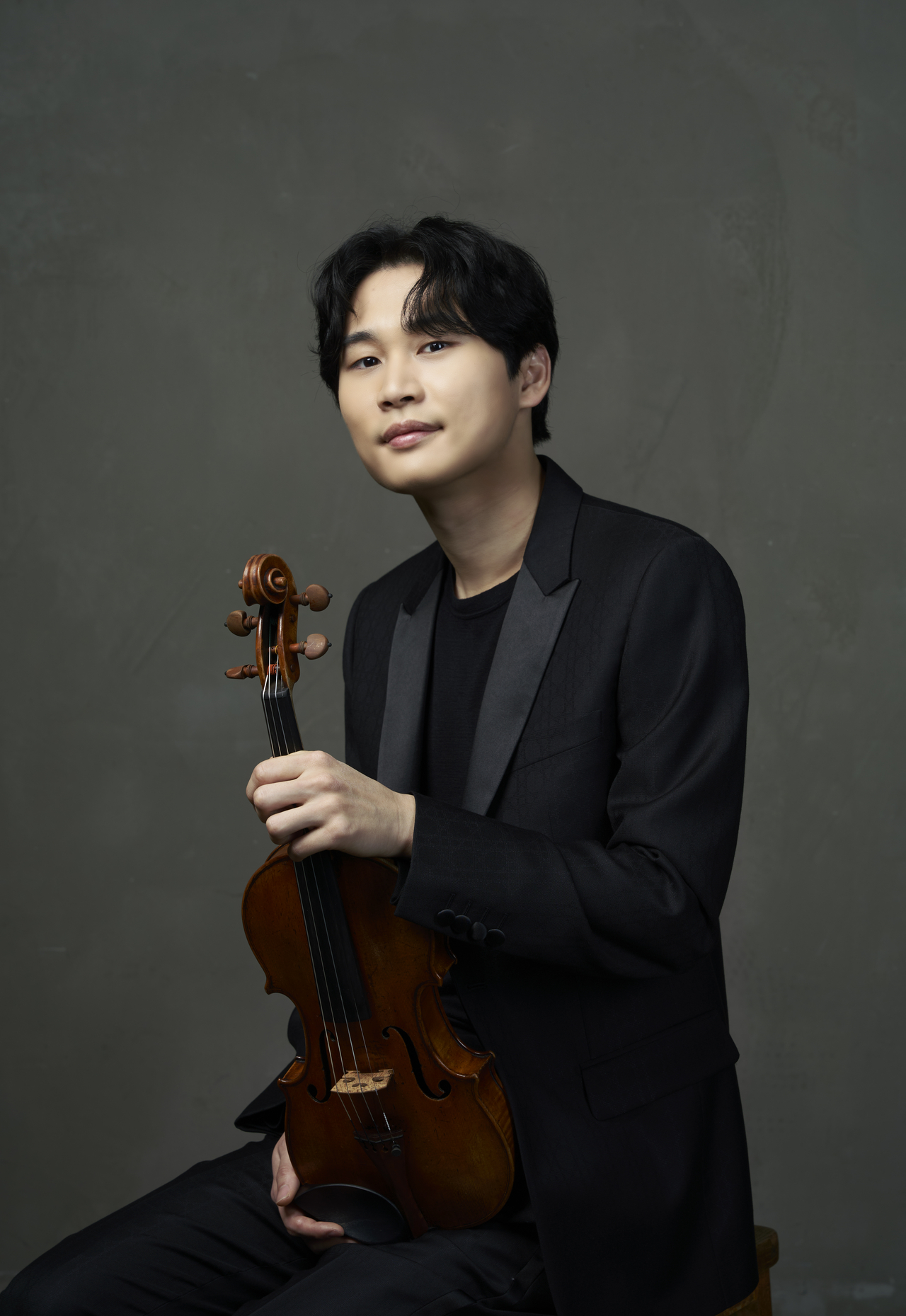
The soloist is violinist Yang In-mo. He became the first Korean to win both the Paganini International Violin Competition in 2015 and the Sibelius International Violin Competition in 2022, and has already built a deep musical rapport with the Helsinki Philharmonic. In the 2022 competition final, he performed the Nielsen Violin Concerto with the orchestra, and the two reunited that December for a "Finnish Music Day" concert.
At the time, the Helsinki Philharmonic described Yang as carrying on the lineage of past Sibelius Competition winners including Oleg Kagan and Viktoria Mullova. Saraste called him "a truly fascinating musician with a sound entirely his own" and "a perfect choice for Prokofiev's Violin Concerto No. 2."
An orchestra that takes the stage without a conductor
"A very wide, deep and rich sound."
Three words are enough to define the Helsinki Philharmonic's distinctive tone, despite the ensemble's century-and-a-half of history. Saraste traces the foundation of that sound to the relationship between the orchestra and its audience.
"The curiosity of our audiences means there are no limits to our programming. We perform everything from contemporary music to classical and late Romantic repertoire — always to a full house. That experience has greatly expanded the orchestra's capabilities."
The Helsinki Philharmonic performs for more than 100,000 audience members each year. In recent years it has also pursued bold artistic experiments: musicians plan programs themselves, and the orchestra sometimes takes the stage with the podium empty — no conductor at all. For the 2026–2028 season, the title of principal guest conductor has been bestowed not on an outside musician but on "the orchestra itself." It might appear that the conductor's territory is shrinking, but Saraste sees it the other way around.
"The musicians listen more carefully to one another, and the orchestra's identity becomes stronger," he said. "The conductor's work actually becomes far more interesting — because you can focus entirely on the essence of interpretation." His vision for the future with the Helsinki Philharmonic is equally clear.
"I want to make this orchestra's unique identity more widely known. It has a broad range of expression and outstanding capabilities. There is still an inexhaustible amount of music to play — we never have to repeat ourselves."
shee@heraldcorp.com