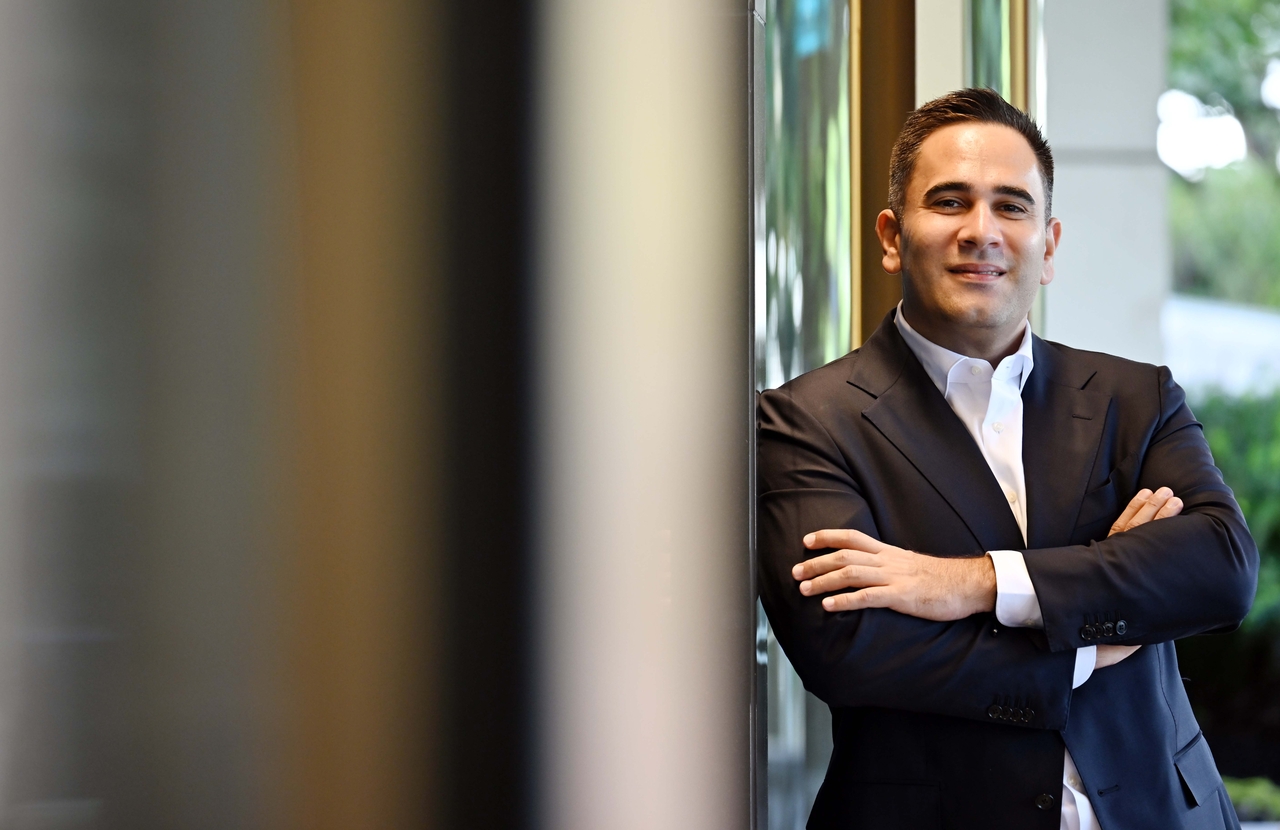
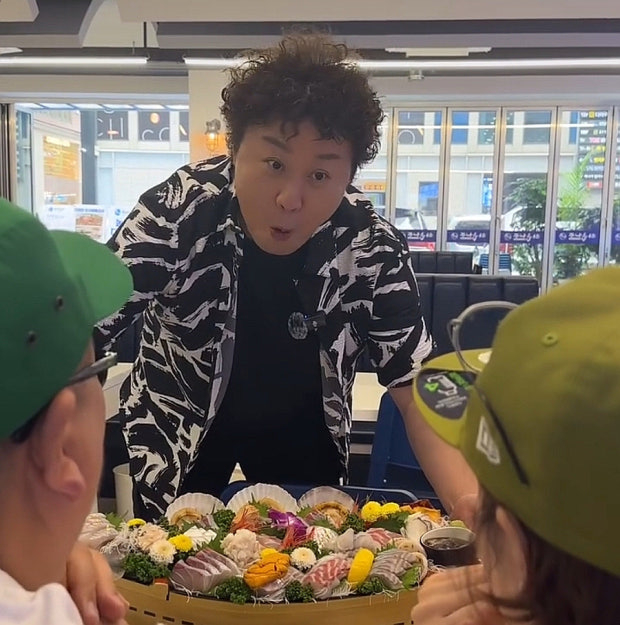
Comedian Jeong Hyeong-don has drawn considerable attention after opening a pork cutlet restaurant in Seongsu-dong. Customers have been spotted visiting in hopes of catching a glimpse of the celebrity owner.
But relying on fame alone is a near-certain path to failure. In many cases, that very fame has boomeranged back as a liability. Ultimately, what determines success in the restaurant business comes down to the fundamentals: food quality and service.
Without a focus on food, fame becomes a liability
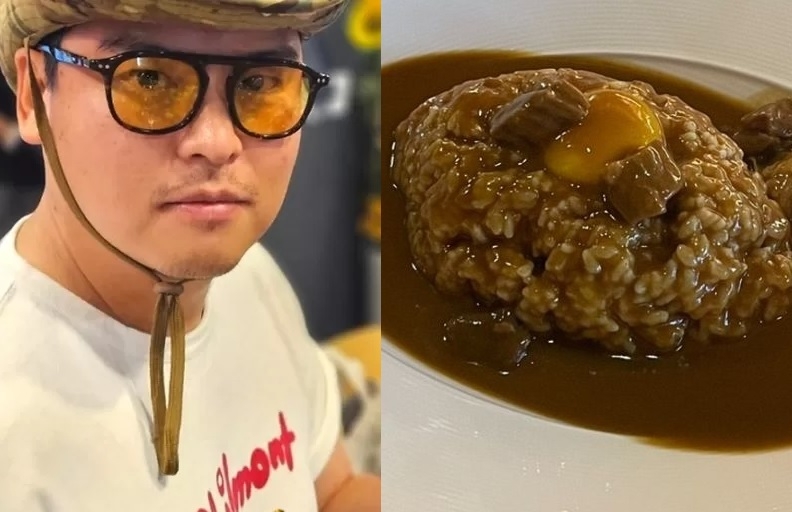
A recent cautionary tale is actor Lee Jang-woo, who opened a curry restaurant called Garae in December 2024, only to shut it down nine months later. Fans who had cheered on the food-loving celebrity visited the restaurant and came away disappointed.
Garae sold a single curry dish for 10,000 won ($8), but online reviews piled on, criticizing the curry as unremarkable and the portions as too small. After closing, Lee apologized, saying, "I need to reflect on my mistakes" and "I am deeply sorry to so many people."
The episode illustrates a broader truth: while a celebrity's fame can help draw first-time customers, it is ultimately food quality and satisfaction with the price that determine whether they return.
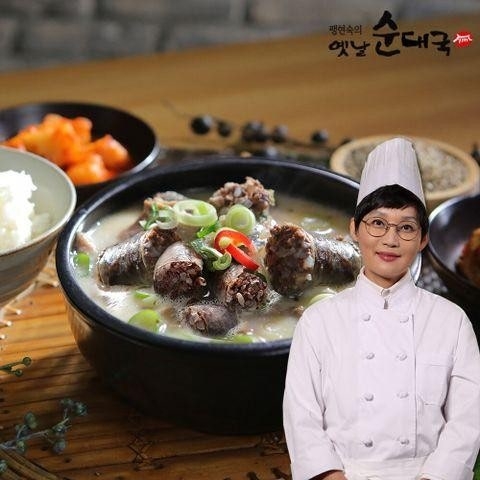
On the success side stands comedian Paeng Hyeon-suk, who opened a sundae-guk (Korean blood sausage soup) restaurant called Paeng Hyeon-suk's Old-Style Sundae-guk in Namyangju in 2006. Word of mouth turned it into a destination that still draws large crowds today.
According to 2021 reports, the brand had grown to more than 70 franchise locations nationwide. In 2017, a home-shopping launch set a record of 200,000 sets sold.
Her success grew out of repeated failure. Paeng is said to have tried and failed at businesses ranging from a ceramics shop and a clothing store to a restaurant, a cafe and a fried chicken joint before conducting thorough market research and refining her sundae-guk recipe. She built the business on steady demand for an affordable everyday meal and a signature sundae dish she developed herself.
Why celebrities enter the restaurant business: low barriers, steady income
The appeal of the restaurant business for celebrities lies in the nature of their careers. Entertainment may seem like a lucrative profession, but stable income is hard to come by. Performers can earn well during active periods, but revenue dries up when popularity fades or work slows down.
For celebrities seeking a reliable income stream, opening a restaurant is an obvious choice — largely because the barriers to entry are low. With restaurant consultants now offering turnkey packages covering business models, interior design and menus, a celebrity can open a polished establishment without investing much personal effort.
Fame itself is also a significant asset. An ordinary new restaurant must spend time and money building name recognition and attracting customers in a competitive area. A well-known celebrity can draw a crowd far more easily.
Yet these advantages cut both ways. Curiosity and buzz may pack a restaurant in the early days, but there is no guarantee that initial attention will translate into sustained sales. Even with heavy foot traffic, a restaurant that cannot cover fixed costs — ingredients, labor and rent — will struggle to turn a profit.
A celebrity's name can also become a burden. The higher expectations that come with it mean any shortfall in food or service lands harder. Fame helps secure early customers, but it cannot substitute for quality control and operational competence.
The restaurant industry may have a low entry barrier, but survival is another matter. It is easily shaken by fierce competition and external risks beyond anyone's control — rising rents, economic downturns and disease outbreaks.
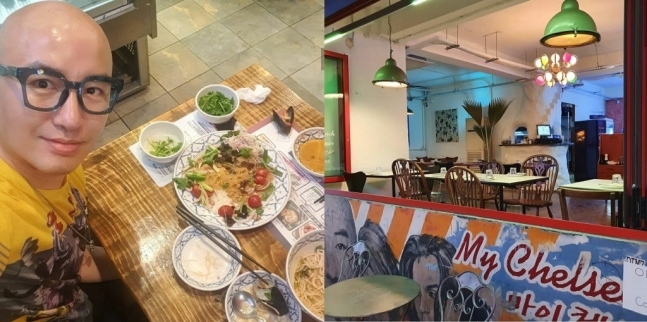
Broadcaster Hong Seok-cheon is a prime example. Despite a deep understanding of the food industry and strong cooking skills, he was forced to close all of his long-running Itaewon restaurants — a casualty of the COVID-19 pandemic, compounded by soaring rents in the neighborhood. He said that at one store where monthly rent ran about 9.5 million won, daily sales fell to the 30,000 to 40,000 won range after COVID-19 hit.
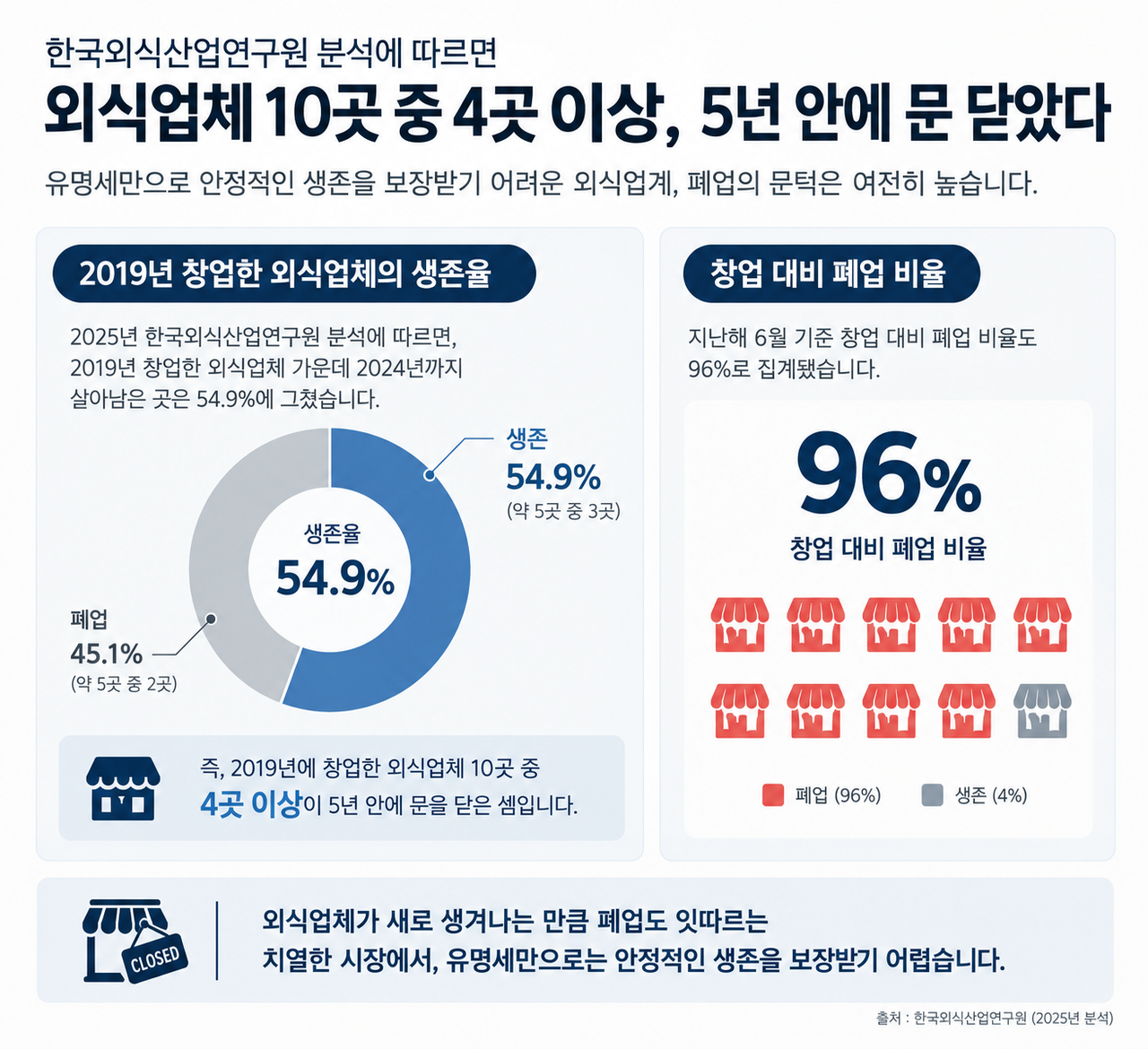
This is not a problem unique to celebrity restaurants. A 2025 analysis by the Korea Food Service Industry Research Institute found that of food service businesses that opened in 2019, only 54.9 percent were still operating by 2024 — meaning roughly 45.1 percent had closed within five years. As of June last year, the ratio of closures to new openings stood at 96 percent.
Celebrity restaurants are not immune to these structural realities. A famous name may reduce upfront marketing costs, but it does nothing to lower ingredient prices, labor costs or rent. And if the owner is not managing the store directly, skilled staff must be hired to run day-to-day operations.
When a celebrity tries to balance their primary career with running a restaurant, how much time they can actually devote to the business becomes critical. Menu development, staff management, inventory and hygiene checks, and handling customer complaints are tasks that must be repeated daily, regardless of broadcast schedules. Once the initial excitement of opening fades, the drive to sustain the brand can weaken along with it.
Success requires food quality, operational systems and careful business planning
The first factor determining whether a celebrity restaurant can sustain itself is the competitiveness of its food. Even a dish made famous through television will not bring customers back if the taste and portion size do not justify the price.
The second is operational systems. Even if the celebrity owner is not present every day, the restaurant needs standardized recipes, service protocols and staff management structures to maintain consistent quality.
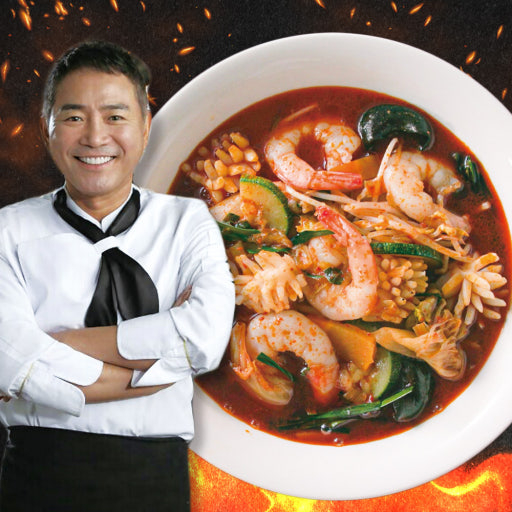
The third is how the business expands. Turning a store-proven dish into a ready-to-eat product — as Lee Jang-woo did with his instant udon — can reach not only existing customers but new ones as well. That said, establishing a core menu and a clear brand identity should come before any aggressive push to open more locations.
Opening a restaurant as a celebrity means leveraging fame while being tested on the fundamentals of the food service business at the same time. Fan visits can be a starting point, but long-term survival demands that food quality, operations and cost management all hold up.
123@heraldcorp.com