Ministry of Gender Equality and Family releases results of violence prevention education audit; 181 public institutions, including National Human Rights Commission, flagged for poor performance
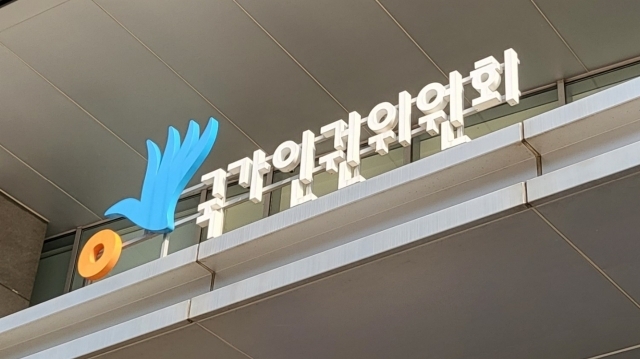
A total of 181 public institutions — including the National Human Rights Commission and the Cultural Heritage Administration — were flagged as underperformers in an audit of violence prevention education covering sexual harassment, sexual assault, prostitution and domestic violence. The number of sexual harassment and assault cases reported in the public sector last year reached 8,472, more than 64 percent above the figure from two years earlier.
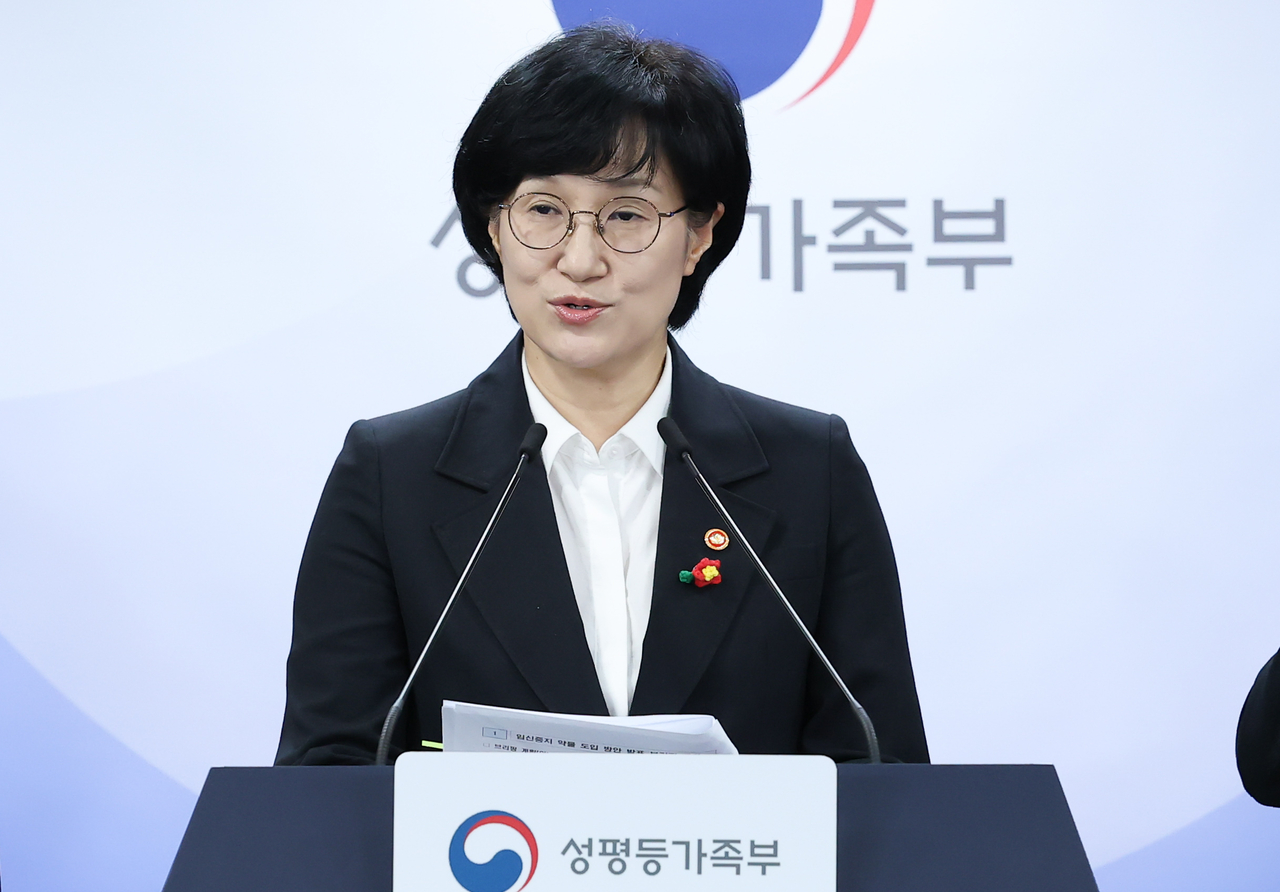
South Korea's Ministry of Gender Equality and Family announced the results of its "2025 Public Institution Violence Prevention Education Performance Review" at a vice ministerial meeting Thursday. The audit covered 18,308 public institutions, including central government agencies, local governments and schools at all levels.
According to the findings, the rate of institutions conducting violence prevention education held at 99.9 percent for the third consecutive year. The number of participating institutions grew from 18,127 in 2023 to 18,226 in 2024 and 18,308 last year.
Still, some institutions fell short in education participation and measures to prevent sexual harassment.
The 181 institutions classified as underperformers accounted for 1.0 percent of the total, down from 195 the previous year. By type, schools at all levels made up the largest share at 60, followed by local governments at 56, public-affiliated organizations at 54 and central government agencies at 11.
The 11 central government agencies on the underperformer list included the National Human Rights Commission, the Cultural Heritage Administration and the Defense Ministry's investigation headquarters. Among the 60 schools, universities accounted for 54.
Of the underperforming institutions, 139 were cited solely for low education participation rates, 37 for both poor participation and inadequate anti-harassment measures, and five for failing to implement required preventive measures at all.
Participation rates by group were 99.8 percent for heads of institutions, 95.5 percent for senior officials, 94.6 percent for general staff and 90.6 percent for students. University students posted a participation rate of 61.1 percent — up 2.4 percentage points from the previous year and surpassing 60 percent for the first time — but the figure remained the lowest among all groups.
Two institutions — the Inje-gun Council in Gangwon Province and the Sasang-gu Council in Busan — had their heads publicly named for failing to participate in sexual harassment prevention education.
The data showed that sexual harassment and assault cases in the public sector totaled 8,472 last year. The figure rose from 5,154 in 2023 to 8,296 in 2024 and continued climbing last year, marking a 64.4 percent increase over two years. The tally covers cases in which institutions were required to submit recurrence-prevention plans to the ministry after becoming aware of an incident.
Of last year's cases, 4,798 — or 56.6 percent of the total — occurred at schools and similar institutions. Central government agencies recorded 3,257 cases, public-affiliated organizations 297 and local governments 120.
Meanwhile, secondary victimization prevention education had the highest implementation rate among violence prevention programs last year at 91.2 percent. Digital sex crime prevention education followed at 89.5 percent, stalking crime prevention at 70.9 percent and dating violence prevention at 69.5 percent.
The ministry plans to revamp its curriculum to deepen awareness of gender equality and human rights, with the aim of improving both receptiveness to and effectiveness of the education.
Minister Won Min-kyung said the ministry would "introduce curricula tailored to the needs of those receiving education so they can internalize the values of gender equality and human rights, and improve the system so that violence prevention education translates into victim protection and a safer organizational culture."
kido@heraldcorp.com