Hopes for pro-business Bolsonaro dashed
Markets plunge; share sales, IPOs put on hold
Exchange rate, bond yields all in panic mode
Fiscal expansion, inflation fears cloud outlook
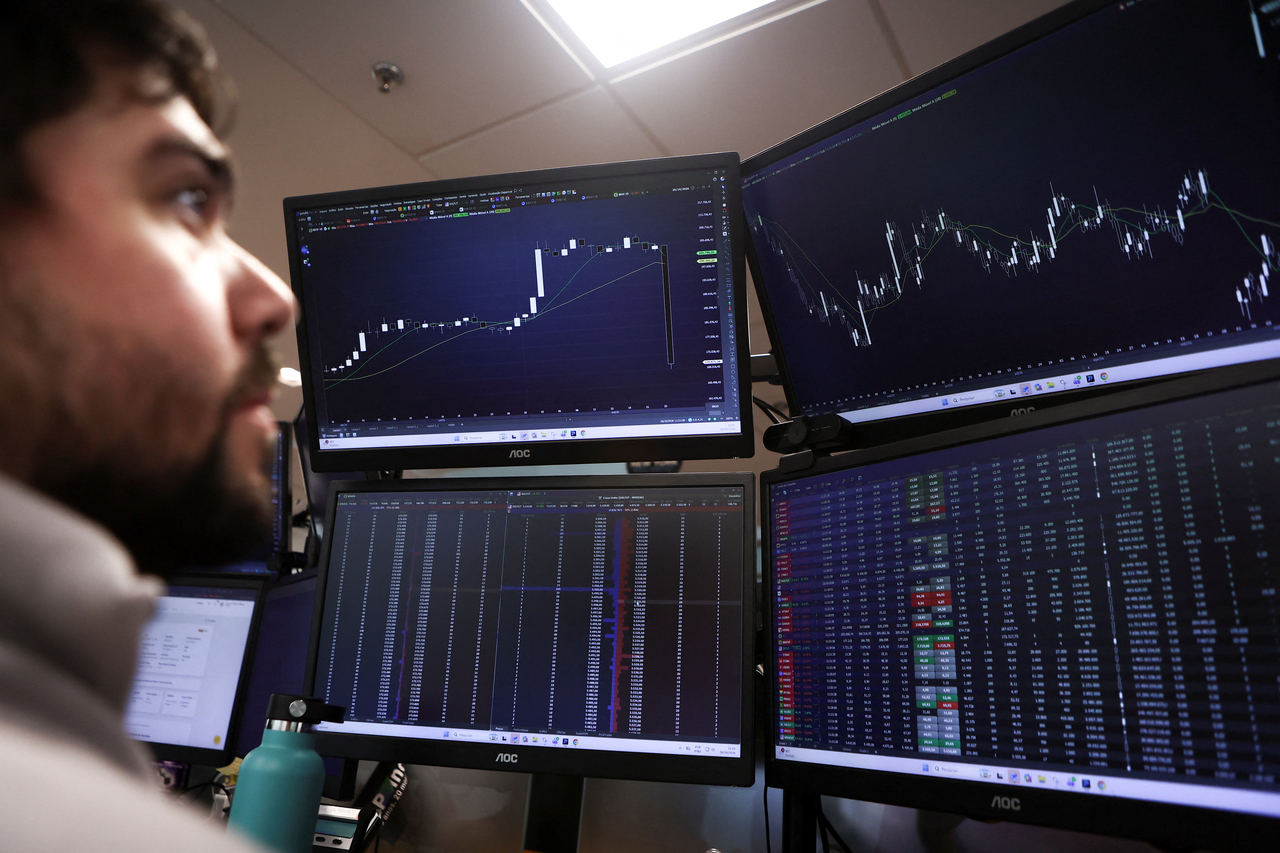
Brazil's economy fell into a panic after President Luiz Inácio Lula da Silva defied market expectations and won reelection, sending the country's currency and benchmark share index down more than 10 percent.
Brazilian stocks were hit with a wave of sell orders the moment markets opened Monday (local time), forcing authorities to trigger a circuit breaker — the first such halt since the COVID-19 pandemic in March 2020, more than six and a half years ago. Brazil's Ibovespa index, the country's equivalent of South Korea's Kospi, fell a further 14 percent even after the circuit breaker was activated, closing 17 percent lower at 169,893 points.
More than half of the stocks in the Ibovespa recorded double-digit losses that day, with some falling as much as 60 percent. Small-cap stocks fared even worse. A small-cap index that includes most listed retailers and homebuilders dropped 27 percent, its largest single-day decline in history.
The market rout also derailed plans by companies that had hoped to raise capital by tapping a post-election rally.
According to Bloomberg, Brazilian companies had anticipated a victory by pro-business candidate Flávio Bolsonaro and drawn up plans to sell shares after the election to build up liquidity — using a market buoyed by the "event effect" to fund follow-on investment.
Companies had planned to raise as much as $6 billion in total, Bloomberg reported. But Lula's victory and the market collapse wiped out those plans. Investment banks had forecast that companies would raise around 30 billion reais over the following six months on the assumption of a Bolsonaro win, but revised their outlook to expect no share sales at all until mid-next year. The companies affected included power distributor Equatorial Energia and toll-road operator Ecorodovias Infraestrutura e Logística.
Companies that had been preparing initial public offerings for next year — including private bank Banco Votorantim and water and sanitation infrastructure firm Aegea Saneamento e Participações — also shelved their plans in the wake of the market collapse.
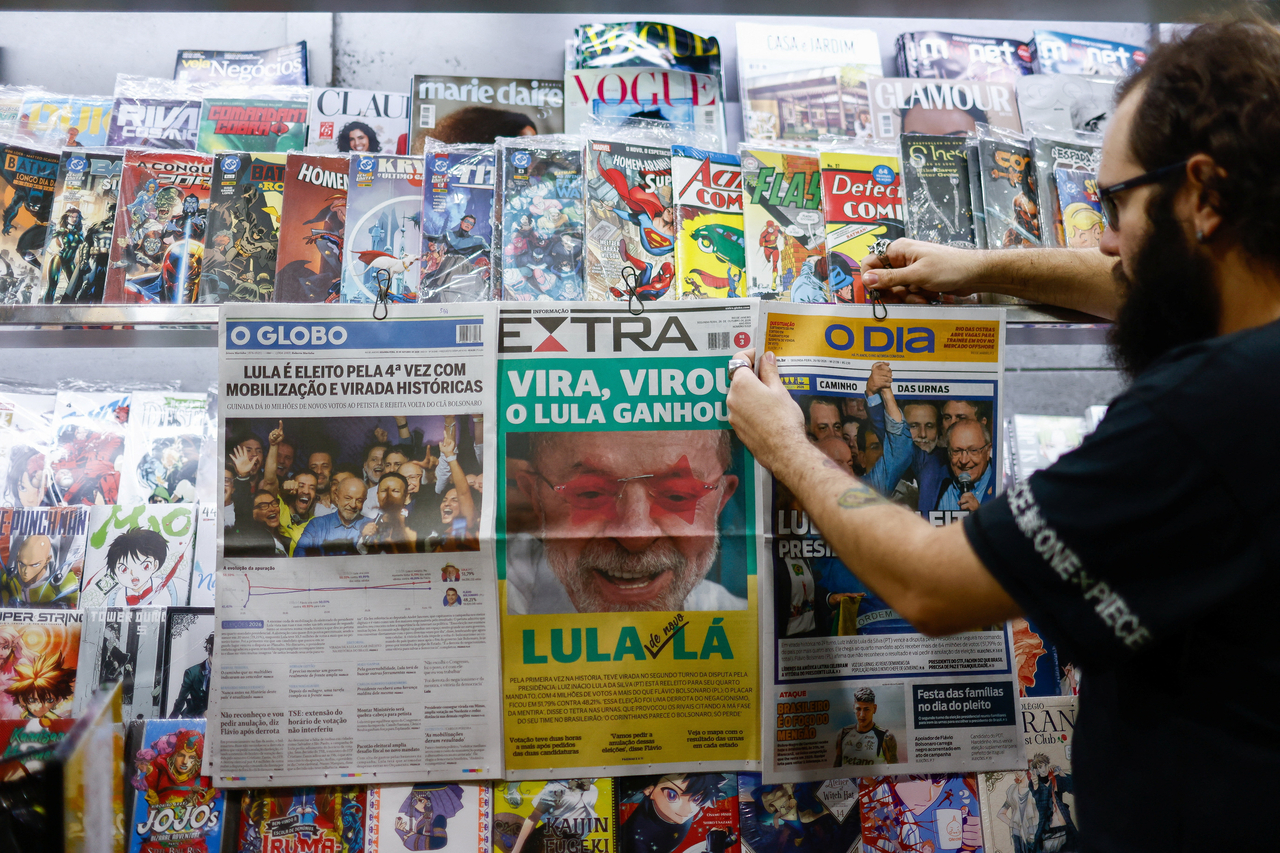
The Brazilian real fell nearly 8 percent in afternoon trading Monday, its largest single-day drop since 1999. The real-dollar exchange rate weakened 10.26 percent to 5.498 reais per dollar, and at one point during the session slid as far as 5.604 reais — a 12.37 percent move that marked the weakest level for the currency since December 2025.
The shock rippled through bond and interest rate futures markets as well. The rate on deposit futures maturing in January next year rose 0.3 percentage points, while the rate on contracts maturing in January 2031 jumped 3.07 percentage points. Swap rates stabilized somewhat after Brazil's Treasury announced it would hold an auction to buy back fixed-rate government bonds. Even so, the sharp selloff in Brazilian assets reflected investor concern that President Lula's policy direction would be insufficient to rein in a nominal fiscal deficit exceeding 9 percent of GDP — a worry analysts said could not be dismissed as temporary.
Bloomberg assessed that the Lula administration would rely primarily on revenue increases to shore up public finances while maintaining social welfare benefits and using credit expansion to stimulate consumption, and that recently announced measures — including debt relief for small businesses — had deepened investor anxiety about the fiscal outlook. "The rhetoric of the campaign is now giving way to economic reality," said Chiara Salgini, a portfolio manager at Vontobel Quality Growth. After Lula's victory, JPMorgan downgraded its recommendation on Brazilian currency and interest rates from overweight to market weight. Brazilian investment bank Bradesco BBI also cut its outlook on Brazilian equities to neutral.
Ales Koutny, head of international rates at Vanguard Active Funds, said the result "means a continuation of current policies — more fiscal spending, inflation staying higher for longer, and more public investment." He added that "the current fiscal situation in Brazil leaves limited room to cut interest rates, and the need to maintain high real rates will persist."
kate01@heraldcorp.com