- All four science and technology institutes hit record application numbers for the 2027 academic year; UNIST and DGIST also set new highs
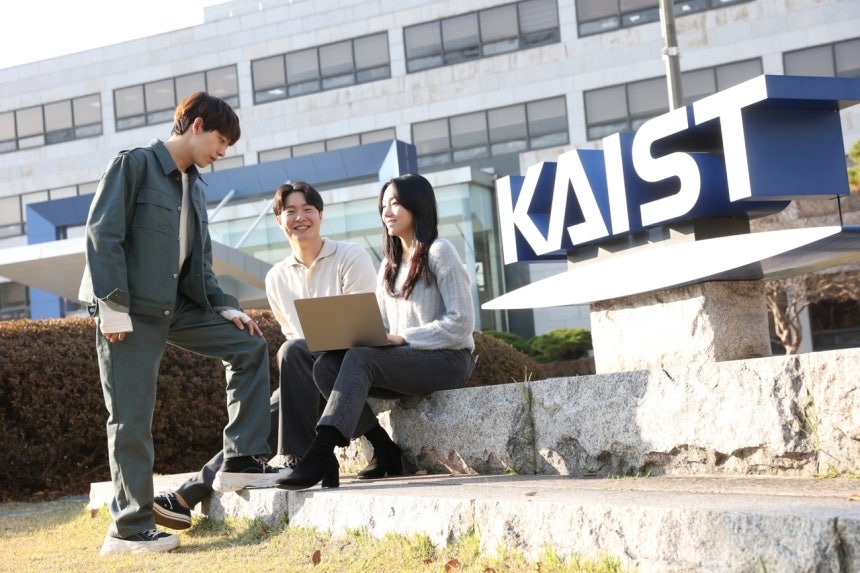
Even as the craze for medical school admissions continues to sweep South Korea, top students are flocking to KAIST in record numbers. Applications for KAIST's 2027 academic year early admissions round surpassed 8,000 — a 20 percent jump from the previous year — pushing the competition ratio to a record 9.7 to 1.
Data submitted to Democratic Party of Korea lawmaker Hwang Jeong-a of the National Assembly's Science, Technology, Information, Broadcasting and Communications Committee by the four science and technology institutes showed that a combined 33,349 students applied for 2,067 spots in the 2027 early admissions round. The overall competition ratio of 16.1 to 1 was the highest since all four institutes began holding early admissions simultaneously in the 2014 academic year.
The total number of applicants rose by 8,926, or 36.5 percent, from last year's 24,423. Compared with the 15,443 applicants in the 2023 academic year, the figure has more than doubled in four years.
Among the four institutes, DGIST recorded the highest ratio at 28.6 to 1, with 9,208 applicants competing for 322 spots — the highest in any of the 14 academic years since it began admitting undergraduates in 2014.
UNIST drew 11,211 applicants for 565 seats, a ratio of 19.8 to 1 and the highest across its 19 academic years of undergraduate admissions since 2009. It was also the first time since the university's founding that early applicants exceeded 10,000.
KAIST attracted 8,394 applicants for 865 spots, a ratio of 9.7 to 1 — up 1.2 points from last year's 8.5 to 1 and the highest in any of the 42 academic years since it first admitted undergraduates in 1986.
GIST received 4,536 applications for 315 seats, a ratio of 14.4 to 1. Despite expanding its intake by 100 students from the previous year, the number of applicants still hit an all-time high.
All four institutes set application records this cycle, with KAIST, UNIST and DGIST each also posting their highest-ever competition ratios.
The surge in applicants has been interpreted as a sign of growing student interest in science and technology fields. However, analysts caution that a rising early-admissions ratio alone is not enough to conclude that the trend toward medical school is easing, and that actual enrollment rates and matriculation patterns will need to be tracked alongside the figures.
"The fact that all four science and technology institutes have hit record competition ratios and record application numbers is a clear signal that more students are choosing the path of science and engineering," Hwang said.
She added that the National Assembly would work to strengthen the career ladder for science and engineering students — including military service exemptions for researchers, improved conditions for research professionals, and support for deep tech startups — so that talented students who enter the institutes can continue their studies and research careers.
nbgkoo@heraldcorp.com