Defense committee chair's visa initially denied, later issued
Remark seen as reference to 1991 National Security Act conviction
Democratic Party lawmaker also faced visa delay
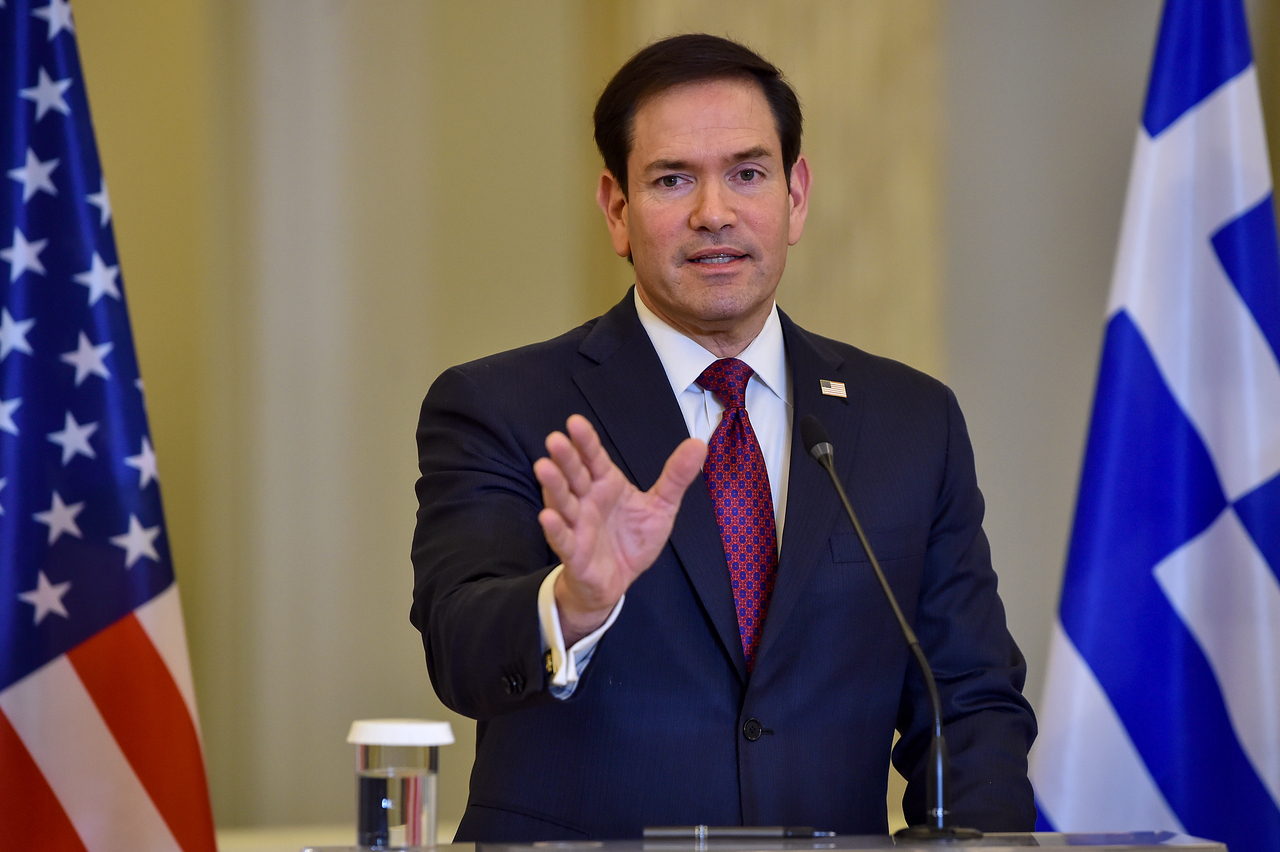
US Secretary of State Marco Rubio said Washington will resolve through bilateral consultations a visa dispute that has strained relations with Seoul, after two South Korean lawmakers faced delays or denials in obtaining US visas.
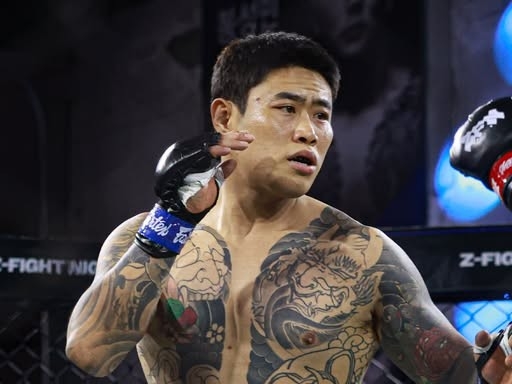
Rubio also suggested that one lawmaker's visa problem may have stemmed from "actions that took place decades ago" — a remark widely interpreted as a reference to the National Security Act conviction on record for National Assembly Defense Committee Chairman Jin Sung-joon.
Speaking at a press conference on the sidelines of the G20 foreign ministers' meeting in Atlanta, Georgia, on Saturday (local time), Rubio addressed concerns that the visa delays and denials could strain the US-South Korea alliance. "We will resolve the visa issue," he said. "There was a problem with the visa of one specific individual, and I think it was probably an issue related to actions that took place decades ago." He added that the matter would be resolved through bilateral consultations rather than at a press conference.
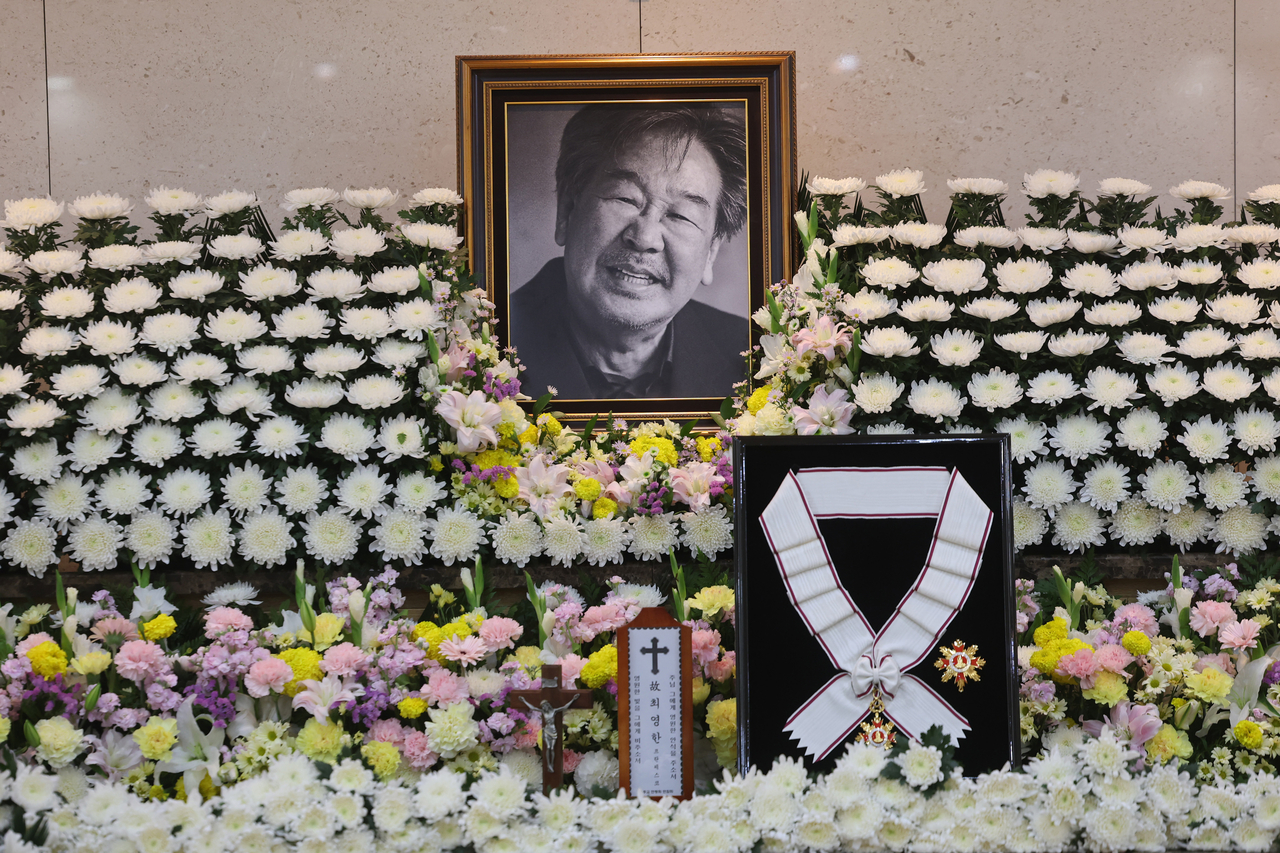
The dispute involves two lawmakers. Democratic Party of Korea lawmaker Jung Chung-rae had sought to join the National Assembly Foreign Affairs and Unification Committee's national audit trip to the Americas earlier this month, but a visa delay forced a change of plans and Jung joined the European leg of the audit instead. Jung said at the time that the US visa screening had not been completed, making the American leg of the trip impossible.
Jin drew wider attention after publicly disclosing that a diplomatic visa application had been denied ahead of a planned visit to US Indo-Pacific Command. The visa was subsequently issued, allowing the trip to proceed. Jin was sentenced in 1991 to three years in prison and three years of suspended civil rights for violating the National Security Act — the background observers cite when interpreting Rubio's reference to "actions decades ago." Rubio, however, did not name the lawmaker directly.
The two sides offered differing assessments of whether the back-to-back visa problems signal broader tensions. Foreign Minister Cho Hyun said before traveling to the United States that the visa issue was unrelated to the overall state of the bilateral relationship, while also indicating the matter would come up in talks with Rubio. The two ministers held a separate bilateral meeting in Atlanta to discuss the visa issue and other pending matters.
Rubio's remarks were taken as a signal that Washington intends to work through the issue diplomatically. The specific reasons behind Jung's visa delay and Jin's initial denial have not been made public, and attention is now turning to whether future bilateral consultations will shed light on the screening criteria and procedures involved.
attom@heraldcorp.com