Ministry of Planning and Budget shares findings from in-depth interviews with 24 young Koreans; AI job losses, regional infrastructure gaps among top concerns
"Companies only want people with experience, so I can't even try anything." — male university student, age 22
"Can I really buy a house and plan my life on what I'm earning?" — male office worker, age 30
Those were among the voices the government gathered as it works to build a "2045 National Development Strategy." University students cited the difficulty of landing a first job as their primary source of anxiety, while working adults pointed to the near-impossibility of planning for housing, marriage and children. Across both groups, young Koreans said they want not just economic growth and technological advancement, but a daily life in which they can feel secure in housing, healthcare, education and employment.
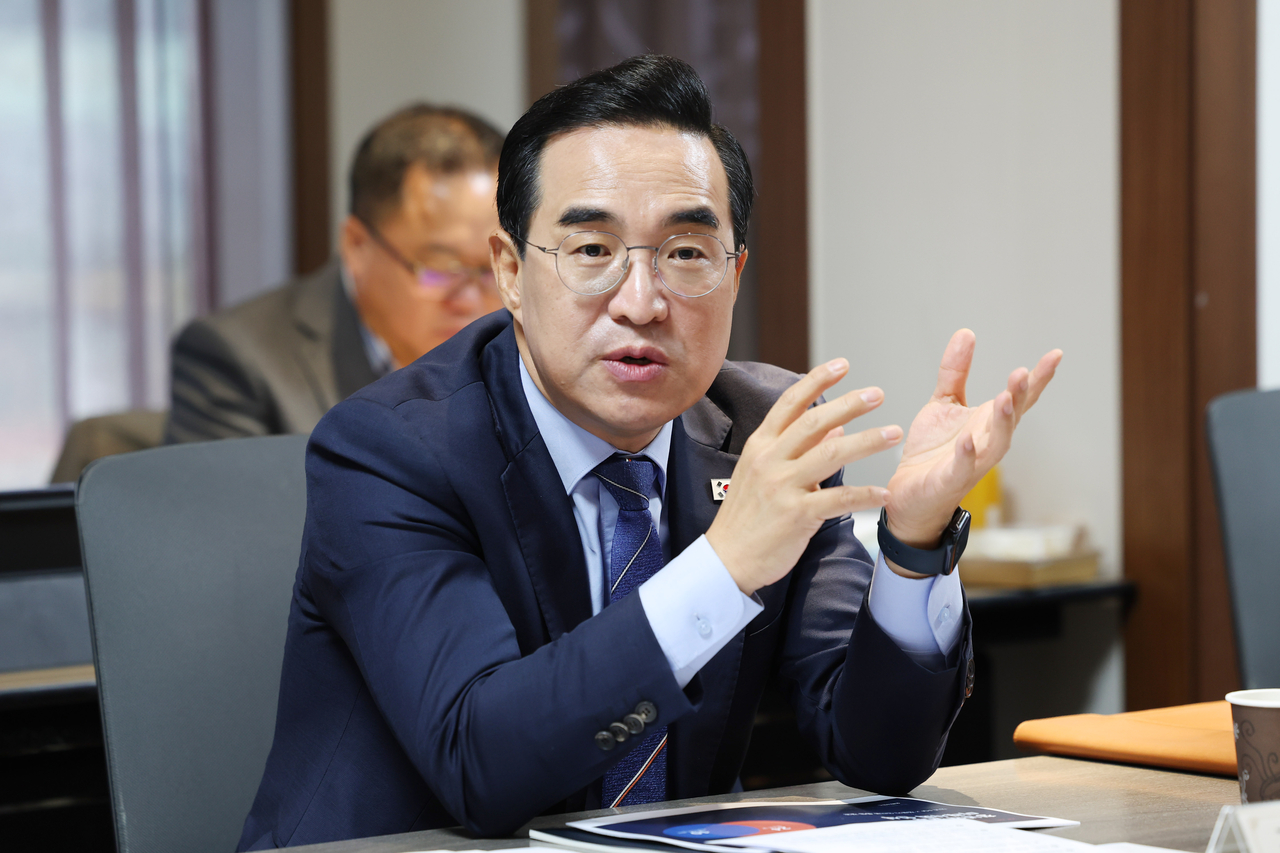
The Ministry of Planning and Budget said Monday it held a future strategy advisory council meeting at SpaceShare's conference room in Yongsan-gu, Seoul, chaired by Minister Park Hong-keun, to discuss findings from focus group interviews with young Koreans and the broad outlines of the 2045 National Development Strategy.
The interviews followed a first-round public survey whose results were released July 29. A total of 24 participants took part in the in-depth sessions — university students between the ages of 19 and 26, and office workers between 30 and 34 — and the views of 10 experts were also collected. Because the research was a qualitative study of a small group, its findings cannot be generalized to all young Koreans.
Participants identified structural uncertainty — the difficulty of predicting where personal effort and choices will lead — as the backdrop to their anxiety. University students said hiring practices that favor experienced candidates and demand credentials even from new graduates make it hard to enter the labor market at all. Calls also emerged for more opportunities to gain hands-on experience through field training and internships.
Working adults said that even after finding jobs, planning for housing and starting a family over the long term remains out of reach. Job insecurity driven by the spread of AI was a shared concern: most participants worried that AI development would shrink the overall number of jobs. University students suggested expanding talent development, research and development investment, and access to new technologies as responses, while working adults focused on closing gaps in the ability to use those technologies.
A lack of quality jobs and everyday infrastructure was cited as the main reason young people leave their home regions.
A 20-year-old university student said young people do not avoid the regions because they do not want to live there, but because they cannot — pointing to the concentration of employment opportunities in the greater Seoul area. Gaps in healthcare, cultural and transportation infrastructure were also raised as factors making it hard to settle outside the capital region.
On demographic change, participants said improvements to childbirth and child-rearing conditions are needed alongside realistic measures to prepare for population decline. Some expressed concern about rising demand for medical and long-term care as the population ages, and about the long-term sustainability of the welfare system.
A sense of distance from policymaking also surfaced. Twenty-three of the 24 interview participants said they had never taken part in any policy process. Many questioned whether raising their voices would actually lead to change, and called on the government to show how young people's proposals have been reflected in policy.
The future young Koreans said they want by 2045 is one with less cutthroat competition, fewer comparisons, and reduced conflict across generations, genders and regions — a society where they can make their own choices and enjoy a stable everyday life. They also called for government policy to go beyond short-term fixes and follow through on medium- and long-term plans.
Experts at the meeting advised against treating young Koreans as a single bloc, urging instead that disparities by education level, assets, employment type and place of residence be examined separately. They proposed that the national strategy aim for a society where starting conditions have less bearing on life outcomes, where people can recover from failure, and where young people participate as architects of the future rather than as passive recipients of policy.
Advisory council participants agreed that the national development strategy should address problems that emerged during Korea's compressed growth — including polarization — while systematically preparing for demographic shifts, regional depopulation and climate change. They also noted that the AI transformation and the reshaping of the international order present opportunities as well as challenges, and called for a strategic approach.
"We are actively identifying tasks to support the future that young Koreans — the driving force of tomorrow's society — want to see," Park said. "We will draw up the strategy with the spirit of designing a new century."
The ministry said it plans to encourage public participation throughout the strategy development process and produce a 2045 National Development Strategy that resonates with and is felt in the lives of ordinary citizens.
fact0514@heraldcorp.com