Liver cancer marker drops to 3.1 after five rounds of chemotherapy
Liver function improves without surgery as ascites and edema clear
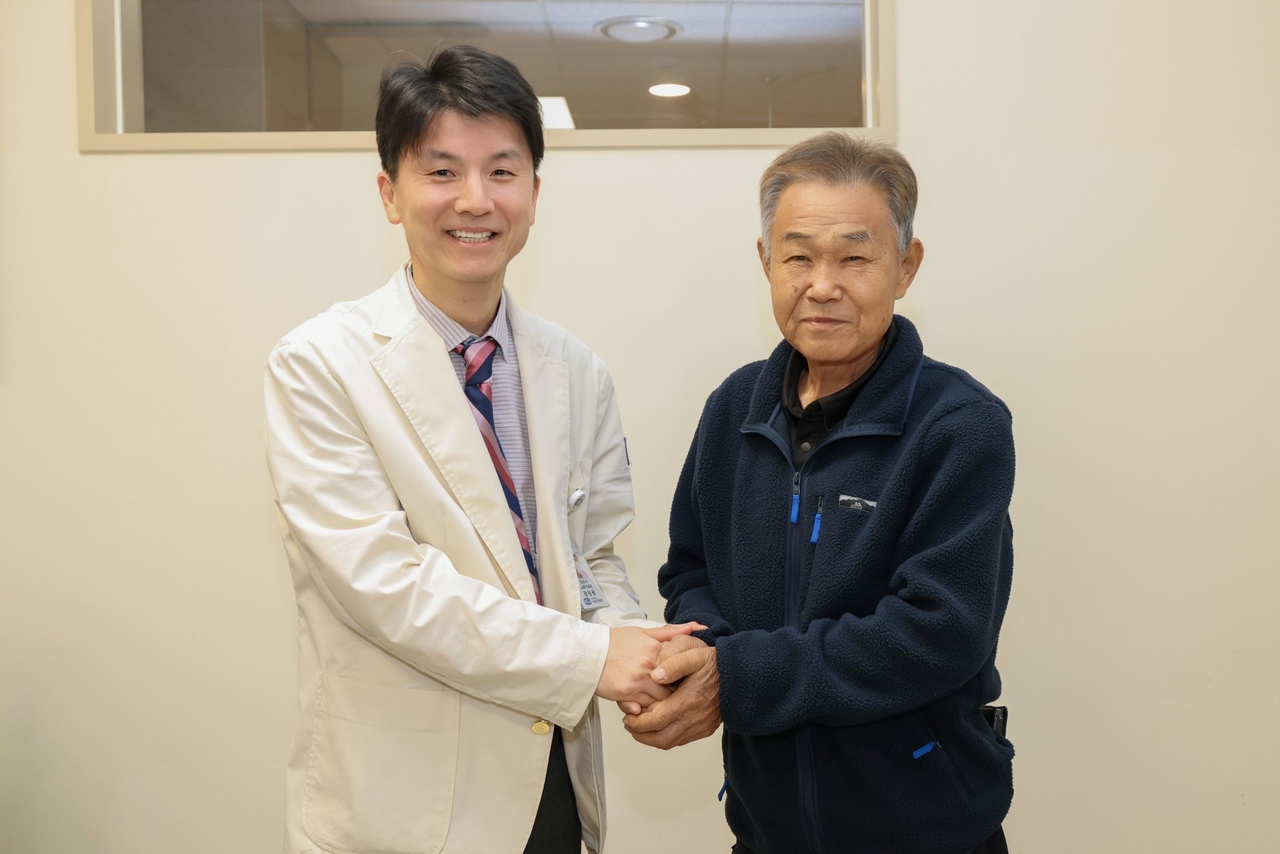
A patient in their 70s diagnosed with terminal liver cancer has seen liver function improve and tumor marker levels return to normal through chemotherapy alone, without surgery. A liver cancer marker that had surged to 56,000 at the time of initial diagnosis fell to 3.1 after five rounds of treatment.
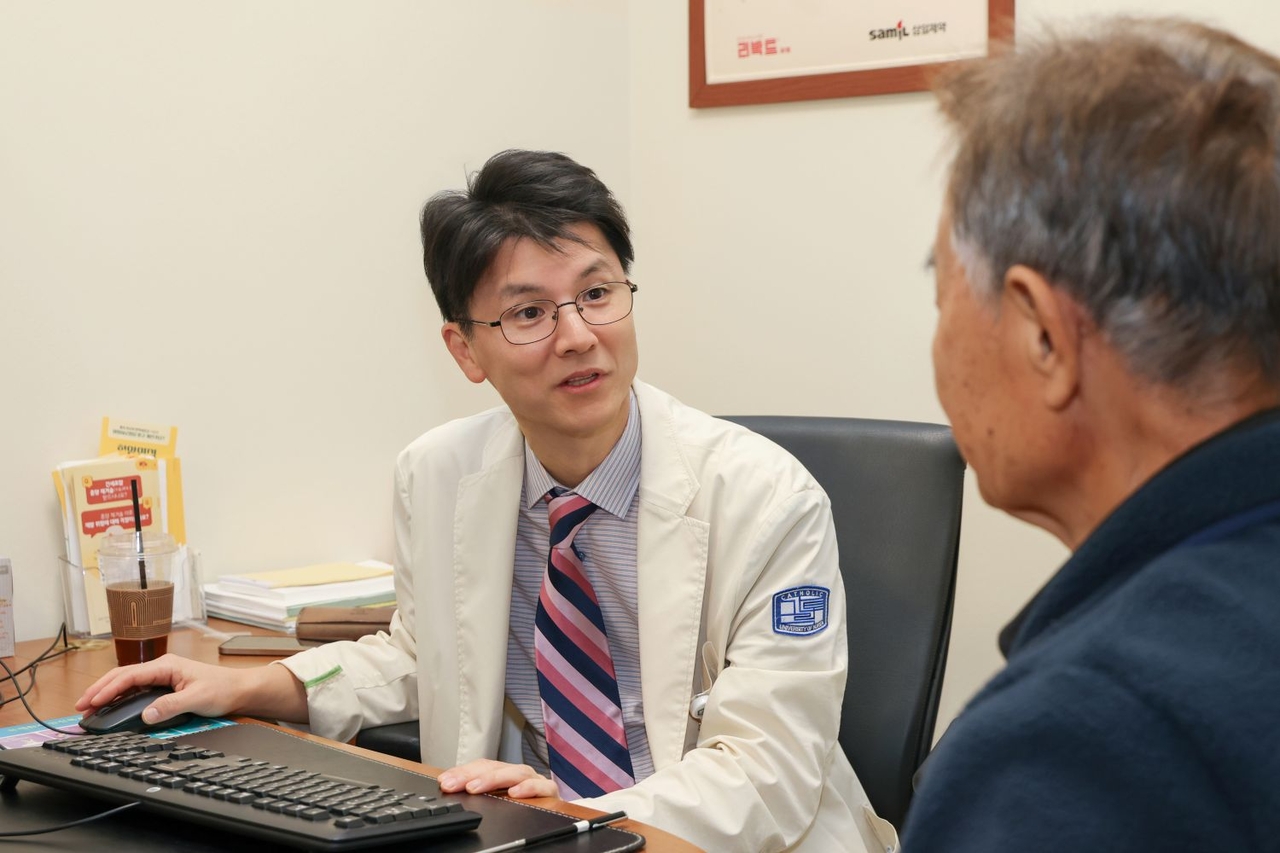
The Catholic University of Korea Seoul St. Mary's Hospital announced Tuesday that a research team led by Professor Jang Jeong-won of the Liver Cancer Center administered hepatic arterial infusion chemotherapy to a 77-year-old patient with advanced liver cancer, achieving significant improvements in both tumor markers and liver function.
The patient, identified only by the surname Cho, had been working in livestock farming in Cheongju, North Chungcheong Province, when sudden abdominal pain and bloating prompted a hospital visit early this year. After a preliminary assessment raised suspicions of liver cirrhosis, Cho underwent detailed testing at Seoul St. Mary's Hospital in February and was diagnosed with terminal-stage advanced liver cancer.
At the time, cancer cells had occupied most of the right lobe of the liver and spread to the left lobe. The tumor had extensively invaded the portal veins on both sides, and the condition was accompanied by ascites and severe deterioration of liver function.
The broad extent of the tumor, combined with major vascular invasion and severely compromised liver function, made it difficult to apply standard immunotherapy or targeted anticancer drugs. Even determining a course of treatment was no straightforward task.
After a multidisciplinary discussion, the medical team at Seoul St. Mary's Hospital's Liver Cancer Center decided to proceed with hepatic arterial infusion chemotherapy, or HAIC.
HAIC involves implanting a drug-delivery port beneath the skin and connecting a catheter to the hepatic artery to deliver anticancer drugs directly to the liver. By concentrating the medication in the liver, the approach enhances the therapeutic effect on the tumor while reducing systemic drug exposure and side effects.
However, the treatment requires inpatient care and significant medical personnel and equipment. The hospital noted that few medical institutions now offer HAIC, as immunotherapy drugs available on an outpatient basis and oral targeted anticancer agents have become the more common options.
Cho went on to receive five rounds of chemotherapy. A blood test conducted Oct. 23 to assess treatment progress showed that alpha-fetoprotein, a liver cancer tumor marker, had dropped from 56,000 at the time of initial diagnosis to 3.1 — within the normal range.
Overall liver function and general health also improved. Ascites and edema cleared, and no jaundice appeared. Albumin levels, which reflect the liver's protein synthesis capacity and nutritional status, rose from 2.7 to 3.5.
Even during treatment, Cho has been spending time with family, including attending judo competitions in person to cheer on a middle-school-aged granddaughter, Cho Seo-yeon, who took first place at the National Youth Sports Festival.
Cho's second son said the moment that stayed with him was when his father, after receiving the terminal diagnosis, said, "I need to live to see Seo-yeon make the national team — this is serious." "I sincerely thank Professor Jang Jeong-won and the medical team for giving us more time with our father," he added.
Liver Cancer Center Director Jang Jeong-won, a professor of gastroenterology, said: "When the patient first came to us, the condition was so poor that it was difficult to even discuss life expectancy, and I was deeply worried. I am glad that, fortunately, the ascites and edema have cleared after treatment and the test results have improved considerably."
Meanwhile, Seoul St. Mary's Hospital published research in August showing that HAIC can be an effective treatment option for patients with advanced liver cancer. A research team led by Professor Seong Pil-su analyzed 90 patients and found that the tumor response rate among those who received HAIC was 35.3 percent, compared with 5.1 percent in the group treated with oral targeted anticancer drugs.
woo@heraldcorp.com