National Health Insurance Service flags separately taxed income categories in national audit report; equity concerns drive push to broaden premium base
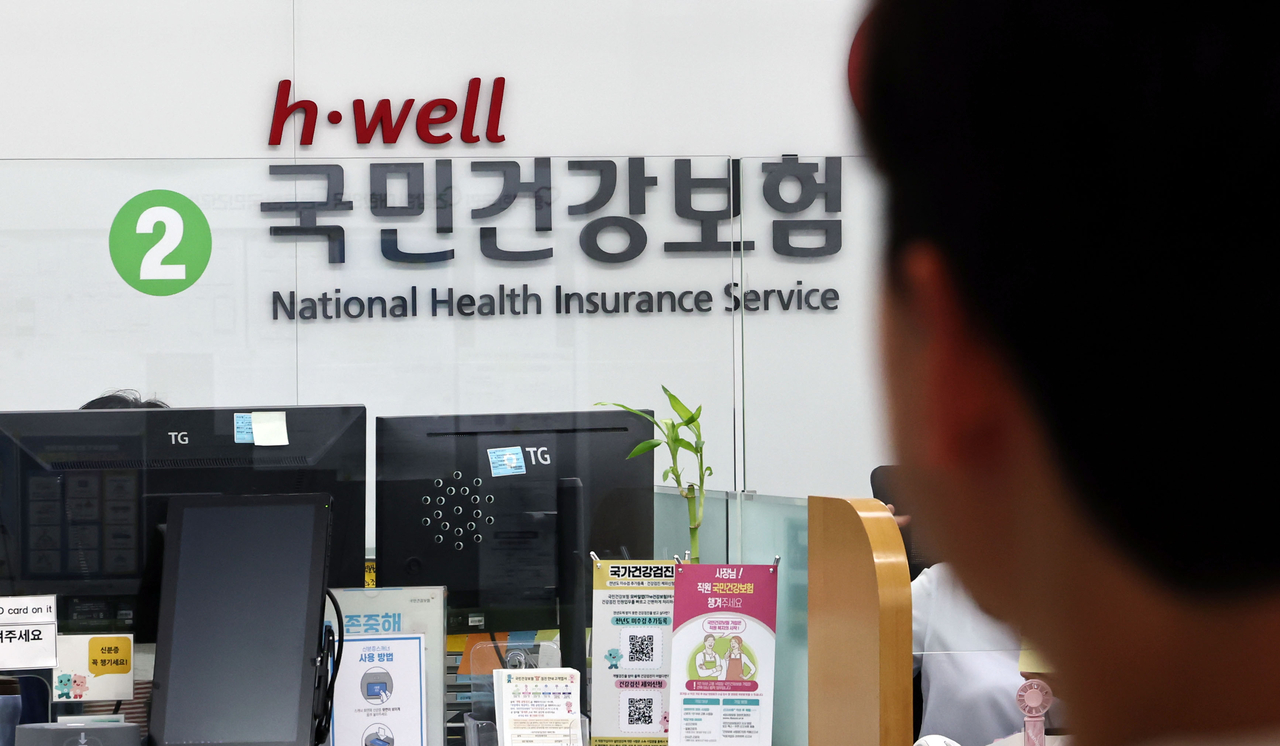
South Korea is considering extending national health insurance premiums to daily wage income and certain financial and pension earnings that are currently taxed but excluded from premium calculations. The move aims to address an imbalance in which salaried workers and the self-employed pay premiums on their income while some separately taxed income streams remain exempt.
According to the National Health Insurance Service's national audit report submitted Wednesday to the National Assembly's Health and Welfare Committee, the agency listed "pursuing premium levies on income subject to separate taxation" as a key task for improving fairness and equity in the premium system.
Separate taxation refers to a method of taxing certain income streams independently rather than combining them with other income. Not all separately taxed income is automatically subject to health insurance premiums. Separately taxed rental income from housing and interest and dividend income exceeding 10 million won ($7,460) per year are already factored into premium calculations, but some other separately taxed income categories remain exempt.
Daily wage income is the most prominent example. Even though payment records are submitted to the National Tax Service, making the income traceable, it is not reflected in premium calculations for regionally insured subscribers. Cases in which workers earn substantial income across multiple job sites yet remain dependents under a family member's workplace health insurance plan — paying no premiums of their own — have been cited as an equity problem.
Income from certain financial products is also under review. This includes dividends from high-yield funds and separately taxed earnings from individual savings accounts (ISA) that exceed the tax-exempt threshold. Such income has not been subject to health insurance premiums due to insufficient tax data or a lack of legal basis.
Separately taxed income from private pensions — including pension savings accounts and individual retirement pension (IRP) plans — as well as separately taxed miscellaneous income such as manuscript fees and consulting fees are also part of the discussion. Manuscript fees and similar payments may be subject to separate taxation when net miscellaneous income after deducting necessary expenses falls at or below 3 million won per year.
The agency is examining a phased approach to incorporating separately taxed labor and asset income from those with the ability to pay into the premium system. The goal is to reinforce the principle of income-based premiums — ensuring contributions reflect actual earnings — while broadening the financial base of the national health insurance program.
The expansion remains at the review stage. Before any implementation, authorities would need to define the specific scope of applicable income, the criteria for reflecting it in calculations, and the method for linking tax data. How to narrow the burden gap across income types while adjusting the load on daily wage workers with irregular earnings and retirees who depend on private pensions remains an open question.
fact0514@heraldcorp.com