First quarterly operating loss since 2010 listing amid prolonged earnings slump
IT demand weakness, chip inflation and intensifying competition create triple headwind
DDI dependence persists despite outside Samsung hire
MCU and thermal substrate ventures must now deliver profits
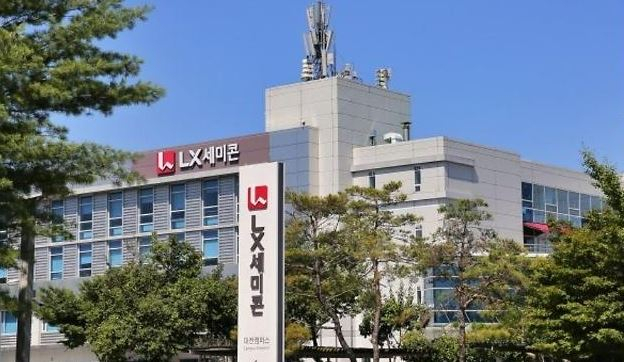
LX Semicon, South Korea's largest fabless semiconductor designer, has replaced its chief executive for the first time in three years, raising questions about whether the company can pull out of a prolonged earnings slump.
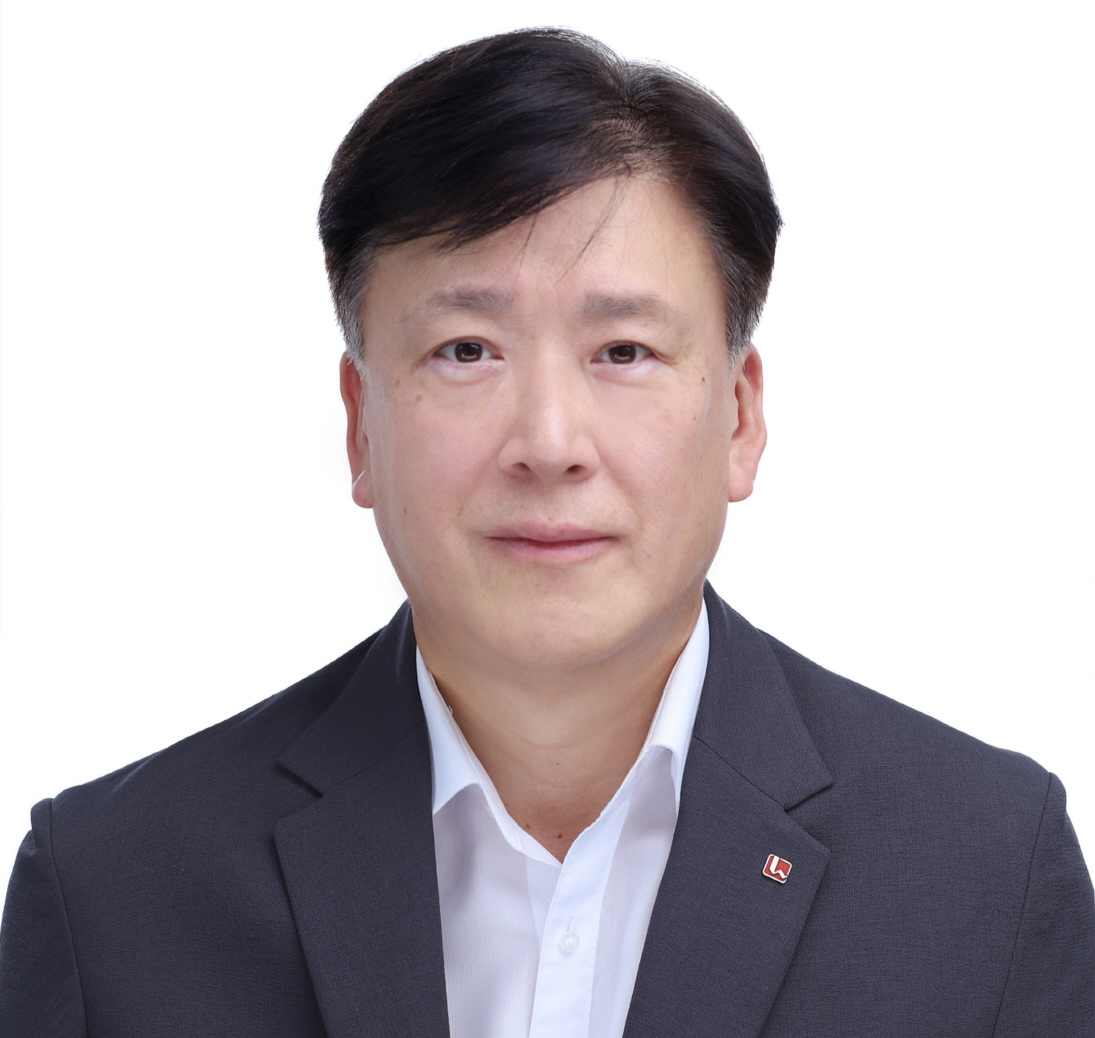
The company had previously brought in an outsider from Samsung to lead it, but this time chose Executive Vice President Na Jun-ho, an internal candidate, as its new head.
The incoming CEO faces the immediate task of diversifying a revenue structure heavily skewed toward display driver ICs (DDI) and quickly putting new business ventures on a stable footing.
LX Semicon posted an operating loss of 15.6 billion won ($11.6 million) in the third quarter of this year, according to industry sources Wednesday. It was the first quarterly operating loss since the company's listing in 2010. Sales fell 14.8 percent from the same period a year earlier to 336 billion won.
LX Semicon has been on a downward trajectory for four consecutive years since becoming the first domestic fabless company to surpass 2 trillion won in annual sales in 2022. Annual sales last year fell to 1.69 trillion won, with operating profit dropping to 108.9 billion won. Cumulative sales through the third quarter of this year stood at 1.13 trillion won, with operating profit of just 27 billion won, making another year-on-year decline all but inevitable.
The company's heavy reliance on DDI products has been cited as a key factor behind the deteriorating profitability. DDI accounted for 81 percent of total sales in the third quarter.
DDI is a semiconductor essential to televisions, smartphones, PCs, laptops and smartwatches, enabling screens to render colors with greater variety and clarity. That makes the chip highly sensitive to fluctuations in demand for IT products.
Large-panel DDI has suffered from weak demand as the television market has remained depressed for the past three years. Mobile DDI has seen its position further squeezed by intensifying competition, even as rising memory chip prices have dampened overall IT product demand.
LX Semicon had been the sole supplier of DDI for Apple iPhone OLED panels made by LG Display, but its market share eroded after Taiwan's Novatek entered the supply chain in 2024.
Rising foundry process costs have also weighed on profitability, as LX Semicon outsources its chip production.
The leadership change is expected to prompt LX Semicon to focus on reducing its dependence on DDI revenue while increasing the profit contribution of new businesses, including automotive microcontroller units (MCU) and thermal substrates.
LX Group Chairman Koo Bon-joon has a strong attachment to the semiconductor business — he took Silicon Works, the predecessor of LX Semicon and the group's only semiconductor affiliate, with him when LX Group separated from LG Group in 2021.
In November 2023, the company made an unusual move by recruiting Lee Yun-tae, a veteran of Samsung Electronics and Samsung Electro-Mechanics, as CEO to pursue external expansion. Three years on, it has returned to an internal appointment to regroup.
Na, the CEO-designate, joined LX Semicon in 2001 after working at LG Semiconductor. Born in 1968, Na is eight years younger than outgoing CEO Lee, who was born in 1960.
Since 2024, Na has headed the strategic marketing division, overseeing marketing, sales, procurement and supply chain management for new businesses including MCU and thermal substrates.
LX Semicon achieved its first milestone in the automotive MCU segment in August, when it began supplying the chips to Hyundai Motor and Kia. The company also plans to expand its thermal substrate business as heat management grows increasingly important in automotive inverters, electronic components and renewable energy applications.

joze@heraldcorp.com