16 violations in October, double September's count
7 in 10 Kosdaq firms flagged over failed fundraising plans
Repeated breaches raise delisting fears
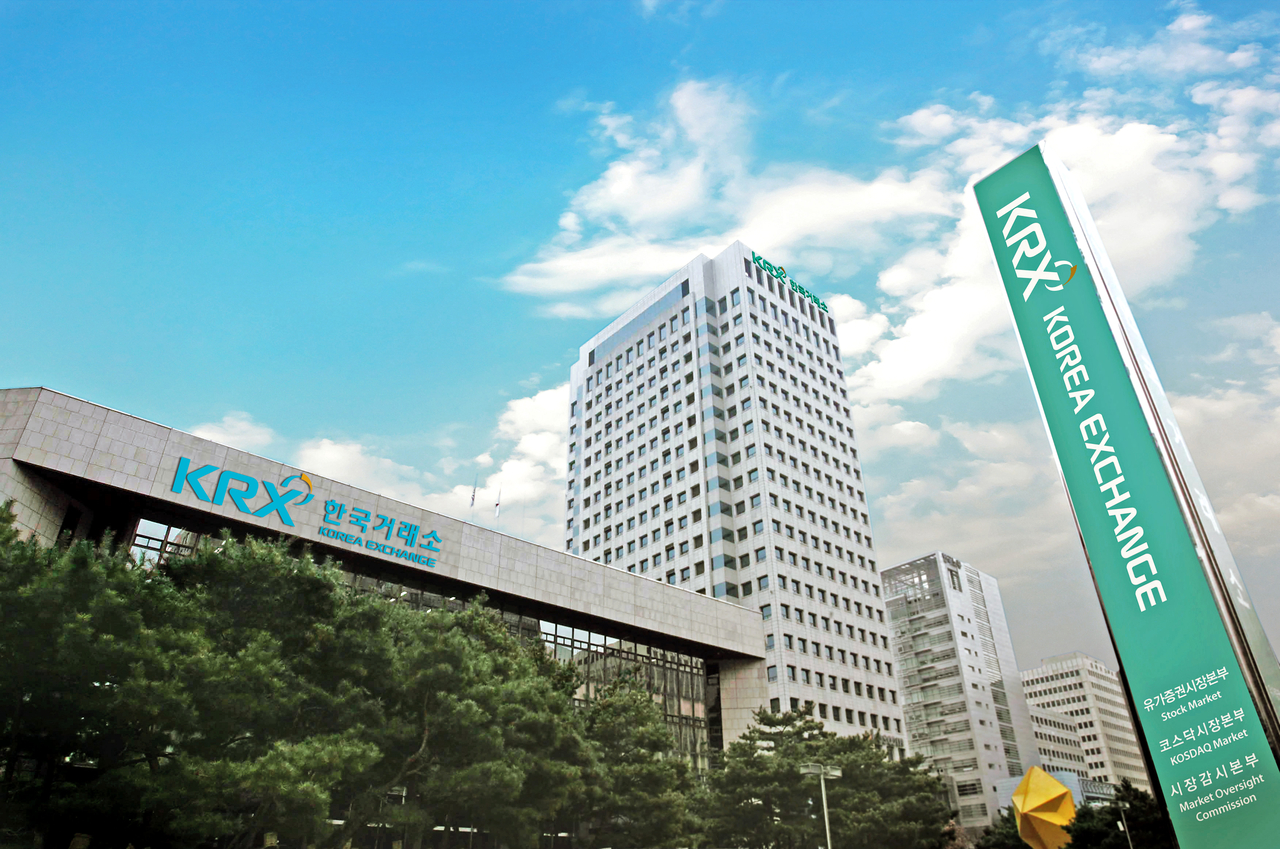
As prolonged high interest rates squeeze corporate financing, a growing number of Kosdaq-listed companies are being designated "unfaithful disclosure entities" after withdrawing or delaying plans for rights offerings and convertible bond issuances. Seven out of 10 flagged Kosdaq firms reversed their fundraising disclosures, raising concerns that deteriorating corporate finances are eroding investor confidence and threatening listing status.
According to Korea Exchange, the total number of unfaithful disclosure designations in October reached 16 — double the eight recorded in September and the highest monthly figure of the second half of this year. Monthly tallies had stood at 12 in July, seven in August and eight in September before surging to 16 in October. Of the October designations, Kosdaq-listed companies accounted for 10, followed by four on the KOSPI market, one on the Konex market and one asset management firm.
Among the 10 Kosdaq firms designated, seven — or 70 percent — reversed or amended disclosures related to fundraising activities such as rights offerings or convertible bond issuances. Hyper Corporation, CrowdWorks, Carrie, Agent AI and Thumbage all withdrew decisions to proceed with rights offerings. Alpha AI rescinded a plan to acquire shares and equity securities in another company worth 5 billion won ($3.73 million), then reversed its decisions to issue 18th-tranche convertible bonds worth 3.5 billion won and 19th-tranche convertible bonds worth 5 billion won. Bigtents changed the payment date for a rights offering by more than six months and subsequently altered the payment date for a convertible bond issuance on two separate occasions, each time by more than six months. The violations stemmed from originally disclosed fundraising plans falling through or being delayed.
The penalties were not light. Alpha AI received 12.2 penalty points for reversing its share acquisition and convertible bond issuance decisions. Carrie was assessed 10 penalty points, while Bigtents was fined 40 million won.
The trend reflects a broader deterioration in corporate financing conditions under the high-rate environment. The yield on the 10-year US Treasury note surpassed 5 percent annually in mid-September before climbing to around 5.3 percent in early October. It has since eased somewhat but remains elevated at 4.91 percent. Market analysts say that as prolonged high rates and fears of an economic slowdown worsen financing conditions, more companies are failing to attract investment or are pulling convertible bond issuances, forcing them to revise or retract earlier disclosures.
A survey on corporate financing conditions and policy challenges released by the Korea Chamber of Commerce and Industry in the second half of this year found that 204 non-financial companies — 102 listed and 102 unlisted — cited "loan interest burden from high interest rates" as their most pressing problem, at 48.5 percent. That was followed by "increased market and regulatory volatility" at 17.2 percent, "rising corporate bond issuance costs" at 16.7 percent and "restrictions on new share issuances" at 14.7 percent.
Repeated disclosure violations also put listing status at risk. Korea Exchange imposes penalty points and fines on unfaithful disclosure entities and can take additional measures — including trading halts and placement on a watchlist — based on accumulated penalty points. In July, financial regulators tightened the threshold for a substantive review of listing eligibility based on cumulative disclosure penalty points over the preceding year, lowering it from 15 points to 10.
Hong Ji-yeon, a senior researcher at the Korea Capital Market Institute, said the sanctions and warning functions for disclosure violations are working to some degree, but their capacity to encourage preventive measures and improve internal controls is limited, leading some companies to repeat the same types of violations. "Rather than simply tightening sanctions, the system needs to be improved in a way that strengthens internal disclosure management frameworks and accountability within companies," Hong said.
Hong added that "in particular, there is a need to strengthen management and support systems so that repeat violators can improve their disclosure management capabilities and internal controls."

hajun825@heraldcorp.com