- KASA moves toward full SKAO membership, expanding cooperation
- 48.3 billion won earmarked for early-universe and galaxy research
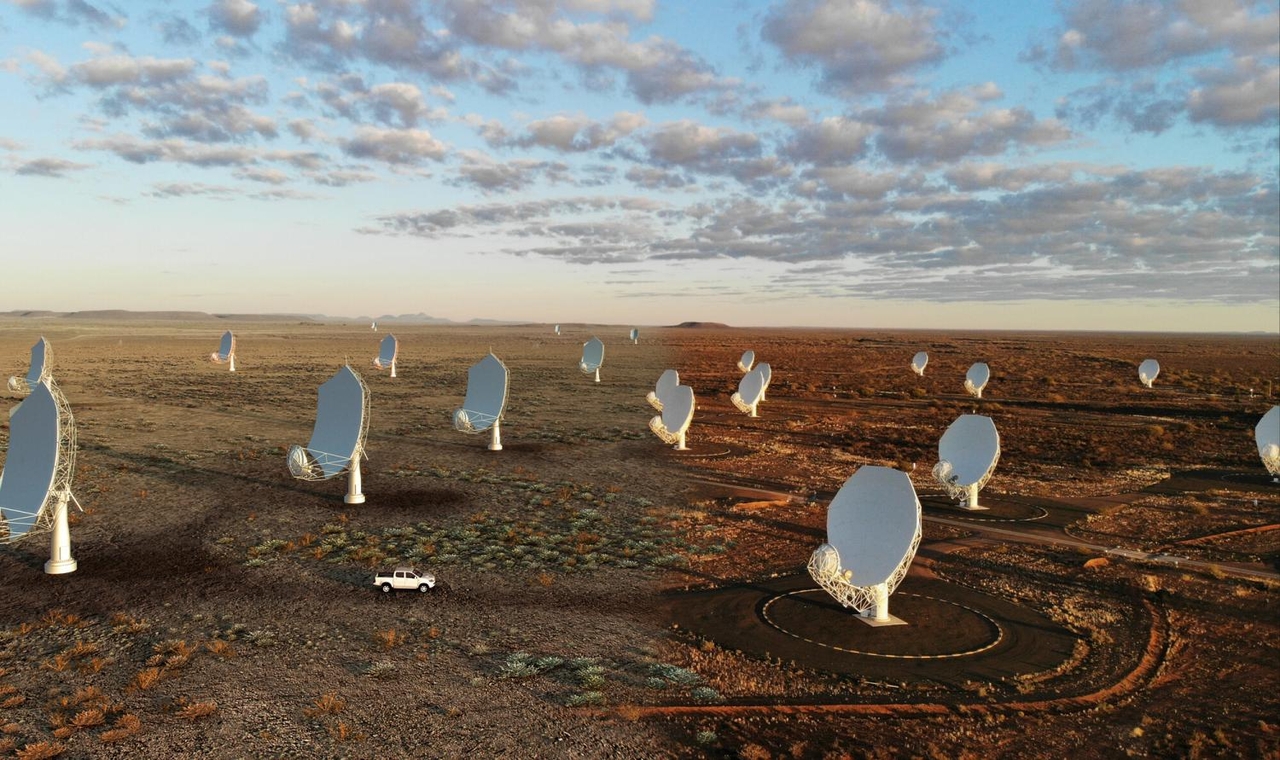
South Korea will participate in the construction of the world's largest radio telescope, a project aimed at uncovering the origins of the universe and searching for signs of extraterrestrial life.
The Korea AeroSpace Administration said Wednesday it attended an event at the British Embassy in Seoul marking the visit of SKAO Director-General Jessica Dempsey, where officials discussed South Korea's path to full membership and ways to expand international cooperation.
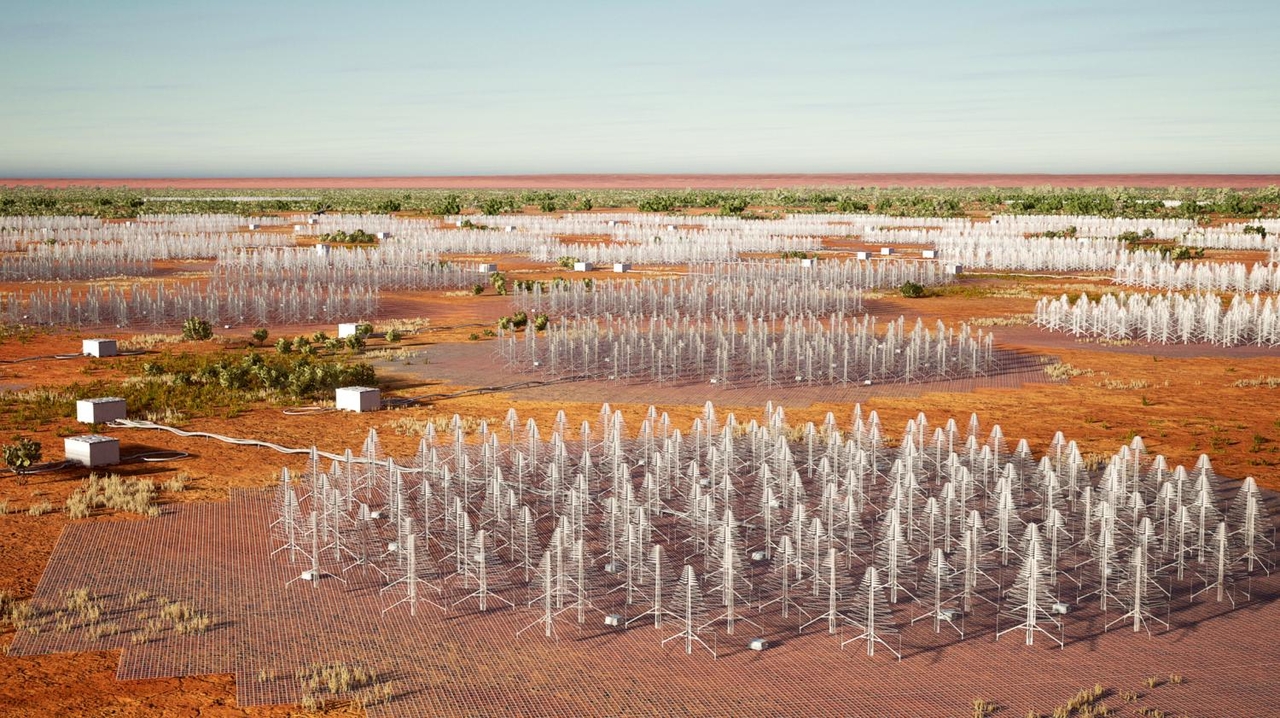
The SKA Observatory is an intergovernmental organization with 16 member countries, including the United Kingdom, Germany and France. It is leading the construction and operation of the Square Kilometre Array, or SKA — the world's largest radio telescope — across sites in Western Australia and South Africa.
The SKA will have a total collecting area of one square kilometer, enabling it to detect faint radio signals from space to trace the early universe after the Big Bang and track the formation and evolution of galaxies. It is also expected to support the search for extraterrestrial life and probe regions of the cosmos that existing telescopes cannot observe.
The event brought together officials from the British Embassy, KASA and the Korea Astronomy and Space Science Institute. The two sides shared updates on South Korea's membership application and discussed participation in SKA construction and operations, technology development, and astronomical research cooperation.
South Korea is working toward full SKAO membership by 2027, a process that requires approval from the SKAO Council and completion of domestic ratification procedures.
Full membership would give South Korea voting rights in major SKA policy decisions. It would also open broader opportunities for South Korean companies to participate directly in the construction and operation of the telescope.
The SKAO operates a Fair Work Return system, under which construction and operational contracts proportional to each member country's financial contributions are allocated to companies and institutions from that country.
South Korean companies are expected to secure participation opportunities across a range of fields, including advanced telescope equipment and components and information and communications technology.
To that end, KASA is pursuing a large-scale international radio telescope construction project with a total budget of 48.3 billion won ($36 million) running from 2025 to 2031.
Key activities include participation in SKA construction and operations, related technology development, astronomical research, and the establishment of an SKA data center in South Korea. The initiative aims to build a domestic research infrastructure capable of processing large-scale cosmic observation data, strengthening the competitiveness of South Korea's astronomy community.
"The director-general's visit at this pivotal moment ahead of our full membership will serve as a turning point for cooperation between South Korea and the SKAO," KASA Administrator Oh Tae-seok said. "After joining, we will make a tangible contribution to the international community through Korean companies' participation in SKA construction and operations and the establishment of a data center, and ensure that this translates into real achievements for our researchers."
nbgkoo@heraldcorp.com