Pro-Netanyahu bloc wins 53 seats, anti-Netanyahu bloc 48, Arab parties 19
Election commission certifies results, dismisses Netanyahu allies' fraud claims
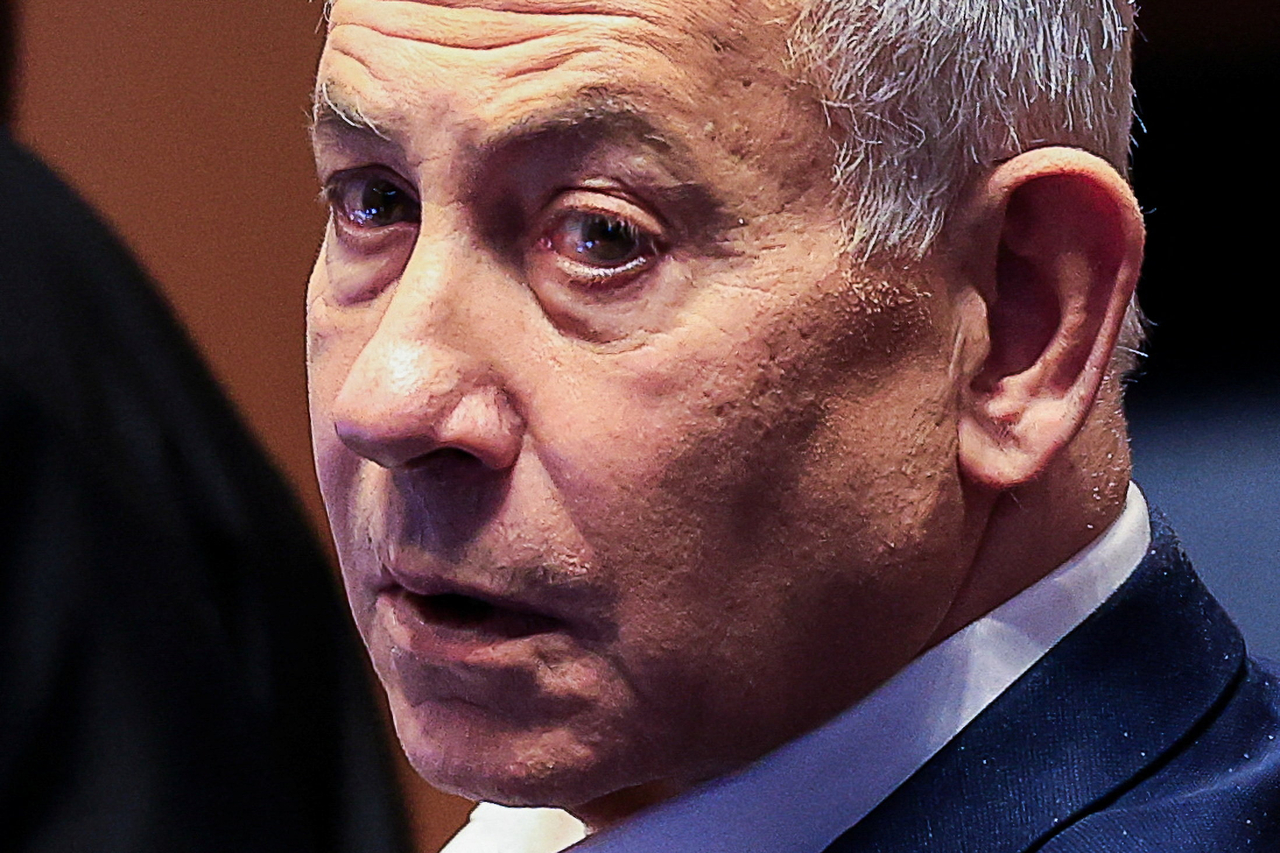
Israel's National Election Commission has shrugged off allegations of electoral fraud raised by Prime Minister Benjamin Netanyahu's camp against Arab political parties.
The commission said Wednesday (local time) that after auditing 9,069 polling stations following post-vote objections, it was confident the announced results accurately reflected voters' will. "We reviewed all complaints submitted by the parties and found no results suggesting the integrity of the election had been compromised," the commission said in a statement.
The commission's standing committee also voted Wednesday to formally certify the general election results. Representatives of the centrist Yesh Atid and Blue and White parties voted in favor, while delegates from the right-wing Likud and Shas parties abstained. Committee Chairman Noam Sohlberg cast the deciding vote in favor, passing the certification.
Earlier, Netanyahu had raised fraud allegations against Arab parties on election day, Oct. 27, citing the arrest of multiple individuals found carrying envelopes of cash. He also claimed Arab lawmakers had received funding from Qatar — an allegation that mirrors accusations previously leveled at his own associates.
The move was widely interpreted as an effort to undercut Arab parties, which made significant gains in an election where neither the pro- nor anti-Netanyahu bloc secured a majority, and to preempt any future cooperation between the anti-Netanyahu camp and Arab parties.
Attorney General Gali Baharav-Miara drew a line Monday after reports emerged that the head of Shin Bet, the domestic intelligence agency under Netanyahu's sphere of influence, had requested an investigation into Arab parties. "No one will be investigated without evidence," she said.
The fraud allegations have become a flashpoint as coalition talks get underway. Netanyahu's ruling Likud party accused the attorney general of obstructing the investigation and covering up what it called a serious case of foreign interference in the election. Meanwhile, Gadi Eisenkot, leader of the Yisrael party and a former Israel Defense Forces chief of staff who heads a centrist and center-right alliance seeking to end Netanyahu's long tenure, accused Likud of attempting a "pogrom against democracy."
President Isaac Herzog was set to receive the official election results around noon Wednesday. Herzog must then decide whether to give Netanyahu or his rival Eisenkot the first mandate to form a coalition government.
In the 120-seat Knesset, neither the Netanyahu bloc (53 seats) nor the Eisenkot bloc (48 seats) reached the 61-seat majority threshold. If Eisenkot joins forces with Arab minority parties, which hold 19 seats, a majority becomes possible.
Arab parties made substantial gains in the election, driven by opposition to the Netanyahu government. However, some within the opposition camp are reluctant to rely on votes from non-Jewish lawmakers.
Youssef Jabareen, leader of the Joint List — set to be the largest Arab party in the next Knesset — said the opposition must accept political reality and unite to push Netanyahu out.
yg@heraldcorp.com