Refrigeration units that should have been at -30 C manipulated to reach 110 C
Authorities say multiple facilities targeted, but rapid detection prevented blood loss
Several blood storage facilities in France were hit by cyberattacks that drove refrigeration temperatures to extreme highs, amid a broader wave of similar attacks targeting supermarket refrigerators across Europe.
France's health ministry said Wednesday that multiple regional blood banks were attacked Monday but that the situation was under control and that blood products stored at the facilities had not been damaged, according to AP and Reuters.
The French Blood Establishment, known by its French acronym EFS, confirmed the attacks and said stored blood had not been harmed. The agency said that at three plasma refrigeration facilities, "temperature and defrost set points were pushed to extremely high levels," but that "no health impact was identified and no blood products were lost."
AFP, citing the French outlet Le Canard Enchaîné, reported that refrigeration units that should have been kept at -30 degrees Celsius were manipulated to reach 110 degrees Celsius.
The attacks targeted a supplier that provides refrigeration equipment to the three blood bank facilities. The products stored there — plasma bags for transfusion and plasma for pharmaceutical manufacturing — were all either moved or secured, the EFS said.
The agency said its monitoring and alarm systems detected the anomalies quickly, allowing staff to act immediately to prevent damage to blood products and samples.
"Blood can be needed at any time, so staff are on site 24 hours a day," EFS spokesperson Charlie Dubois said. "The alarm went off and staff moved the blood to other refrigerators not connected to the remote system." The EFS added that blood collection and supply operations have continued without disruption.
France's national cybersecurity agency is investigating the incident alongside the health ministry.
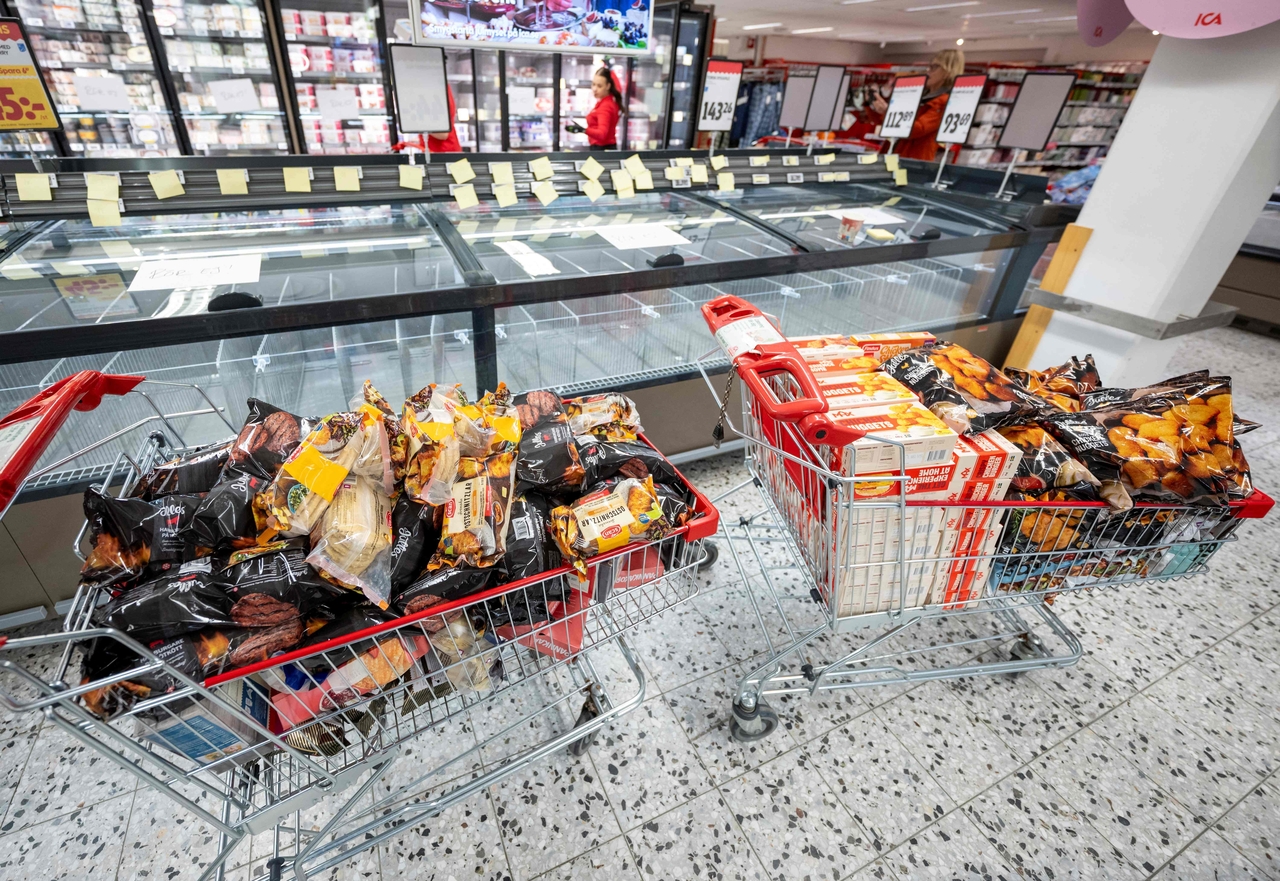
France was already grappling with a separate wave of hacking incidents last month in which refrigerators at hundreds of supermarkets and grocery stores were pushed above 50 degrees Celsius. That campaign has since spread to more than 10 countries across Europe.
The refrigerator hacking incidents are estimated to have caused substantial damage.
Dutch retailer Ahold Delhaize, which operates stores in the Netherlands, Belgium and the United States, said Wednesday it expects the cyberattacks to reduce fourth-quarter sales by up to 250 million euros ($280 million) and cut operating profit by up to 100 million euros.
"We contained the operational disruption within two weeks, but work to fully normalize operations continues," Ahold Delhaize CEO Frans Muller said. "Cyber threats are becoming an increasingly harsh reality of doing business today."
The string of attacks has heightened concerns about European security. As a growing range of devices and facilities — including commercial refrigeration systems — are managed and controlled remotely, their vulnerability increases. Some observers have raised the possibility that the attacks are part of a surge in hybrid warfare activity since the start of the war in Ukraine.
"These are not isolated incidents, and we need collective resilience and preparedness for such cyber events," EU technology spokesperson Thomas Regnier said, according to The Guardian.
yckim6452@heraldcorp.com