A heritage history that began with Jongmyo rites
Lyrical folk songs that captured a national identity
An artistic world expressed through satire and humor
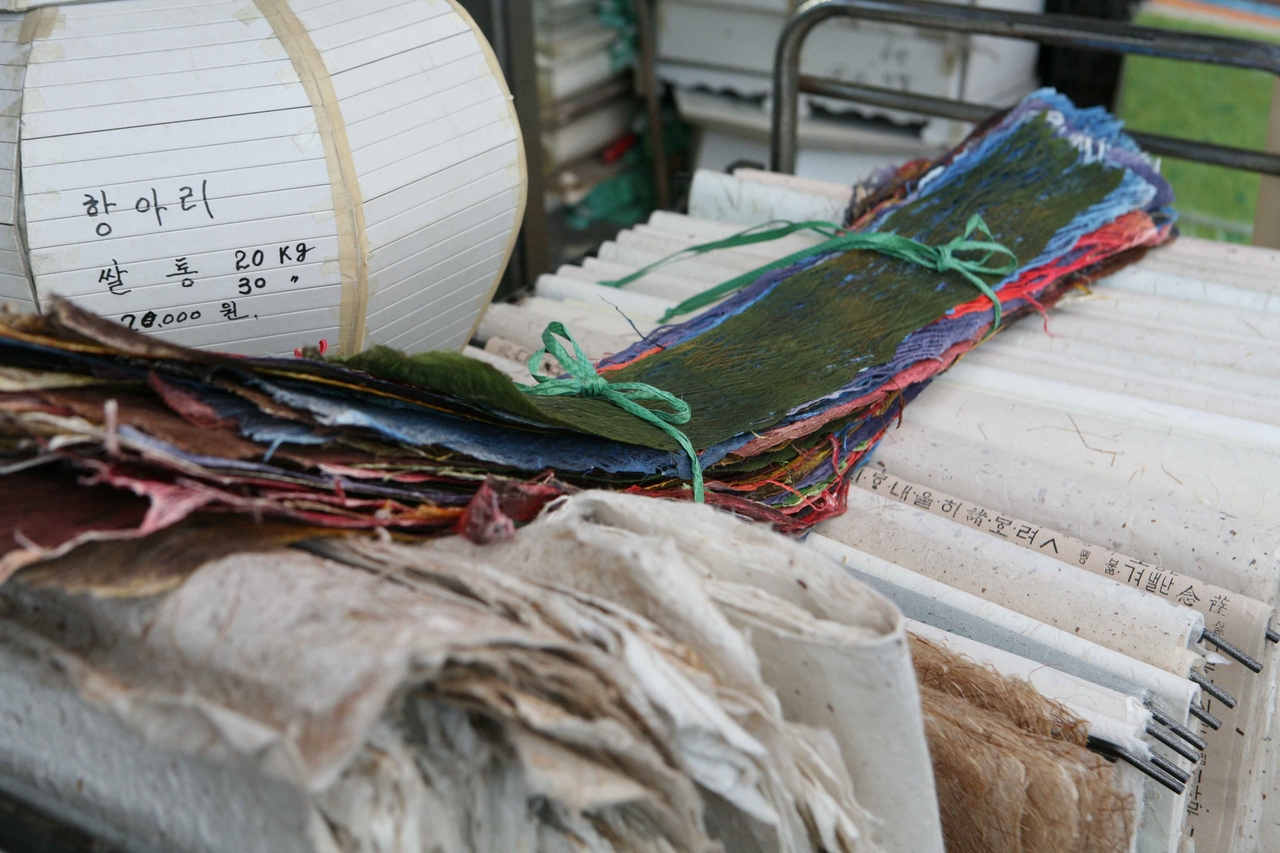
Korea's millennium-old tradition of handmade paper — known as hanji — is on the verge of joining UNESCO's Representative List of the Intangible Cultural Heritage of Humanity, a move that would bring the country's total to 24 recognized intangible heritage entries.
The Cultural Heritage Administration announced Thursday that UNESCO's evaluation body had recommended inscribing "Traditional Knowledge, Skills and Cultural Practices of Hanji-making," which the Korean government had submitted for consideration. The final decision will be made at the 21st session of the Intergovernmental Committee for the Safeguarding of the Intangible Cultural Heritage, to be held in Xiamen, China, from Nov. 30 to Dec. 5. If confirmed, Korea will hold a total of 24 UNESCO intangible cultural heritage entries.
A look at the full list of Korea's UNESCO-inscribed intangible heritage shows a steady broadening of scope — from court rituals and the arts of the educated elite to folk games, everyday customs, food culture and traditional craft techniques. The heritage landscape has expanded well beyond state-led ceremonies and the arts of privileged classes, reaching into the daily skills and communal practices woven into ordinary people's lives.
From Jongmyo rites to kimchi and hanji: 24 entries, one people's story
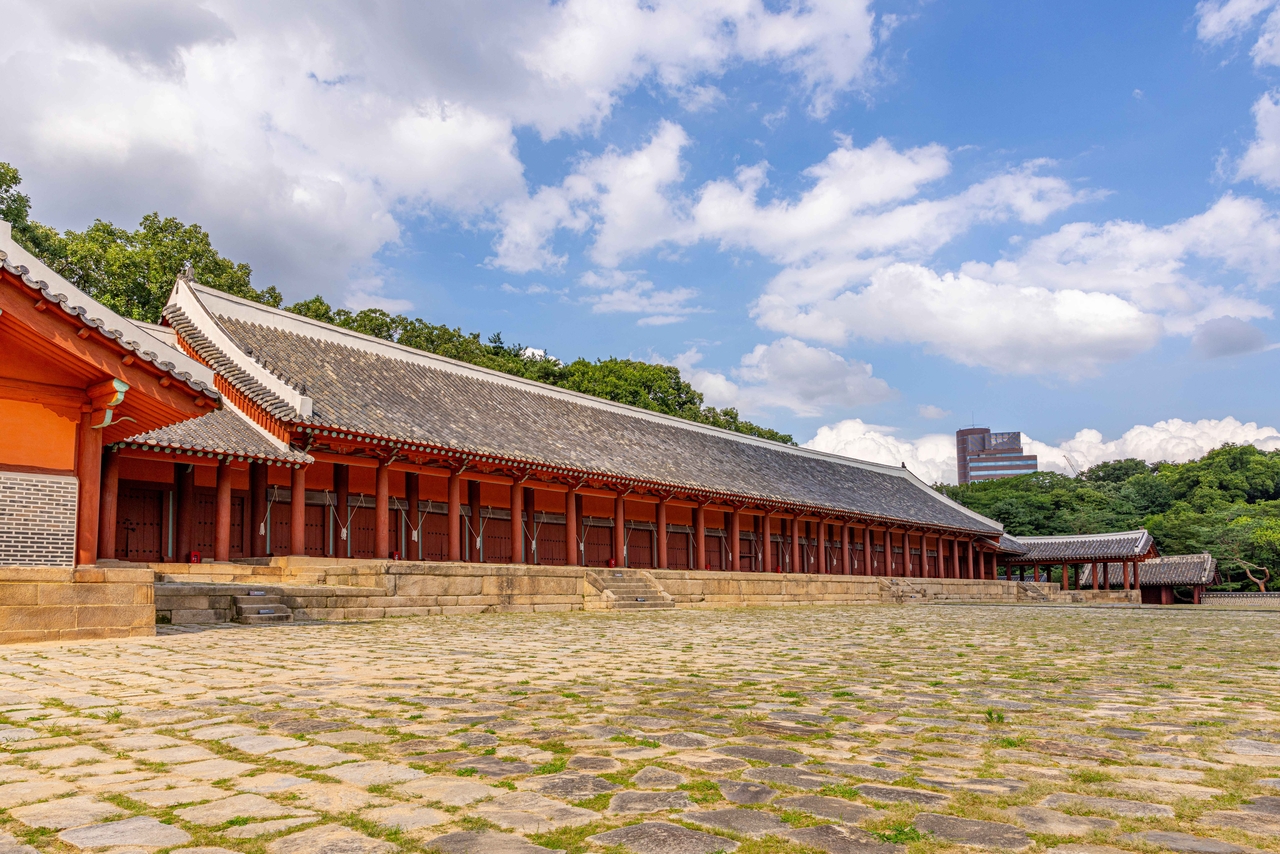
Korea's UNESCO intangible heritage journey began with court rituals and traditional performing arts of national symbolic weight. The first entry, inscribed in 2001, was "Jongmyo Jerye and Jongmyo Jeryeak" — the ancestral rites and accompanying music performed by the Joseon royal court to honor deceased kings and queens. Combining music and dance into a unified art form, the tradition was recognized for a value sustained over more than 500 years.
Pansori followed in 2003, recognized as a distinctive form of oral narrative music in which a solo singer weaves a long story through song, spoken passages and expressive gesture while a drummer keeps rhythm and calls out encouragement. In 2005, the Gangneung Danoje Festival was inscribed as a model communal celebration blending mountain-deity worship at Daegwallyeong with folk events including the Gwanno mask drama. All three were initially designated "Masterpieces of the Oral and Intangible Heritage of Humanity" before being integrated into the Representative List in 2008.
From 2009, the scope of inscriptions shifted from arts centered on individual recognized practitioners toward the living culture and communal customs of ordinary people. Five entries were inscribed at once in 2009 — Ganggangsullae, Namsadang Nori, Yeongsanjae, Jeju Chilmeoridang Yeongdeunggut and Cheoyongmu — followed in 2010 by gagok court songs, daemokjang (master wooden architecture) and falconry, and in 2011 by taekkyeon, jultagi (tightrope walking) and Hansan ramie weaving, extending the list to cover games, martial arts and artisan crafts.
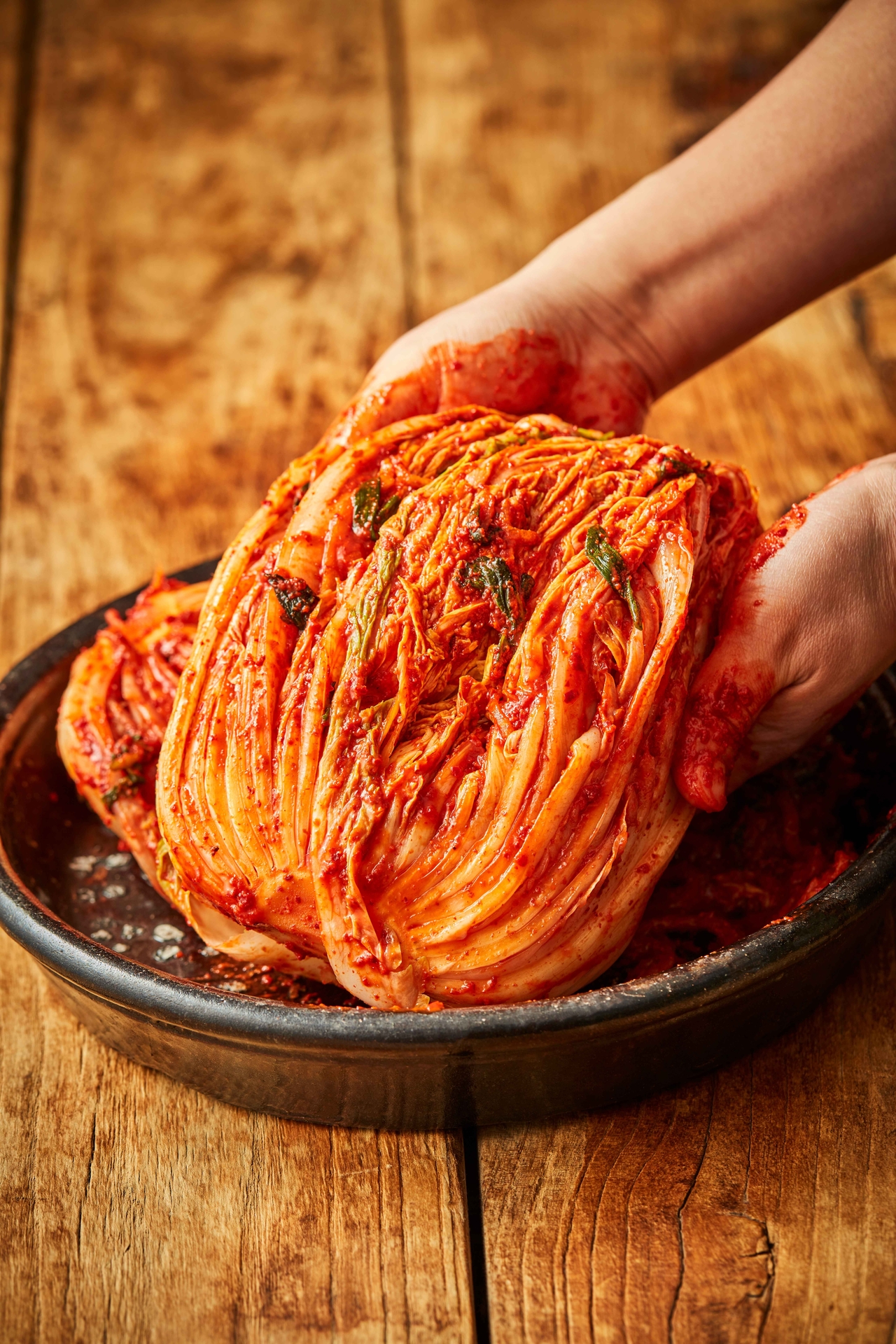
"Arirang, lyrical folk song in the Republic of Korea," inscribed in 2012, was recognized for its social function as a unifying thread of Korean sentiment and cultural identity, expressed through countless regional variations. The following year, "Kimjang: making and sharing kimchi" was praised for embodying a spirit of communal solidarity — neighbors gathering before winter to prepare and share kimchi together — and for its contribution to cultural diversity. Nongak (farmers' music) was added in 2014 and juldarigi (tug of war) in 2015. In 2016, "Jeju Haenyeo culture" drew international attention for its eco-friendly diving practices without breathing equipment, the autonomous codes of women's diving communities, and a way of life in harmony with the marine ecosystem.
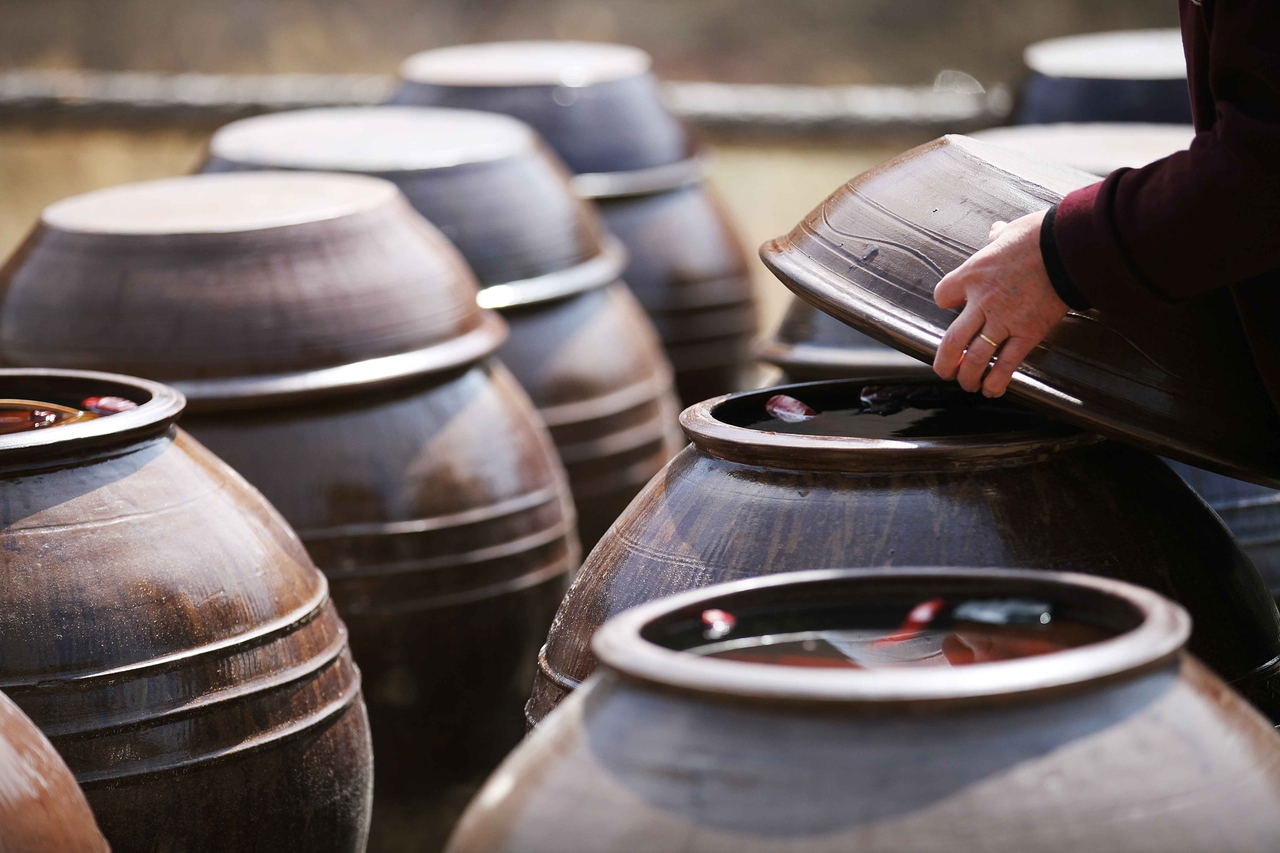
Intangible heritage has also taken on meaning as a symbol of peace and solidarity. In 2018, "Ssireum, traditional Korean wrestling" made history as the first entry jointly inscribed by South and North Korea, recorded as a heritage of shared ethnic identity and reconciliation. "Yeondeunghoe" (lantern lighting festival) followed in 2020, and in 2022 "Talchum, mask dance drama in the Republic of Korea" was inscribed for its tradition of addressing class conflict and social injustice through satire and humor. Most recently, "Jang-making culture in the Republic of Korea," inscribed in 2024, was recognized as a traditional knowledge system spanning ingredient preparation, fermentation, aging, storage and consumption — and as a food culture that strengthens bonds among family and neighbors.
Should the 24th entry — "Traditional Knowledge, Skills and Cultural Practices of Hanji-making" — receive final confirmation, Korea's UNESCO intangible heritage portfolio will expand to encompass the artisan techniques behind traditional papermaking, knowledge of natural raw materials, and the cooperative systems of hanji-making communities. The inscription is expected to draw particular attention to the intangible skills and knowledge that have underpinned the preservation of tangible heritage, given that the hanji-making tradition has kept ancient manuscripts and historical records intact to the present day.
terry@heraldcorp.com