Midterm defeat weakens Trump's hand in Iran negotiations; resuming airstrikes offers no guarantee of results
Democratic control of Congress adds financial pressure as long war drags on
Trump's every word moves global markets. If keeping up with the flood of Trump news feels overwhelming, [1 Day 1 Trump] is here for you. The Herald Business international desk, up and running from 5 a.m., delivers a quick daily digest — from the US market close to the Trump headlines that matter most for global assets — all readable in just one minute. On your commute, over a solo lunch, or before bed: just one minute a day. Subscribe at https://1day1trump.stibee.com/
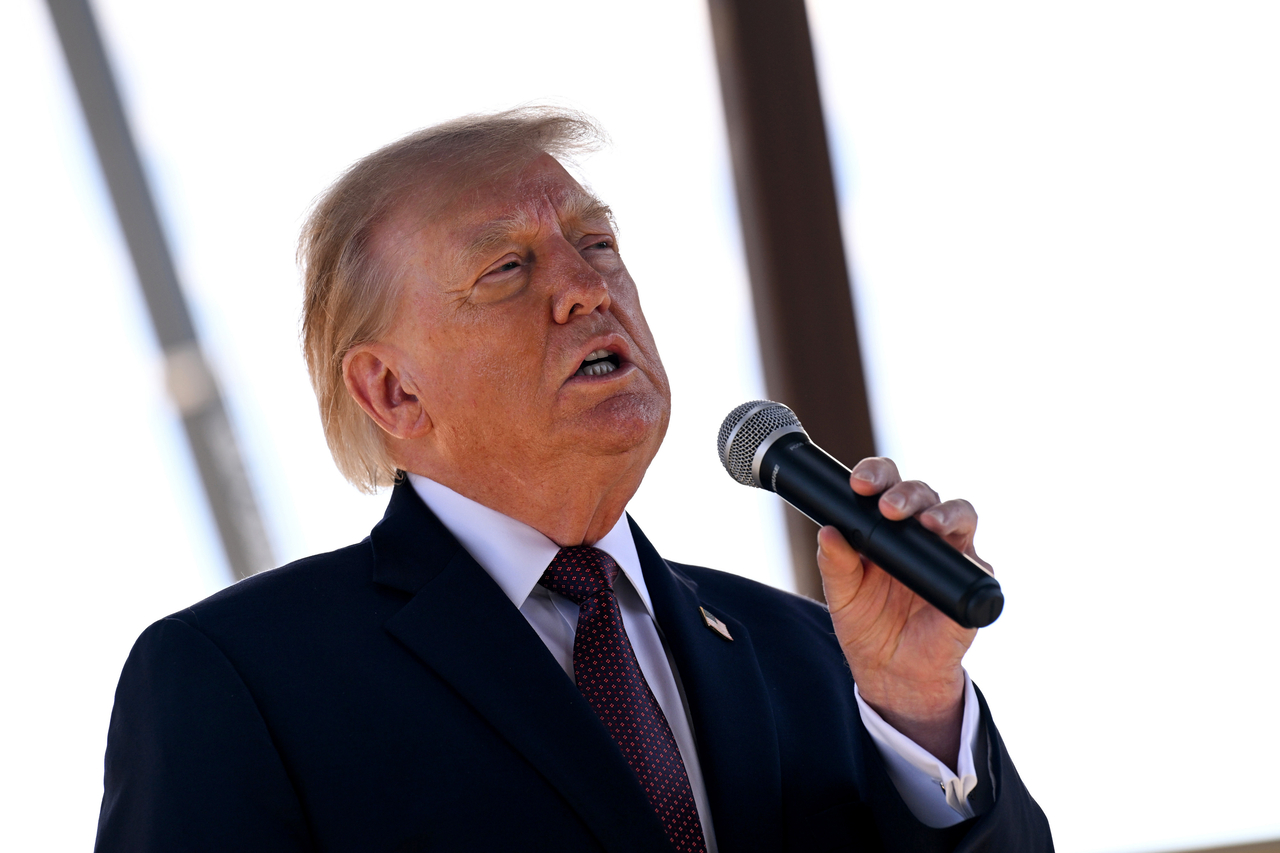
Donald Trump finds himself caught in a dilemma over the Iran war after his party lost control of both chambers of Congress in the midterm elections, analysts say. Deep public opposition to the conflict is widely seen as a key factor in the electoral defeat, meaning further military strikes risk a fierce political backlash — yet ending the war through negotiations may prove no easier, as extracting concessions from Iran remains an uphill task.
The New York Times reported Thursday (local time) that the midterm results laid bare Americans' profound opposition to the Iran war Trump launched, significantly complicating his calculus for bringing the conflict to a close.
In recent weeks, Trump has reinforced the Middle East with a large naval and air buildup while signaling he is in no rush to resume airstrikes against Iran.
However, analysts note that past US presidents have expanded military operations even after midterm losses weakened their political standing, and Trump could make a similar choice.
Former President George W. Bush, for instance, replaced his defense secretary after the 2006 midterm rout and surged additional troops into Iraq, a move that eventually helped reduce violence and improve security conditions.
But Trump's situation is seen as far more complicated than Bush's was at the time.
The Democratic Party, which swept both chambers in the midterms, immediately called for an end to the Iran war.
House Minority Leader Hakeem Jeffries, the frontrunner to become House speaker, said it was important for the president to end the Iran war before the new Congress convenes, calling it a clear mandate from voters.
Senate Minority Leader Chuck Schumer said "this war must end" and raised the prospect of using Congress's budget authority to cut funding for the Trump administration's war effort.
Amid mounting pressure from a newly empowered opposition, it also remains unclear whether fresh airstrikes against Iran would produce results any different from before.
The Times noted that 38 days of intensive strikes at the outset of the war failed to achieve the collapse of the Iranian government, the recovery of nuclear fuel, or Iran's unconditional surrender.
Trump now faces negotiations with Iran from a weaker position than before — and Iranian leaders are well aware of it.
Time is not on Trump's side either. Iran continues to restrict shipping through the Strait of Hormuz, and some US military bases in the Middle East damaged during the war are proving difficult even to rebuild.
The US Department of Defense recently reported to Congress that the war has cost $47 billion. With Democrats set to control the new Congress taking office in January, securing additional war funding will become even harder.
Analysts say that if Trump tries to use military pressure to wring concessions from Iran, the longer he waits, the worse his position becomes.
Trump also faces the added pressure of needing to project strength on the world stage ahead of planned visits to the Philippines and China and a series of summits less than two weeks away.
Daniel Shapiro, the former US ambassador to Israel who served as the top Middle East policy official at the Pentagon under the Biden administration, said resuming strikes on Iran "makes little sense when even Republicans acknowledge the war was a cause of the defeat." He added, however, that "Trump is unpredictable, volatile, and deeply averse to being seen as a loser."
Shapiro said Iran has little reason to offer Trump favorable enough terms for him to declare victory, leaving Trump facing a choice between escalating the conflict and claiming a win — or in effect walking away from the war.
US forces are reported to have completed preparations to resume large-scale strikes against Iran on Trump's order.
The Times reported that the United States and Israel have drawn up plans for a short, intensive campaign targeting Iran's energy infrastructure, nuclear facilities, and missile and drone arsenals.
Among the targets Trump has frequently mentioned is an underground nuclear site known as Pickaxe Mountain, believed to house nuclear centrifuges.
US and Israeli forces have also stepped up strike-maneuver drills over Iraq and conducted exercises to prepare for potential Iranian retaliatory attacks, according to reports.
The Times said the midterm results illustrated just how severe a political backlash Trump could face if he orders a large-scale resumption of airstrikes against Iran.
Ultimately, Trump appears to face a defining choice for the second half of his presidency — one in which neither a military breakthrough through further strikes nor a negotiated end to the war looks easily within reach.
mokiya@heraldcorp.com