Lotte Chilsung Beverage revives Captain Q after 11-year hiatus
'Sold out every time I check' — shortage stuns industry
Y2K fashion items see demand surge
JanSport, the '90s campus staple, stages a comeback
'People are seeking emotional stability amid uncertainty'

Consumers living in the age of AI are opening their wallets for trends long past their prime. They are wearing ankle-baring trousers that were popular two decades ago and listening to music through wired earphones instead of wireless ones. Some are spending large sums on turntables to play LP records, a format developed in the 1940s. Others are making repeated trips to convenience stores to track down discontinued food and drink. The retro wave — in which objects and products from the past suddenly recapture public attention — is back.
Retro is not a new phenomenon. In the early 2010s, the drama series "Reply 1997" and the film "Architecture 101" drove a wave of nostalgia. Around the COVID-19 pandemic, the retro soju brand Jinro Is Back and Gompyo wheat beer appeared, and Pokémon Bread made a comeback. Low-resolution film cameras also had their moment in the spotlight.
Behind the latest retro wave lies a contraction in consumer sentiment. The Bank of Korea's Consumer Sentiment Index for October came in at 105.4, down 1.2 points from the previous month. The index had rebounded after falling to 99.2 in April — just after the outbreak of the Middle East war this year — but turned downward again in August and continued to slide. A reading above 100 signals an optimistic outlook; below 100 signals pessimism. Analysts say the nostalgia-driven retro craze has spread as consumer confidence weakened amid global instability, including the Middle East conflict, and a domestic stock market correction.
Drinking less, but still chasing trends: Captain Q's unlikely comeback
The most striking example is Captain Q, recently relaunched by Lotte Chilsung Beverage. First released in January 1980, Captain Q dominated the 1980s and '90s before Western-style spirits became widely available. After a 1991 revision to the liquor tax law changed its recipe — replacing rum with a blend of distilled alcohol, sugar syrup, rum flavoring and caramel coloring — it became a rum-style spirit in name only, but its low price made it a favorite among university students and working-class drinkers. Its notorious reputation — captured in the saying "drink it and you won't sober up for two days" — spread as an internet meme after production was halted in 2015, keeping the brand alive in public memory.
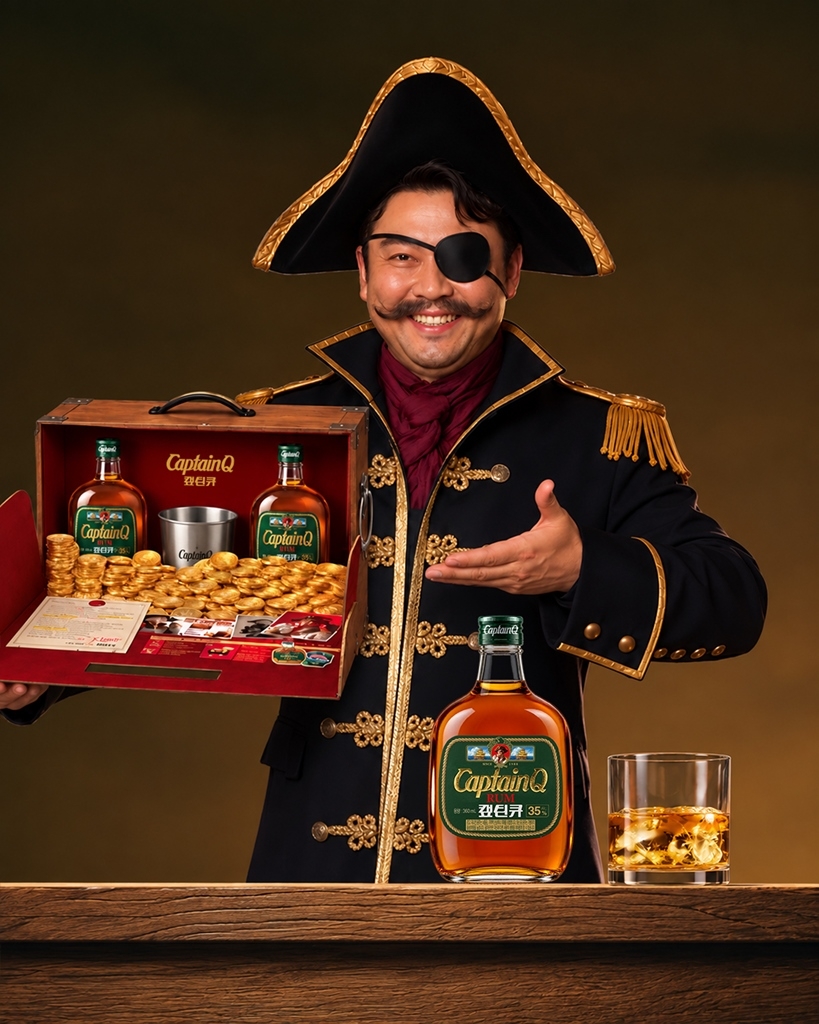
The relaunched Captain Q uses 99 percent Panamanian rum. A special gift set called the "Captain Q Treasure Box," released in mid-October, sold out its entire run of 12,000 sets within a single day of leaving the factory. Initial single-bottle supplies of about 10,000 units each at GS25 and CU also disappeared almost immediately. Lotte Chilsung Beverage has since released another limited edition of 30,000 sets called the "Broken Captain Q Time Machine."
According to GS25, Captain Q ranked consistently in the top three on the daily integrated search chart within the convenience store chain's "Our Neighborhood GS" app from Oct. 14 through Thursday. Cumulative searches over that period reached 1 million. Posts on secondhand trading communities have offered the Captain Q Treasure Box at nearly 10 times its retail price.
A 37-year-old office worker in Gyeyang-gu, Incheon, said the product was already gone when they arrived at a nearby convenience store during the pre-order window. "I've been checking the convenience store app every day since, but it's sold out every single time," the worker said. "For people in their 30s and 40s like me, Captain Q is well known as a community meme. It's been an object of curiosity since childhood, so I really want to try it at least once." A Lotte Chilsung Beverage official said the company uses Panamanian rum aged for one year, which means both the aging process and imports take time. "We are at the stage of exploring solutions to meet demand," the official said.
The shortage is considered an exceptional hit for an industry grappling with declining alcohol consumption. Data submitted by the National Tax Service to the office of People Power Party lawmaker Ahn Sang-hun of the National Assembly's Finance and Economy Planning Committee showed that domestic liquor tax revenue last year fell to 2.44 trillion won ($1.81 billion) — the lowest since 2020. That was down 114.3 billion won, or 4.5 percent, from 2.55 trillion won in 2024, marking a second consecutive year of decline.
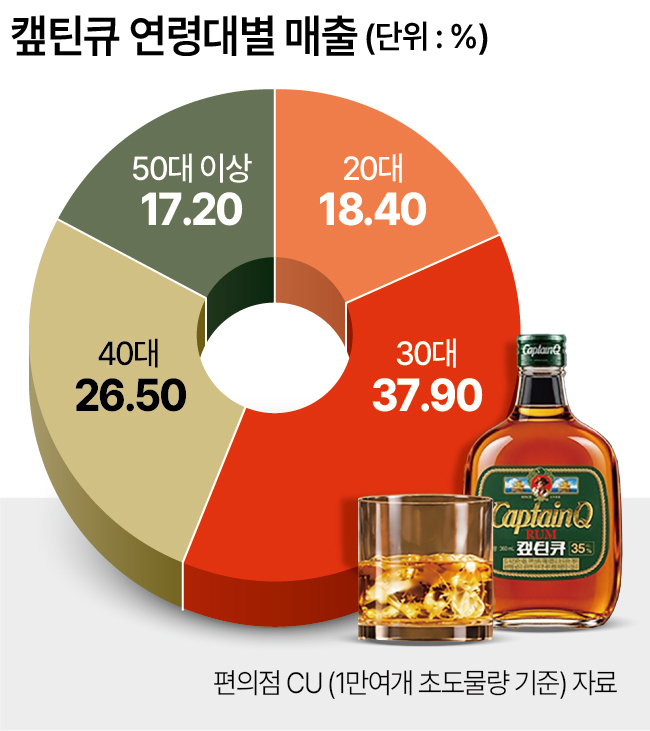
Many analysts attribute the drop in alcohol consumption partly to a culture among people in their 20s and 30s of avoiding heavy drinking. Yet according to CU, buyers of Captain Q in their 20s and 30s accounted for 56.3 percent of purchases. Those in their 30s made up the largest share at 37.9 percent, followed by those in their 40s at 26.5 percent, those in their 20s at 18.4 percent, and those 50 and older at 17.2 percent. The numbers suggest that even consumers cutting back on alcohol still want to be part of the trend.
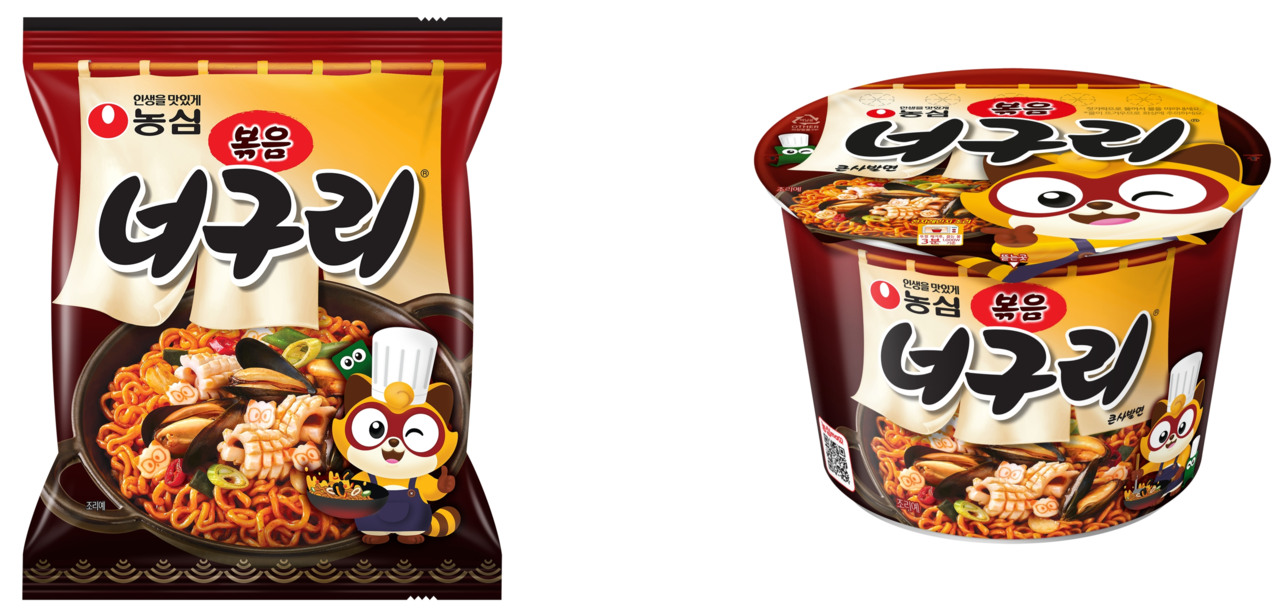
The food industry is also seeing a string of relaunches. Nongshim brought back its stir-fried Neoguri noodle product, Bokkeum Neoguri, in October, having first released it in 2017 and discontinued it in 2024. The company said consumer interest actually grew after the discontinuation, prompting a steady stream of relaunch requests. A limited pre-order run of 3,000 units in mid-October sold out in two hours. A worker in their 20s surnamed Park said they visited three convenience stores after hearing from friends that Bokkeum Neoguri was delicious, but could not find it anywhere. Crown Confectionery also plans to relaunch Mini Shell, a product it first released in 1989 and discontinued in 2024, sometime this month.
Remember 'Coffee Prince'? Y2K fashion is back too
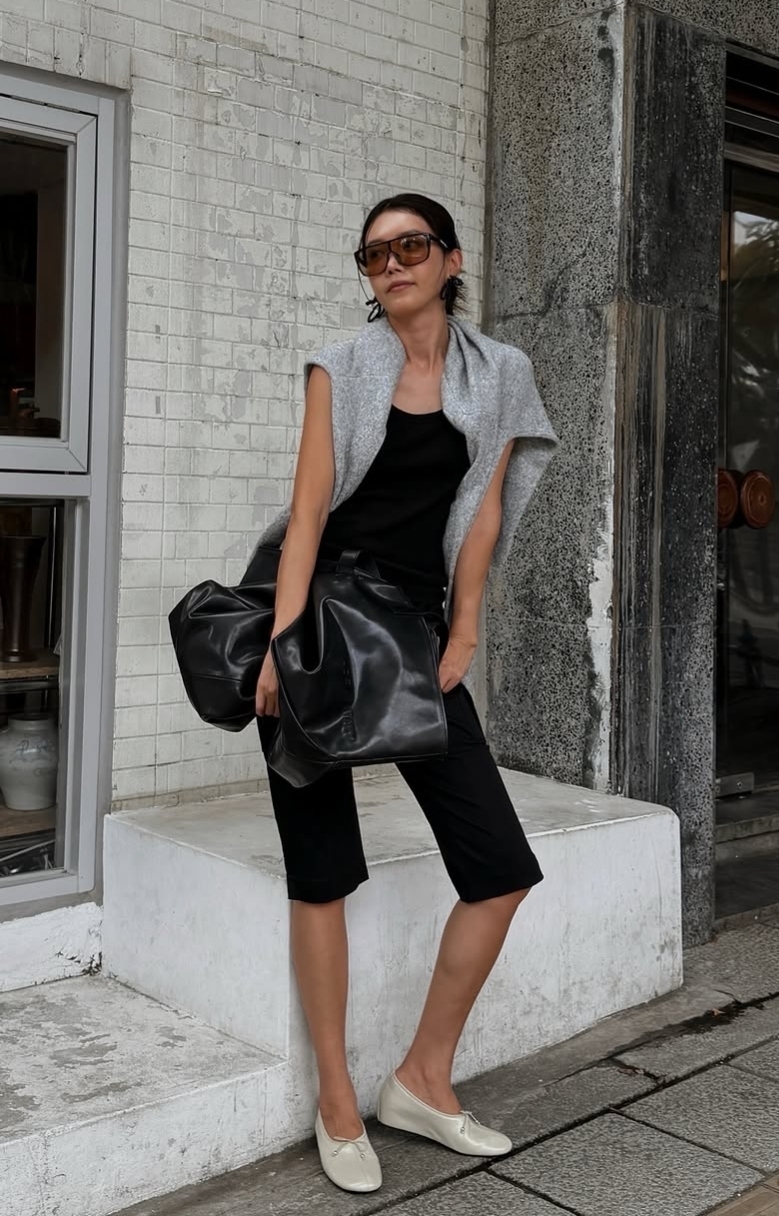
The fashion industry is in the grip of a full-blown Y2K (Year 2000) revival this year. Low-rise jeans, bangle accessories and other styles associated with early-2000s celebrities such as Britney Spears and Paris Hilton have entered everyday wardrobes. The shift marks a move away from the restrained "old money" aesthetic — which shunned flashy logos and embellishments — toward a trend that embraces bold self-expression.
Characters from 2000s dramas have also become fashion references. A prime example is the look worn by actor Chae Jeong-an as the character Han Yu-ju in the 2007 drama series "Coffee Prince." Items that were in vogue roughly 20 years ago — midi skirts at knee length, capri pants and halter-neck tops — are being rediscovered under the label "Han Yu-ju core." Fur jackets and crocodile-skin bags, once dismissed as "mom fashion," are also popular again.
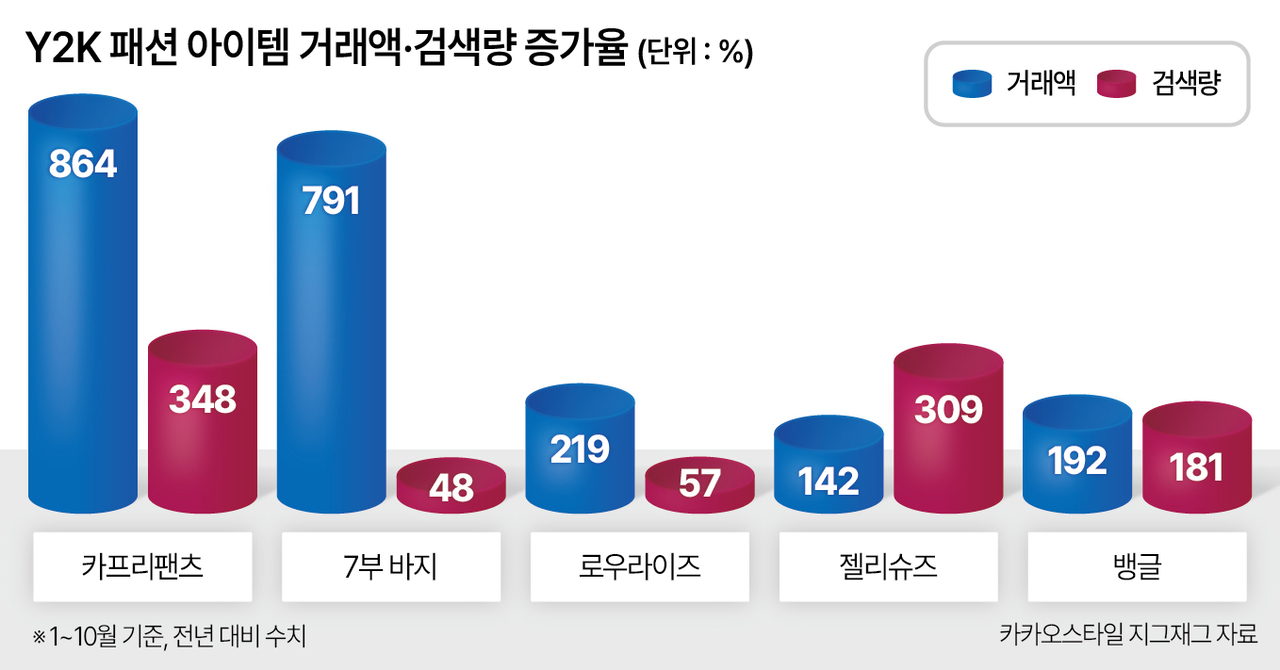
The numbers back up the Y2K fashion surge. According to Zigzag, a fashion platform under Kakao Style that is heavily used by people in their 20s and 30s, searches for capri pants rose 348 percent in the January–October period compared with the same period last year, while transaction volume jumped 864 percent. Searches for low-rise products rose 57 percent over the same period and transaction volume climbed 219 percent. Transaction volume for jelly shoes and bangle items increased 142 percent and 192 percent, respectively.
Nostalgic fashion brands have also staged comebacks. JanSport, launched in 1967, and Eastpak, launched in 1952, were both popular on Korean university campuses in the 1990s. As demand has picked up again, driven mainly by consumers in their teens and 20s, both brands have partnered with the fashion platform Musinsa.
JanSport's domestic sales in 2024 rose 64 percent from the previous year, and offline sales in 2025 have roughly doubled. In July this year, the brand opened its first flagship store anywhere in the world in Seongsu-dong, Seoul. South Korea's market performance was highlighted at the "JanSport Asia, Europe and Middle East FW27 Sales Summit" that Musinsa hosted in August, bringing together JanSport's headquarters and distribution partners from 16 countries. The brand's first-ever apparel collection — 59 years after its founding — was also released through Musinsa.
An industry official said that for consumers in their 30s and 40s, the Y2K trend evokes nostalgia, while for those in their teens and 20s it feels entirely new. "The back-to-back popularity this year of idol acts such as Kiki and A2O, whose concepts evoke the early 2000s, also appears to have played a role in spreading the Y2K trend," the official said.
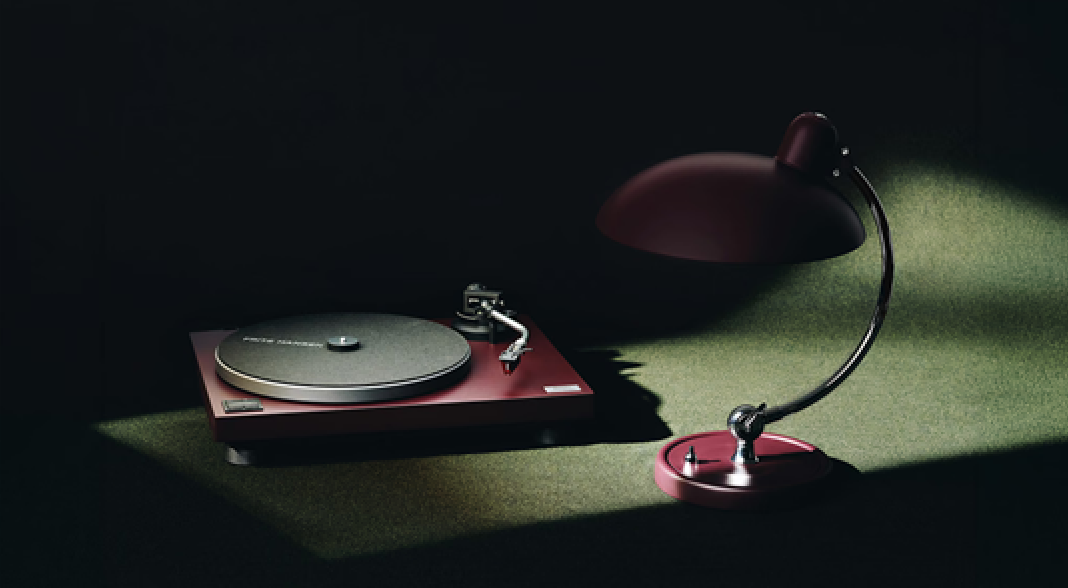
Interest in LP records and turntables is also growing among younger consumers. A limited-edition lighting and turntable set by Fritz Hansen and Technics, offered online in limited quantities by fashion and lifestyle platform 29CM on Saturday, sold out in three seconds despite a price of 2.5 million won ($1,860). Fritz Hansen is a Danish furniture brand; Technics is a Japanese audio brand. LPs by late singers from the 1980s and '90s, including Kim Kwang-seok and Yoo Jae-ha, trade in the range of 200,000 to 400,000 won.
Nostalgia as coping mechanism: 'People want stability'
Experts point to economic and social conditions as the driving force behind the retro wave. In a global trends report released in September, market research firm Ipsos used the coined term "lostalgia" to explain the phenomenon — defining it as "a sense of loss stemming from the feeling that the future one expected to enjoy has slipped away." The report said consumers are not so much longing for the past itself as mourning the gap between the hopes they once held and the reality they now face.
Lee Eun-hee, an emeritus professor of consumer studies at Inha University, said that as economic anxiety has deepened — including a sharp decline in the Kospi — more people appear to be seeking comfort in symbols of childhood memory. Lee Hong-ju, a professor of consumer economics at Sookmyung Women's University, described the trend as "not a simple repetition of past fashions, but a consumer psychology seeking familiarity and emotional stability amid an uncertain reality."
Experts say this consumer psychology is amplifying its effect by aligning with corporate strategies aimed at steady returns. "From a business perspective, retro products are an effective strategy for reducing the risks of launching new products and the burden of marketing by leveraging existing brand recognition and consumer nostalgia," Lee Hong-ju said. "Combined with limited-edition marketing or social media, they can heighten a sense of scarcity and buzz, driving purchases."
Lee Hong-ju cautioned, however, that nostalgia alone cannot sustain ongoing consumption. "Long-term success requires adding the quality and practicality that today's consumers demand," the professor said. Lee Eun-hee noted that trends follow a thesis-antithesis-synthesis cycle, meaning every trend has a built-in expiration date. "By the time consumers grow tired of it, another trend will have emerged," Lee said.

soho0902@heraldcorp.com
siuu@heraldcorp.com