228. Francisco Goya
Saturn, the god who devoured his own children
Considered one of the most horrifying paintings ever made
Was it war? Disillusionment with humanity? The mystery of its creation
What was the purpose of the 'Black Paintings'?
Editor's note
Huam-dong Art Museum is the original home of long-form cultural and arts storytelling suited to the boundless digital space. Press ■Subscribe to reporter■ to enjoy a new art story every weekend. Articles are written as narrative storytelling grounded in historical fact, with some imaginative embellishment.
The names of the gods follow Greek convention, with the exception of "Saturn" (Saturnus), which uses the Roman form to match the painting's title.
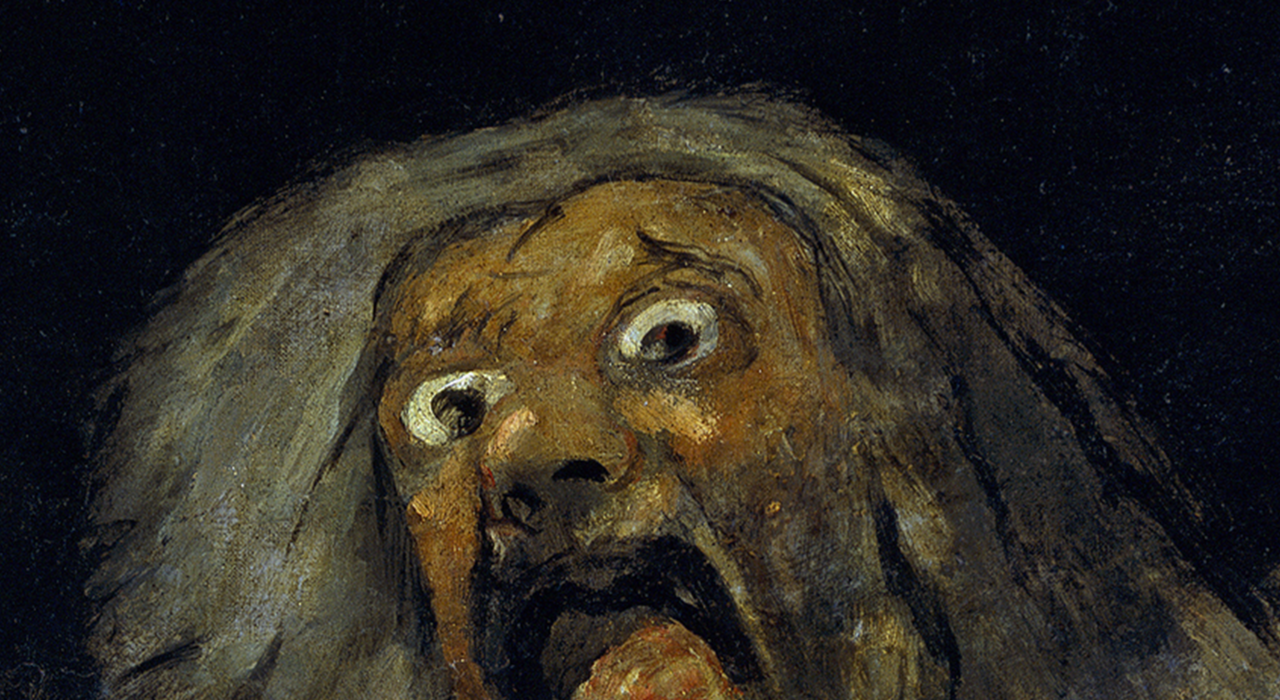
As Goya's "Saturn Devouring His Son" may be disturbing for some viewers, only a portion of the work is shown here. We appreciate your understanding.
A sight that chills the blood:
Saturn's atrocity
"Hand over the child."
Saturn, god of agriculture, was growing impatient.
"I must devour it. That is the only way I can survive."
Rhea, goddess of fertility and abundance — and Saturn's wife — had just given birth. And the first words out of her husband's mouth were these. "Must you really?" she asked. "Have you already forgotten the prophecy?" Even as he chided her, Saturn merely gestured and repeated his demand.
Saturn was king of all the gods.
It was a title he had won through great struggle, by overthrowing his father Uranus, god of the sky. He believed his reign would last forever — until his mother, Gaia, goddess of the earth, cursed him: "You will suffer the same fate at the hands of your own child."
Saturn had earned Gaia's wrath through his own failing. She had told him again and again to free his brothers — the Cyclopes and the Hecatoncheires — but he could not bring himself to do it. When he finally stood before them, what he felt was not kinship but fear. The Cyclopes' ability to forge anything, and the overwhelming power of the Hecatoncheires with their fifty heads and one hundred arms, were unmistakably threatening. He did not want to admit it, but in that moment he understood why his father had locked them away in Tartarus, the deepest pit of the underworld. And so Saturn did exactly as his father had done — he kept them imprisoned. "You are no different from your father in the end," Gaia said, and with those words she delivered her curse, laced with hatred.
Hestia, Demeter, Hera, Hades, Poseidon and Zeus.
Each time Rhea gave birth, Saturn snatched the swaddled infant away and swallowed it without hesitation. I saw it with my own eyes, I ate them myself, and they are all inside me now. He might be called "a monster that devoured six of his own children," but as long as he kept this up, there would be no consequences to fear.
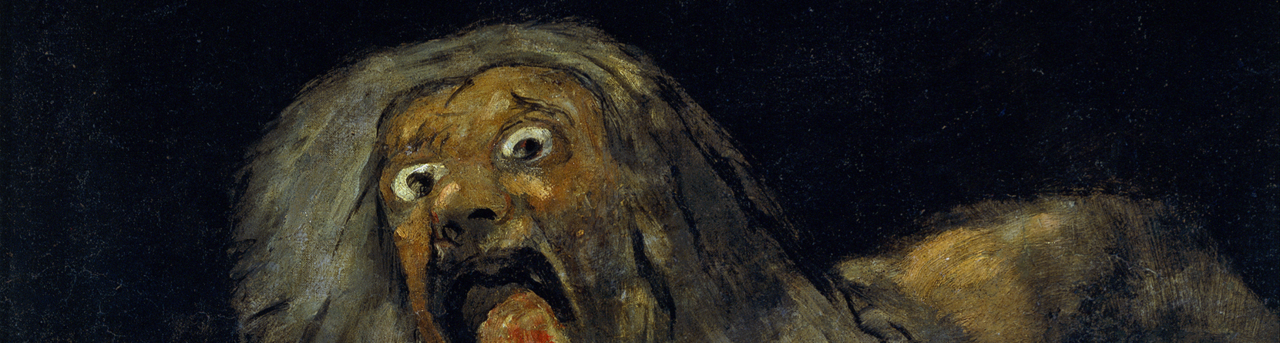
Francisco Goya's late work "Saturn Devouring His Son," painted around 1819–1823, sends a chill through the viewer the moment they lay eyes on it.
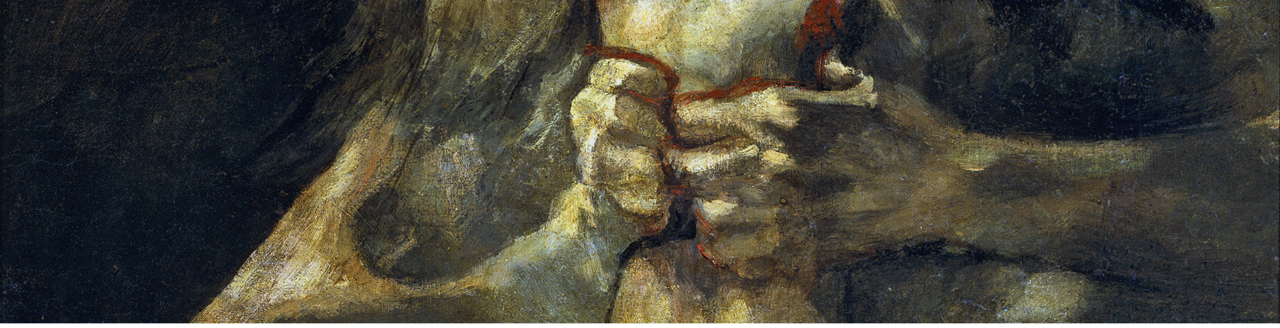
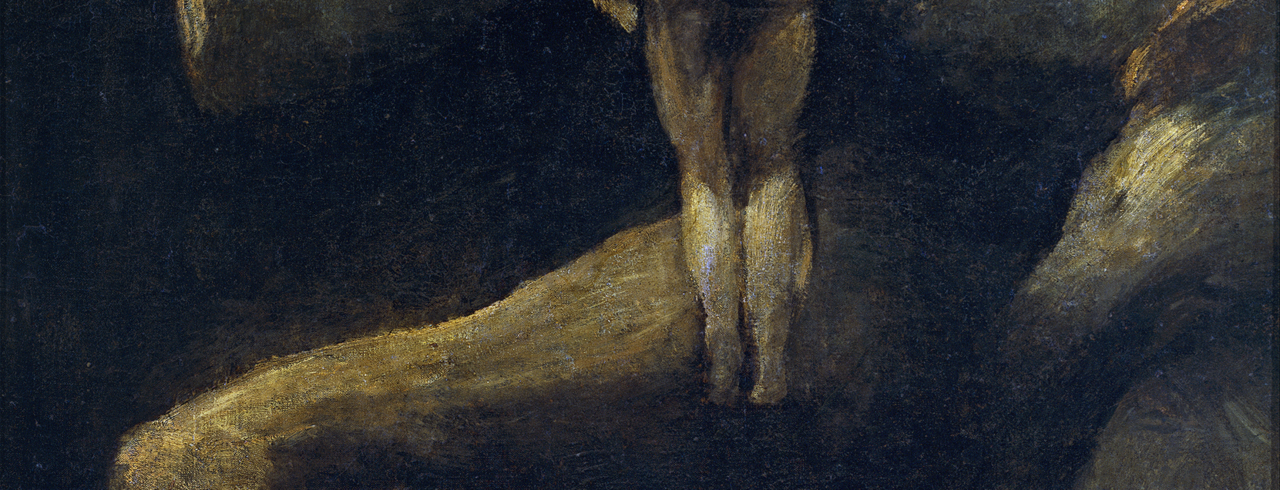
A white-haired old man strains his eyes wide, the whites bulging. What he is eating — mouth agape — is a creature far smaller than himself. He grips it around the waist with both hands, knees pressed to the ground, tearing into it in a frenzy. Part of the body is already gone. The bleeding remainder is destined for the same fate. The painting is widely regarded as the most harrowing depiction of the Saturn myth ever committed to canvas.
Did Goya harbor a morbid fascination with cruelty and violence?
Was he driven by some compulsion — or trauma — that forced him to dwell on blood and dismemberment? What kind of mind could conceive such an image? This is an attempt to trace why Goya felt compelled to produce something so deeply shocking.
He did not start this way:
the surprising early work
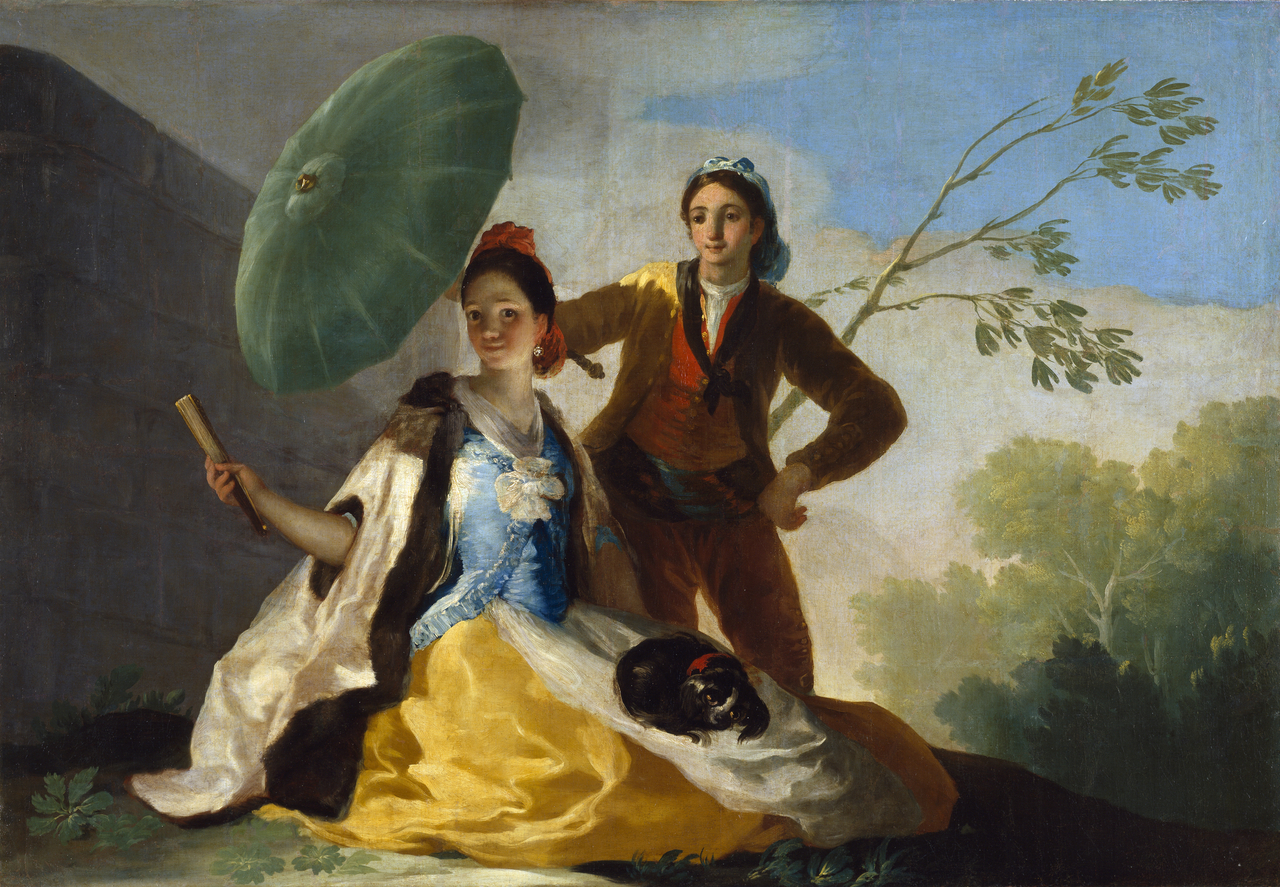
What is remarkable is that Goya did not always paint this way.
There was a period when his work was so bright and cheerful that one might doubt it came from the same hand. "The Parasol" is a prime example. It shows a fashionably dressed young man holding a parasol over a noblewoman in a French-style gown — a scene very much in vogue at the time. Painted in 1777, when Goya was considerably younger, the canvas glows with fresh yellows, blues and greens. All one feels looking at it is lightness and delight.
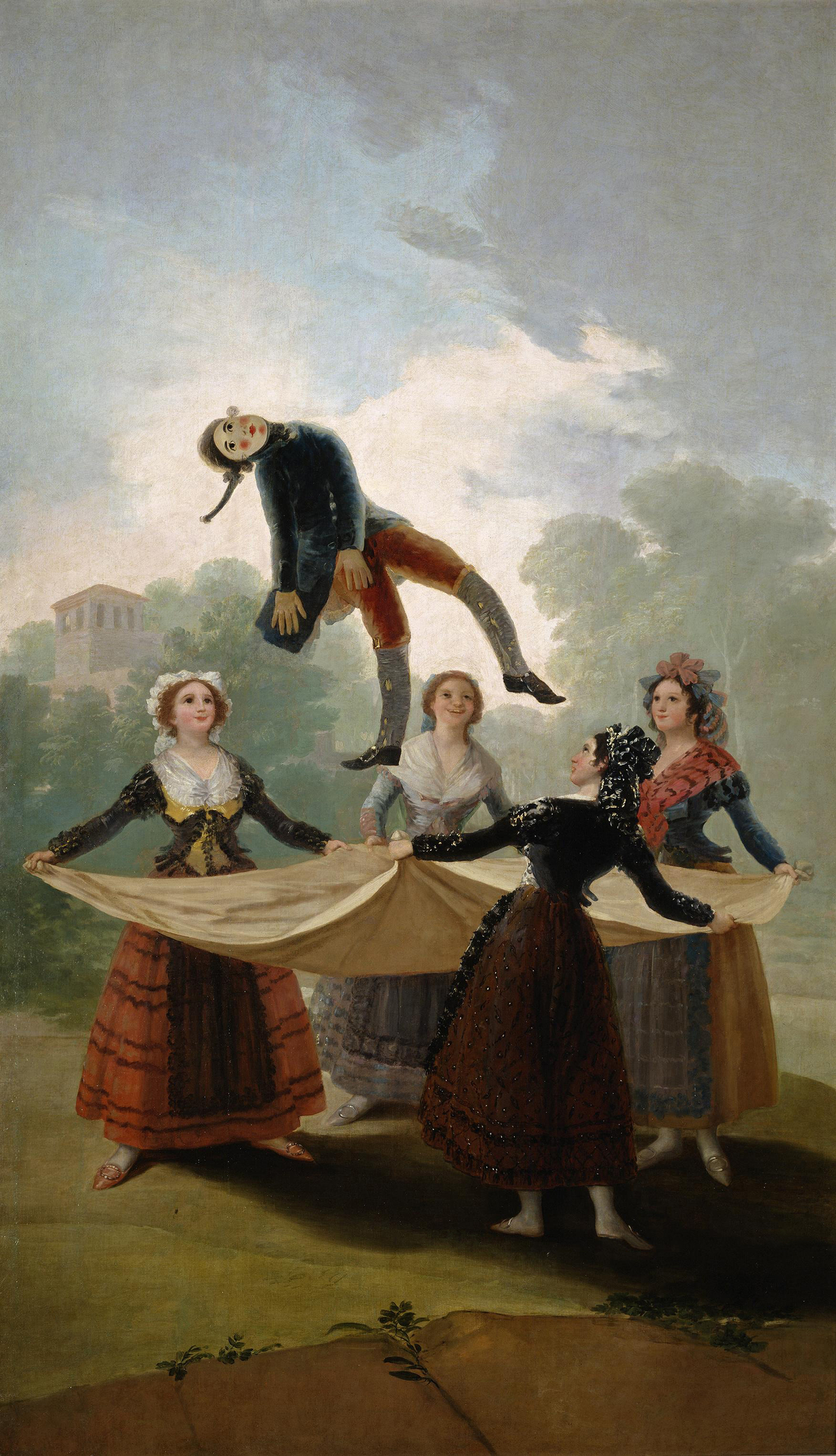
Goya was born in 1746 in Fuendetodos, in the Aragon region of Spain.
His father was a gilder; his mother came from minor nobility. The family was lower middle class. Goya began studying painting around the age of fourteen. His first notable teacher was José Luzán, who specialized in history and religious painting. Under him, Goya spent four years primarily copying engravings. He eventually left, as he would later put it, "to paint in my own way."
Making his way through Zaragoza to Madrid, Goya found a new mentor in Anton Raphael Mengs, a master of draftsmanship. The two did not get along particularly well, however, and the relationship remained strained.
During those years, Goya had one overriding ambition: to gain admission to the Royal Academy of Fine Arts of San Fernando. He was driven and passionate, and by all appearances possessed the talent to match. Yet even with all of that, he fell short. He tried twice — in 1763 and again in 1766 — and was rejected both times.
Goya did not stop.
He pooled his savings and traveled to Rome, where he studied again amid the accumulated craft of the old masters. He also received instruction from Francisco Bayeu, a celebrated court painter with a particular gift for decorative work and a bold command of color — all of which Goya absorbed. Most importantly, he married Bayeu's sister Josefa. What had seemed like failure turned out, in hindsight, to be a blessing.
Rise to first court painter:
confidence and ambition on full display
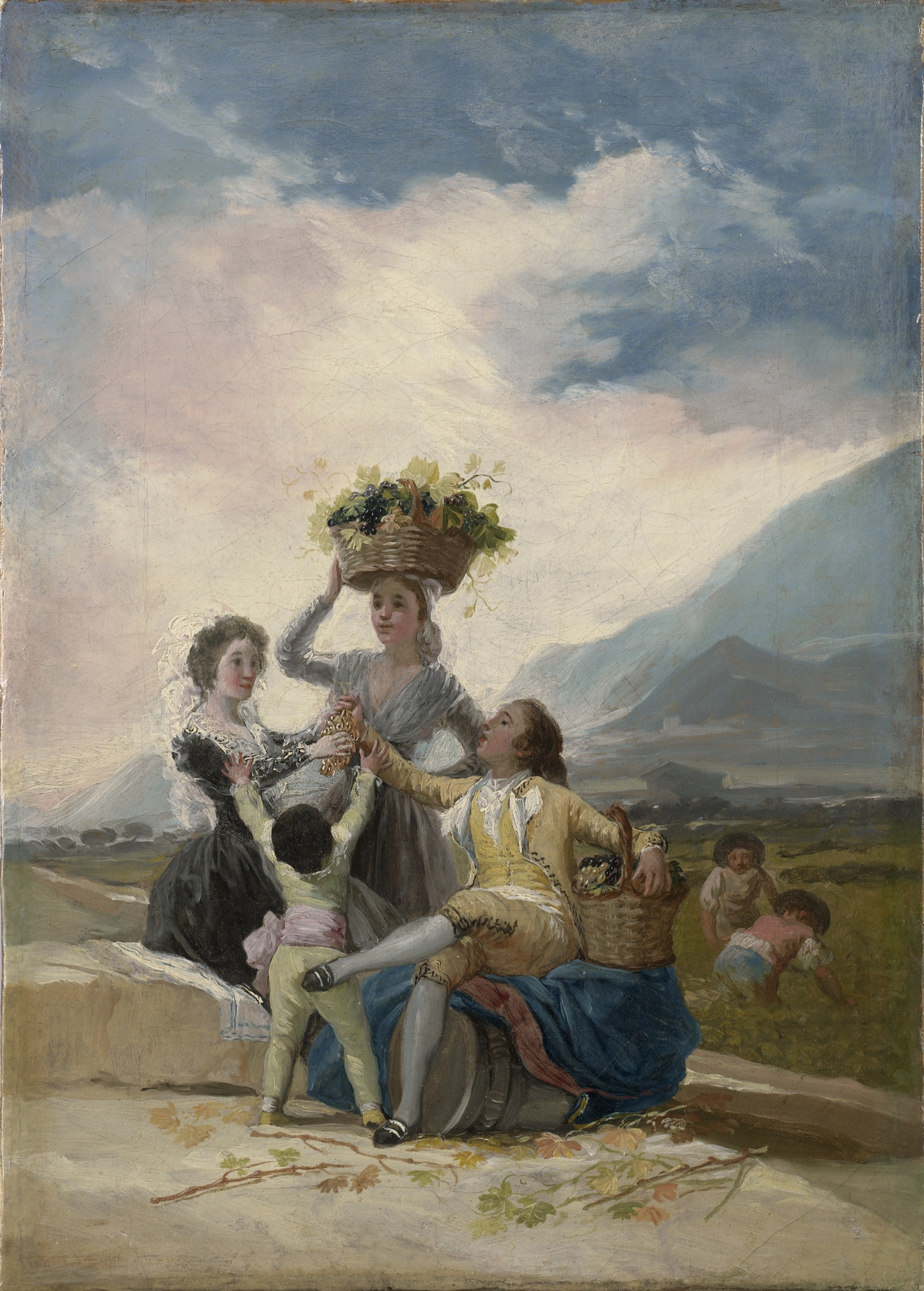
Goya also found work.
He was commissioned to produce cartoons — preparatory designs — for tapestries to be woven at the Royal Tapestry Factory. He became famous quickly. From choosing his subjects to laying down lines and applying color, no one could do it better. Whatever he might have been willing to admit, every person and experience he had passed through along the way had contributed. Over five years he produced more than forty cartoons, many of which were used to decorate the walls of the royal palace. Patrons multiplied. He caught the attention of powerful nobles. It was a glorious time.
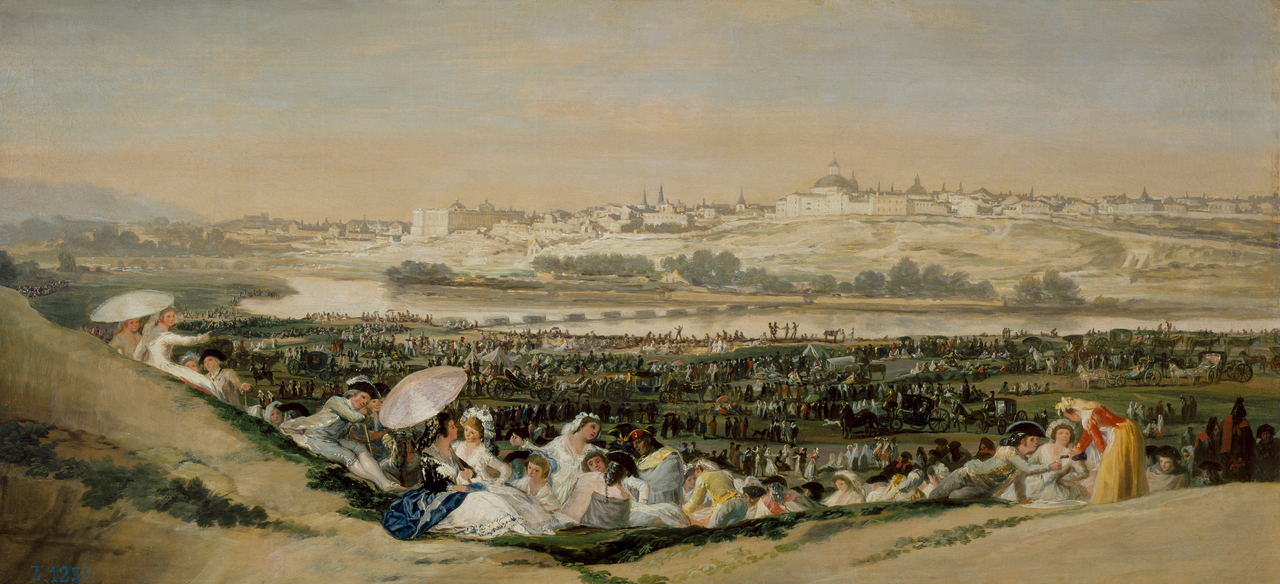
Around this time, Goya painted "The Meadow of San Isidro," depicting the festival held in honor of Madrid's patron saint. The work carries the delicate, playful spirit of the Rococo. Goya filled the canvas with an open plain, a crowd of figures and fine costumes. The fresh palette, and the way he seamlessly wove landscape and genre painting into a single composition, were striking. The painting seems to breathe his own excitement and anticipation — his confidence in his abilities and in the future that lay ahead.
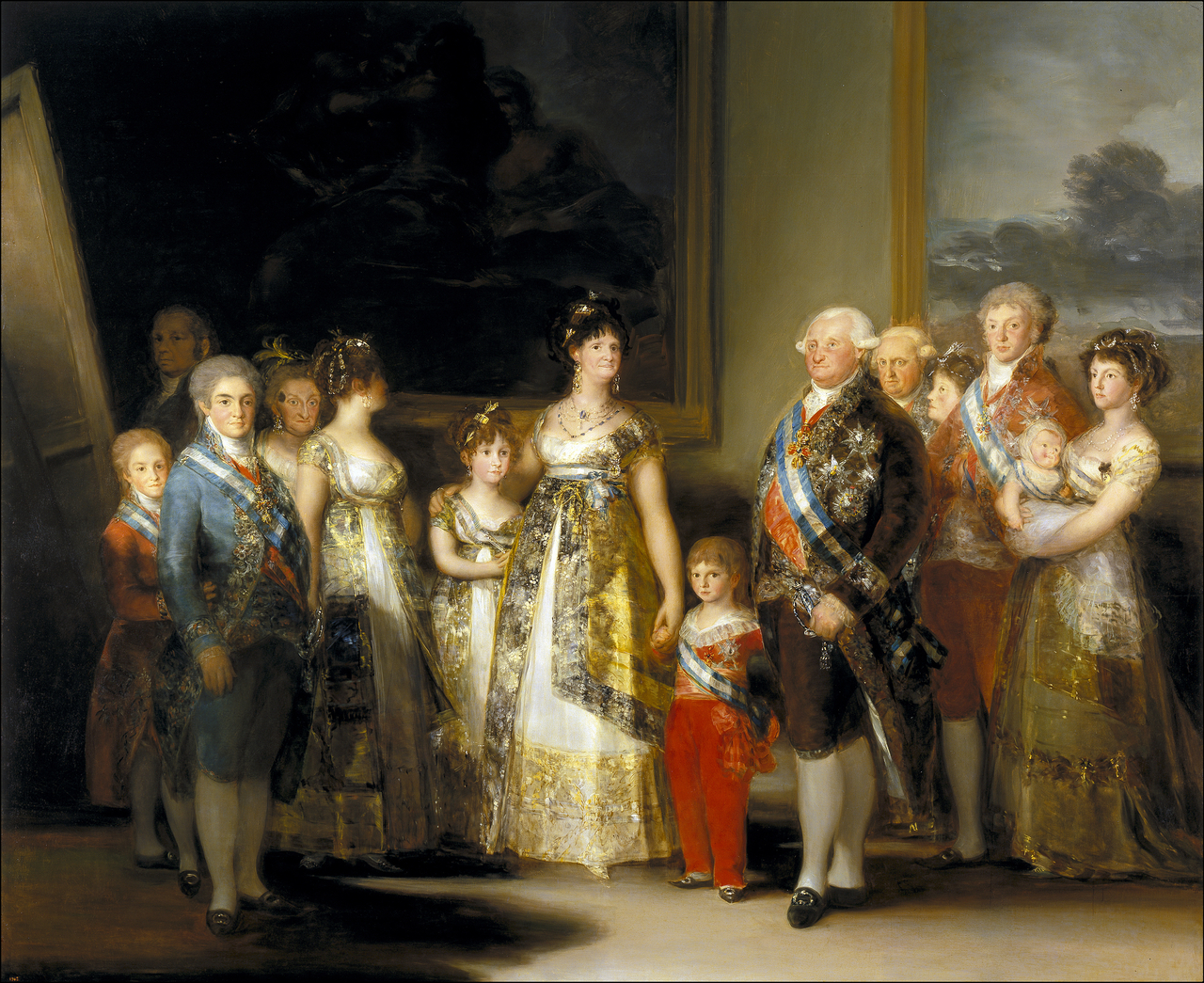
He had every reason to feel that way.
Two years before painting that work, in 1786, Goya had achieved his long-held dream of becoming a court painter to Charles III. Under Charles IV, in 1799, he rose further still, to first court painter. He had made it. The road had been long and winding, but he had arrived. Those who succeed after a setback or two tend to carry more confidence than those for whom success came easily. It seemed as though wealth and renown would follow — portrait commissions from the king and queen, from the most powerful nobles in the land. But then...
Napoleon's invasion:
fire and destruction
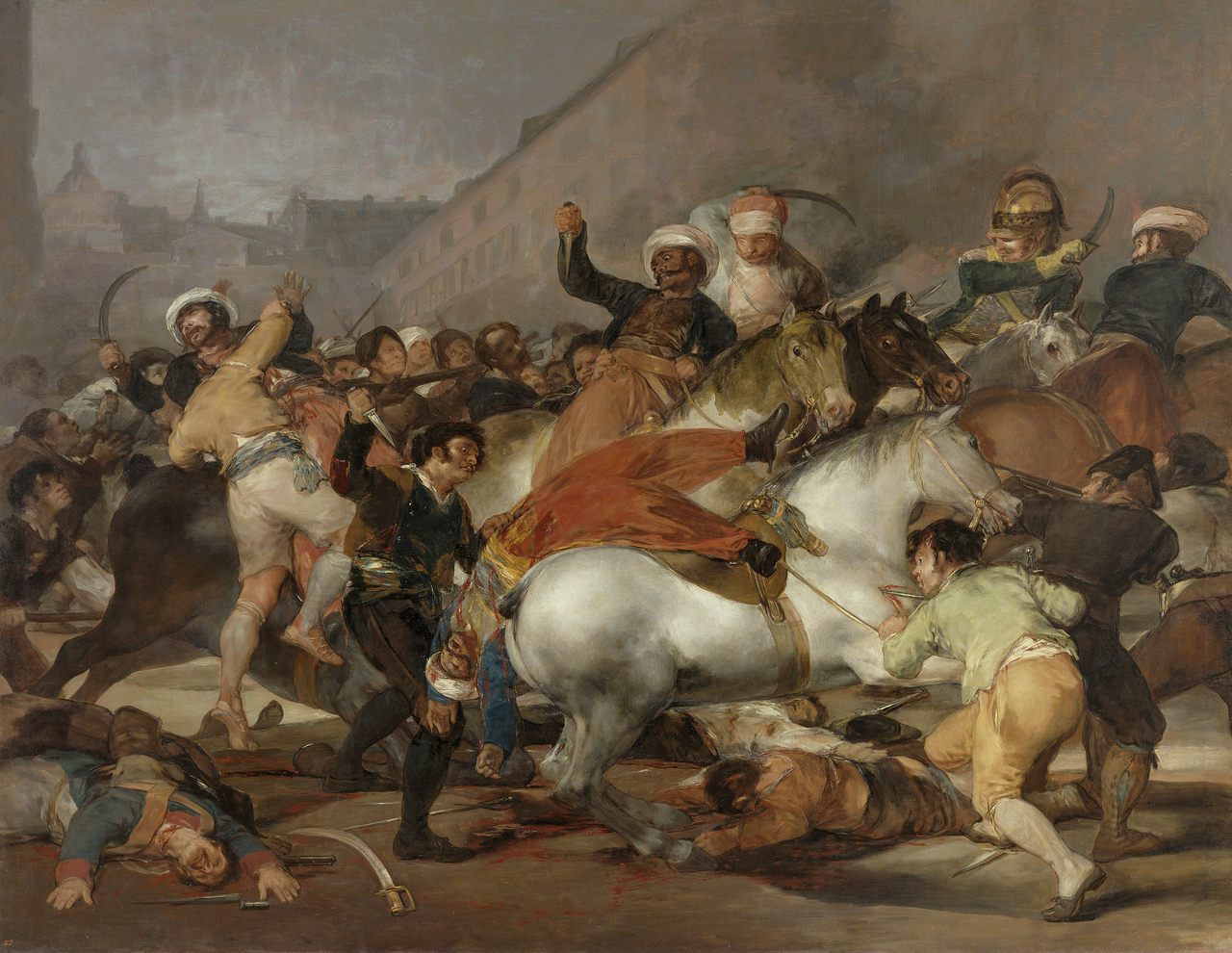
In 1808, the French forces of Napoleon Bonaparte invaded Spain.
Napoleon intended to exploit the turmoil gripping the country. The reigning king at the time was Ferdinand VII, who had seized the throne by riding a popular uprising against his own father, the former king Charles IV. Napoleon saw an opportunity in the chaos and moved to swallow Spain whole, presenting himself as a mediator in the royal dispute while backing his claim with overwhelming military force.
Napoleon installed his brother Joseph Bonaparte on the Spanish throne as José I and coerced Ferdinand VII into abdicating. The Spanish people were furious at Napoleon's unilateral decision — to them, France had simply placed a foreigner on their throne. They rose up again, this time under the banner of resistance against France. On May 2 of that year, crowds gathered around the plaza and gardens of the Royal Palace in Madrid to prevent the forced transfer of Don Francisco de Paula, the youngest son of Charles IV, to France. The French forces crushed the popular uprising with military violence — firing rifles and cannons, cutting and running through the crowd. In the end, the French prevailed. The following day, May 3, hundreds who had taken part in the May 2 uprising were executed by firing squad.
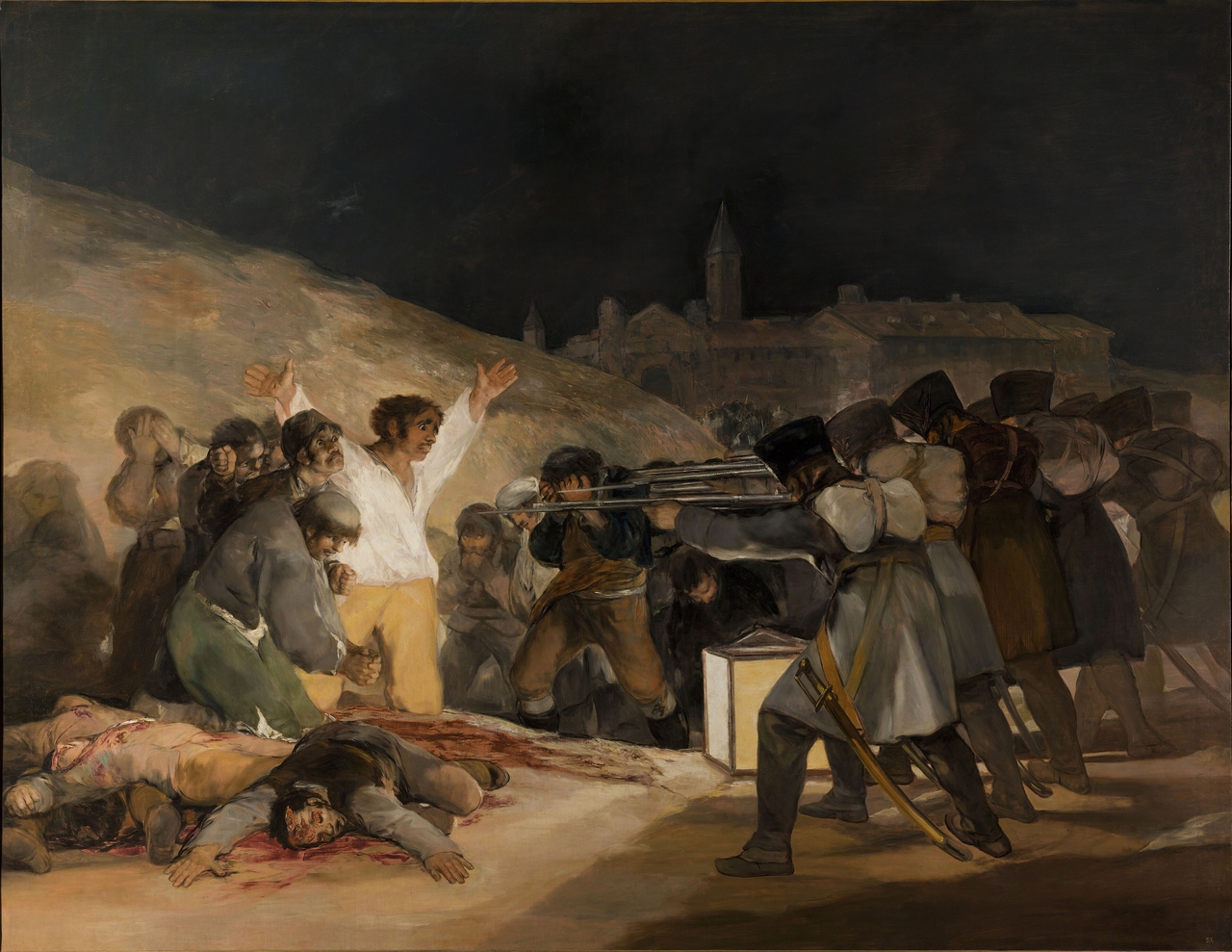
But the uprising was only beginning. Fires of resistance spread across Spain.
The Spanish people allied themselves with France's enemies — Britain and Portugal — and willingly took on the role of guerrilla fighters. They launched repeated surprise attacks on French forces resting in forests and fields, cutting and burning their supply lines. The two sides traded blows back and forth. An enraged Napoleon even led his army into the field himself. In the end, his ambition proved his undoing. Victory went to the anti-French alliance. The conflict, which lasted until 1814 and is also known as the Peninsular War, is often cited as the beginning of Napoleon's downfall.
The 'long-awaited king'
leads Spain backward
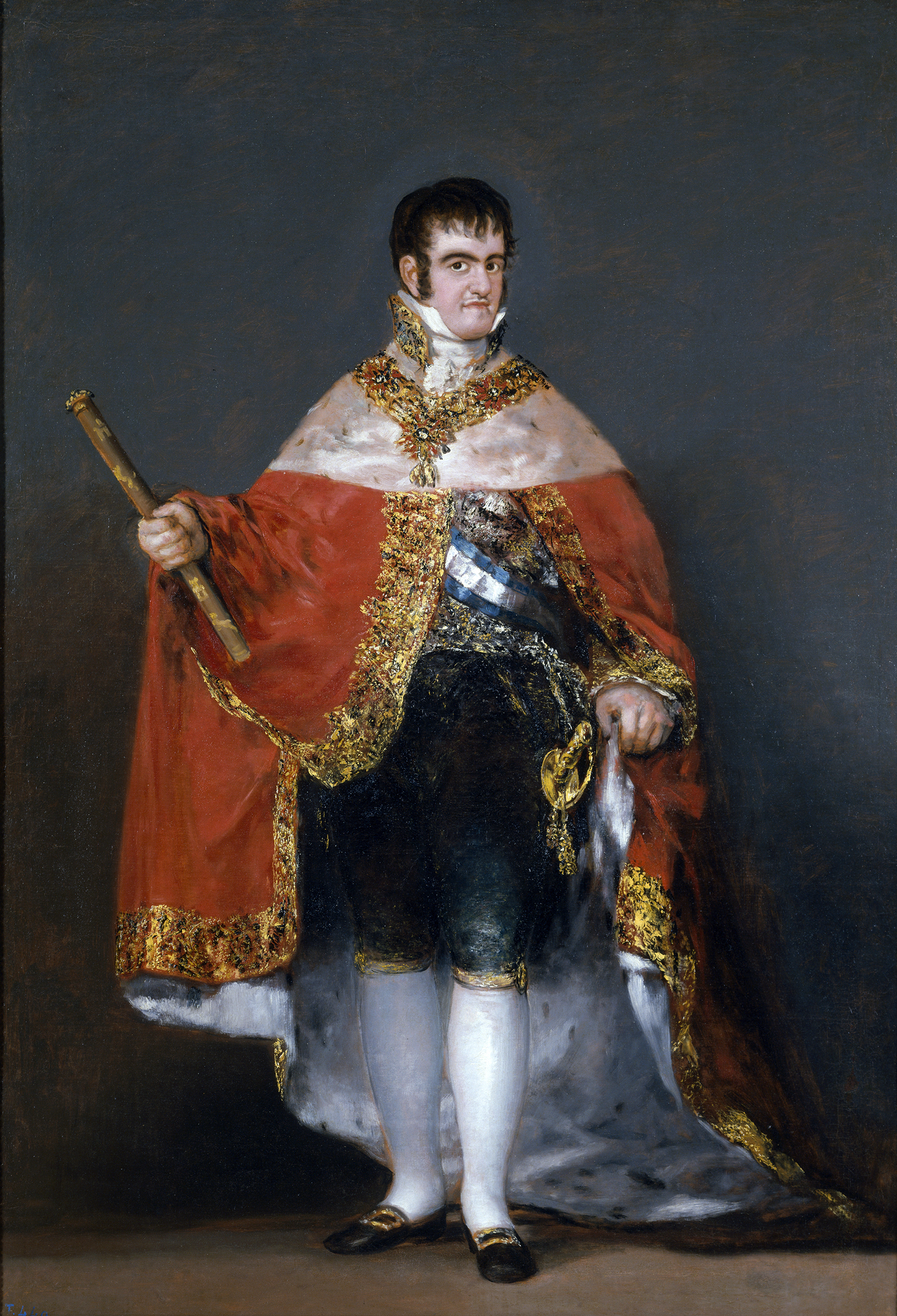
Ferdinand VII, who had been forced to step aside under Napoleon's pressure, returned to Spain as king.
Known by some as "El Deseado" — the Desired One — Ferdinand VII had every opportunity to do great things for a liberated Spain. He was still only twenty-nine. He was a monarch with youth, experience and a narrative of persecution behind him — a leader who had seized the chance to reform his country with passion and urgency.
It was all an illusion. Ferdinand VII proved to be a disastrous ruler, later described as "a tiger with the heart of a rabbit" — a man of spectacular incompetence. His greatest enthusiasm was reserved for the Inquisition. At a time when Spain desperately needed to move forward, he charged headlong in the opposite direction. When the dark clouds finally lifted, they were replaced by darker ones still.
Goya — court painter Goya — lived through all of it, witnessed it firsthand and felt it in his bones. He could not avoid hearing the endless reports of executions and massacres, no matter how much he wished to.
His paintings began to turn, in earnest, grotesque.
Saturn as symbol:
the French army? The current royal court?
Saturn, who had been gulping down his newborn children one by one, ultimately met his end at the hands of the sixth and last child he believed he had swallowed — Zeus.
In truth, what Saturn had put in his mouth that time was a stone wrapped in swaddling cloth — a ruse by his wife Rhea, who could no longer bear to watch. Zeus grew up in secret, gathering his strength. When the time came, he sought his long-awaited revenge. The two fought for a great while, and Zeus eventually tricked Saturn into disgorging all the siblings he had swallowed — from the stone, then Poseidon, back through to Hestia, in reverse order. Zeus joined forces with them, seized Saturn by the throat and cast him into Tartarus. Some traditions tell of what became of Saturn afterward, but he has long been held up as the archetype of the cruel ruler.
Did Goya paint France and Napoleon's circle into this figure of Saturn?
Was he seeking a kind of revenge by depicting, in raw and unflinching terms, their attempt to devour his homeland of Spain? Did he also embed a curse — that those who indulge every appetite will never come to a good end?
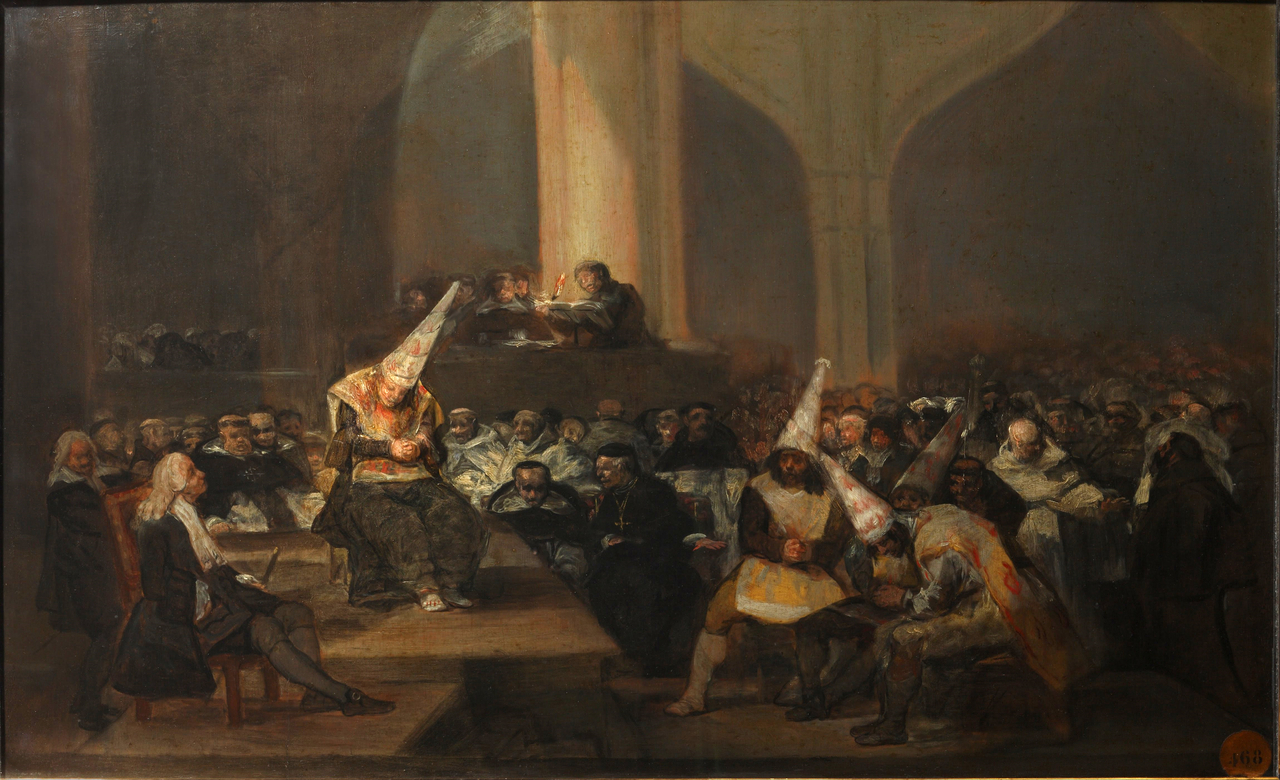
Another reading holds that Goya may have layered Ferdinand VII and his inner circle onto the figure of Saturn — targeting rulers whose greatest passion was nothing more than a senseless Inquisition.
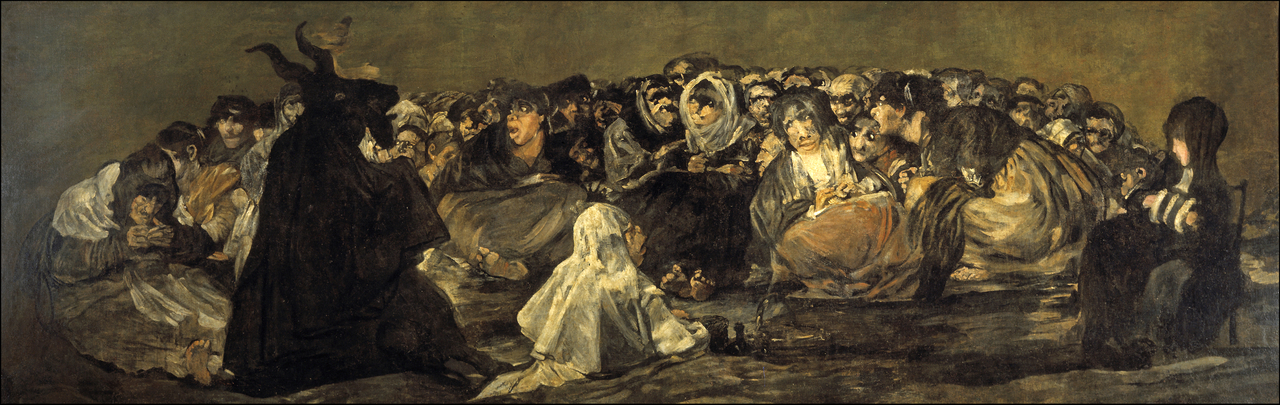
In that reading, Saturn represents the state, and the devoured child represents the people. Goya worked on "Witches' Sabbath" at the same time and in the same space as "Saturn Devouring His Son" — the two paintings could be viewed on the same floor of the same building. The scene shows a goat-like figure looming over a crowd of terrified witches. Some art historians link the two works, interpreting them as companion pieces aimed at skewering the Inquisition — a witch hunt built on superstition — and its consequences.
'Repeating the same mistakes':
disillusionment with humanity?
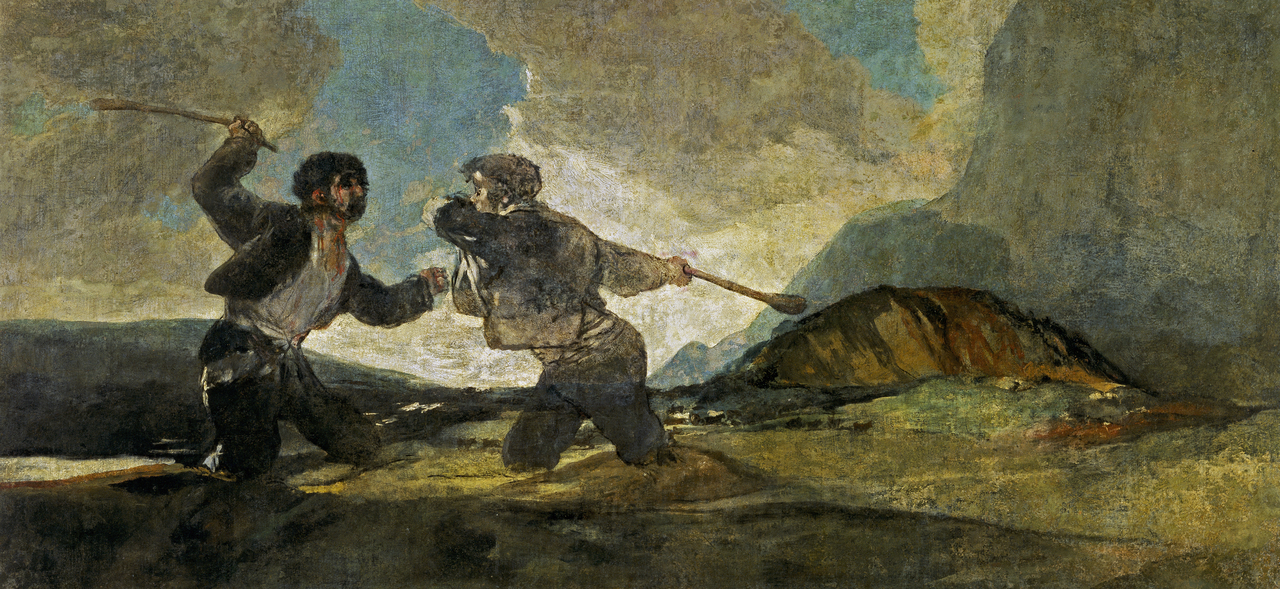
There is also the possibility that Goya painted "Saturn Devouring His Son" out of a profound disillusionment with humanity itself.
Goya appears to have once placed genuine hope in the Enlightenment. He had delivered a speech at the Academy arguing, in essence, that emotion must not be allowed to override reason. He had not always viewed France in an entirely negative light. France was Napoleon's country, but it was also the country of Voltaire and Jean-Jacques Rousseau. He may have believed that France's arrival could transform his homeland, still mired in superstition and old custom.
Indeed, there was a current in Spain at the time that did not regard France purely as an enemy. Many were simply opportunists, but there were those who genuinely hoped the ideals of the French Revolution might take root in their country.
Goya continued his work as court painter throughout the war.
According to the Museo del Prado, Goya pledged loyalty to José I, the so-called "intrusive king," and painted portraits of some of the new French-born ministers and officials — a fact that has left him open to accusations of opportunism to this day.
And yet, for all his idealism and sincerity, what the nation of Enlightenment actually did was massacre. French forces razed villages as if venting their rage. They lined up innocent residents against walls and shot them without hesitation. Some British troops who came ostensibly to help also looted, and even among the Spanish guerrillas, certain factions showed signs of fracture. It was, in every sense, a living hell.
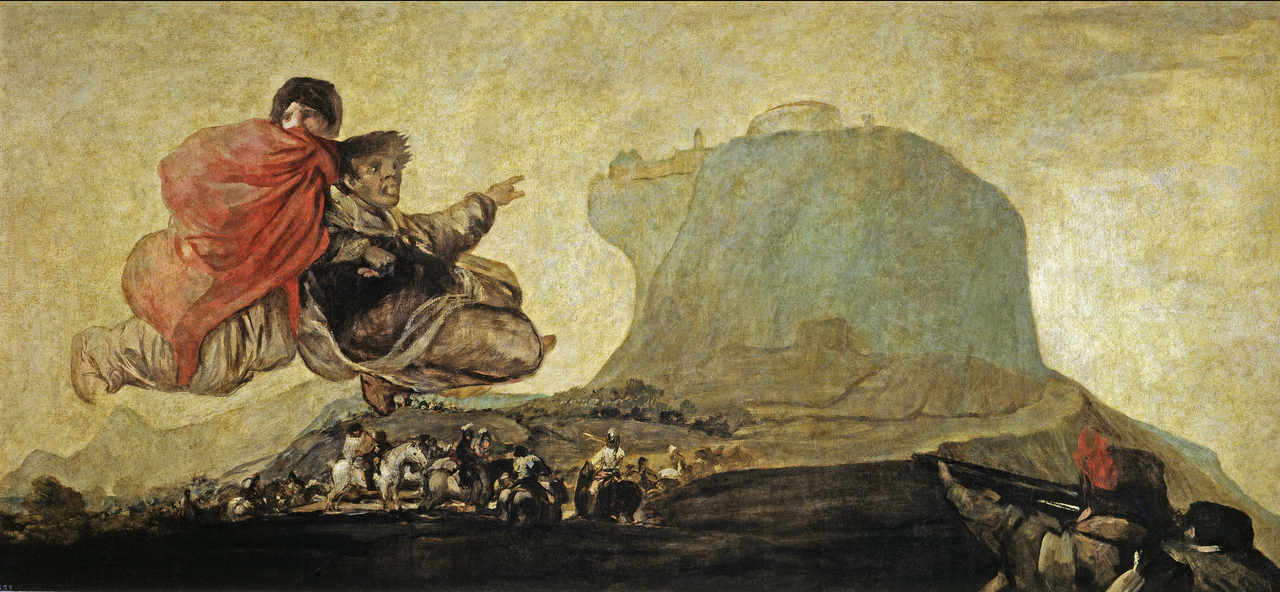
Enlightenment had been a mirage. Unrestrained, human beings were capable of anything in pursuit of desire. They repeated the same mistakes even knowing the history that preceded them. Creatures willing to do whatever it took for their own survival — and then, just as Saturn had overthrown his father only to be overthrown in turn by his own son, perpetuating the same cycle. Goya may have looked at humanity and seen Saturn staring back.
This reading is often linked to another painting from the same period, "Duel with Cudgels." Two figures swing their clubs at each other with murderous intent, as if nothing else in the world exists. They, too, are clearly repeating the same mistake.
Could it simply be
personal circumstance — or personal taste?
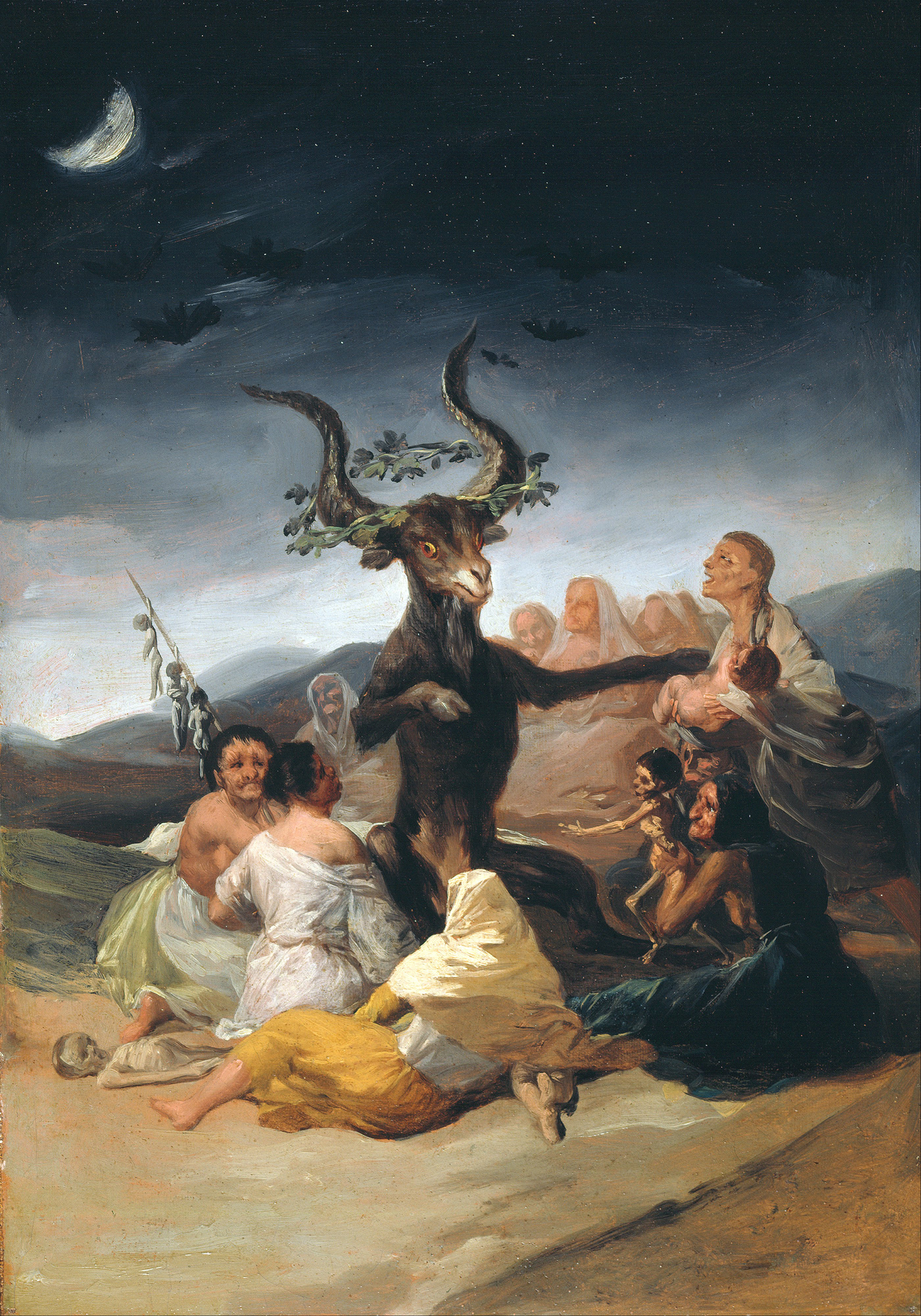
However, as art historian Teresa Vega has suggested, all of the above may amount to little more than overanalysis that has grown beyond its proper bounds.
It is also worth considering the possibility that Goya painted "Saturn Devouring His Son" for reasons that were simply personal — a matter of circumstance or temperament.
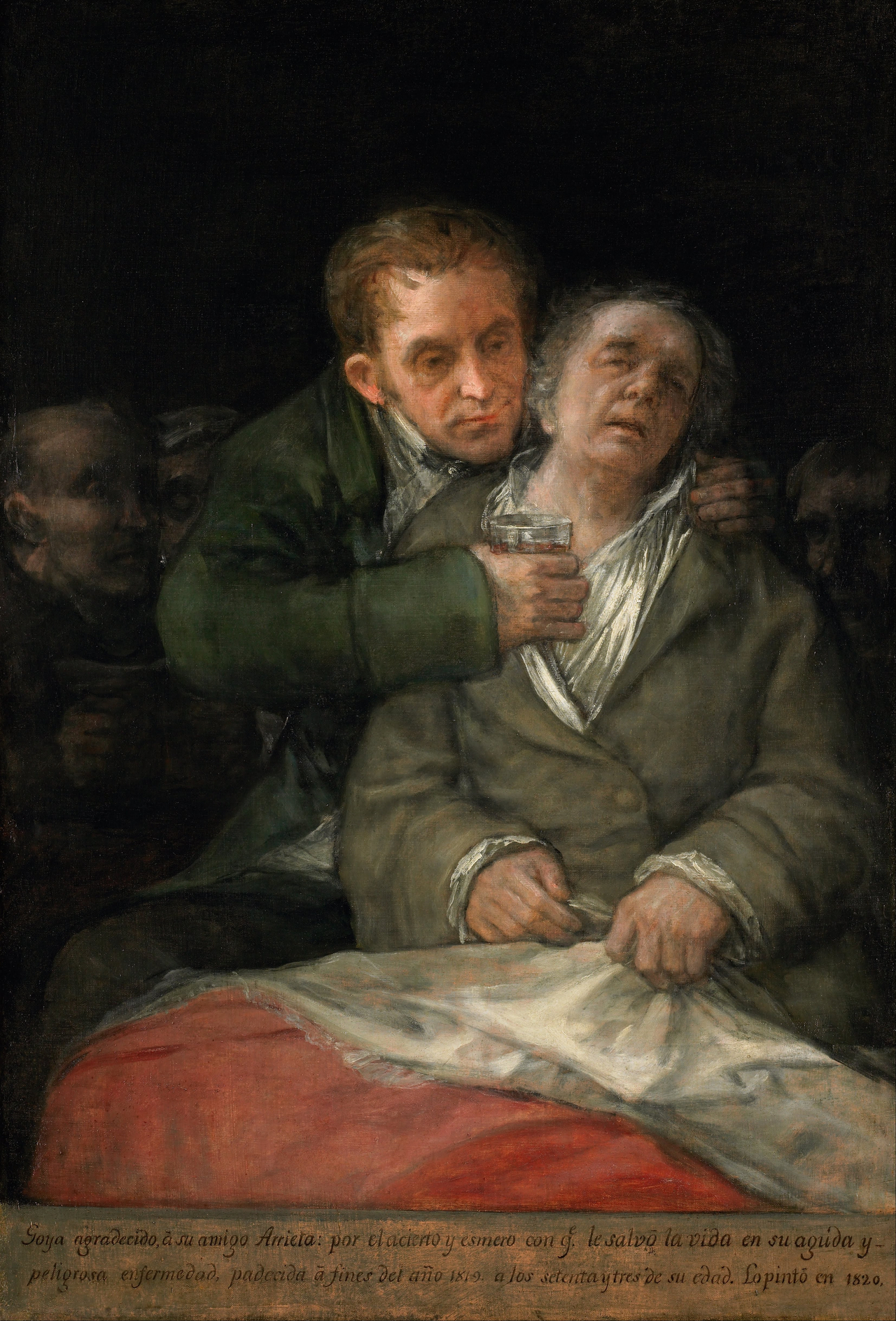
Goya had harbored big dreams from an early age. He was ambitious and hungry for success, and he had worked hard enough to rise from lower-middle-class origins to first court painter. It was not easy. Even during his tapestry cartoon years, he was already a target of envy and gossip. The relentless stream of commissions weighed on him. Then, in 1792, at the age of forty-six, he fell gravely ill with a mysterious fever and lost nearly all of his hearing as a result. He was also drawn into an Inquisition proceeding over a commissioned nude painting.
Ferdinand VII, José I, then Ferdinand VII again ...
As the king kept changing, Goya was repeatedly subjected to ideological scrutiny.
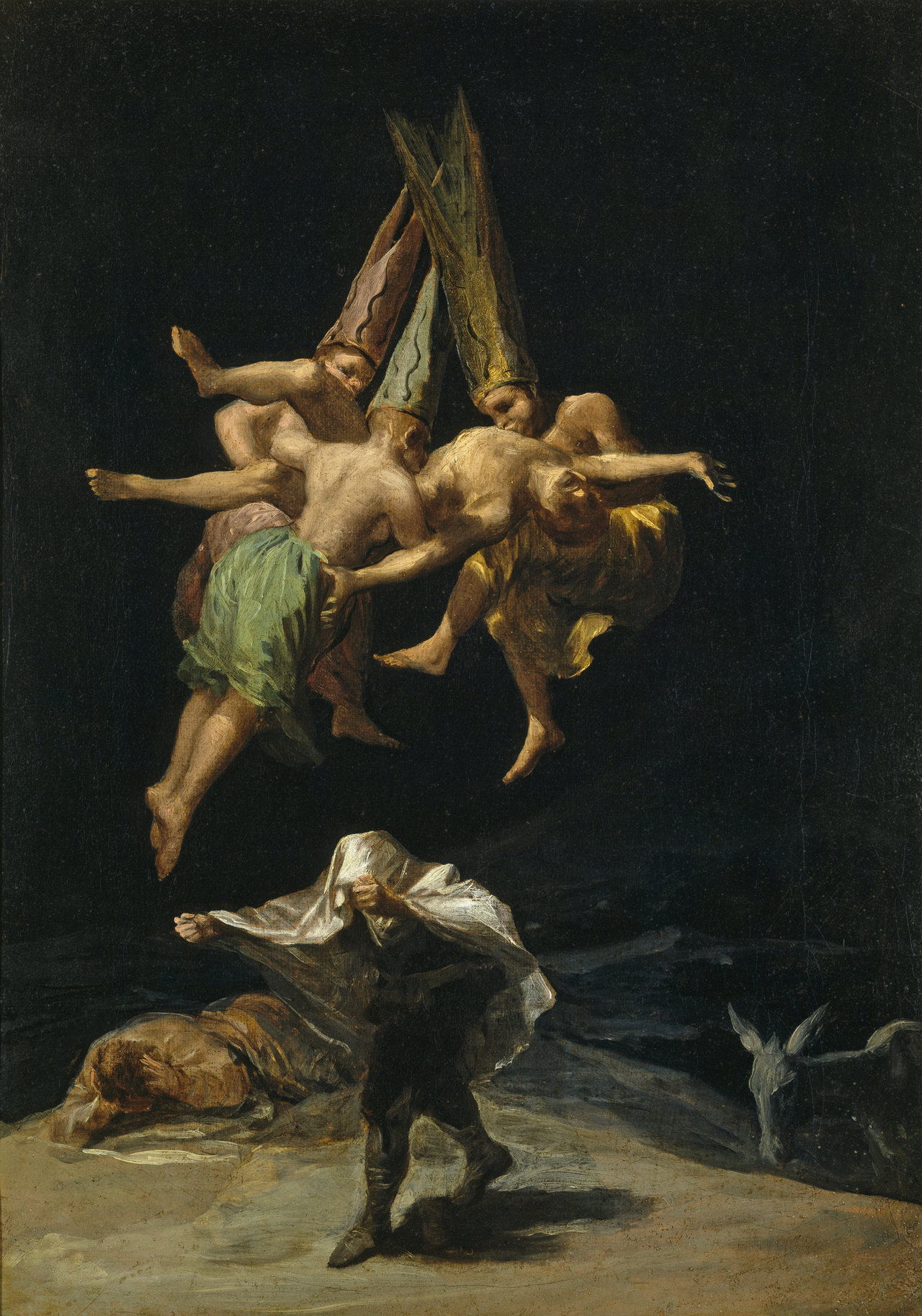
Around 1819, Goya retreated into near-seclusion, using a farmhouse on the outskirts of Madrid as his studio.
The house came to be known as the "Deaf Man's Villa" — both its previous owner and Goya himself suffered from hearing loss. Around that time, he also survived a serious illness, barely pulling through. After a life buffeted by wave after wave of hardship, all he had to show for it was an ailing body that had reached the age of seventy. Time had devoured everything — youth, passion, hope and even anger. Saturn, the god of agriculture, had in later tradition also become associated with time. This lends support to the view that Goya painted "Saturn Devouring His Son" to express the cruelty of time as he had personally lived and suffered it.
And while Goya had painted largely in the Rococo style in his youth, he had never hesitated to produce dark and brooding work alongside it.
Particularly after the mysterious fever, he seemed to sink ever deeper into the genres of cruelty, ambiguity and the macabre. His style did not flip overnight because of the war. This, too, supports the hypothesis that the reasons behind "Saturn Devouring His Son" can be traced not to sweeping philosophy or wartime experience, but to the more intimate story of the painter's own life.
Is it even Saturn
to begin with?
Goya painted "Saturn Devouring His Son" at the Deaf Man's Villa. "Witches' Sabbath" and "Duel with Cudgels" were also made there. Including those three, he produced fourteen or more paintings in that house — all of them dark and desolate in subject, and collectively known as the Black Paintings.
The works were originally all murals — painted in oil directly onto the plastered walls of the ground-floor and upper-floor living rooms, dining rooms and corridors.
Goya never intended to exhibit these paintings. He is believed to have written nothing about them and to have spoken of them to almost no one.
He did not even give them titles. Names such as "Saturn Devouring His Son" were assigned after his death. There is therefore no way to be entirely certain that Goya intended the monster in the painting to be Saturn at all. It is worth noting, too, that the Saturn of mythology swallows his children — he does not tear them apart and devour them. Goya scholar Fred Licht raised doubts on precisely these grounds, pointing to the absence of Saturn's traditional attributes — a scythe and an hourglass, among others — and calling the title "highly misleading."
Antonio Brugada, a friend and fellow painter who knew Goya at the time, is believed to have played a role in assigning the title "Saturn Devouring His Son."
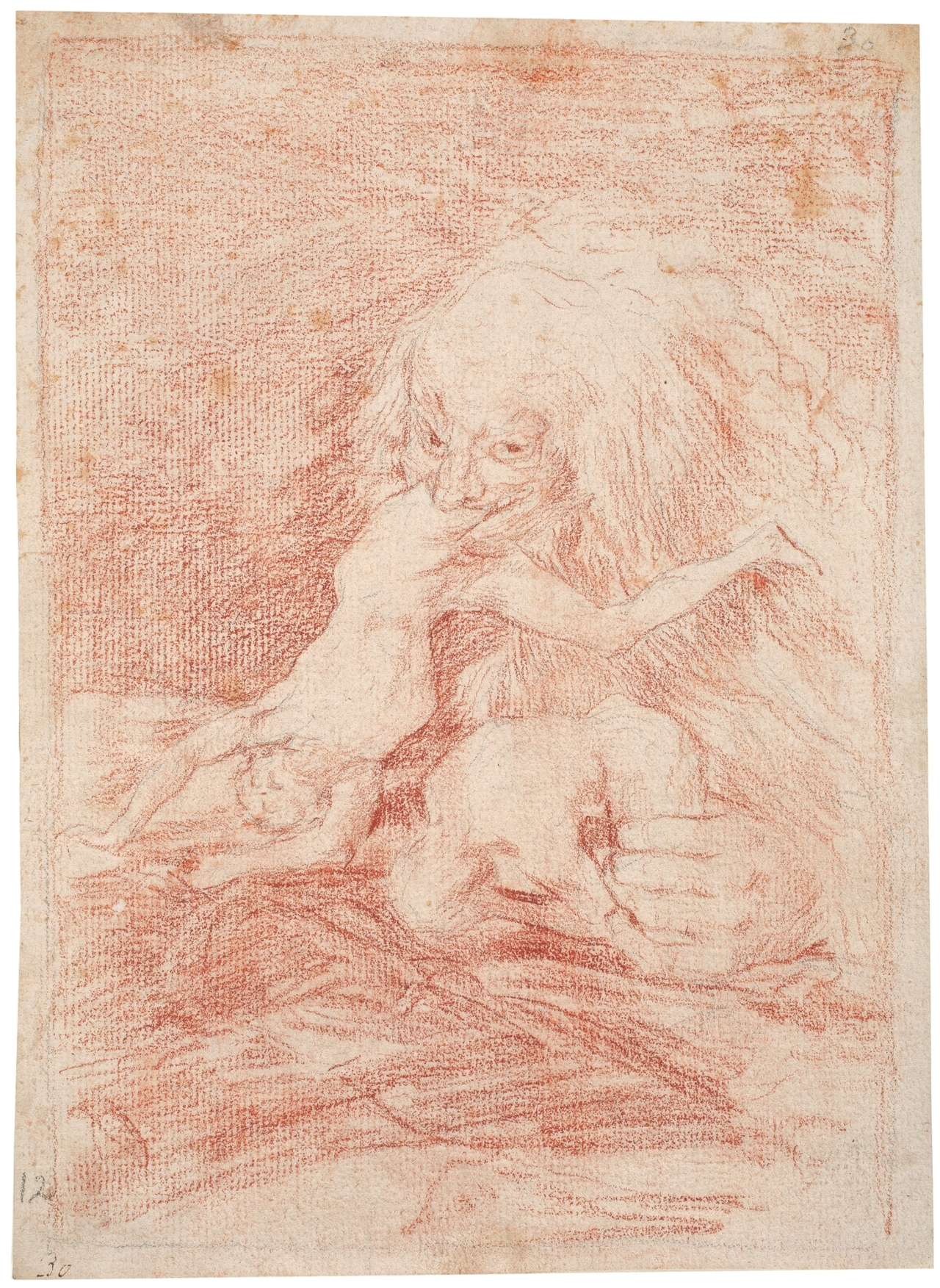
Brugada compiled a partial inventory of Goya's works shortly after his death. Why did he identify the figure as Saturn, despite the slight divergence from the traditional myth and the absence of the usual iconographic markers? He is said to have taken into account the possibility that Goya, in his younger years, had seen Peter Paul Rubens' painting "Saturn" — also known as "Saturn Devouring His Son" — in which Saturn likewise tears into a child, though at a considerably less extreme level than Goya's version. Whether Goya drew direct inspiration from Rubens is not known. It is also worth noting that Goya had painted an earlier work sometimes called "Saturn Devouring His Son" around 1797, before the Black Paintings series — though placed alongside the later work, it is far less graphic.
A mystery
that only deepens
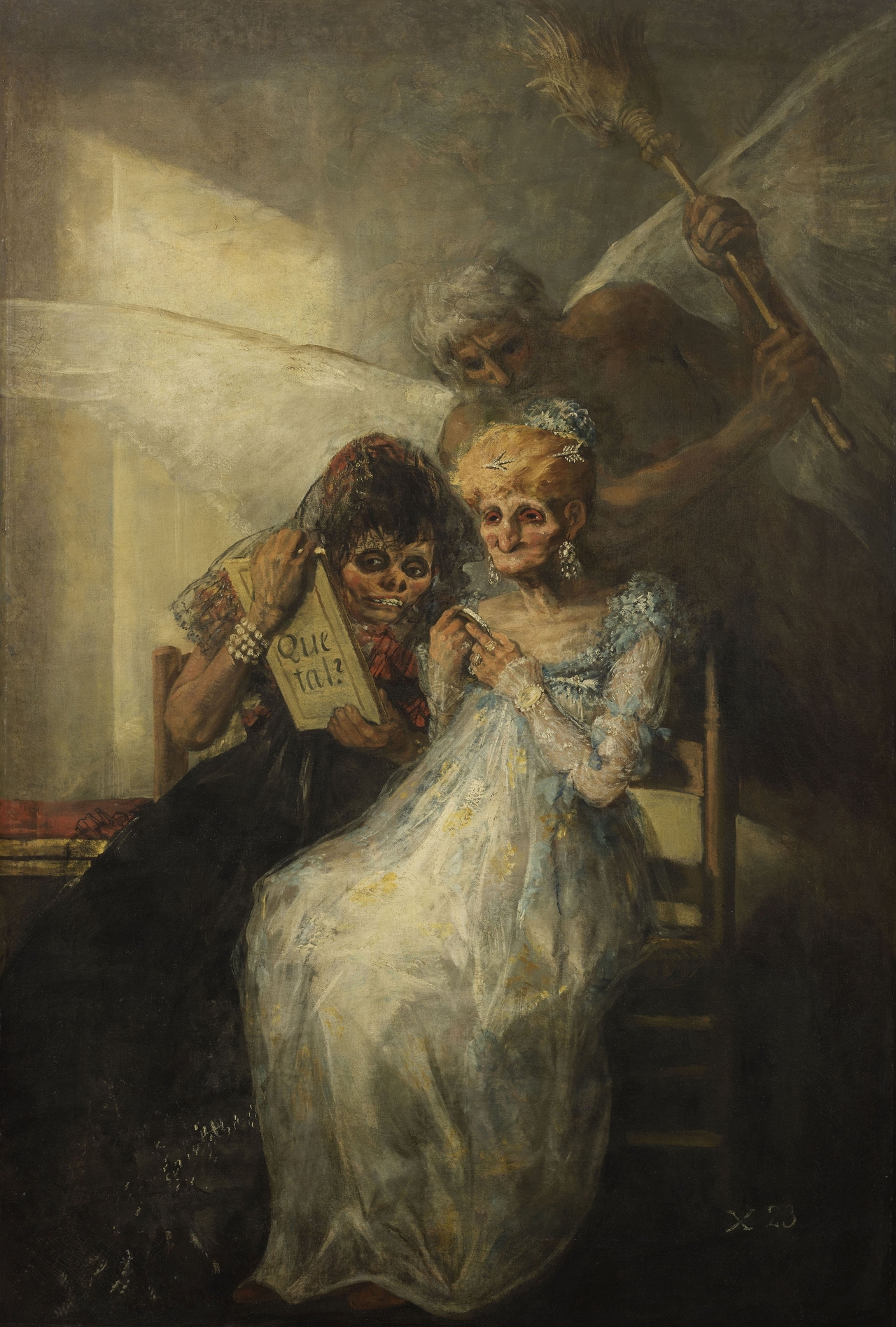
Goya died on April 16, 1828. His had been a journey as full of ambition as it was of upheaval. He was eighty-two.
Around 1874, roughly fifty years after Goya's death, the then-owner of the Deaf Man's Villa — Baron Frédéric Émile d'Erlanger — oversaw the transfer of the Black Paintings from the walls onto canvas. The process subjected the works to considerable alteration, prompting one observer to describe the results as "at best a rough copy of Goya's originals." The already mysterious paintings became, as a result, only more so.
We will likely never know what was truly in Goya's mind when he painted "Saturn Devouring His Son." But that is no cause for concern — art has never been a discipline in pursuit of a single correct answer for everyone. There may be an answer visible only to you. To feel, to remember, to imagine, and to turn it over in your mind from time to time — that may be enough. That is what art is. And that is precisely what makes it so captivating.
Goya remained unsettling to the very end, in a manner entirely his own. In 1919, when his remains were being transferred to the Royal Chapel in Madrid, his skull was found to be missing. The Spanish consul reported the matter to his superiors. The reply came back as follows:
Send Goya, with or without his head.
References
Blackburn, Julia., Old Man Goya, London: Jonathan Cape
Buchholz, Elke Linda., Francisco de Goya, Cologne: Konemann
Junquera, Juan Jose., The Black Paintings of Goya, London: Scala Publishers
Symmons, Sarah., Goya: A Life in Letters, Pimlico
yul@heraldcorp.com