Affluent travelers account for up to 25% of global travel spending
Experiences and discovery replace status-driven consumption
'Smart luxury' blends high-end choices with value-conscious trade-offs
Korean travelers prioritize quality balance over the lowest price
Spending patterns in the global travel market are being reshaped. Travelers are increasingly choosing private spaces and immersive cultural experiences over expensive displays of status, a shift spreading quickly into mainstream "smart luxury" consumption. Value-driven, discerning spending — cutting transport costs while splurging on accommodation and distinctive local experiences — is emerging as the new standard across the travel industry.
According to Visa Business and Economic Insights, the economic research arm of global payments technology company Visa, the travel market is currently led by a small group of high earners. Households with annual incomes exceeding $200,000 make up only about 5 percent of the total, yet they are estimated to account for up to 25 percent of global travel spending. Their consumption has shifted noticeably away from expensive and flashy choices toward experiences tailored to personal taste and new destinations — travel that satisfies the traveler rather than impresses an audience.
Privacy becomes the new luxury as travelers seek their own journey
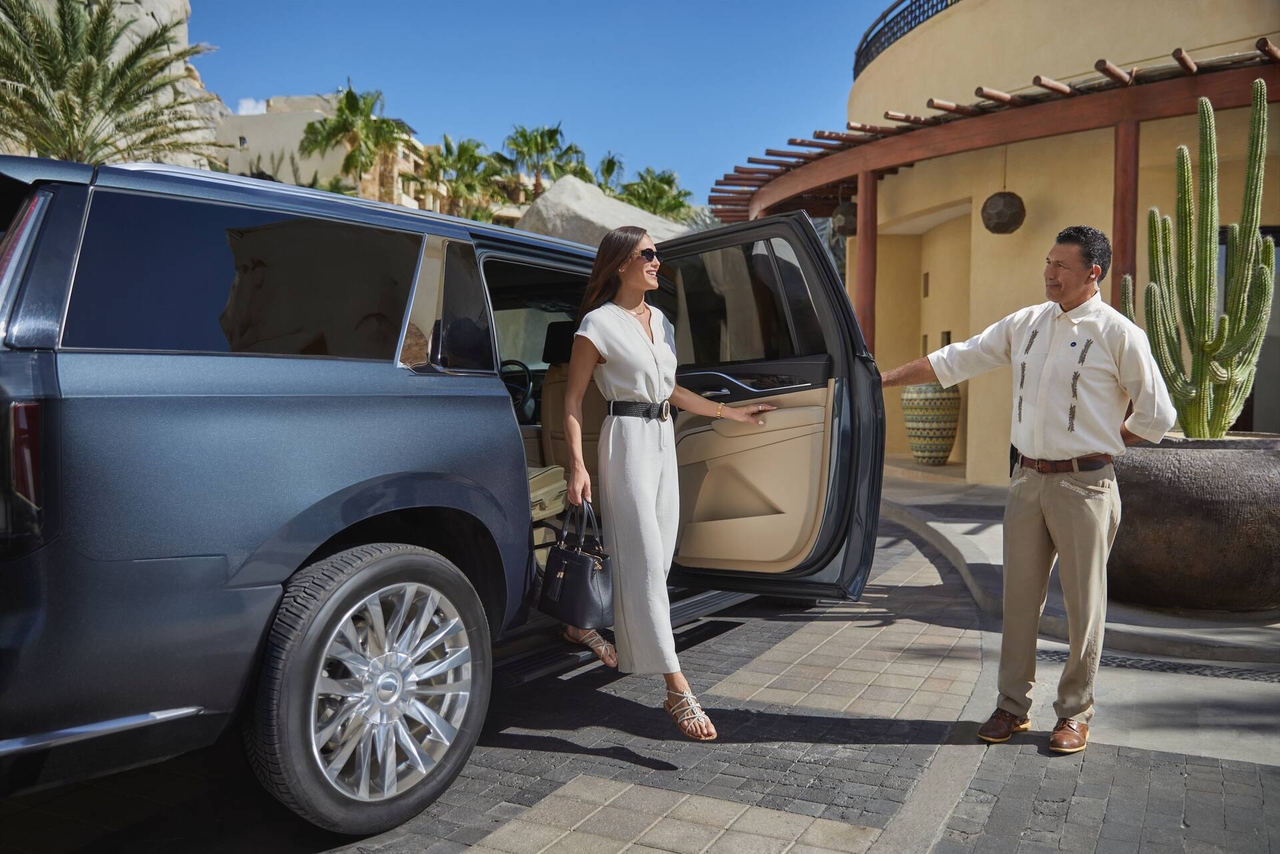
What affluent travelers want most is a private experience. The Luxe Report from Virtuoso, the global luxury travel network, defines privacy in the social media age — when a destination can go from hidden gem to overcrowded overnight — as "experiencing the world with as much ease as possible, without waiting in lines or being subjected to photography." Not sharing a space with strangers has become the core value of premium travel.
Demand for exclusive-use vacation villas over mainstream hotels is growing as a result. The main draws are the absence of shared common areas with other guests and the freedom to set one's own schedule without being tied to fixed breakfast hours.
The same trend is visible at airports. Diamond Air, an airport protocol and VIP services company, opened a private remote check-in lounge near London Heathrow Airport on Oct. 1. Passengers can dine and relax in the lounge overlooking the runway, complete check-in and baggage drop there instead of navigating the crowded terminal, and then travel to the gate by private vehicle.
Slow luxury — savoring a leisurely pace and engaging deeply with local culture rather than rushing between destinations — is also expected to gain attention. The emerging view is that the value of a trip lies not in how many places one visits but in how deeply one experiences a single place. The Northern Belle, a British tourist train restored to its 1930s style, will launch day-trip programs from 2027 offering caviar blinis and afternoon tea while passengers take in the passing scenery.
River cruises have also emerged as an alternative. Unlike ocean cruise ships, river vessels pass directly through inland cities and towns and carry far fewer passengers, creating a more intimate atmosphere. The Viking Sekhmet, a new river ship that Viking Cruises, the Swiss global cruise line, is deploying on the Nile this month, has a capacity of 82 passengers. Next year, the company plans to offer a 12-day Nile total solar eclipse itinerary alongside its signature "Pharaohs and Pyramids" voyage.
Spend where it counts, save where it doesn't: smart luxury takes hold in Korea too
This trend is not confined to the wealthy. The "pick and choose" approach — spending carefully overall but opening the wallet freely for experiences that truly matter — is spreading rapidly among ordinary travelers as well.
"The way consumers define value is changing," said Kunal Chatterjee, president of Visa Korea. "Particularly in travel, a growing number of consumers are prioritizing experiences, discovery and values that enrich their lives."
The most common expression of this is mixing premium and value options. Travelers cut transport costs by choosing premium economy or economy class instead of business or first class, then redirect the savings toward personal cultural experiences or moments that hold genuine meaning for them.
The shift is clearly visible in South Korea, where appetite for overseas travel is high. According to Hilton's 2027 Trends Report, 90 percent of Korean respondents had taken a leisure trip in the past year and 41 percent said they plan to increase their travel spending — 4 percentage points and 6 percentage points above the global averages, respectively. Travelers are spending more but spending more selectively: only 10 percent of respondents named the lowest price as their top priority when choosing accommodation, while 54 percent said they prioritize a balance between price and quality.
The findings suggest that carefully weighing the overall quality and balanced satisfaction of an entire trip — rather than showing off — has become the dominant consumer mindset. "Korean travelers place greater value on getting proper rest or spending comfortable, meaningful time with loved ones," said Heather Lavern, vice president of international co-brand and financial services partnerships at Hilton. "Travelers are no longer just looking at the price tag — they are looking for genuine value."
terry@heraldcorp.com