Survey compares 58 dating show contestants with 71 non-participants
Higher grandiose narcissism linked to 2.6x greater likelihood of appearing; appearance-based self-esteem 2.1x higher
Top motivation for appearing was 'new experiences,' not love

People who appear on dating reality shows tend to see themselves as more special than the average person and are more likely to derive self-esteem from their looks, a new study has found.
Dating reality shows have attracted global audiences, yet research has largely focused on their effects on viewers. Little has been known about the personalities of the contestants themselves.
A research team led by Leonie Schlebusch and Sara Schuster of the University of Salzburg in Austria published findings comparing the personalities of dating show contestants with those of the general public in Psychology of Popular Media, an international academic journal published by the American Psychological Association.

Contestants show stronger desire for attention
The research team surveyed 58 people who had appeared on dating reality shows broadcast between 2017 and 2024, along with 71 people who had never appeared on such programs, using an online questionnaire.
The shows included formats such as "The Bachelor," "Love Island" and "Ex on the Beach." Some featured multiple women competing for a single man, while others placed men and women together in a shared house to find romantic partners. Some programs introduced former partners to generate conflict. All shared the common element of broadcasting the dating process and subjecting contestants to audience judgment.
The survey measured anxiety and avoidance tendencies in romantic relationships, the sources from which participants derived their self-esteem, and the degree of narcissistic traits.
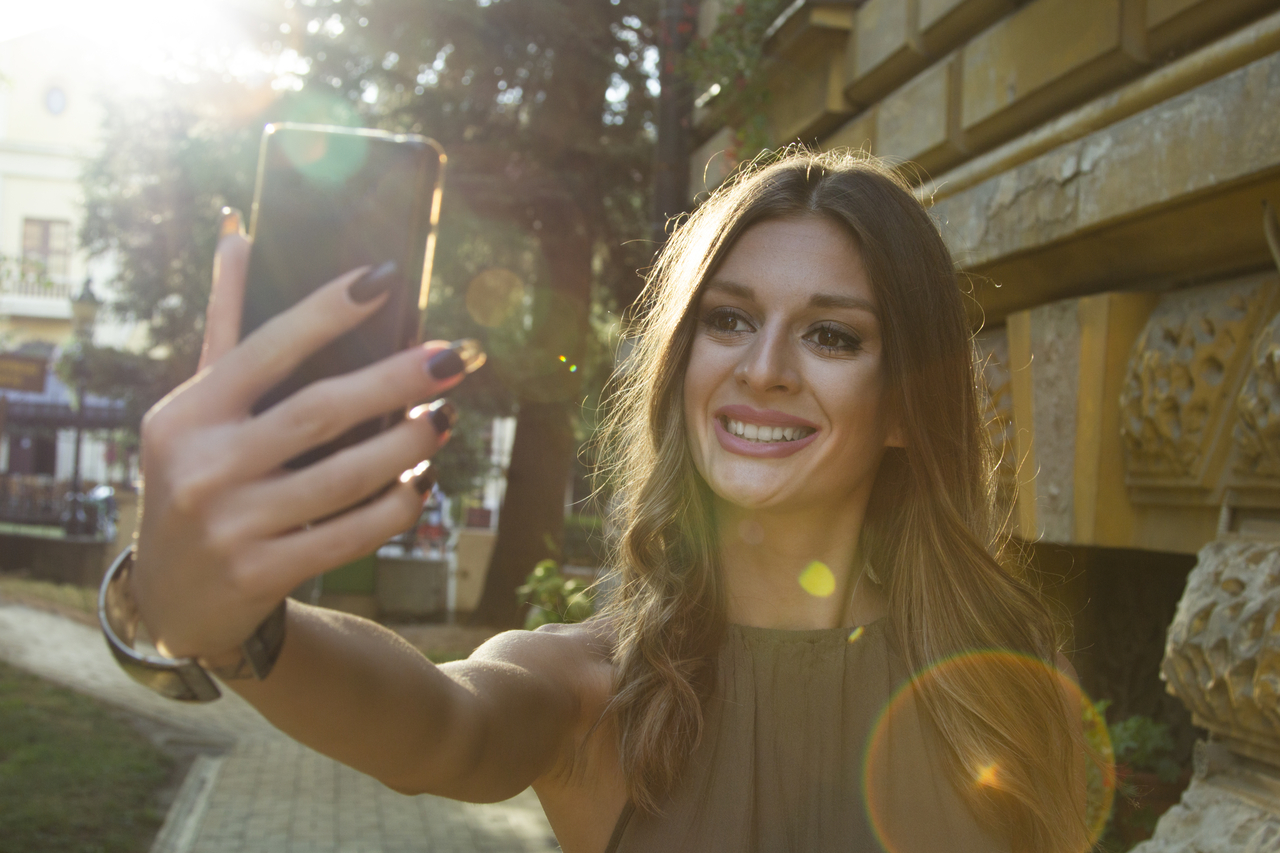
Narcissism refers to a tendency to focus on oneself and seek validation from others.
The team measured two subtypes: grandiose and vulnerable. Grandiose narcissism describes people who believe they are special, enjoy being the center of attention and seek to lead others. Vulnerable narcissism describes those who are easily hurt by criticism, feel anxious in social situations and privately doubt themselves. Both are personality traits, not the clinical condition of narcissistic personality disorder.
The analysis found that higher grandiose narcissism scores were associated with a greater likelihood of having appeared on a dating show. Each one-unit increase in the score was linked to 2.6 times greater odds of belonging to the contestant group. Vulnerable narcissism, by contrast, showed no significant association with whether someone had appeared on a show.
The researchers said people with stronger vulnerable narcissistic traits may have avoided appearing on such programs because of their sensitivity to public criticism and negative comments.
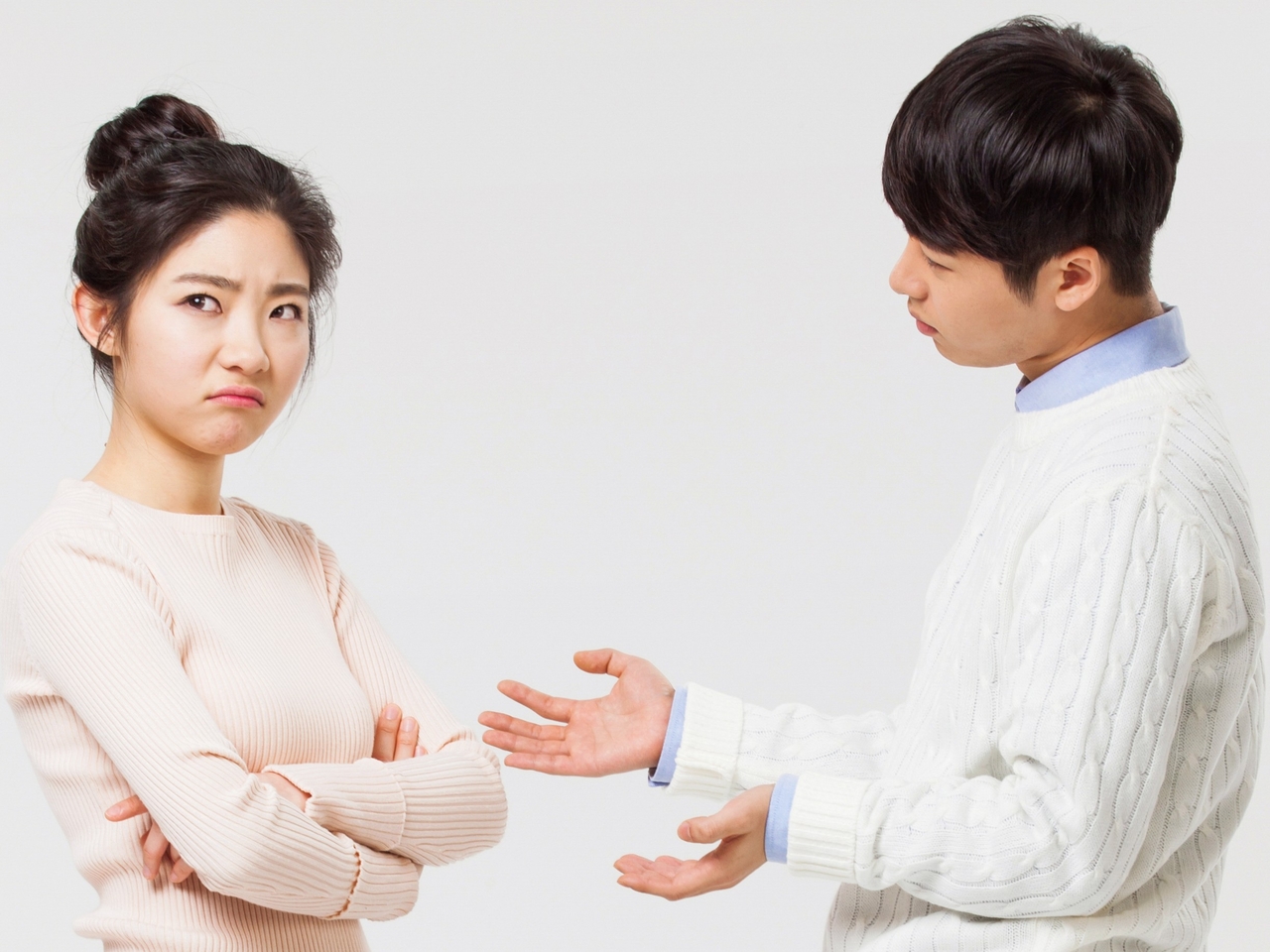
Contestants actually scored lower on anxiety about being abandoned in romantic relationships. Each one-unit increase in attachment anxiety was associated with a 54 percent decrease in the likelihood of having appeared on a show. The team concluded that people less afraid of rejection are better able to tolerate dating openly in front of an audience.
The sources of self-esteem also differed between the two groups. Each one-unit increase in appearance-based self-esteem was linked to 2.1 times greater odds of being a contestant. Competitive self-esteem, however, showed no significant difference between the two groups. The researchers concluded that the desire to present oneself and receive validation for one's appearance played a larger role than competitiveness.
'They weren't there to find love'
The team also asked a subset of contestants why they had chosen to appear. The most common answer was "new experiences and fun," cited by 10 people. "Wanting attention on Instagram and other platforms" came second, with six respondents, while five said they appeared because they wanted to meet people.
One contestant said the motivation was "a desire to go on an adventure," while another said it was "to boost my visitor count on Instagram."
The researchers said finding love was not entirely absent as a motivation, but it was not the top priority.
When asked what had changed after appearing on a show, the most common response — from 13 people — was that nothing had changed. Four said their confidence had increased, and four others said their self-esteem had declined.
One contestant said, "My self-esteem took a real hit because of people who don't even know me." The researchers said negative effects generally did not last long.
The findings also challenged the common assumption that contestants tend to be less educated or intellectually inclined. Some 44.8 percent of contestants held university degrees, and many had stable employment.
The team said negative perceptions of dating show contestants may reflect social bias more than the participants' actual characteristics.
However, one limitation of the study is the low reliability of the narcissism measurement scale used in the survey. The researchers said the findings should be interpreted with caution.
Reference
DOI: 10.1037/ppm0000682
L. Schlebusch, F. Hutzler, & S. Schuster, Narcissism on the beach? Attachment style, personality, and self-esteem contingencies of dating-show participants, Psychol. Pop. Media
dbsdn1110@heraldcorp.com