Elementary school students in Gimhae face allegations of killing kittens and birds at apartment complex
Recent study finds children who abuse animals are up to 8 times more likely to have witnessed abuse themselves
A look at what can happen to our dogs and cats — the policies, research and global cases behind the incidents.

Allegations that elementary school students in Gimhae, South Gyeongsang Province, brutally killed kittens and birds have drawn fresh attention to how child animal abuse should be handled, after students at the scene were reported to have said they would face no punishment because they are juveniles under criminal age.
Under South Korea's Juvenile Act, children aged 10 to under 14 who commit acts that would otherwise constitute crimes are classified as juveniles under criminal age. They are exempt from criminal prosecution; instead, a family court's juvenile division may issue a protective disposition — placing them under parental supervision, ordering probation or sending them to a juvenile reformatory. Children under 10 are not even subject to protective dispositions.
According to Yonhap and animal rights groups, Life — a group advocating respect for living beings — filed a complaint Wednesday with the Gimhae West Police Station against elementary school students over alleged animal abuse at an apartment complex in Gimhae's Jangyou area on Tuesday. Life alleged that the students beat kittens to death with rocks and destroyed bird nests, killing the chicks inside.
Animal rights group Care also alleged that some students tried to flush a live kitten down a toilet, smashed a bird's nest with a baseball bat and threw animal carcasses into the yard of a nearby kindergarten.
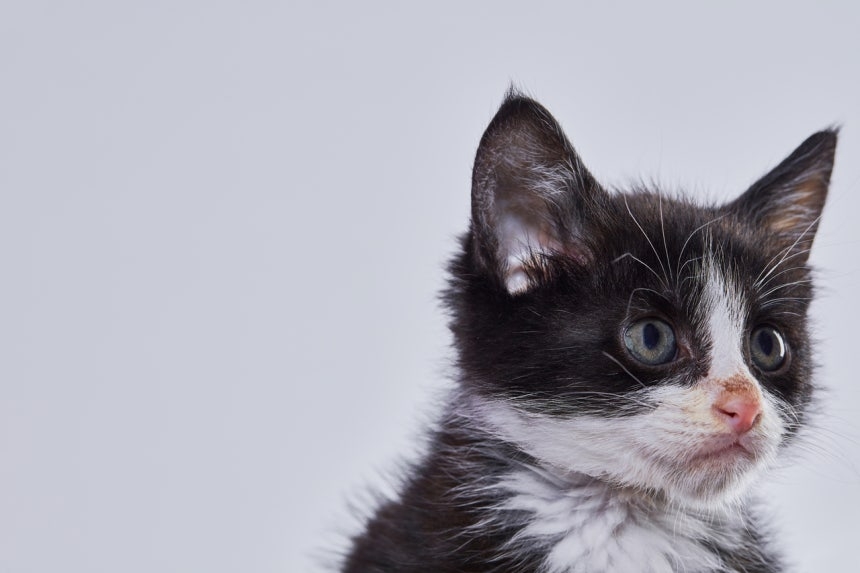
Care said the students "roamed the apartment complex with baseball bats, brutally killing cats and small birds," adding that other students witnessed an incident in which a kitten was placed in a commercial restroom toilet and flushed — only for the kitten to be ejected back out.
Gimhae Elementary School A, where the students are believed to be enrolled, sent a notice to parents Nov. 5 saying: "Please let your children know that harassing animals, pinching them or throwing rocks at them is not mere mischief — it is animal abuse that causes suffering." The school added that it would continue to provide education and attention so students could recognize the value of life, respect one another and grow up safely and happily.
Life said that "acts that trample on life should not be taken lightly just because the perpetrators are young," while also noting that "a process is needed to help students confront their wrongdoing and change for the better."

Children who abuse animals linked to bullying — witnesses at risk too
Recent research has found a close link between animal abuse by children and adolescents and bullying of peers.
A research team at the University of Helsinki in Finland published a study in the international journal Deviant Behavior in May 2024, based on a survey of 5,674 Finnish ninth-graders with an average age of 15.3. The study analyzed data from a 2020 national self-reported juvenile delinquency survey conducted across 74 schools.
Some 5.15 percent of respondents — 292 students — said they had deliberately hurt an animal. When researchers examined the other behaviors of those students, the strongest association was with having bullied peers.
For each additional level of bullying severity, the likelihood of having abused an animal rose by a factor of 1.89. A link was also found with non-violent delinquency such as theft and vandalism.
By contrast, no clear association emerged with violent offenses such as physical assault. The research team interpreted the findings as suggesting that animal abuse in adolescents resembles the tendency to bully peers.

Students who had witnessed someone else abusing an animal even once were 4.77 times more likely to have abused an animal themselves than those who had never witnessed such abuse; those who had witnessed it multiple times were 8.25 times more likely.
Students who said they felt an animal "deserved it" or found it "fun" to watch an animal being mistreated were 17.73 times more likely to have committed abuse themselves than those who said they felt sad.
The research team recommended that methods used to prevent bullying and delinquency could also help prevent animal abuse, and called for animal welfare organizations and child welfare agencies to work together in response.
Earlier studies have reached similar conclusions.
A systematic review published in the journal Aggression and Violent Behavior in 2019 by a research team including scholars from the University of Turin in Italy synthesized 32 studies published between 1995 and 2017.
The team found that animal abuse in childhood and adolescence tended to co-occur with bullying, behavioral problems, experiences of victimization and juvenile delinquency.
Some studies also found that repeated animal abuse in childhood was a significant predictor of violence against people in adulthood.

US mandates counseling; Scotland runs empathy education from age 3
Several US states prioritize treatment over punishment for children who abuse animals. Section 54.0407 of the Texas Family Code requires juvenile courts to order mandatory psychological counseling for any child found to have committed a delinquent act constituting animal abuse.
Colorado's children's code allows courts to order minors who deliberately harm or kill animals to complete anger management or mental health treatment programs. Courts may also prohibit the child or the family from owning a pet.
Many states have also institutionalized psychiatric evaluation and treatment for animal abusers. According to the Animal Legal Defense Fund, as of last December, 37 US states and three territories either require or allow courts to order a psychiatric evaluation before sentencing for those convicted of animal abuse.
The Scottish Society for the Prevention of Cruelty to Animals has operated Animal Guardians, an animal abuse prevention program for children aged 3 to 16, since 2018. The program targets not only children who have hit or killed animals, but also those who have teased, frightened or otherwise mistreated them — including cutting their fur or whiskers.
According to local media including STV, more than 300 children have been referred to the program since its launch, with 102 completing the course last year alone.
An evaluation published in February this year by a research team at the University of Edinburgh found that children who participated in the program showed significantly greater improvements in animal welfare knowledge, behavior toward animals and empathy compared with a control group that did not participate.
Susan Whitten, the Animal Guardians program officer, said: "With the right support, children can learn to care for others and manage their emotions."
dbsdn1110@heraldcorp.com