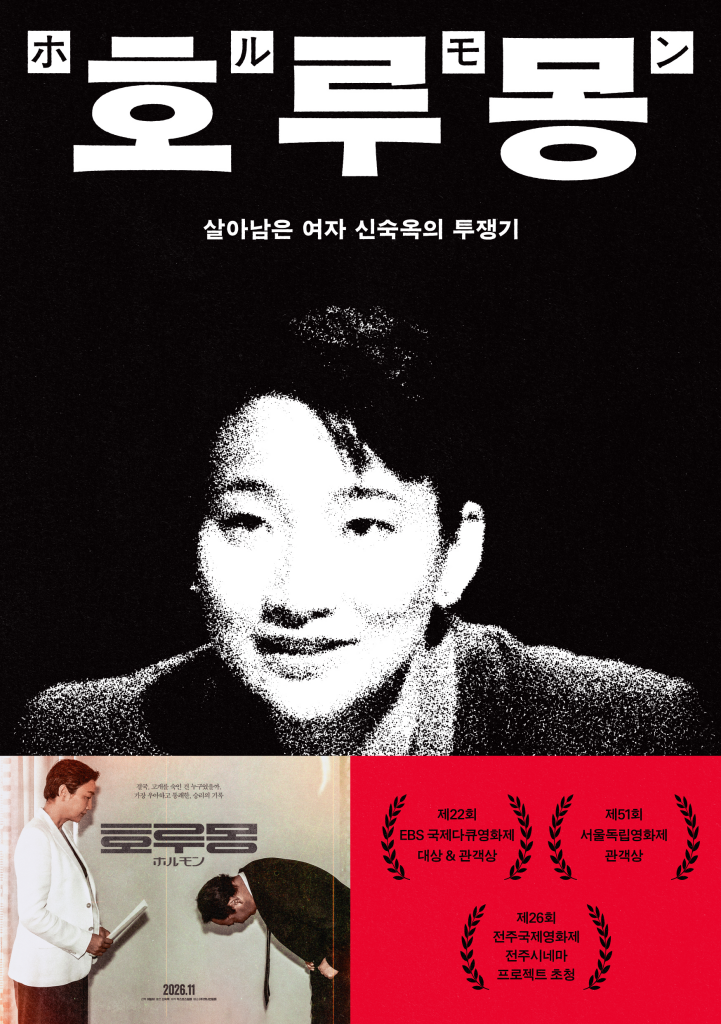
"Horumong" (by Shin Suk-ok and Lee Il-ha, Louder Books) — In 1996, Shin Suk-ok, a third-generation Zainichi Korean, appeared on a Japanese television debate and methodically dismantled the taunts of right-wing commentators over the issue of Japanese military comfort women. The book begins with curiosity about Shin and traces the lives of three generations of Zainichi women — Shin, her mother and her grandmother — to examine the deep roots of discrimination and hatred in Japanese society. Shin's grandmother, Lee Baek-ran, crossed to Japan at 14 and endured the hardships of immigrant life. Her mother, Kim Gye-seon, bore contempt, poverty and violence simply for being Korean. Shin refused to absorb discrimination in silence. Accepting the professional costs, she became a human rights activist and fought openly against hatred and falsehood in Japanese society. "Horumong" — offal discarded by Japanese people that Zainichi Koreans gathered and ate to survive — gives the book its title and its symbol. As one testimony puts it: "To live is to win. To have survived is itself a hymn. But to do so, we had to endure pain enough to kill us." The book vividly portrays people who, even under oppression and discrimination, fought to preserve their identity and reclaim their dignity.
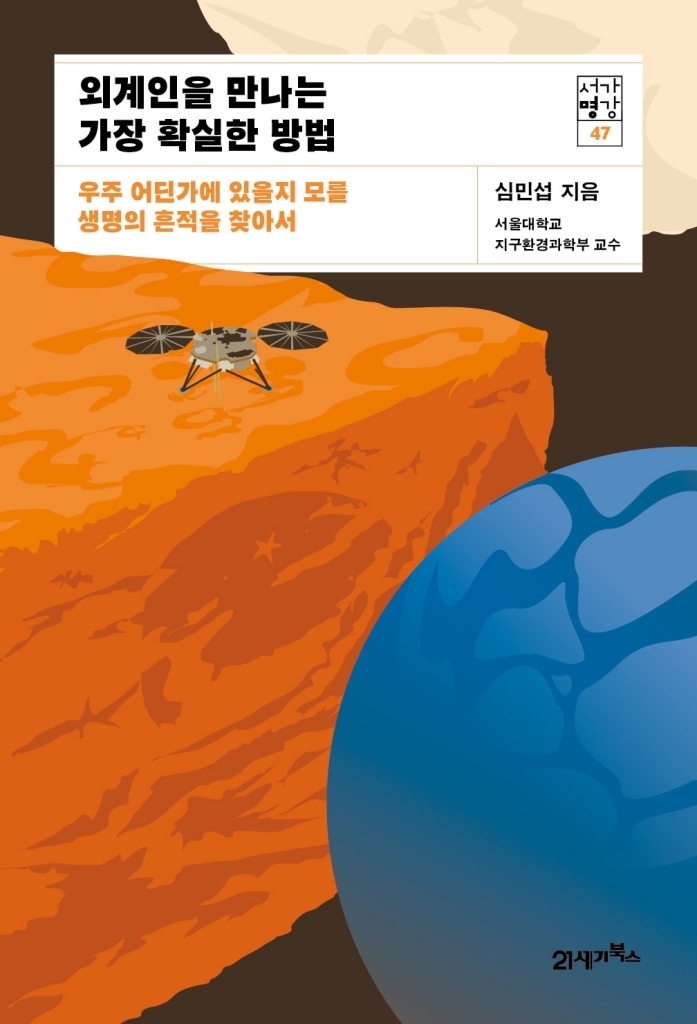
"The Surest Way to Meet an Alien" (by Shim Min-seop, 21st Century Books) — Does life exist beyond Earth? Scientists have long explored the cosmos in search of an answer. Shim Min-seop, a planetary geologist and professor in the Department of Earth and Environmental Sciences at Seoul National University, begins not in outer space but closer to home: he examines nearly 4.5 billion years of Earth's history first. Understanding the conditions that allowed life to emerge and evolve on Earth, he argues, is the key to gauging whether life could have left traces elsewhere. Shim then holds Earth's history up against Mars, asking whether life might be found there. He approaches the mysteries of the universe not through vague speculation but through scientific evidence — atmospheric and environmental data, biomarkers (chemical traces left by biological activity) and radiometric analysis of rocks. Understanding the universe, the book suggests, is ultimately another way of understanding Earth. By comparing our planet's history with that of others, the book invites readers to reflect on Earth's environment and to think broadly about the boundaries of life, the cycling of matter and the conditions that shape planetary worlds.
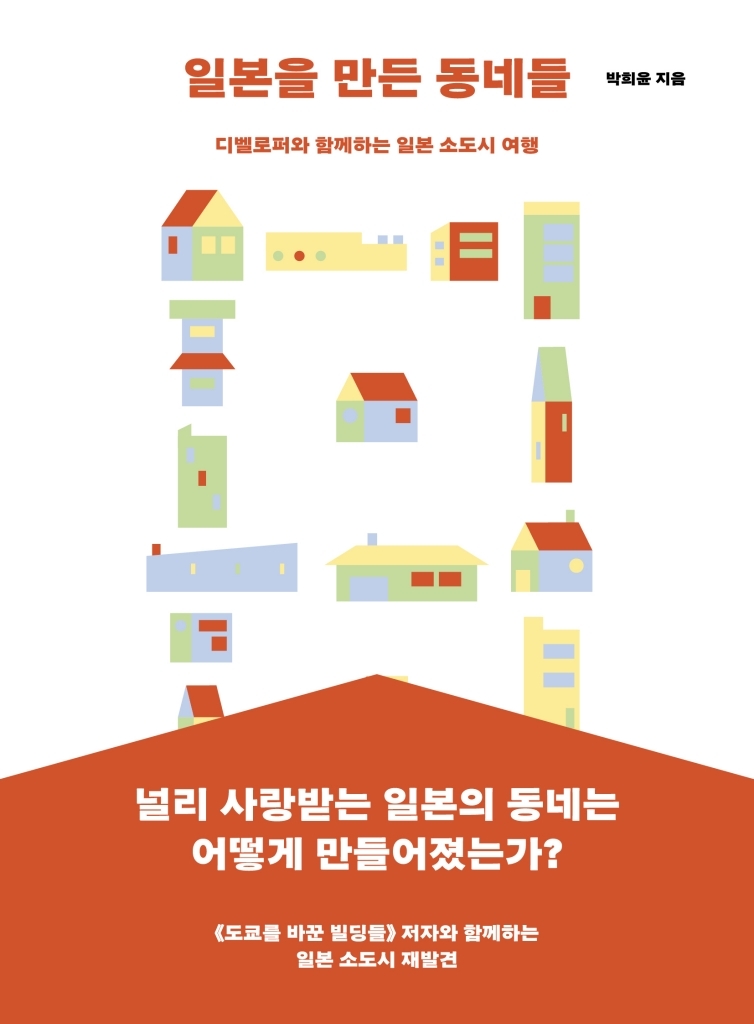
"Neighborhoods That Made Japan" (by Park Hee-yun, Bookstone) — Korean travelers are venturing well beyond Tokyo and Osaka these days, making their way to smaller destinations such as Karuizawa and Takamatsu. About 5.67 million Koreans visited Japan in the first half of this year alone, and the total for the year is on track to exceed 10 million for the first time. For South Korea, grappling with a low birth rate and the concentration of population in the Greater Seoul area that is hollowing out regional cities, Japan's success is hard not to envy. The author, a developer at a major South Korean construction company, attributes that success to a strategy known as "chiho sosei" — regional revitalization. Rather than sprawling new town development, he argues, what is needed to ease urban overcrowding and breathe life back into regions is nimble, compact city planning at the neighborhood scale — a paradigm shift that Japan's small and mid-sized cities have managed to pull off. Drawing on 11 Japanese regions and the neighborhoods at their core, the book examines what strategies South Korean cities of similar size might adopt. The author concludes that flexible collaboration among people with genuine affection for their communities, local government, talent, businesses and capital is the key.
pink@heraldcorp.com