Global cybersecurity firm unveils Korea entry strategy at first local press briefing
Runtime technology analyzes running programs to block cyberattacks
Partnership with Singapore firm targets domestic financial sector
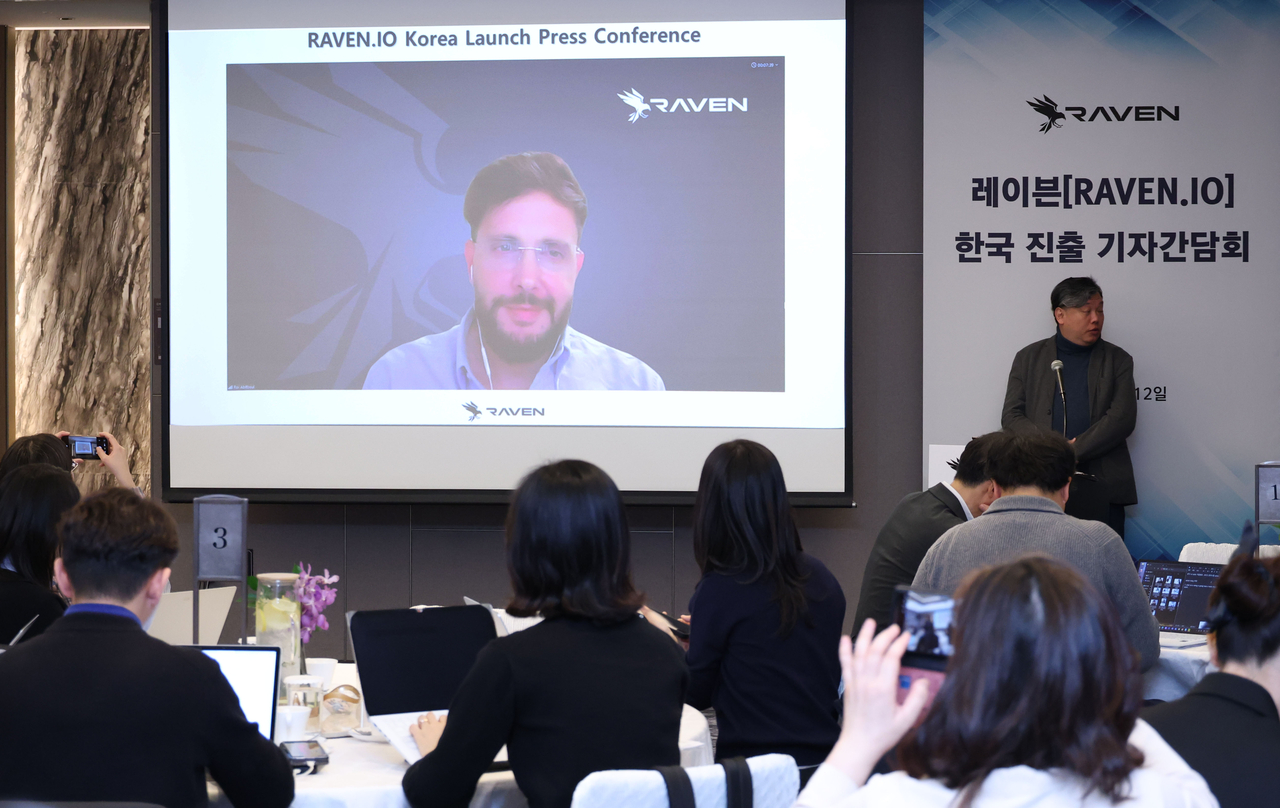
Global cybersecurity firm Raven is entering the South Korean market, planning to target the financial sector and other key industries with technology that detects and blocks security threats in real time.
At a press briefing Thursday at the JW Marriott Hotel in Seocho-gu, Seoul, the company said it would provide technology to protect domestic companies' assets and information from AI-based vulnerability exploitation attacks.
Founded in 2023, Raven specializes in runtime security technology that protects applications while they are running.
The company will initially focus on South Korea's financial sector. Raven said financial institutions handle sensitive data at scale and operate complex, interconnected applications and systems, requiring a strong level of security.
Going forward, the company plans to expand its customer base across regulated industries beyond finance and broaden its security coverage to enterprise environments using diverse operating systems and programming languages.
To support its push into the Korean market, Raven has partnered with Singapore-based business consulting firm The Executive Action. The two companies plan to combine Raven's security technology with local market expertise to help domestic financial institutions and other businesses adopt the technology.
"Korean companies need a protection framework that accounts for the complexity of their existing application environments," said The Executive Action Managing Director Adrian Ong. "We will work closely with organizations across Korea to understand their requirements and support them in evaluating and adopting Raven's runtime protection technology."
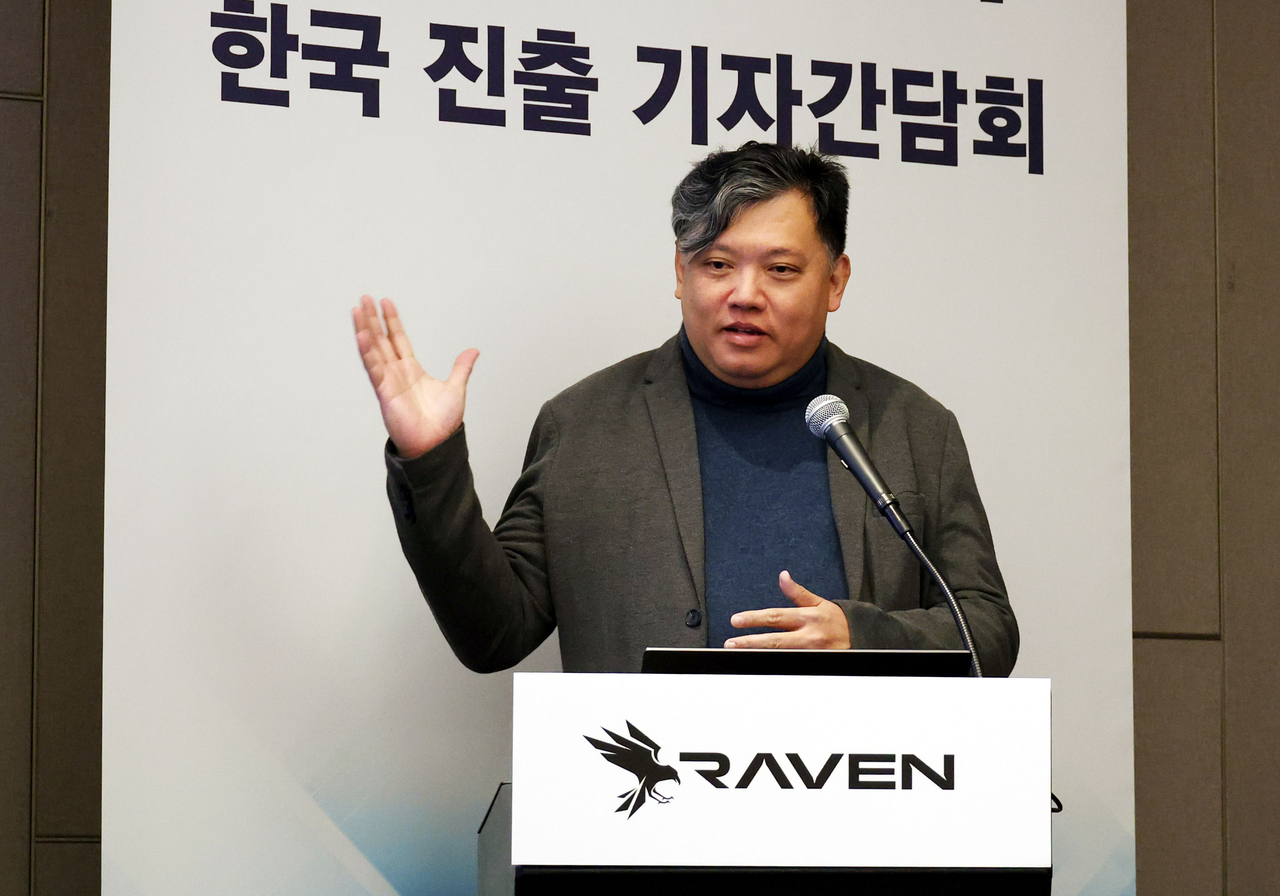
Raven also introduced its technology for countering the growing wave of AI-driven security threats.
A series of recent attacks exploiting vulnerabilities in widely used open-source software — including PHP and Node.js — has exposed the limits of conventional security frameworks.
AI-powered cyberattacks have become a reality in South Korea as well. Confirmed cases have emerged of attackers using ARTEX, an AI-based testing framework, along with LLMs to breach domestic financial institutions and exfiltrate data.
"Attackers can analyze the same open-source code that companies use," said Raven co-founder and CEO Roy Abitbol. "In this environment, companies cannot rely on a model where protection only begins after a CVE — a common vulnerability and exposure — has been publicly disclosed."
Raven's technology monitors the behavior of open-source code in real time as applications run, detecting and blocking anomalous activity.
For example, if a program designed to decrypt data suddenly attempts to execute an external command, the system flags it as abnormal and blocks it. Raven said this real-time monitoring approach also enables defense against attacks exploiting vulnerabilities not yet publicly known.
"Security teams need to understand what a piece of code actually does at runtime," Abitbol said. "They must be able to block exploitation attempts even when there is no known vulnerability or attack signature to go on."
young2@heraldcorp.com