A 20-kilogram dog in Italy died after ingesting two raw garlic cloves; garlic powder damaged red blood cells at three times the rate of raw garlic in lab tests; cats can be poisoned by less than a teaspoon of cooked onion, a US veterinary manual warns
A look at what can happen to your dog or cat — exploring the science, regulations and cases from around the world behind the stories that affect our pets.
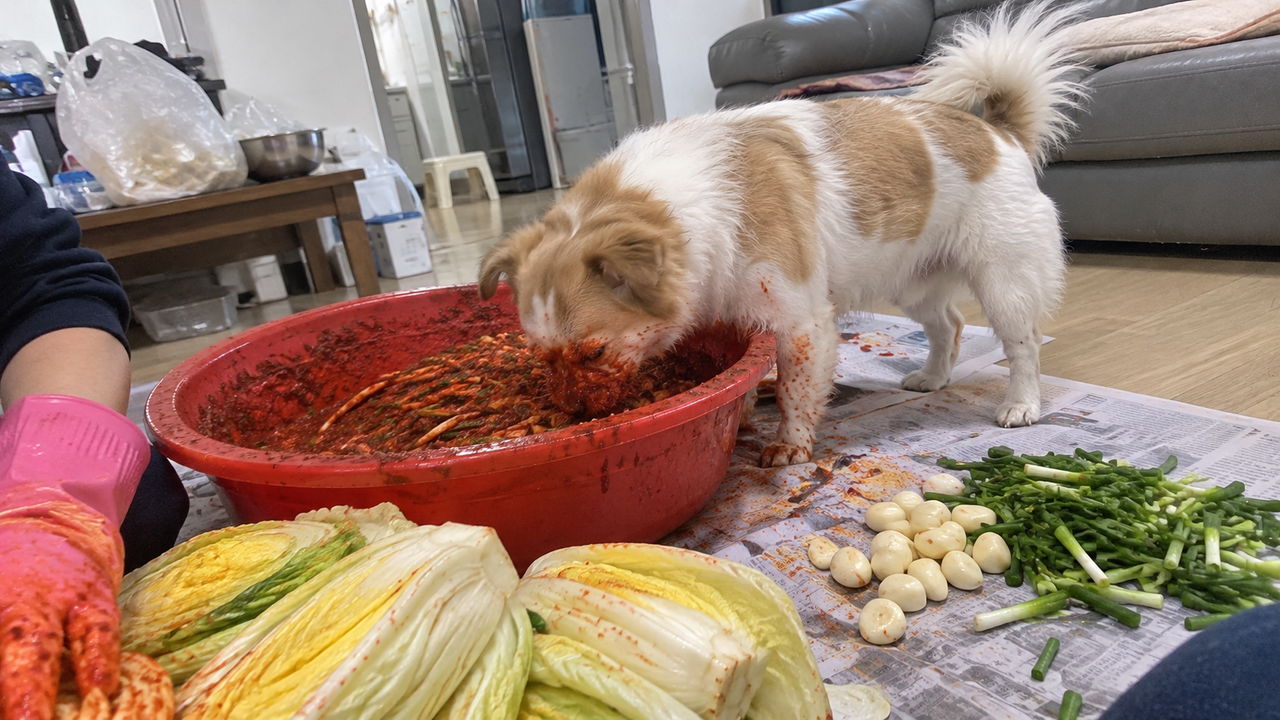
What happens if a dog or cat picks up a stray garlic clove that falls to the floor during kimchi-making, or licks a cabbage leaf coated in seasoning paste? Garlic, onions, green onions, chives and leeks all belong to the allium family — ingredients known to damage red blood cells in dogs and cats and trigger anemia.
A research team at the Istituto Zooprofilattico Sperimentale del Piemonte, Liguria e Valle d'Aosta in Italy recently reported autopsy findings from a dog that died after eating raw garlic, according to the international journal Animals. The dog was a three-year-old mixed-breed female weighing about 20 kilograms. It developed gastrointestinal symptoms including vomiting before its condition deteriorated rapidly and it died. The stomach contents included food residue and two raw garlic cloves weighing about 16 grams.
The research team identified the likely cause of death as garlic, possibly consumed as part of a cooked dish. No other toxins — such as rat poison or pesticides — were detected in the stomach or vomit.
The autopsy found reddened mucous membranes in the mouth. Blood had pooled in the lungs, and fluid had accumulated in the chest cavity. Microscopic examination revealed hemorrhaging throughout the heart muscle, liver, spleen and kidneys. The team concluded the cause of death was acute poisoning from accidental garlic ingestion.
The 16 grams of garlic the dog consumed was less than the toxic dose cited in the literature — approximately 5 grams per kilogram of body weight, which would amount to about 100 grams for a 20-kilogram dog. The researchers suggested the animal may have already partially digested some of the garlic, or ingested it on multiple occasions, and noted that individual sensitivity varies.
The team said "fatal cases are rare" and that "most allium poisonings result in recovery." They also noted that owners sometimes inadvertently feed their pets home-prepared food containing garlic or onions.
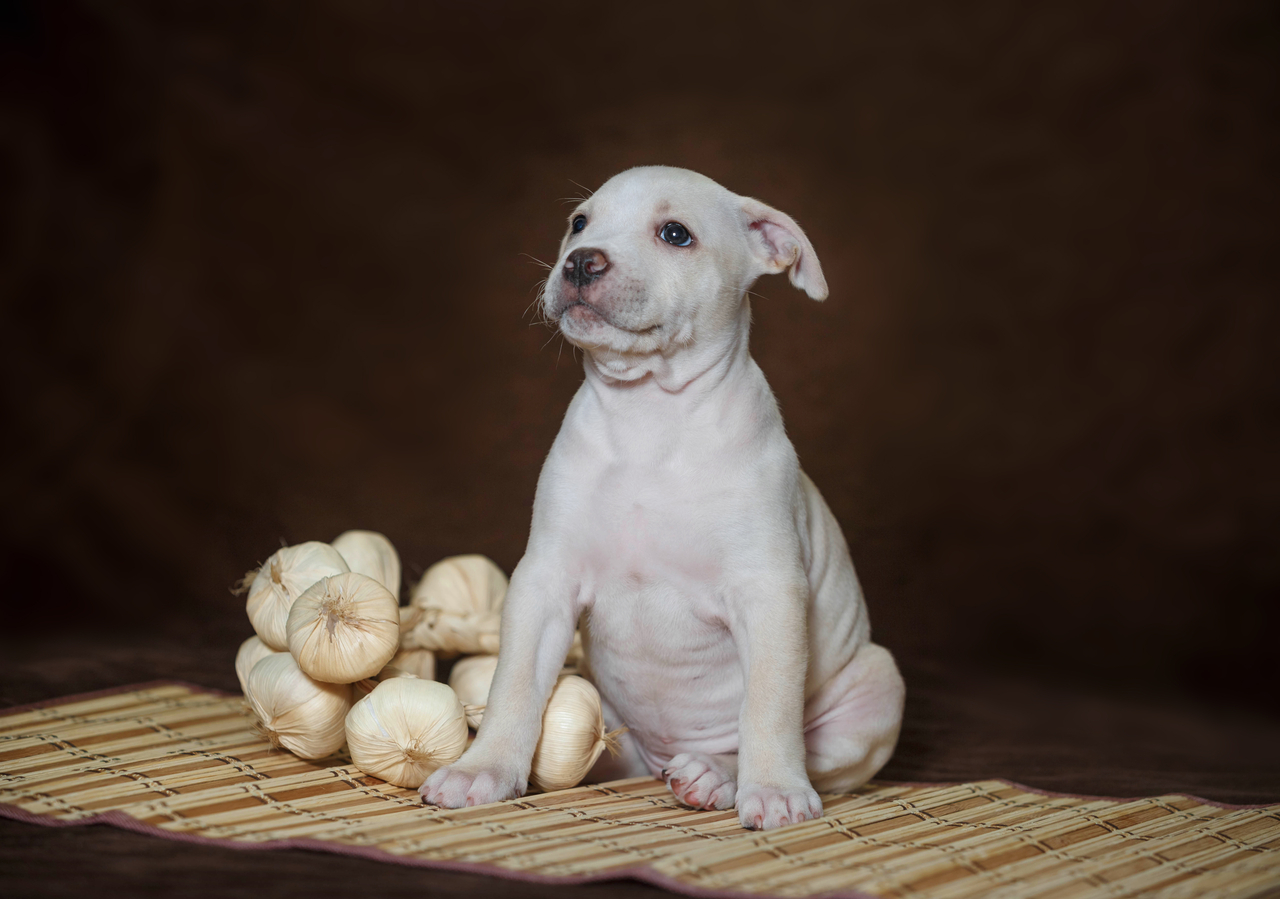
Garlic powder damages red blood cells at three times the rate of raw garlic
A study by a research team at the University of Agriculture in Krakow, Poland, published in the same journal in November last year, found that the form of garlic significantly affects the degree of red blood cell damage.
The team mixed extracts of raw garlic, dried garlic and granulated (powdered) garlic separately into blood samples drawn from five dogs. In the samples mixed with granulated garlic, about 15 percent of red blood cells developed Heinz bodies. The figure was about 5 percent in samples mixed with raw garlic.
Heinz bodies form when hemoglobin inside red blood cells oxidizes and clumps together. Just as rust causes iron to crumble, red blood cells containing Heinz bodies rupture easily.
Blood mixed with dried garlic pieces showed levels similar to the control samples with no garlic added. The team suggested that the grinding process may allow the compounds that attack red blood cells to leach out more readily.
The paper also cited earlier research in which dogs fed 5 grams of raw garlic per kilogram of body weight daily for seven consecutive days showed declining red blood cell counts and the appearance of Heinz bodies. For a 20-kilogram dog, that corresponds to roughly 15 to 20 cloves — about 100 grams — of garlic per day. No outward signs of anemia were reported in those animals.
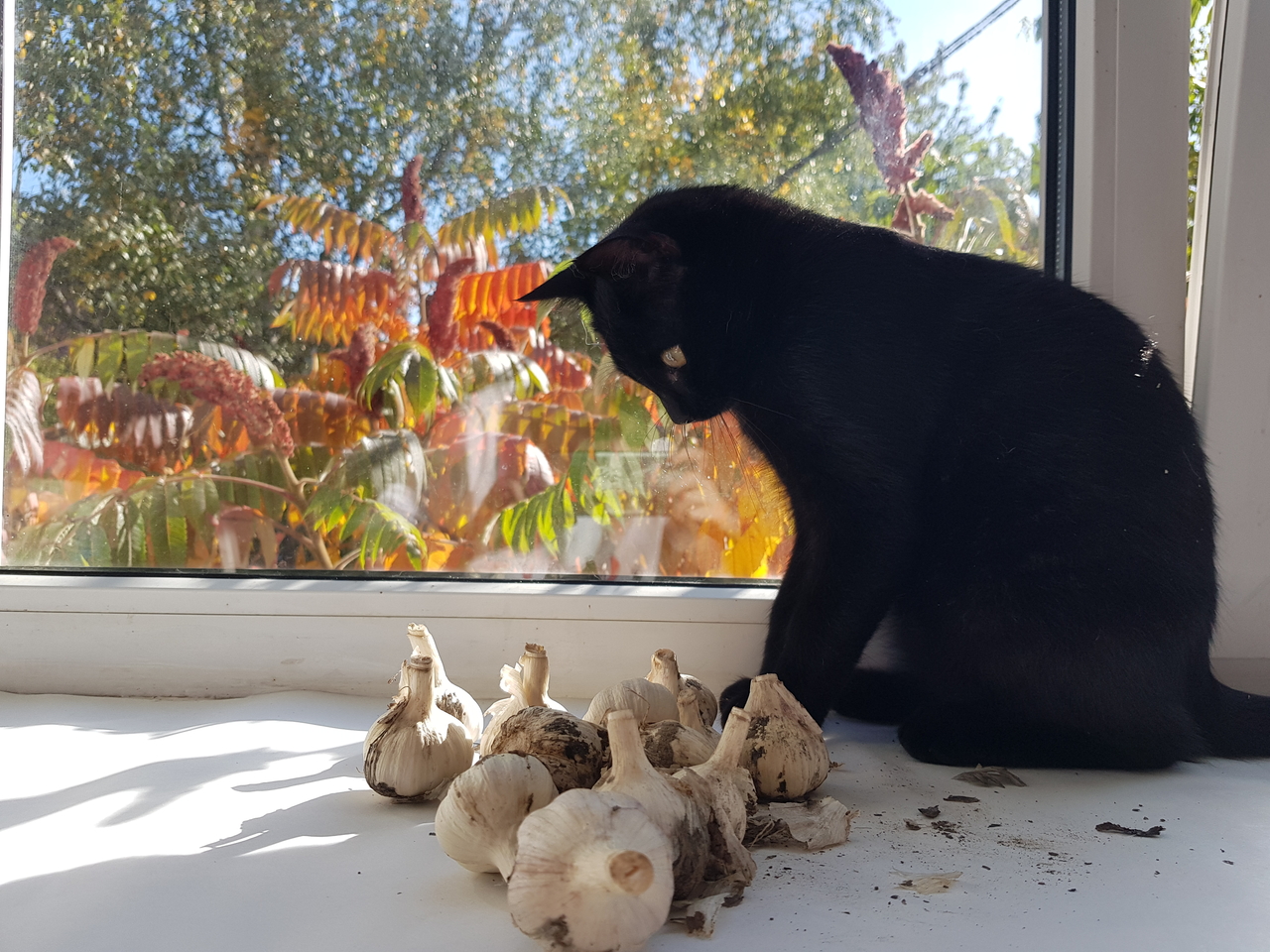
'Cats are the most vulnerable' — even less than a teaspoon of cooked onion poses a risk
A veterinary manual published by the American Society for the Prevention of Cruelty to Animals' Animal Poison Control Center (revised September 2024) states that "cats are the most susceptible species, followed by dogs." According to the manual, cats showed signs of poisoning after eating less than a teaspoon of cooked onion, or as little as 5 grams of raw onion per kilogram of body weight. For a 4-kilogram cat, that threshold for raw onion is around 20 grams.
In dogs, symptoms appeared after ingesting 15 to 30 grams of raw onion per kilogram of body weight — 75 to 150 grams for a 5-kilogram small dog. The ASPCA noted that cat hemoglobin is two to three times more vulnerable to oxidative damage than that of other animals.
The manual also states that "garlic is three to five times more toxic than onions" and that "eating raw, cooked or concentrated forms of onions and garlic can cause Heinz body hemolytic anemia." Concentrated products — dried onion flakes, onion powder and onion soup mix — were identified as the forms most commonly linked to poisoning cases.

According to the US veterinary publication DVM360, onions, chives, leeks and shallots ranked third among the top 10 causes of cat poisoning consultations handled by Pet Poison Helpline in 2024, with garlic coming in fourth. Lilies ranked first and chocolate second. For dogs, onions, chives, leeks and shallots came in 10th.
Data from the UK's Veterinary Poisons Information Service for 2025 recorded 1,585 allium-related poisoning cases in a single year. The research team described allium poisoning as a "common cause of poisoning" in pets.
According to the manual, methemoglobinemia — a condition in which hemoglobin loses its ability to carry oxygen — can begin within 24 hours of ingestion and peaks around 72 hours. Hemolysis, the rupturing of red blood cells, typically appears three to five days later. The research team also noted that large amounts can trigger symptoms within a day, while smaller amounts may not produce signs for several days.

Lethargy, loss of appetite, and rapid breathing and heart rate are among the most common signs of poisoning. Jaundice — a yellowing of the gums and whites of the eyes — may also develop. Hemoglobinuria, in which urine turns a reddish-brown due to ruptured red blood cells, can occur as well. In severe cases, the animal may collapse or die.
Treatment begins, if ingestion was recent, with removing any remaining garlic or onion from the gastrointestinal tract. A veterinarian may administer an emetic to induce vomiting.
Activated charcoal, which absorbs toxic substances, is also a treatment option to consider. However, it is not known whether activated charcoal can actually bind or prevent the formation of the sulfur compounds released by allium plants.
dbsdn1110@heraldcorp.com