
Wall Street Journal: Alice Huang contacted Chinese intelligence while in relationship with Nvidia CEO
No conclusive evidence of classified transfers or assigned missions
China's spy apparatus has expanded dramatically under Xi Jinping
Line between formal agents and unwitting sources increasingly blurred
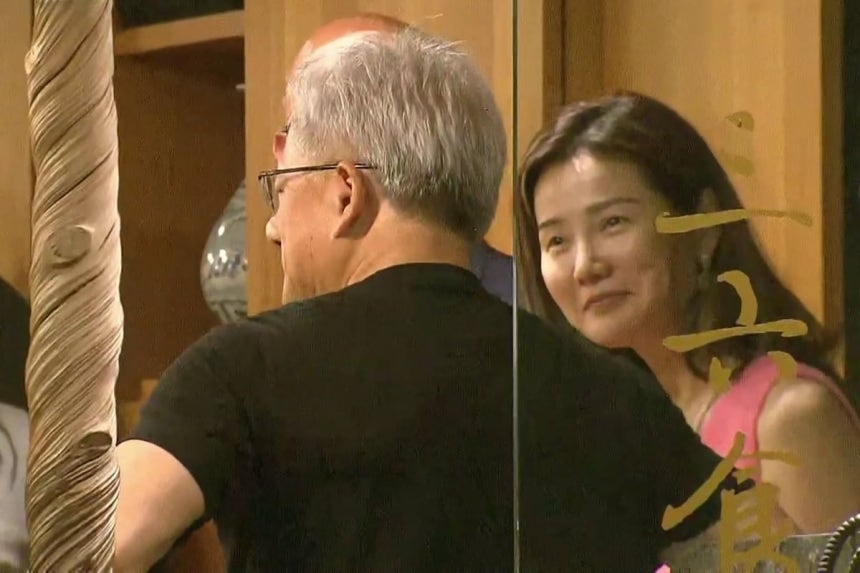
An extramarital affair involving Nvidia CEO Jensen Huang has sparked a broader debate about the scope of Chinese intelligence operations. While Alice Huang, the woman at the center of the affair, had contact with Chinese intelligence, US officials are divided over whether she can be considered a formal agent. Analysts say that as China has diversified its methods of gathering information under President Xi Jinping, the traditional framework of espionage is no longer sufficient to assess national security threats.
The Wall Street Journal reported Monday, citing sources familiar with US intelligence, that Alice Huang was in contact with Chinese intelligence services during her affair with the Nvidia CEO.
However, no conclusive evidence has emerged that she was given a specific mission to collect information about Huang or to pass along classified material related to national security.
US government officials are split on how to interpret the contact. Some argued that it is difficult to label Alice Huang a spy on the basis of intelligence contact alone, noting that many Chinese businesspeople are compelled to interact with their country's national security agencies.
Others, however, said the strategic importance of Huang to the US AI industry and national security must be weighed. They argued that the mere fact of Alice Huang gathering and passing along information could pose a national security risk regardless of how sensitive that information was.
The argument is that even without proof of organized espionage or classified leaks, the possibility that she was used to collect information for Chinese intelligence cannot be dismissed.
President Donald Trump and his associates are said to have highlighted the inconclusive nature of the intelligence community's assessment of Alice Huang's alleged espionage as they pushed for Huang's return to the helm of Nvidia. The Nvidia board also said it concluded that his return posed no national security risk after receiving assurances from senior US government officials.
The Wall Street Journal, however, said in interviews with current and former US intelligence officials, lawmakers and China experts that the binary debate over whether Alice Huang is or is not a spy misses a fundamental shift in how Chinese intelligence operates.
Since Xi took power, China's intelligence apparatus has expanded its reach so dramatically that the line between formally recruited agents and individuals unwittingly used to gather information has become blurred. Analysts say this makes it harder to assess actual national security damage while increasing the risk that potential threats go unnoticed.
Driving this shift is the rapid expansion of China's intelligence services.
According to some US intelligence officials, China's Ministry of State Security transformed under Xi from a largely domestic secret service into the world's largest and most active intelligence agency, with an estimated workforce of 600,000 to 800,000 personnel.
The ministry has stepped up surveillance of Chinese nationals living abroad while seeking out individuals with connections to key figures in politics, the technology sector and business communities around the world.
Intelligence analysts say that given this environment, Alice Huang — who had direct access to Huang, a central figure in the global AI semiconductor industry — was very likely a target of interest for Chinese intelligence.
Concerns have also been raised in the US Congress that questions about Alice Huang's information-gathering activities and her potential influence over the Nvidia CEO have not been adequately answered.
Rep. Jim Himes, the incoming chairman of the House Intelligence Committee and a Democratic lawmaker, said the key questions remain unanswered. "We need to know what information Jensen Huang may have shared with Alice Huang, what influence she may have had over him, whether she was given a mission by the Chinese side, and whether she was aware she was being used to collect information," he said. "We don't know the answers."
That is why the national security debate has not subsided despite Huang's return to leading Nvidia. Whether Alice Huang was a formal agent, what information was actually passed to the Chinese side, and whether US core technology and corporate decision-making were influenced are expected to be the central issues in any future congressional investigation.
sjy@heraldcorp.com





