
Democratic Party retirement age committee to meet Friday
83.2% of SMEs prefer rehiring over extending retirement age
49.3% say extension would reduce new youth hires
More than eight in 10 small and medium-sized enterprises prefer rehiring workers after retirement over extending the mandatory retirement age, a new survey shows. Only 16.8% of firms said they favor raising the retirement age. The government and the ruling party are currently discussing raising the statutory retirement age from 60 to 65.
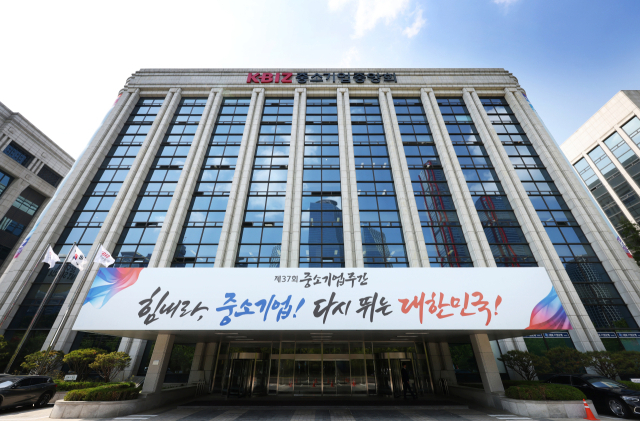
The Korea Federation of SMEs released the findings Wednesday from its "Survey on SME Views on Continued Employment of Older Workers," conducted from Sept. 15 to Sept. 30 among 501 small and medium-sized enterprises with 30 or more full-time employees that operate a mandatory retirement system.
The survey found that 83.2% of respondents prefer rehiring workers after retirement as their method of continuing to employ older staff. The top reasons cited for favoring rehiring were greater flexibility in workforce management (48.9%), the ability to assign workers based on job fit and productivity (25.7%), and reduced labor costs through renegotiated wages and working conditions (22.1%). Only 16.8% said they prefer extending the retirement age.
Rehiring is already more common than retirement age extensions at small businesses. Some 63.1% of respondents — 316 companies — said they had continued to employ workers who reached retirement age over the past three years. Among those firms, 83.9% used rehiring after retirement, while 16.1% extended the retirement age. Some 78.8% of companies said they screen candidates for continued employment based on factors such as job performance, productivity and health.
When asked about the impact of raising the statutory retirement age to 65, 38.5% of respondents said it would have a negative effect on business operations — more than double the 18.2% who expected a positive impact. Nearly half, 49.3%, said they would reduce new hires among young workers, while just 0.2% said they would increase such hiring.
As for how companies would manage their workforce if the retirement age were extended, the most common responses were restructuring the wage system (44.5%), revamping job and rank structures (23.0%), reducing new hires among young workers (20.8%), and expanding voluntary or early retirement programs (20.4%).
Demand for older workers was particularly high in manufacturing. In that sector, 87.8% of respondents identified production and technical roles as positions requiring continued employment — 20.3 percentage points higher than the overall survey figure of 67.5%.
Yang Ok-seok, head of the Korea Federation of SMEs' workforce policy division, said it is important to allow companies to choose their own method of continued employment, taking into account each firm's workforce management conditions and workers' job fit and productivity.
Meanwhile, the Democratic Party of Korea's special committee on retirement age extension is set to meet Friday to discuss proposals for raising the retirement age. Employment and Labor Minister Kim Young-hoon said Sunday that if the committee fails to reach a conclusion, the government would consider announcing its own position.
hong@heraldcorp.com





