
Nvidia CEO reaffirms centralized management style at company-wide meeting after return
'Separate succession plan would create unnecessary hierarchy'
Dozens of executives report directly to CEO under flat structure
Move runs counter to investor calls for governance overhaul
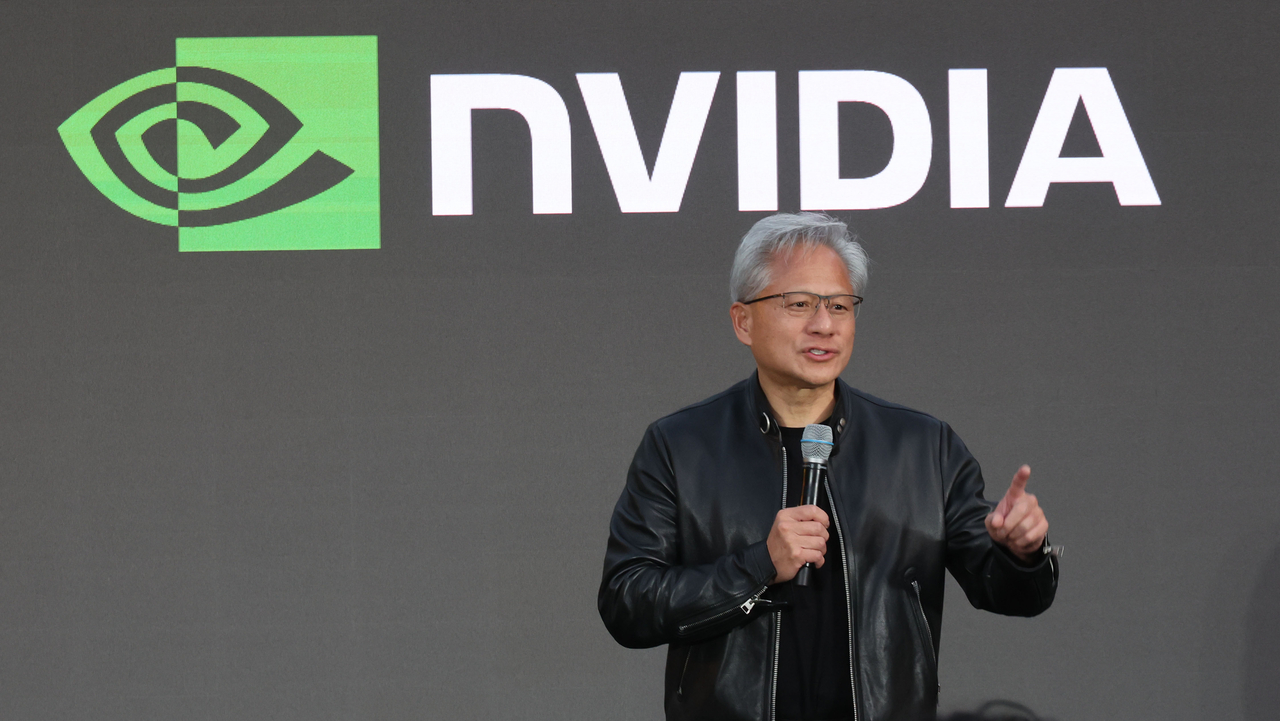
Jensen Huang, who returned to Nvidia as CEO just 11 days after stepping down over an extramarital affair scandal, said he intends to maintain the management structure centered on himself — standing firm against calls for reform even as Nvidia's market capitalization shed more than $1 trillion during his absence. The move runs counter to expectations that his return would prompt an overhaul of the company's corporate governance and organizational culture.
CNBC and the Financial Times reported Tuesday (local time), citing anonymous attendees, that Huang took a firm stance on his management style and succession at a company-wide meeting held that day.
At the meeting, Huang apologized, saying, "I hurt everyone. I'm sorry for the disappointment. I will do better with this second chance." While he acknowledged his personal failings, he drew a line at restructuring the way the company is run.
Huang said Nvidia operates a distinctive business model in which capable leaders head each part of the organization, and that the company has built a team-based structure that does not require a succession plan of the kind other companies maintain.
He said establishing a separate succession plan could instead create unnecessary hierarchy within the organization.
The Financial Times said Huang was reaffirming his longstanding conviction that grooming a specific executive as a potential successor could amount to giving preferential treatment to certain members of management.
Nvidia operates an unusual management structure in which dozens of senior executives report directly to Huang, the company's founder. The model minimizes middle management to flatten the organization while concentrating key decision-making authority in the CEO.
The Financial Times said Huang dismissed pressure to overhaul the management culture at Nvidia — now a $4 trillion chipmaker — and defended his existing centralized approach.
The episode also threw a spotlight on the role Huang's family plays inside the company. His daughter and son-in-law have emerged as close confidants, and his son also holds an executive position at Nvidia.
Investors have long questioned the sustainability of a management structure so heavily dependent on Huang personally. The more than $1 trillion that evaporated from Nvidia's market capitalization during his 11-day absence made clear just how severely the founder's departure can shock the company's value.
Nvidia's board reportedly had no separate chairperson position at all before Huang stepped down.
With Huang signaling that he will maintain the existing structure even after his return, the debate over improving Nvidia's corporate governance is likely to continue for now. The founder's exceptional management ability is both the company's competitive edge and a potential source of risk.
Meanwhile, at the start of the meeting, Huang thanked Chief Financial Officer Colette Kress, who served as interim CEO while he was away.
sjy@heraldcorp.com





