Fed chair calls AI a 'historic turning point'
Officials warn it is stoking inflation
Quarter-point rate hike expected at December FOMC
'AI investment outpacing potential growth'
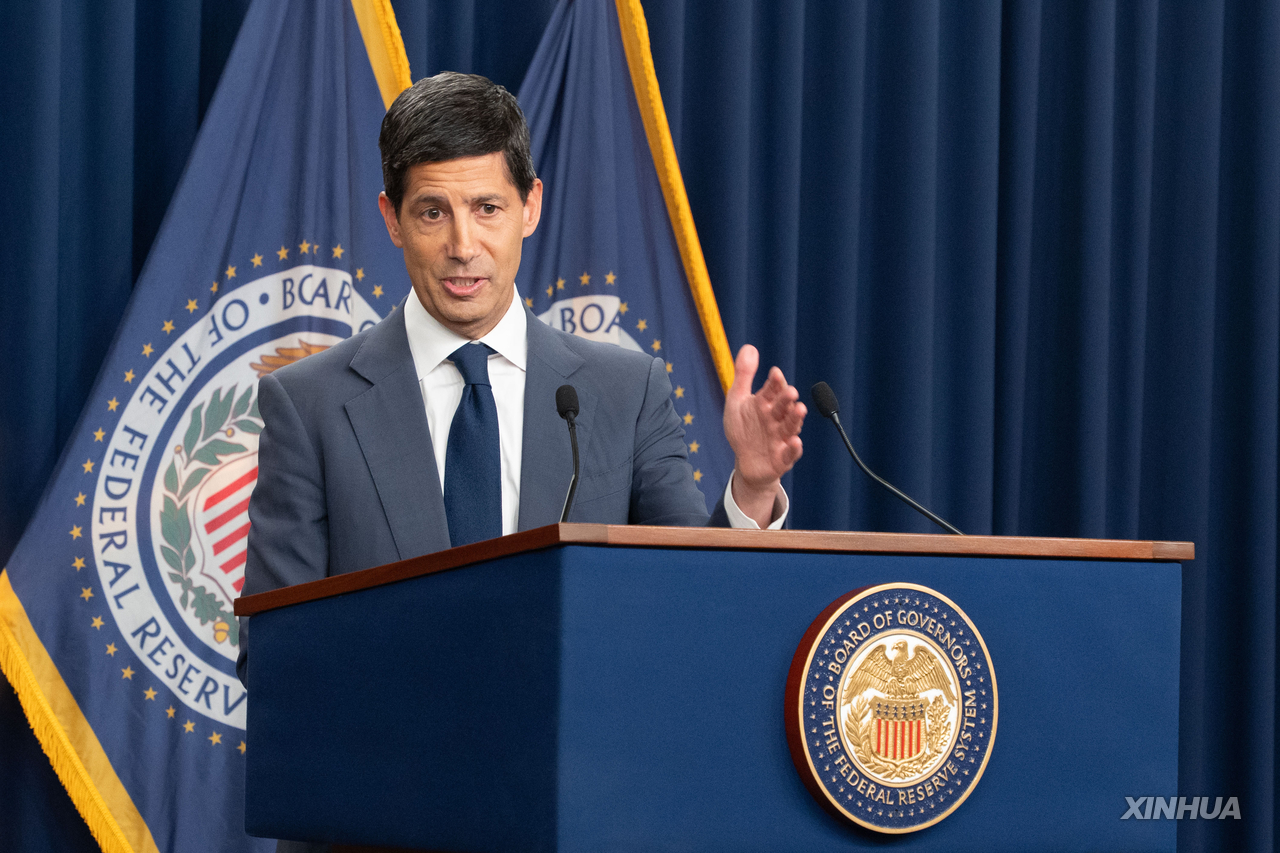
As the AI industry shakes economies around the world, analysts say Federal Reserve Chair Kevin Warsh finds himself in a deepening policy dilemma.
Warsh has long held that AI will play a decisive role in preserving American leadership on the global stage. But a growing debate among Fed officials over whether AI will fundamentally reshape the economy, fuel inflation, or signal an eventual downturn is making internal consensus increasingly difficult to reach.
According to Reuters on Tuesday (local time), Fed officials who view AI investment as a driver of inflation are at odds with President Donald Trump, who wants the AI boom to continue. Warsh, like Trump, has referred to AI as "superintelligence" and described himself as a "cautious optimist."
Warsh has acknowledged that AI affects demand first, but he has yet to align himself publicly with other Fed officials on the question. He has avoided stating whether he believes the current AI boom and inflation are feeding each other — and what the Fed should do about it.
Markets have swung sharply in the meantime. Last week, major US stock indexes closed in correction territory, weighed down by anxiety over whether AI investment would translate into real profits, a scandal surrounding AI chipmaker Nvidia, and the temporary departure of CEO Jensen Huang. When Nvidia reversed course Monday and reinstated Huang, markets surged again.
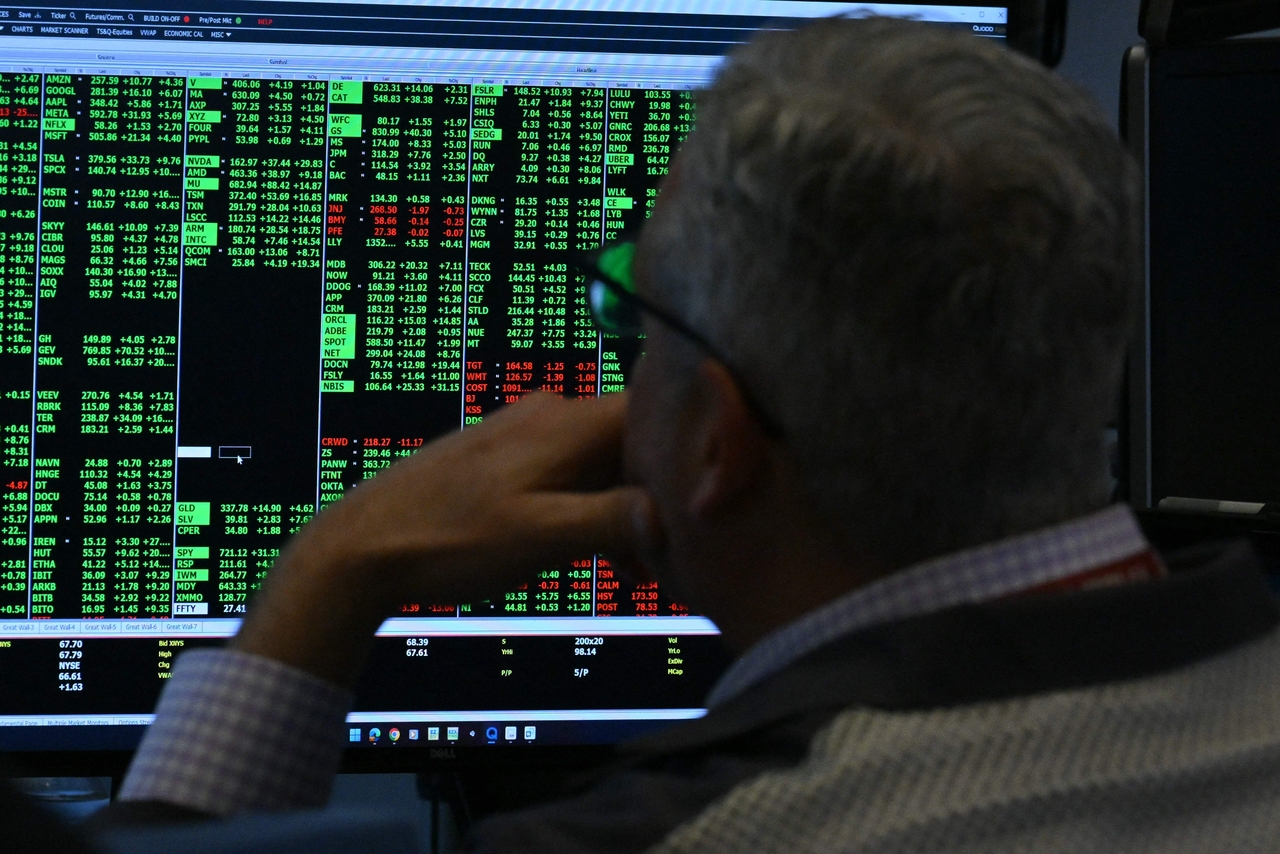
Krishna Guha, vice chairman of Evercore ISI and a former New York Fed official, called the situation "a critical test" for Warsh after last week's market close, when US stocks fell on concerns about AI investment returns, the Nvidia scandal and Huang's temporary exit.
"Recent inflation and growth data are running too hot and too strong," Guha said. "But because economic growth depends on AI investment and the wealth effect from rising AI-related asset prices, the Fed needs to ensure any slowdown remains limited."
He added that Warsh must strike a balance between current economic data and financial market signals pointing to a future slowdown — and between his commitment to establishing credibility on price stability and his reluctance to go down in history as the Fed chair who killed the AI boom.
Fed officials are nonetheless expected to raise the benchmark interest rate by 0.25 percentage points as scheduled at the Dec. 8-9 monetary policy meeting. A significant number of officials believe the AI boom is pushing economic growth above its potential and that some investment and demand need to be reined in.
Several Fed officials have recently weighed in on AI-related concerns. Chicago Fed President Austan Goolsbee told reporters last week that if the pace of investment growth slows sharply, worries about an overheating economy would ease as well. He compared the strain AI is placing on the economy's productive capacity to "a python swallowing a pig" — a surge of investment arriving faster than the economy can absorb.
Fed Governor Lisa Cook flagged the financial risks AI could bring, along with the possibility that it is already eliminating jobs. Fed Vice Chair Philip Jefferson said AI investment is currently stoking inflation and that the productivity gains it promises have yet to materialize.
Before taking the helm at the Fed, Warsh had warned that central bank officials should not take sides on political issues such as climate change. Yet he has consistently argued that success in AI is a matter of national consequence for the United States. At an AI conference held at the San Francisco Fed last week, he said: "We stand at a critical turning point for the American economy and for America's place in the world. None of us will be neutral about how we want that to turn out."
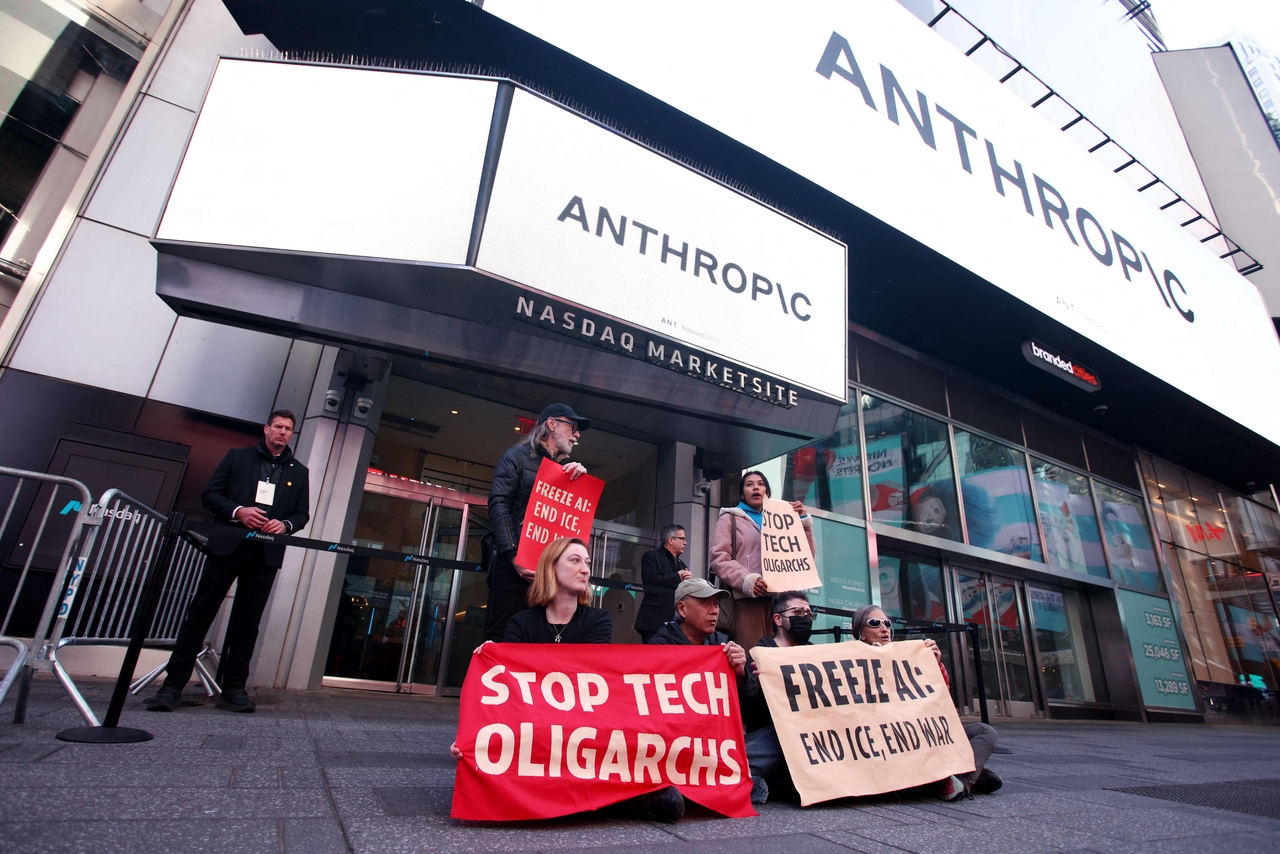
The United States is also politically divided over how to balance the benefits and risks of AI, how fast to build out data centers, and whether technological development is advancing too quickly without adequate oversight.
Former Commerce Secretary Gina Raimondo, who joined Warsh on a panel at the conference, said: "People are afraid. When ordinary Americans hear the word AI, they think of many kinds of concerns — losing their own jobs or their children's jobs, their children's mental health, national security."
Raimondo pointed to the recent midterm elections, in which voters approved several ballot measures aimed at slowing data center construction, calling it "a very worrying signal."
Criticism of Warsh's communication style has also emerged. In a recent report, Macquarie said the problem facing financial markets after the midterms was not simply the risk of an AI slowdown. "The Fed also appeared to effectively ignore the risks and uncertainties that surfaced after the midterms, seemingly abandoning even a measure of caution," it said.
The report added that "in some respects, Warsh brought market backlash upon himself by maintaining his reluctance to offer forward guidance on the future direction of monetary policy."
He has held to that stance even as the debate over AI — which Warsh himself has identified as the most important economic issue of the era — grows ever more complex.
mokiya@heraldcorp.com