
Lee Byung-chul's side exploring sale of 28.99% stake
Attractiveness of deal varies depending on whether buyer already holds a brokerage
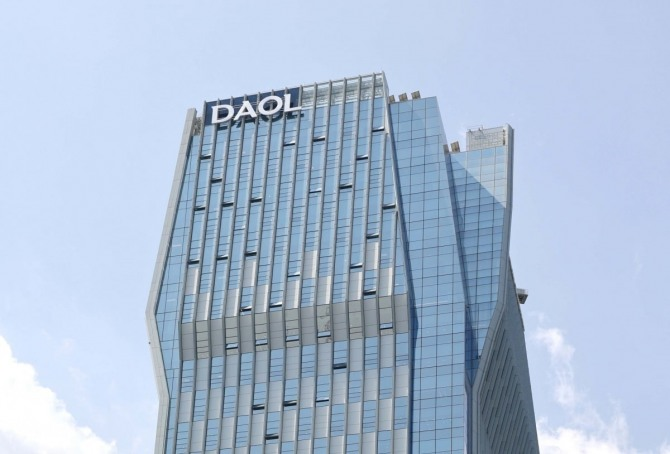
Daol Financial Group Chairman Lee Byung-chul is exploring the sale of his controlling stake in Daol Investment & Securities. While the deal is drawing attention for the financial subsidiaries that would come with it, potential buyers are approaching the acquisition with sharply different calculations depending on whether they already own a brokerage.
According to investment banking industry sources Wednesday, Lee — the largest shareholder of Daol Investment & Securities — has recently been in contact with multiple prospective buyers to discuss a stake sale. Samil PricewaterhouseCoopers is advising on the process.
The stake on the block is the 28.99 percent held by Lee and related parties. No specific deal structure or price has been set, but industry observers estimate the sale price at around 250 billion won ($186 million), based on the typical price-to-book ratio of 1.0 to 1.5 times at which financial company control transactions are conducted.
Daol Investment & Securities sits at the top of the Daol Financial Group holding structure and oversees subsidiaries including Daol Asset Management, Daol Savings Bank and Daol Private Equity. The ability to gain a foothold in asset management, savings banking and private equity in a single transaction is seen as a key draw.
Against that backdrop, DB Financial Group, Yugin Group, LF Group and JB Financial Group have been mentioned in the market as potential buyers. The appeal of the deal and the synergy math differ considerably among them, however, given their varying existing business portfolios and whether they already hold a brokerage affiliate.
Industry observers widely expect that a buyer already owning a brokerage would prioritize merging the two securities firms after an acquisition, since combining them to build scale and efficiency is more natural than running two similarly sized brokerages under one roof. That said, paying a high price could dilute the control premium during the merger process, potentially making the deal less advantageous than other capital-raising methods such as a rights offering.
DB Financial Group and Yugin Group illustrate the dilemma. DB Financial Group has been cited as a candidate that could expand its brokerage operations, but considerable skepticism exists in the market over its actual appetite for a deal and the practical benefits of integration.
Yugin Group, which owns Yugin Investment & Securities and has a prior transaction history with Daol Investment & Securities through the sale of Yugin Savings Bank — now Daol Savings Bank — is seen as a candidate that could strengthen its corporate finance capabilities and broaden its business base. Even so, it faces the same challenge of weighing the price against the net gains from integration.
Buyers without a brokerage affiliate face a different set of constraints. Acquiring only the stake on offer may not be enough to secure firm control or build the capital needed for business expansion, leading analysts to suggest that follow-on measures such as a third-party allotment capital increase would need to be considered alongside any deal. LF Group — which signaled its interest in entering the brokerage sector by participating in the bidding for Hanyang Securities in 2024 — and JB Financial Group fall into this category of candidates.
Meanwhile, the fact that the stake falls short of 30 percent raises governance concerns and financing pressures that could affect the overall deal. Layered on top of those are the financial regulator's major shareholder approval process, ownership threshold requirements and the possibility of future regulatory changes, all of which are expected to make deal structuring and timing critical factors going forward.
an@heraldcorp.com





