
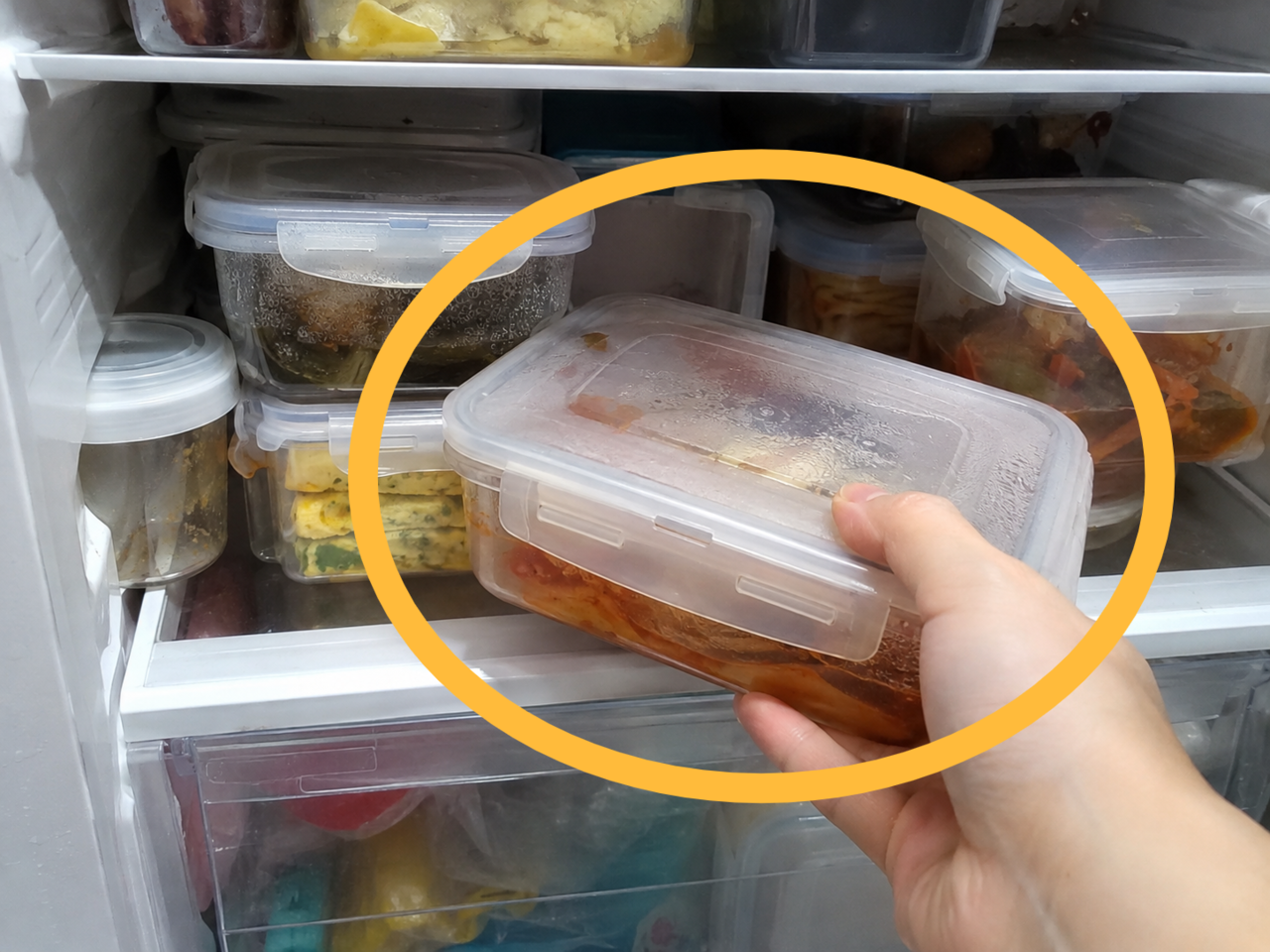
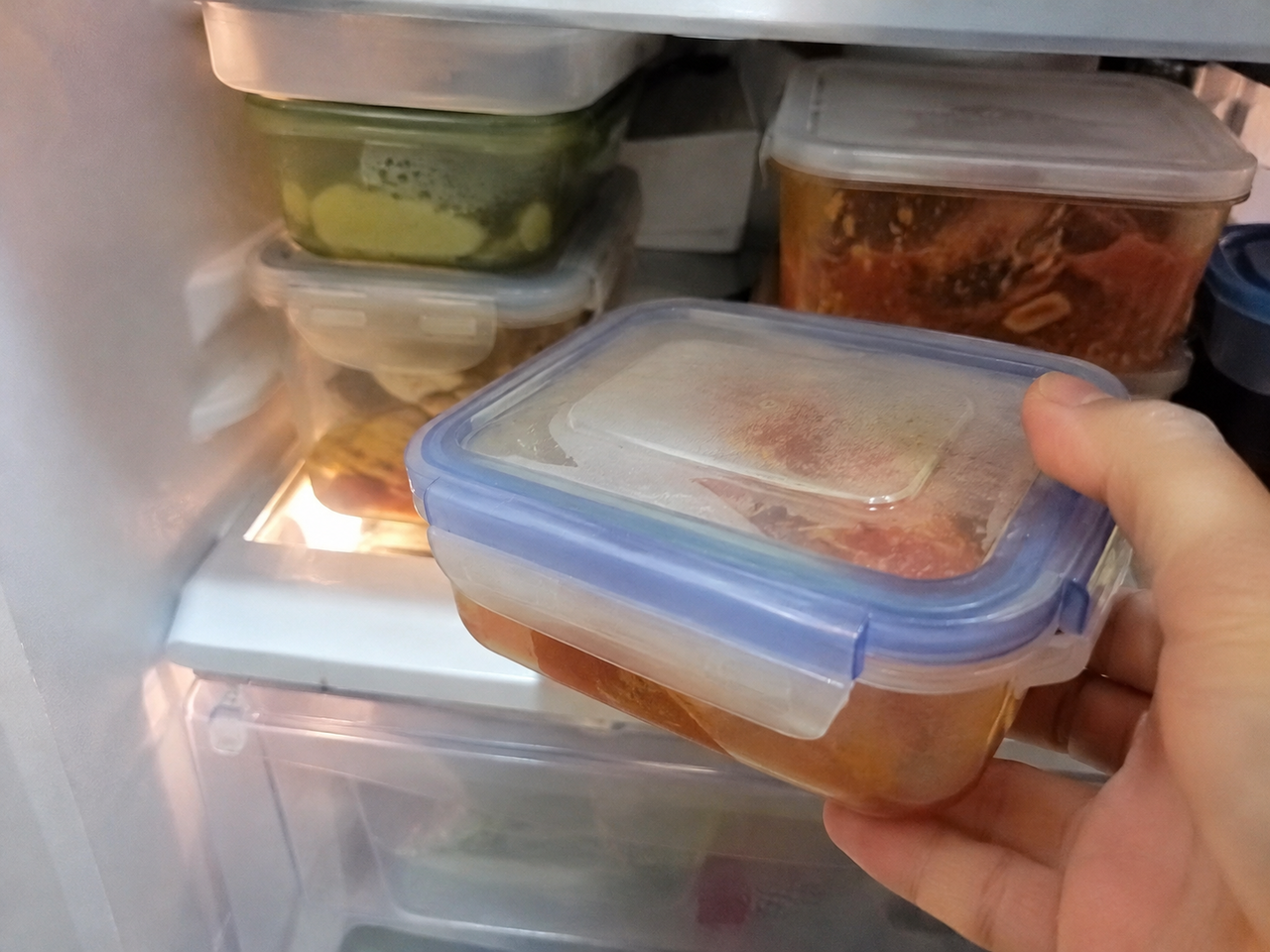
Leftover side dishes, half-eaten delivery food — most of it goes straight into a plastic banchan container and into the refrigerator. When it is time to reheat, the container goes into the microwave as-is.
Few people stop to think about what is in that plastic. More than 16,000 chemicals are used in plastic products, among them endocrine-disrupting substances — so-called "environmental hormones" — that can affect a fetus still in the womb.
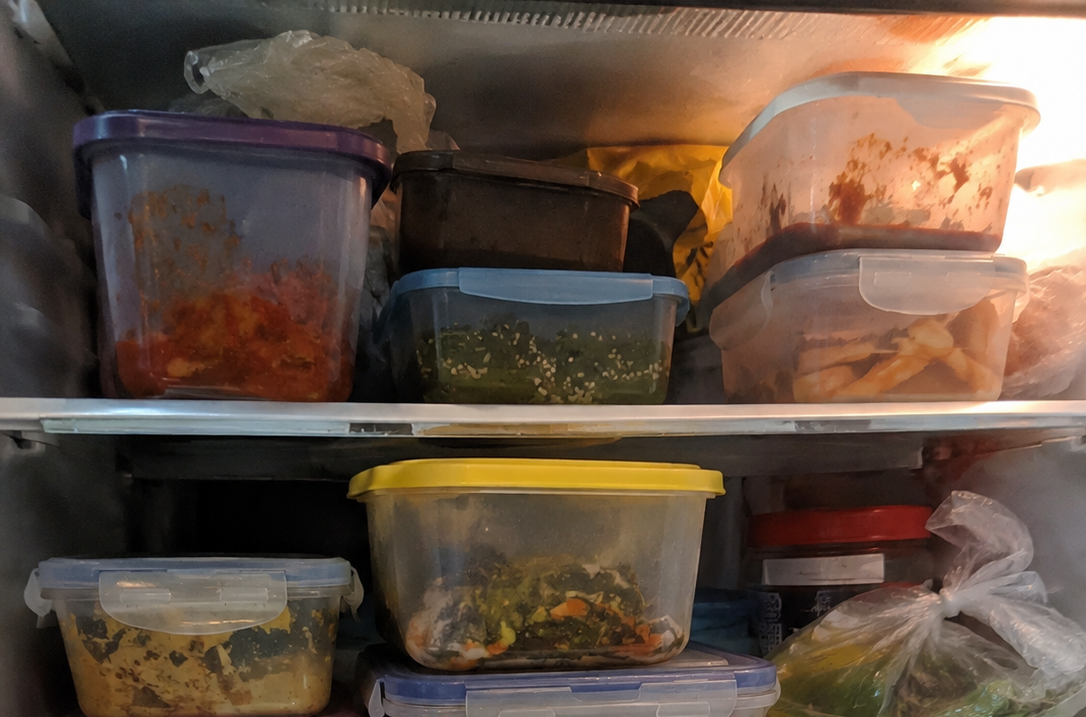
The deeper problem is that for most of those chemicals, nobody knows whether they are dangerous. A new analysis found that 8 in 10 chemicals used in everyday plastics — including food containers — lack sufficient data to assess their health risks.
Even among those confirmed as hazardous, more than half fall outside any regulatory framework. South Korea, often cited for relatively strict chemical management, is no exception. With so many substances to evaluate one by one, calls are growing to simply reduce plastic production itself.
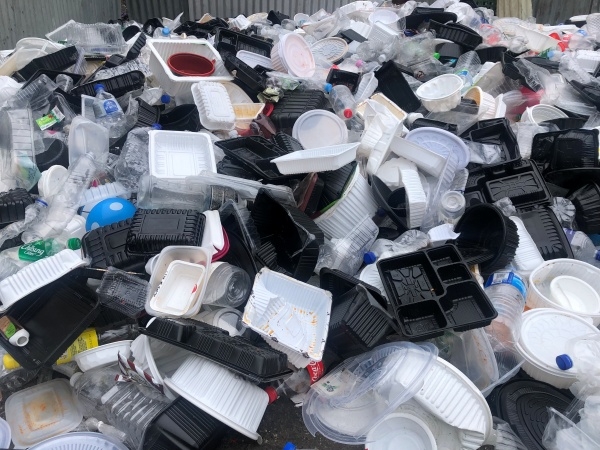
'8 in 10 chemicals unknown' — and half the hazardous ones go unregulated
According to climate and environmental researchers, the first international conference on chemical management convened in Geneva, Switzerland, from Nov. 16 to 20. At the meeting, the UN Environment Programme and the World Health Organization jointly released a report on endocrine-disrupting chemicals — substances that interfere with the body's hormonal system — found in everyday products.
The report found that endocrine disruptors such as bisphenols and phthalates are present throughout daily life: in food containers and packaging, toys, clothing and other household items. They have even been detected in blood, breast milk and umbilical cord blood, meaning exposure can begin before birth and may have lasting effects on a child's brain development and growth.
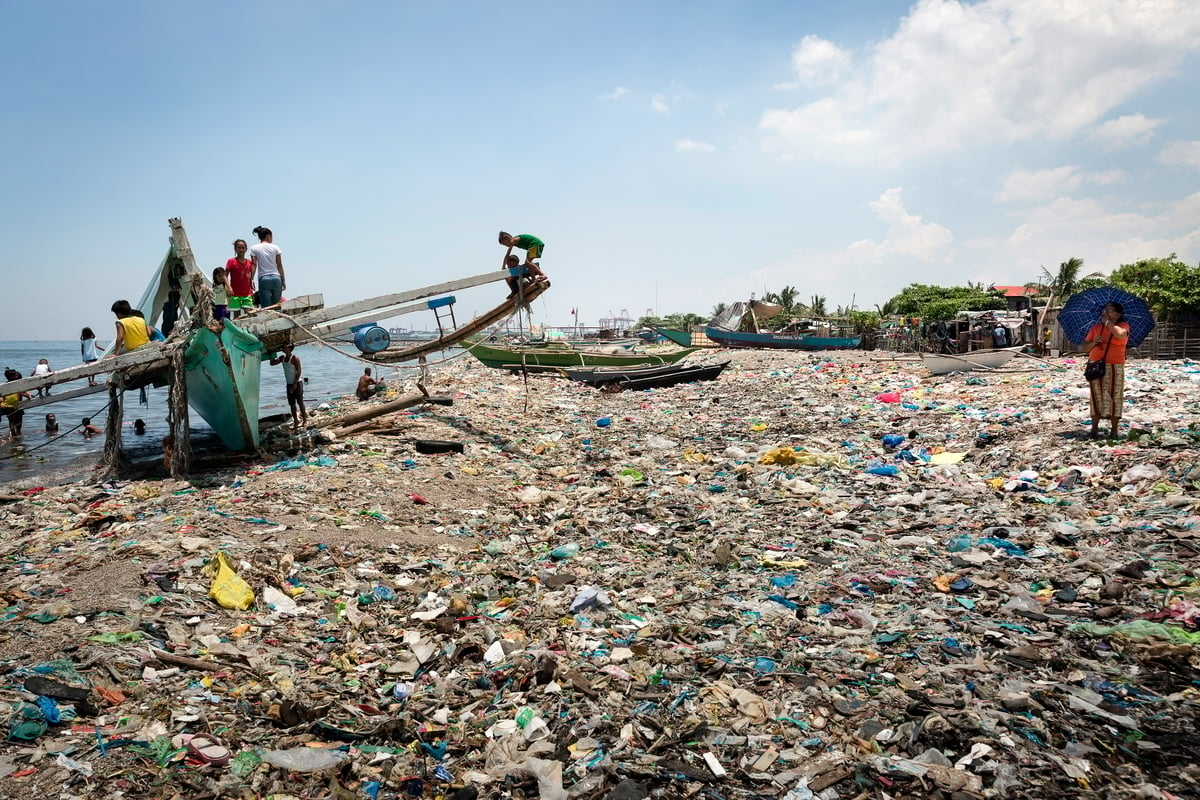
The problem is compounded by how little is known about which chemicals are endocrine disruptors in the first place. More than 350,000 chemicals are registered worldwide, yet only a small fraction have been evaluated for hormonal interference. Known endocrine disruptors may represent only the tip of the iceberg.
The Environmental Justice Foundation published its "Toxic Plastic" report in October, analyzing the hazards and regulatory status of more than 16,000 chemicals used in plastics — examining not only endocrine disruption but also links to cancer and reproductive disorders.
The EJF focused on 3,552 substances found in everyday plastics such as food containers, clothing, toys, household goods and hygiene products. It found that 79.2 percent — 2,814 substances — lacked sufficient data to determine whether they are harmful to human health. In other words, 8 in 10 chemicals in common plastic products remain poorly understood.
Even among the 738 substances for which data existed, the findings were alarming. Some 92.8 percent — 685 substances — were classified as "high-hazard," meaning they are associated with cancer, hormonal disruption or reproductive disorders. The most prominent examples are bisphenols and phthalates, the chemicals widely known as environmental hormones.
These substances are closer than most people realize. Phthalates, which are added to plastics to make them flexible, were found across all five product categories examined: food containers, clothing, toys, household goods and hygiene products. The report also cited research showing that bisphenol A leaches from baby pacifiers.
More troubling still, more than half of these high-hazard substances — 54.2 percent — fall into a regulatory blind spot. They were not listed as controlled substances under international environmental conventions or in the chemical management registries of the EU, Japan, South Korea or the US state of California, four jurisdictions considered to have relatively rigorous chemical oversight.
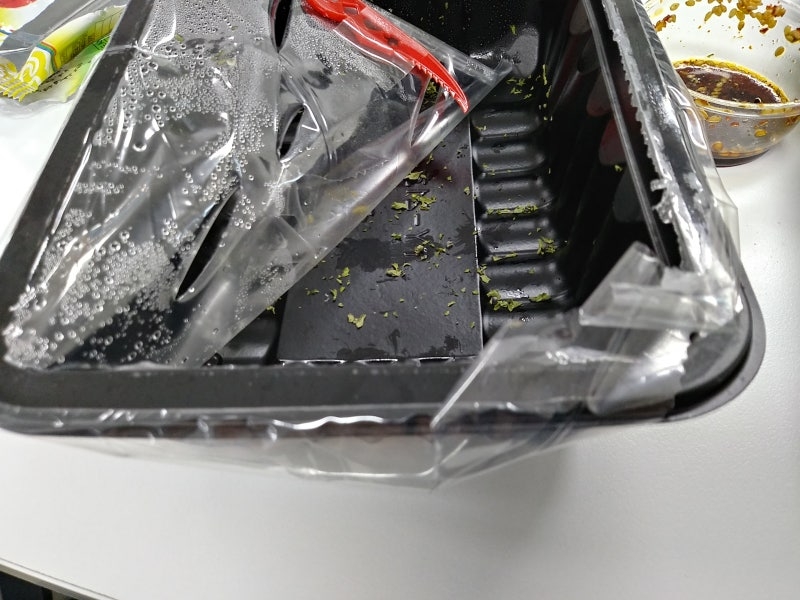
Food containers are particularly vulnerable. Among the five product categories, 58.6 percent of high-hazard chemicals used in food containers were unregulated — the second-highest rate across all categories, and higher than the figures for toys (52.8 percent) and clothing (50.9 percent).
Looking only at food-container chemicals for which data exist, 91.6 percent were classified as high-hazard. Of those, 90.6 percent were not covered by any international convention, meaning the vast majority operate entirely outside any monitoring system.
Despite the direct route these chemicals can take into the body through food, oversight remains weak. Scientists who participated in the report's survey identified food containers as their top concern for chemical exposure pathways, noting that infants, children, pregnant women and the elderly face heightened risk.
There is also evidence that chemicals migrate from plastic containers into food during use. A Greenpeace report released in February, which analyzed 24 academic papers, found that heating food in plastic containers causes significant amounts of microplastics and chemical substances to leach into the food.
Microwaves were identified as a particular concern. In one study, microwaving two plastic containers for five minutes released up to approximately 530,000 microplastic particles into the food.
Even South Korea's strict rules fall short: 'We can't keep up one chemical at a time'
South Korea is generally regarded as having relatively stringent chemical management. The OECD, in a comparison of East Asian countries, rated South Korea, Japan and Singapore as having strong regulatory enforcement.
Domestically, well-documented hazardous substances such as lead and phthalates are subject to established standards. The Ministry of Food and Drug Safety revised leaching standards for food containers made of polyvinyl chloride this past March. However, a one-year grace period applies before the updated rules take effect.
Even tightening standards for already-known hazardous substances takes time. Verifying and regulating the risks of thousands of chemicals one by one is no simple task.
The challenge is compounded by substances that form unintentionally during the manufacturing or heating of plastics — byproducts that were never deliberately added and are therefore difficult to track or list for regulation. UNEP and WHO also flagged in their report the limitations of the current regulatory approach, which evaluates chemicals individually rather than as a class.
Even the EU, which leads on chemical regulation, faces similar constraints. A review published by European environmental groups in April found that roughly two-thirds of the 22 chemical regulation measures the EU had committed to pursuing showed no progress or were delayed by months to years behind schedule.
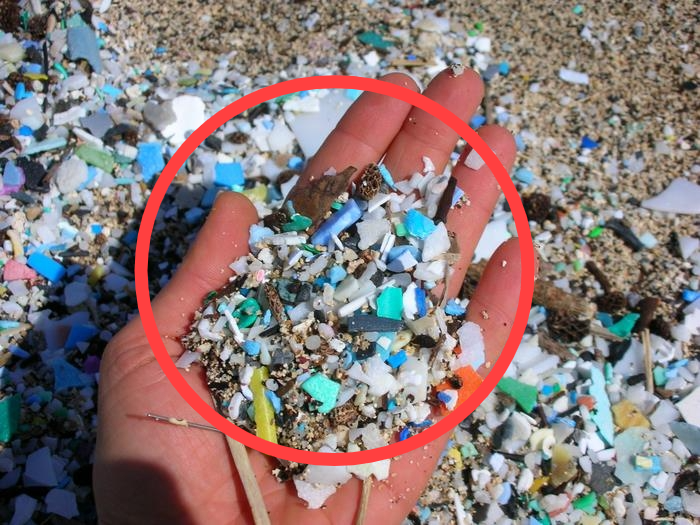
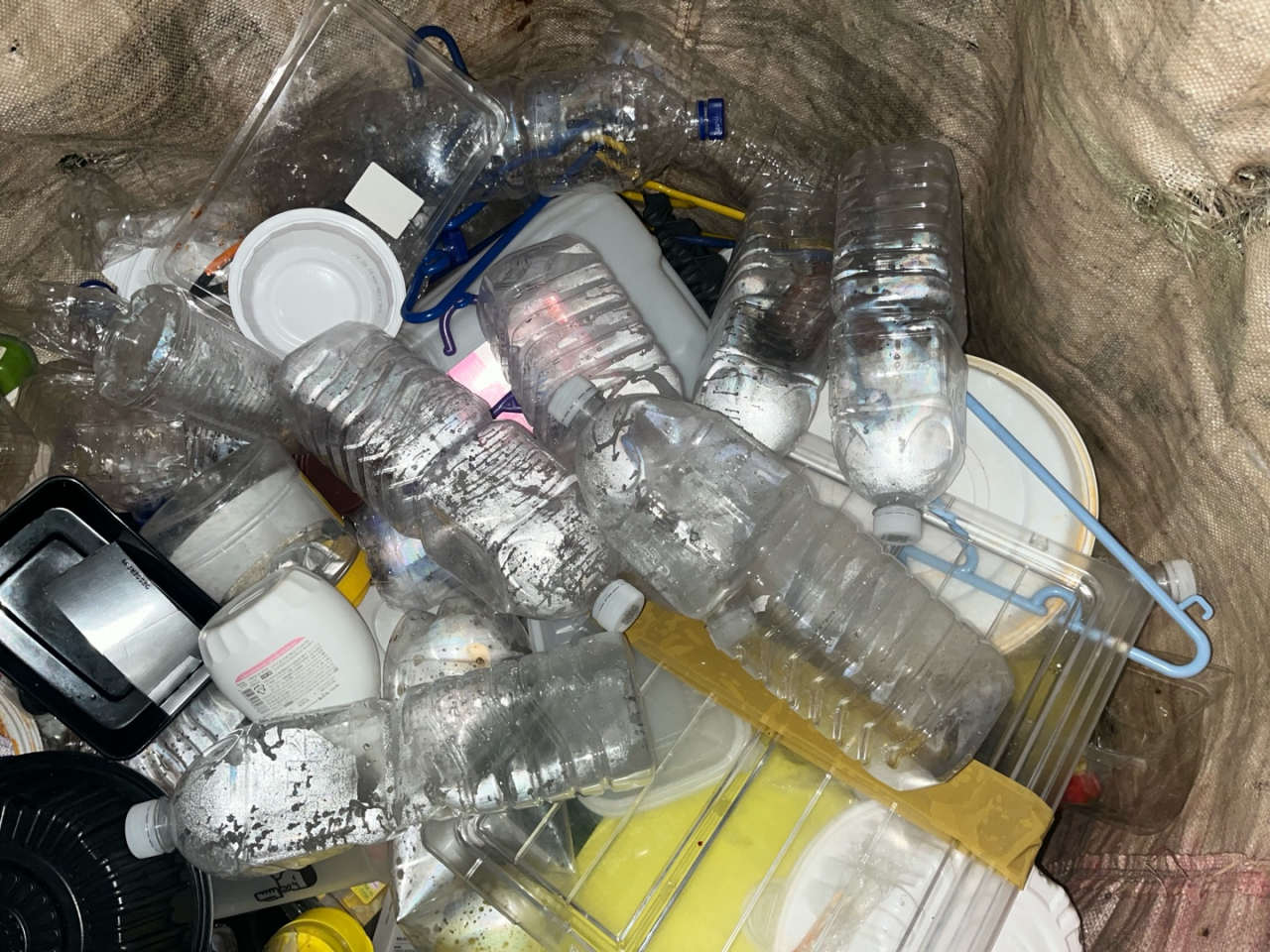
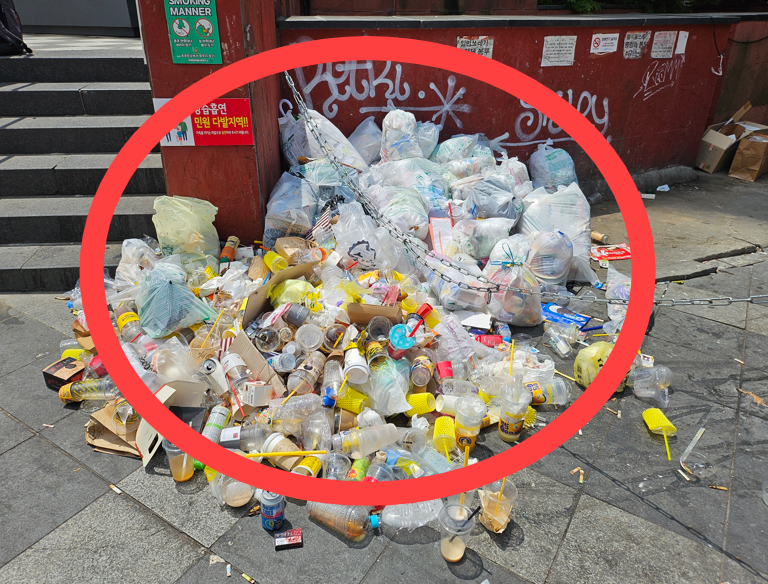
Meanwhile, plastic production keeps climbing. Global output was less than 2 million metric tons in 1950; it now exceeds 430 million metric tons a year. Yet only 9 percent of plastic is recycled. The plastics industry also accounts for 4 to 5 percent of global greenhouse gas emissions, adding to the climate burden.
Ultimately, the realistic solution is not to block chemicals one by one, but to produce and use less plastic overall — because less plastic means less exposure to the chemicals inside it.
The difficulty is that no single country can solve this alone. Plastics and their raw materials cross borders freely. Even if one country tightens its standards, the same substances can enter through products manufactured elsewhere.
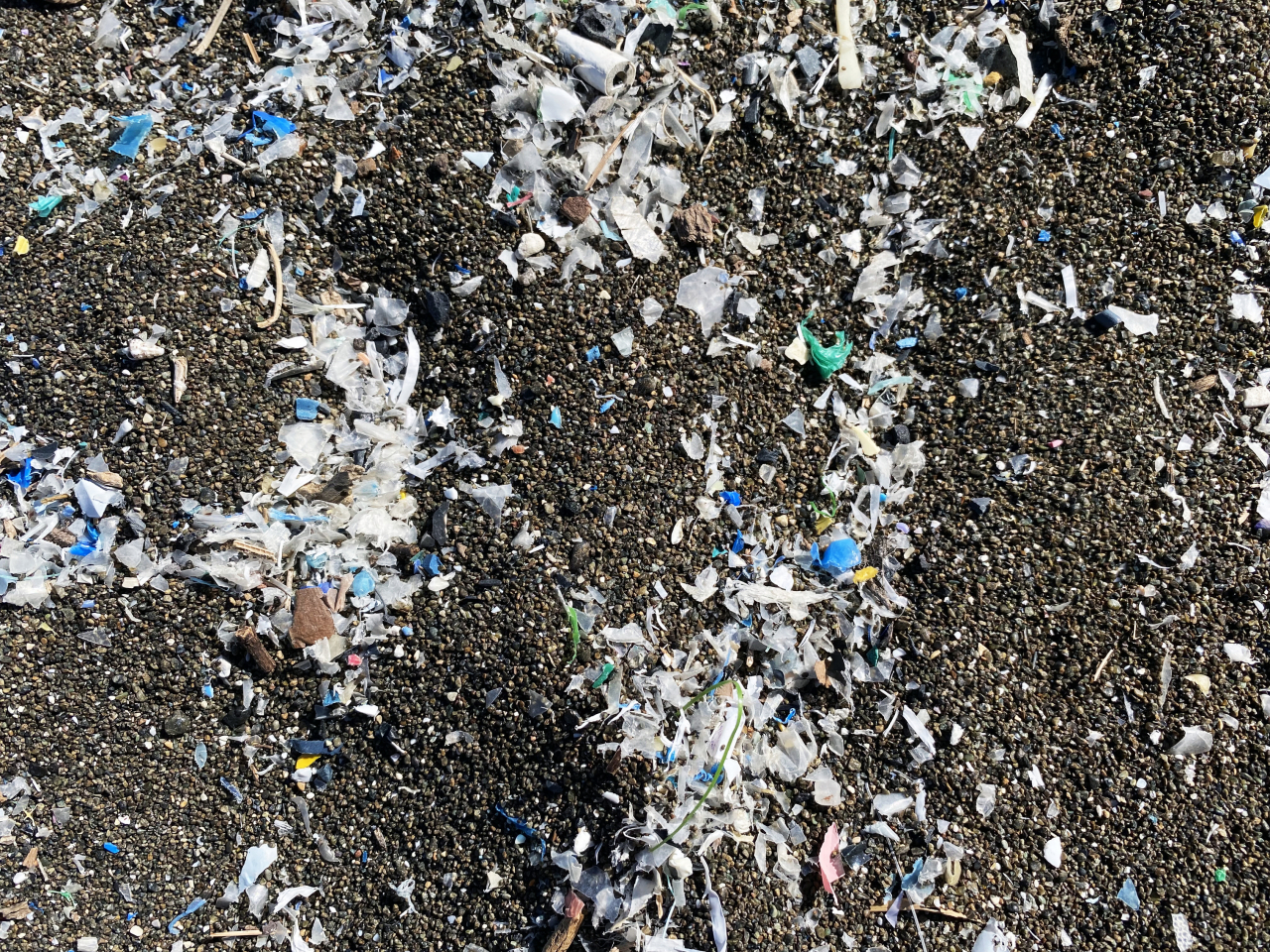
International cooperation, however, has struggled to gain momentum. The Geneva conference adopted indicators to monitor progress on chemical management goals, but a global plastics treaty that would address both plastic production and hazardous chemical management together has remained unresolved for two years since the Busan negotiations in 2024.
"The plastics we live with every day are quietly making us sick," said Steve Trent, EJF chief executive. "These chemicals have made their way into our food, our homes and the bodies of our children."
woo@heraldcorp.com





