
Pilot data collected from 163 sites nationwide; research results due in May
A-to-E rating system envisioned; insurance linkage to follow if loss ratios improve
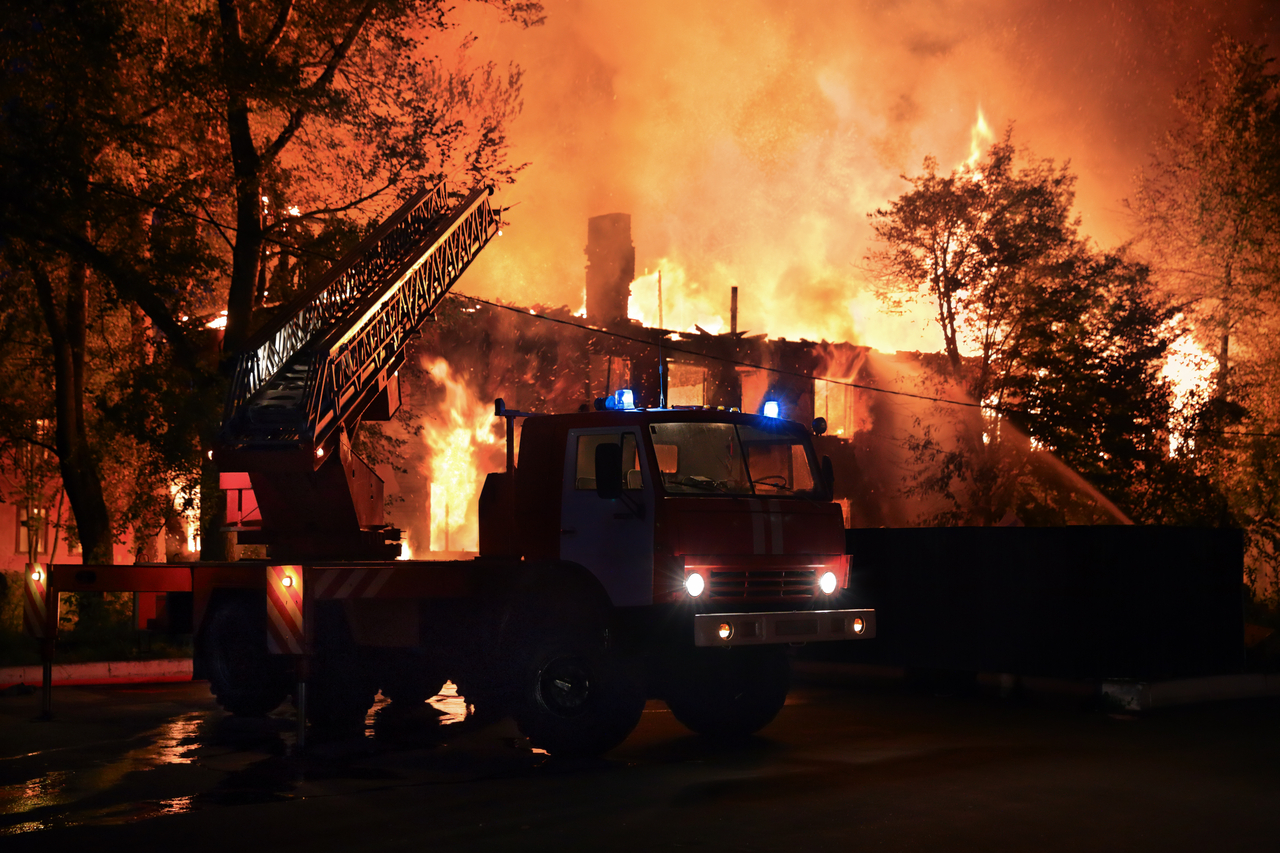
The Korea Fire Insurance Association is researching a system to score workplace fire risk management using AI and Internet of Things sensors. The initiative goes beyond checking whether facilities have sprinklers and other fire-suppression equipment — it aims to verify through data how much the sensors actually reduce risk. Because the research is still in its early stages, the association said it will wait for pilot results before discussing whether to incorporate the scores into non-life insurers' underwriting reviews or premium calculations.
According to the insurance industry on Wednesday, the association is drafting a framework called the IoT Risk Management Score, or IRMS (tentative name), as part of a research support project with the Risk Management Society of Korea. The system evaluates workplaces across five categories — sensor coverage, data collection stability, anomaly detection capability, alarm response and inspection linkage — each worth 20 points, for a total of 100. Sites would be assigned ratings from A to E, with long-term consideration of using the scores in underwriting reviews and premium discounts. The results of the AIoT pilot study are expected to be published in academic paper form around May next year.
To support the framework, the association has established a four-stage analytical structure. It begins by classifying fire, electrical, equipment failure and operational disruption risks into physical, digital, cyber and compound categories based on literature and overseas cases. Sensor data from pilot sites are then collected and analyzed, with anomaly detection frequency, response time and inspection accuracy used as leading indicators to measure risk-reduction effects. The findings will then move through empirical analysis and expert consultation before being translated into an insurance-linkage framework.
The data feeding the scoring system are being gathered from pilot sites across the country. The association has installed equipment at 163 locations in partnership with three companies: HL Mando, Ollight Life and Focus AI. HL Mando has fitted 127 arc-detection sensors — which identify abnormal electrical sparks in distribution and switchboard panels — at 26 sites. Ollight Life has installed wireless fire detectors and air-sampling detectors, which draw in air to capture fine smoke particles, at 119 locations. Focus AI is operating AI-enabled closed-circuit television cameras that analyze smoke, flames and abnormal heat sources through video at 18 sites. The pilot periods end on a rolling basis by company, running from June next year through July 2028.
By facility type, hanok guesthouses in Jeonju's Hanok Village account for 102 sites, or 63 percent of the total. Manufacturing factories follow at 17 sites, small restaurants at 15, retail facilities at 12 and logistics warehouses at 6. Data centers and livestock farms account for two sites each, with construction sites, smart farms, robot charging facilities and office buildings each contributing one.
The key metric the association will use to measure risk-reduction effectiveness is "early detection lead time" — the window of advance warning before a fire fully develops. Electrical fires typically begin with arcing or leakage current, progressing through overheating and smoldering — burning without open flame — before smoke spreads and ignites. Conventional automatic fire detection systems generally respond only after smoke or flames appear, whereas AIoT equipment aims to catch precursor signs earlier. The association plans to reproduce staged fires at the Fire Environment Test Building of the Fire Insurers Laboratories of Korea to compare each solution's initial detection time and false-alarm rate, then link those results to the association's FILK certification test criteria.
Proving the technology's effectiveness, however, will take time. No domestic pilot site has yet recorded a case in which an anomaly signal led to a fire-prevention action. The association explained that because fires occur infrequently, it is difficult to confirm a preventive effect from equipment installation alone, and more data and real-world cases need to accumulate. The association plans to analyze the pilot data and release results in the first half of next year; if risk-reduction effects are confirmed, it will then open discussions with non-life insurers on incorporating the scores into underwriting and premium decisions.
"Ultimately, loss ratios need to come down, and these things need to be verified through data before they can enter the regulatory mainstream," said Kwak Hun, head of the new business planning team at the Korea Fire Insurance Association. "Our goal for the first half of next year is to analyze the data we have collected so far and draw meaningful conclusions."
won@heraldcorp.com





