
Charges include aggravated breach of fiduciary duty under the Act on Aggravated Punishment of Specific Economic Crimes
First trial: 2 years in prison, suspended 3 years → Second trial: 3 years in prison, suspended 4 years
Supreme Court finds second trial erred in convicting on performance bonus and golf membership charges
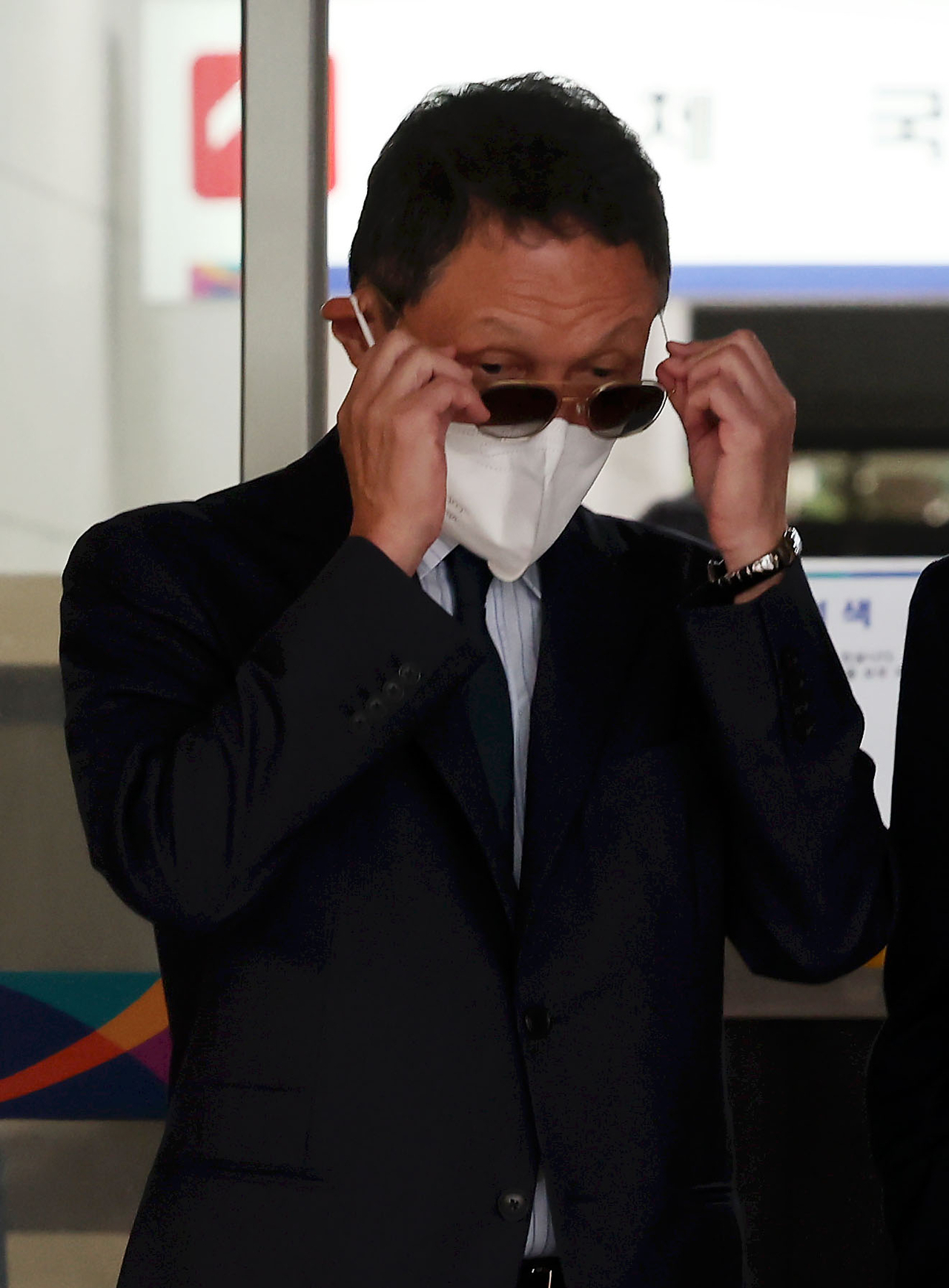
The Supreme Court has ordered a retrial for Koo Bon-sung, 69, former vice chairman of food service company Ourhome, ruling that part of his conviction for embezzling and misappropriating company funds during a period of financial difficulty should be overturned.
The Supreme Court's First Division, presided over by Justice Cheon Dae-yeop, struck down the second-instance ruling that had sentenced Koo to three years in prison, suspended for four years, on charges including aggravated breach of fiduciary duty under the Act on Aggravated Punishment of Specific Economic Crimes, as well as occupational embezzlement and breach of duty. The court said the lower court had "erred in its legal reasoning by finding him guilty on some of the charges" and remanded the case to Seoul High Court.
Koo, who served as the company's chief executive, was accused of privately converting hundreds of millions of won worth of gift vouchers — issued under the name of executive compensation — into cash between July 2017 and 2021. He also faced charges of using company funds to pay property and comprehensive real estate taxes on land in Hannam-dong, Yongsan-gu, Seoul, and to purchase a golf club membership.
He was further accused of ordering his salary to be nearly doubled without a shareholder resolution and of receiving performance bonuses worth 2 billion won ($1.49 million) even as the company struggled financially during the COVID-19 pandemic.
The first trial, in September 2024, sentenced Koo to two years in prison, suspended for three years.
The court found that Koo had converted the gift vouchers into cash to pay his comprehensive income tax, noting that while he claimed the funds were intended for company use, there was no documentation or evidence to support how the money had been raised.
However, the first trial acquitted Koo on the charges of improperly receiving performance bonuses and purchasing a golf club membership in his personal name, finding "no evidence that Koo had given instructions or that he had intercepted the benefits by transferring them to a third party."
On appeal, the sentence was increased to three years in prison, suspended for four years, and the charges on which Koo had been acquitted were reversed to guilty verdicts.
In August last year, the second trial ruled that Koo appeared to be "the decision-maker behind the payment of performance bonuses" and that "intent to breach fiduciary duty was sufficiently established." On the golf club membership charge, the court said usage records showed that of 117 rounds played, Koo and his spouse appeared to have used the membership on 97 occasions, concluding that company funds had been embezzled.
The Supreme Court found the second trial's guilty verdicts on those charges "difficult to accept" and ruled in favor of acquittal on both.
On the performance bonus charge, the court noted that "Koo's approval was not obtained on the payment review document, which could be considered a dispositive instrument," and that an employee who had directly reviewed the document testified at the first trial that Koo had not issued any instructions.
The court added that while the second trial had dismissed that testimony as unreliable, "there are no reasonable grounds to find the first trial's judgment plainly unjust." It also cautioned that the second trial had based its guilty verdict on testimony from another chief executive whose interests conflicted with Koo's, saying reliance on such testimony to establish the charges "warrants careful scrutiny."
The Supreme Court also ruled in favor of acquittal on the golf club membership charge, saying that "given the scale of the company, it cannot be concluded that purchasing the golf club membership caused a loss to the company."
The court said the membership appeared to have been purchased to reduce the company's costs, finding "plausible grounds" for the decision and concluding that it was "difficult to say the membership was purchased from the outset for personal use."
The court further held that even if Koo had used the golf club on multiple occasions with only a spouse present, "the act of personally using the membership may be problematic, but that does not mean the act of acquiring the membership itself constituted a loss to the company."
notstrong@heraldcorp.com





