
1,658 of 13,414 workers expected to join — fewer than last December's walkout
Kindergartens, special schools to operate normally; provincial office says wage talks have resumed
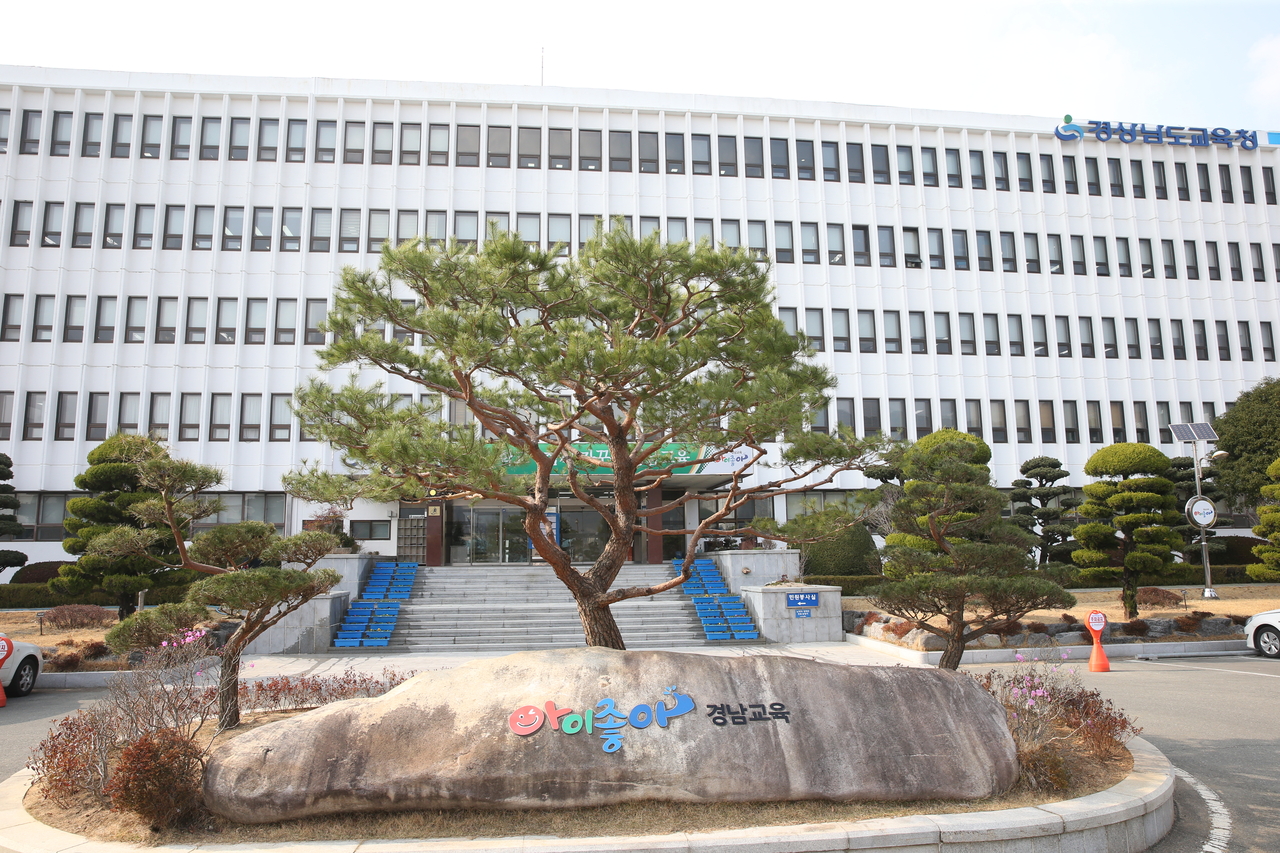
About 1,658 education public service workers employed by the South Gyeongsang Provincial Office of Education are expected to walk off the job Friday, prompting 262 schools across the province to offer alternative meals such as bread and milk.
According to the provincial education office, the number of workers expected to join the strike represents 12.4 percent of the total 13,414 education public service workers, based on figures tallied as of 11 a.m. Thursday. The strike is intended to press for a settlement in the 2026 collective wage negotiations. When workers staged a walkout on Dec. 6 last year, 2,142 people — or 16.0 percent of the 13,408 eligible workers — participated. Both the number and the rate of participation are lower this time.
By union, about 1,400 members affiliated with the National School Non-Regular Workers Solidarity Council plan to travel to Seoul to take part in a rally there. The council includes the National School Non-Regular Workers Union, the National Education Public Service Workers Headquarters and the National Women's Workers Union. About 200 members of the National Solidarity Union's South Gyeongsang Kindergarten After-School Branch plan to hold a rally in front of the main gate of the provincial education office from 4 p.m. to 6 p.m. Friday.
School meal services are expected to bear the brunt of the disruption. Of the 4,932 food service workers in the province, 1,146 — or 23.2 percent — plan to join the strike, including 10 nutritionists, 129 cooks and 1,007 kitchen assistants.
Of the 1,046 schools that normally provide meals, 772 will serve regular lunches. The remaining 262 will offer alternatives: 256 will provide bread and milk, three will ask students to bring a dosirak from home, and three will use other arrangements. Twelve schools will not serve any meals at all, but the provincial education office said this is due to scheduled academic activities such as regular exams or field trips and is unrelated to the strike.
For elementary school after-care programs, 78 after-care workers at 45 of the 513 schools that run such programs plan to strike. Of the 998 after-care classrooms in total, 938 will remain open, while four schools will suspend their after-care operations entirely.
At schools where some after-care workers still report for duty, the provincial education office plans to consolidate classes. At schools where all after-care workers join the strike, it will deploy school staff who have volunteered to fill in, minimizing gaps in care. Schools that cannot secure substitute staff or have no students wishing to attend have already notified parents in advance.
Kindergartens and special schools are expected to operate normally. Although 135 of the 198 kindergarten after-school workers — 68.2 percent — plan to strike, all 346 kindergartens in the province, including those attached to elementary schools, will remain open. The 11 public and private special schools also plan to proceed with their regular curricula by deploying special education assistants who are not striking along with their own staff.
"The collective wage negotiations, which broke down once, have resumed," a provincial education office official said. "We will recount the actual number of participants as of 11 a.m. on Friday, the day of the strike, and work closely with schools to minimize confusion for students and parents."
ook967@heraldcorp.com





