City responds to mounting unsold units and slumping transactions
Financial and tax incentives sought for distressed-area buyers
Busan also pushes to expand second-home tax breaks to depopulated zones
Busan said Friday it is developing region-specific housing market stabilization measures to counter a deepening slump marked by mounting unsold units, shrinking transactions and a sharp drop in housing permits.
Key indicators have broadly deteriorated across Busan's housing market, worsening concerns over a construction slowdown and housing insecurity for end-users. As of the end of September, the city had 6,928 unsold housing units, of which 2,455 remained unsold after completion.
Housing transactions in September totaled 2,883 sales — down 28.8 percent from 4,054 a year earlier — while jeonse and monthly rent transactions fell 29.5 percent to 5,386 from 7,641 in the same period last year. Housing permit approvals from January through September this year plunged 67.7 percent to 7,699 units from 23,830 in the same period a year earlier, raising concerns about a weakening medium- to long-term supply base and a loss of momentum in the local economy.
In response, the city submitted a first policy proposal to the Ministry of Economy and Finance, the Financial Services Commission and the Ministry of Land, Infrastructure and Transport on Oct. 30, calling for six priority measures: extending or exempting non-Greater Seoul mortgage stress debt service ratio relief beyond December 2026; expanding financial support for newlyweds, first-time buyers, housing-vulnerable groups and buyers of completed unsold units outside the capital region; extending the special exclusion period for capital gains tax and comprehensive real estate tax that aligns with the acquisition tax reduction on completed unsold units; strengthening the effectiveness of the distressed-area support regime under the Housing Act and expanding incentives for end-users; adjusting Korea Land and Housing Corporation's purchase criteria for completed unsold units to reflect market realities; and extending Korea Housing and Urban Guarantee Corporation's unsold-unit buyback guarantee period while expanding project financing guarantees and financial support for local construction firms.
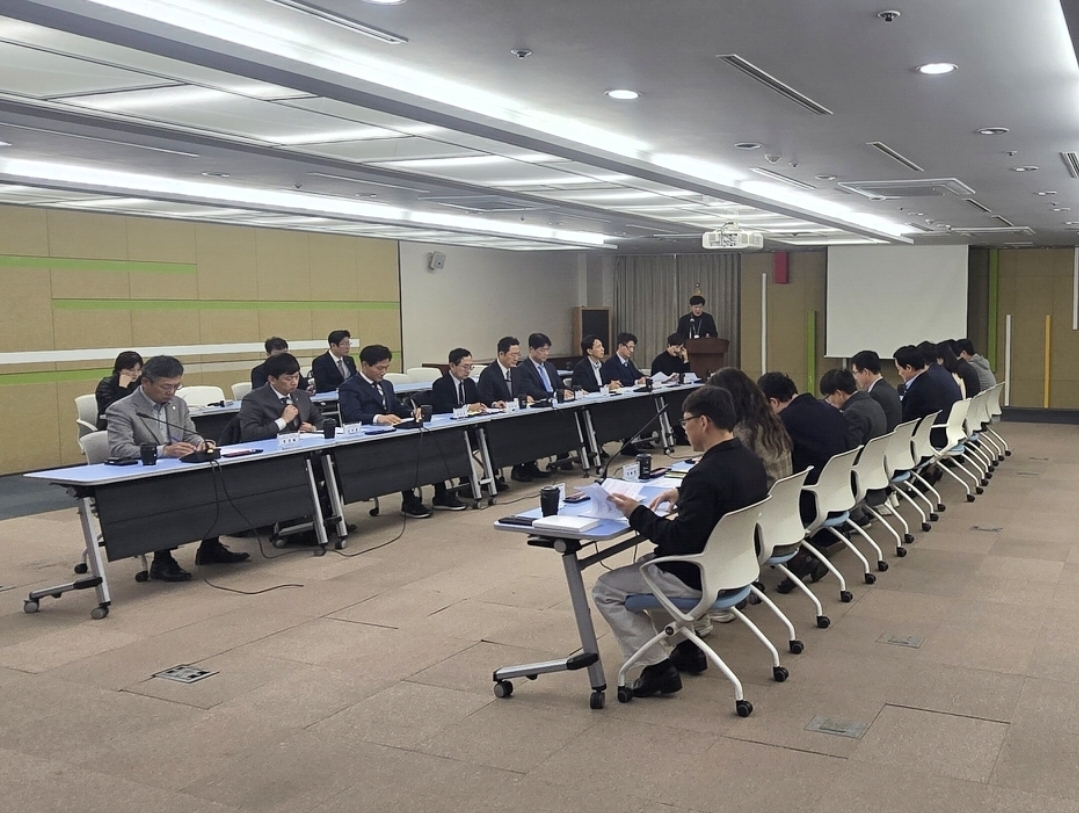
The city then held a public-private-academic policy forum on Nov. 13, attended by Korea Land and Housing Corporation, Korea Housing and Urban Guarantee Corporation, Busan Urban Corporation, local construction and housing industry associations and regional contractors, to gather on-the-ground views and identify gaps in existing policies. A second proposal incorporating those findings was submitted to the Ministry of Economy and Finance and the Ministry of Land, Infrastructure and Transport on Wednesday.
Notably, the city urged the government to include depopulated areas within metropolitan cities in the "second-home tax break for depopulated regions" program, so that depopulated communities within Busan — which face structural challenges similar to smaller provincial cities, including population outflow, aging, deteriorating housing stock and unsold unit backlogs — are not left out of policy benefits.
kaf2002@heraldcorp.com