
23,562 education public service workers join walkout — 13% of total
31.9% of schools unable to serve regular meals; alternative food provided
Gangwon Province, Sejong see normal meal rates fall to 30% range
153 Seoul schools offer alternative meals; special schools operate normally
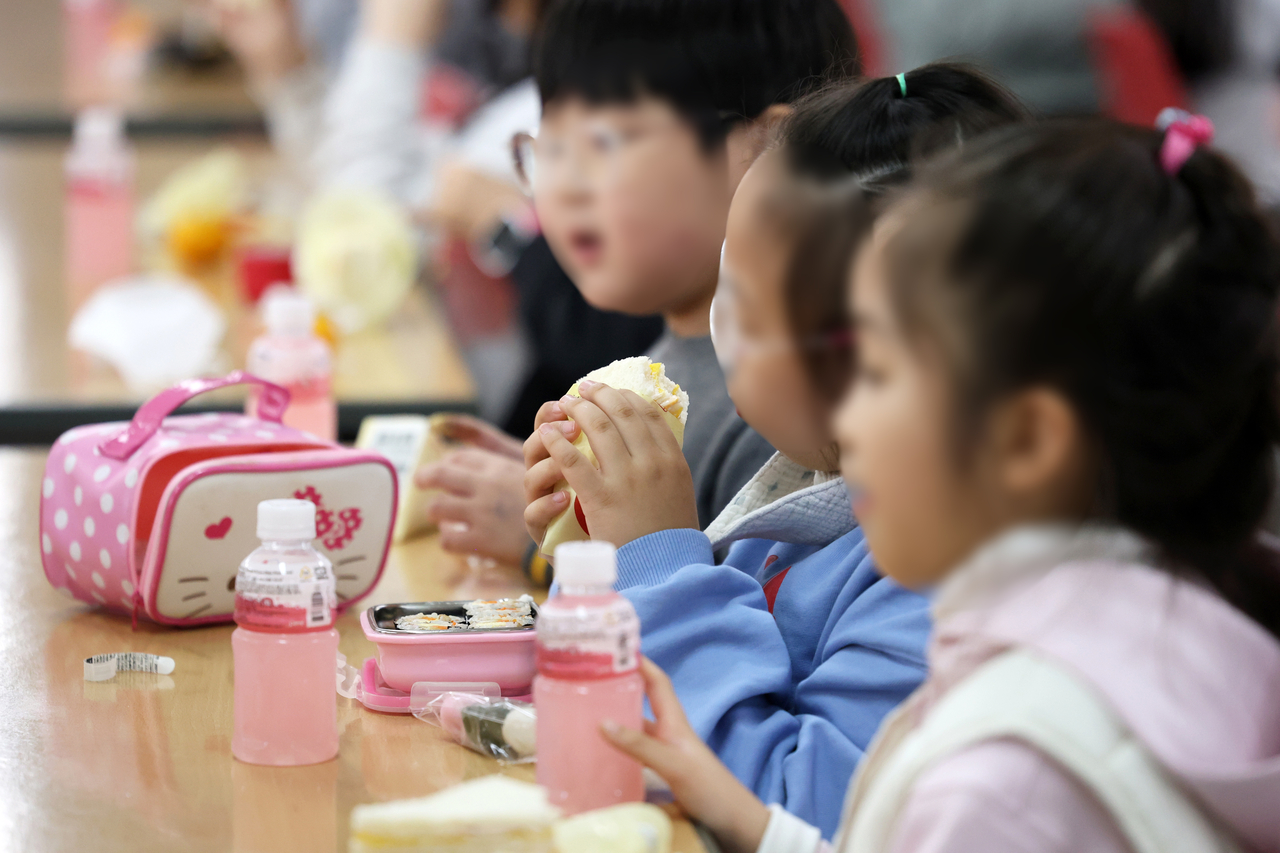
Non-regular school workers across the country launched a general strike Friday after collective wage negotiations broke down, leaving roughly 3 in 10 schools unable to serve regular meals. A total of 753 elementary school after-care classrooms were forced to close, and after-school programs at 27 kindergartens were also suspended.
According to the Ministry of Education, 23,562 workers — 13 percent of the 180,722 education public service workers employed by 16 city and provincial education offices and national schools — had joined the strike as of 11 a.m. Friday.
By region, Gyeonggi Province recorded the highest participation at 5,582 workers, followed by Gwangju and South Jeolla Province with 2,528, Gangwon Province with 1,996, North Jeolla Province with 1,897 and South Gyeongsang Province with 1,640.
School meals were the hardest-hit area. Of the 12,597 schools that normally provide meals nationwide, 4,014 — or 31.9 percent — were unable to do so.
Of those affected schools, 3,698 provided alternative food such as bread and milk, while 30 asked students to bring their own dosirak. Another 123 schools arranged purchased dosirak or similar substitutes. The remaining 163 schools did not serve meals at all, adjusting their schedules around regular exams or other academic calendar changes.
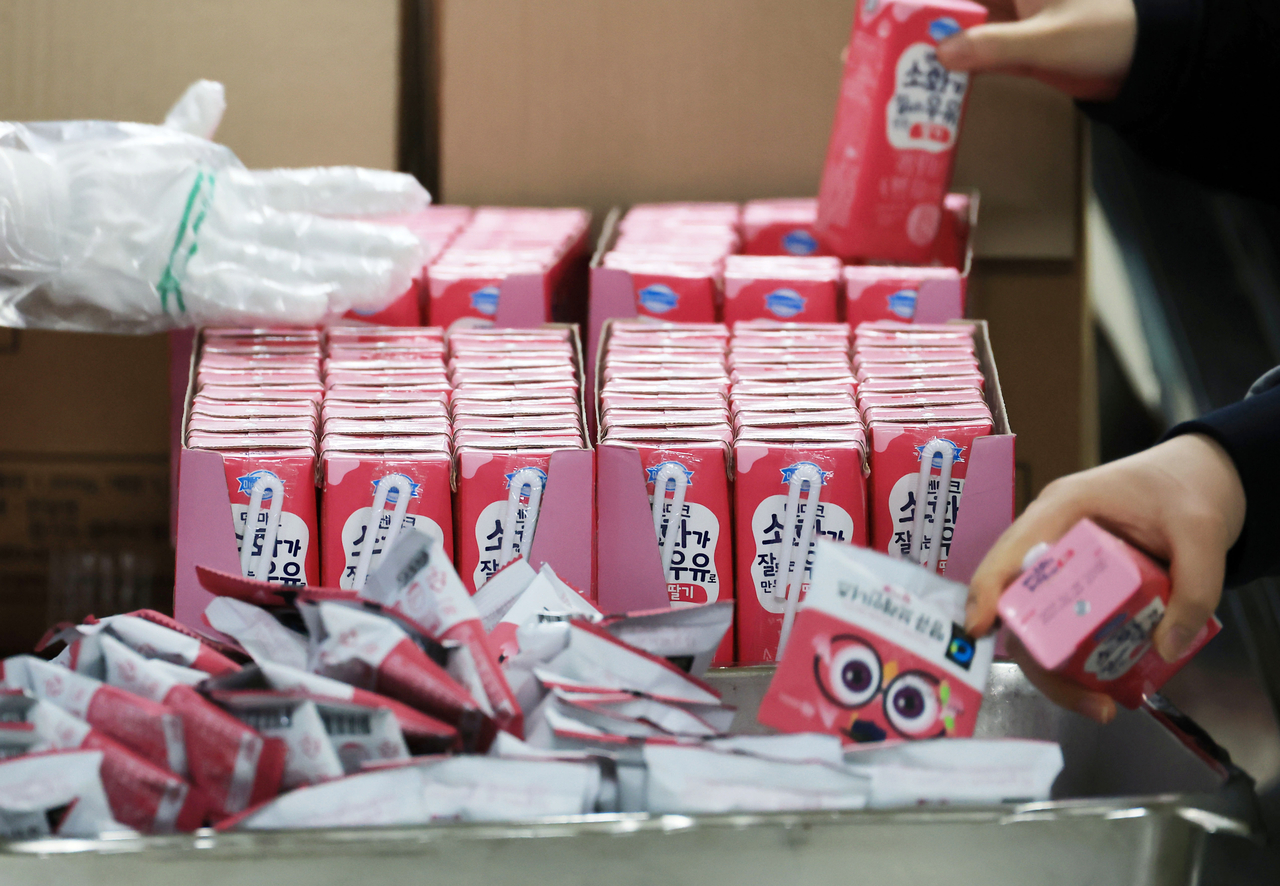
Gangwon Province had the lowest rate of normal meal service, with only 215 of its 669 meal-serving schools — 32.1 percent — operating normally. Sejong's normal meal rate was limited to 36.2 percent. North Jeolla Province (49.9 percent), North Chungcheong Province (50.6 percent), Ulsan (55.1 percent) and Gwangju and South Jeolla Province (55.3 percent) also saw roughly half or fewer of their schools able to provide regular meals.
After-care and after-school programs also saw gaps in service. Of the 6,044 elementary schools that run after-care programs, 201 — 3.3 percent — suspended operations entirely. At the classroom level, 753 of 13,101 after-care rooms, or 5.7 percent, did not open. Among the 12,904 dedicated after-care workers, 1,094 — 8.5 percent — joined the strike.
North Jeolla Province had the most schools with suspended after-care services at 58, followed by Gwangju and South Jeolla Province with 46, Gyeonggi Province with 33 and Gangwon Province with 21.
Kindergarten after-school programs were suspended at 27 of 3,987 sites nationwide, or 0.7 percent — 17 in Incheon, 8 in Gangwon Province and 2 in Gyeonggi Province. Among special schools, 2 in South Chungcheong Province adjusted their academic schedules through discretionary closures or similar measures, out of a total of 154 nationwide.
In Seoul, 1,321 of 25,828 education public service workers — 5.1 percent — participated in the strike. Of the 1,392 meal-serving schools in the city, 1,227 provided regular meals, 153 offered alternative food such as bread and milk, and 12 did not serve meals due to regular exams or academic schedule adjustments.
No Seoul elementary school suspended its after-care program entirely, though 24 of the city's 1,841 after-care classrooms did not operate. Special schools in Seoul ran normally without disruption from the strike.
The Seoul Metropolitan Office of Education said it deployed teaching staff and other personnel to minimize disruptions to after-care and kindergarten after-school programs. Emergency response centers were set up at the main office and 11 district education support offices.
The Ministry of Education and the 16 city and provincial education offices said they would do their utmost to reach a settlement in this year's collective wage negotiations while minimizing inconvenience to students and parents.
brunch@heraldcorp.com





