Tangerines — a beloved winter fruit in Korea — have been grown across the world for centuries, from Jeju to distant shores. But the English word for the fruit traces its origins to Morocco.
It is equally striking that the English name "Morocco" itself derives from Marrakech, the city known as "the red heart of Morocco." As "Marrakech" passed from mouth to mouth, it became "Morocco" — much the way the Korean word "dimchae" became "kimchi," or "yeoreum" became "yeolmae."
Morocco is home to Fes, a city with a longer recorded history than Marrakech — known by Turkey as an alternate name for Morocco — and to the even older Roman ruins of Meknes and Volubilis. Yet Marrakech, which began to flourish in the 11th century, is the city that shaped modern Morocco, much like a founding mother.
Rabat, which served as the administrative capital under French colonial rule, became the national capital after Morocco's independence in 1956 without any real break from its colonial past. Casablanca, with a population roughly three times that of Rabat, Marrakech, Fes and Meknes — each with about 1 million residents — has grown into Morocco's largest city. Earlier coverage in The Herald Business included an Oct. 25 report on Casablanca as a place that stirs romance, a Nov. 14 report on Rabat's Kasbah and its resilient women, and a Nov. 21 report on singer Im Mu-jin's love for Casablanca.
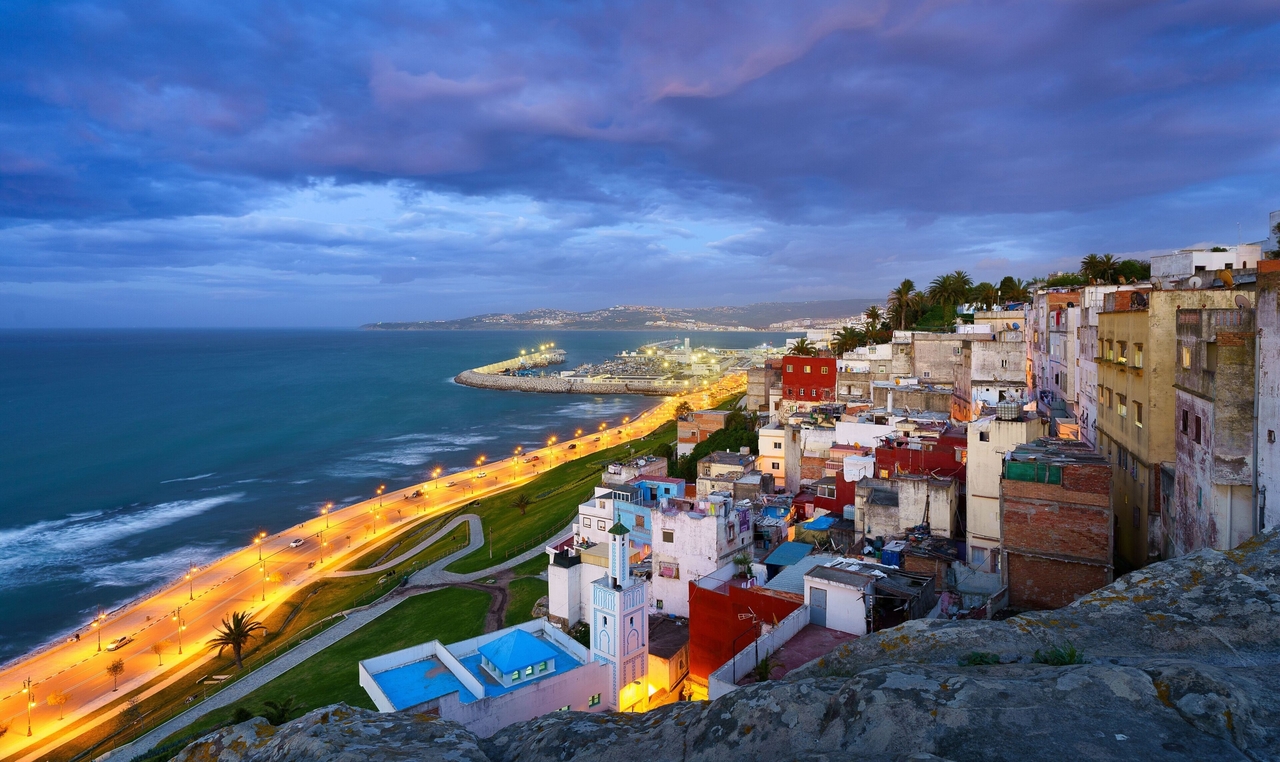
Hercules, Tingis, Sophax — and how a name travels
Morocco sits at the northwestern tip of Africa, yet it is more often described as a Mediterranean country or a Middle Eastern-adjacent state than a purely African one. Geographically, it stands at the gateway to the Mediterranean, just 14 kilometers at its closest point from the European continent; culturally, it is bound to the Arab-Islamic world.
Morocco is therefore called a crossroads of world cultures. Of its cities, Tangier best reflects that geographic character, while Marrakech best represents what Morocco is today.
Tangier, Morocco's northernmost city, lies just 14 kilometers from Spain's southern coast. Local legend holds that Hercules — the great hero of "Eurafrica" — split the continent to form Europe and Africa, carving out the 14-kilometer-wide Strait of Gibraltar, then rested in the Caves of Hercules after defeating a local giant. The caves, carved into the Atlantic cliffs, bear a resemblance to the sea caves of Chaeseokgang in Buan, South Korea.
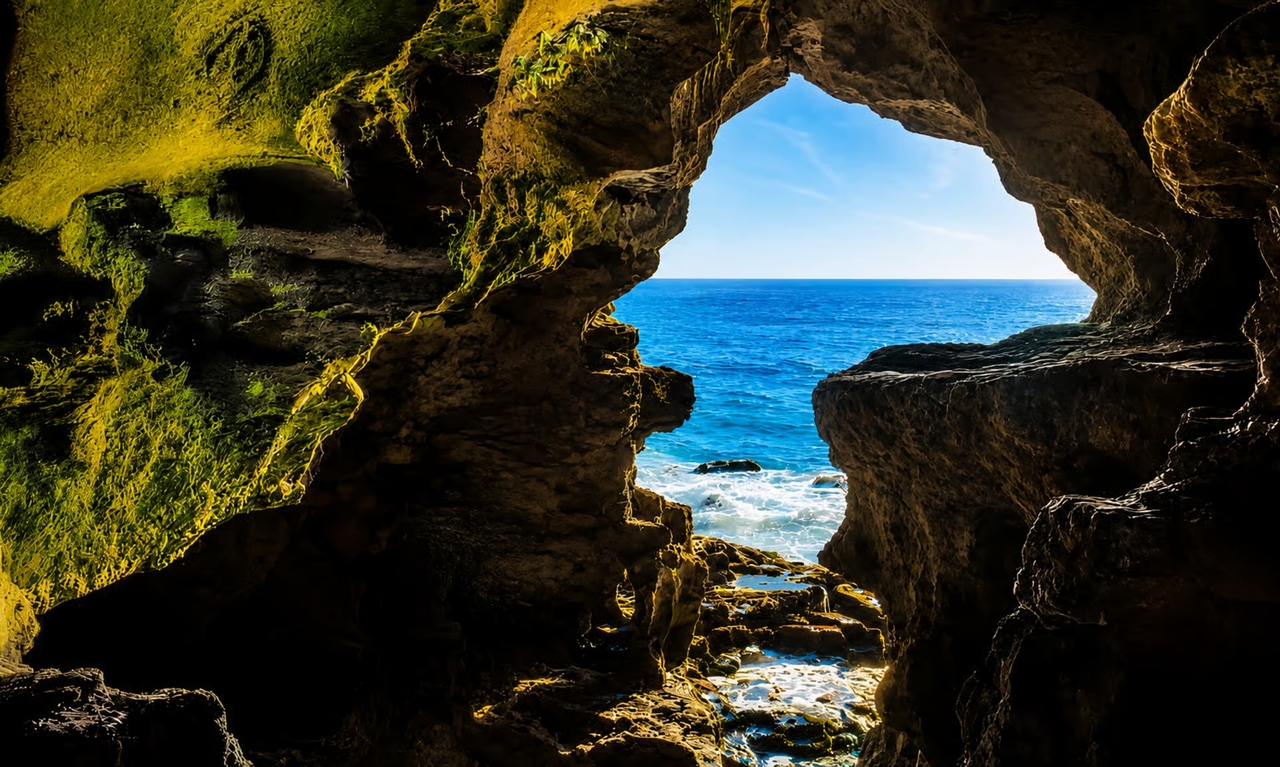
According to legend, after completing his labors, Hercules fell in love with Tingis, the wife of the local giant he had defeated. Her name became the origin of the city's name, Tangier.
The city is said to have been named by Sophax, the son born to Hercules and Tingis. Sophax is regarded as the founding ancestor of the ancient Moroccan royal line.
Language, as is well known, changes as it passes through people's mouths. The name Tingis, as the indigenous Berber language met Arabic, shifted in pronunciation from "Tanja" to "Tanjier," and eventually became "Tangier" in English. As an aside, legend also places Hercules in northwestern Spain, where he is said to have fallen in love with a local woman named Cornya while performing another labor — and that city is A Coruña, a hub on the English route of the Camino de Santiago.
Near Cape Spartel, west of Tangier's port, the Caves of Hercules resemble both a giant's face and the outline of the African continent turned sideways. Tourists line up in droves to capture silhouette photographs there.
Tangier and the tangerine that crossed the water
Tangier is a melting-pot city where diverse peoples, traders and cultures have long mingled and influenced one another, and its residents are notably open-minded. While people in other Moroccan cities often struggle to tell Koreans, Chinese and Japanese apart, Tangier's strong hallyu influence means locals frequently recognize Koreans on sight, greet them with "annyeonghaseyo," and eagerly show off their knowledge of K-culture, now a global phenomenon. Rabat is another Moroccan city with a strong hallyu following — North African and southern European visitors flock there each year for its music festival and K-pop performances.
Tangier has always been a strategically vital city — through the Phoenician opening of trade routes, Carthage's dominance of the Mediterranean and the rule of Islamic dynasties. During the era of great-power rivalry in the 19th and 20th centuries, it remained neutral, like Switzerland, refusing to take sides.
The Korean proverb "a tangerine that crosses the Huai River becomes a trifoliate orange" means that words change as they pass through people's mouths — just as Marrakech became Morocco, and Tingis became Tanjier and then Tangier.
The English word "tangerine" traces its origins to Tangier. Before the fruit had a settled name, Europeans asking one another "what do you call that fruit?" would answer, "it's just the one from Tangier." Through that exchange, the phrase meaning "from Tanger (Tangier), with the suffix -ine" hardened into the word "tangerine." Whether the Korean word "taengja" — the trifoliate orange in that proverb — is also connected to Tanjier and Tangier remains unconfirmed.
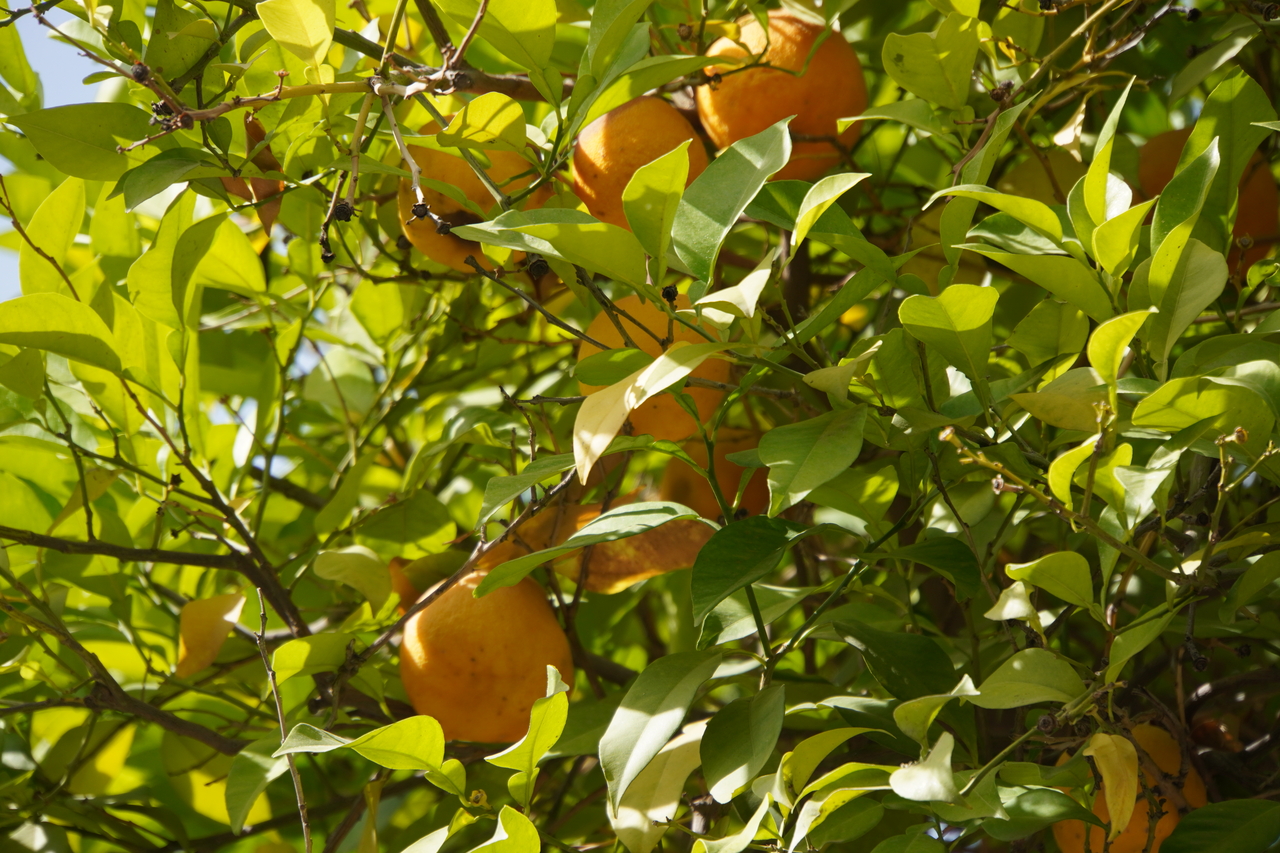
Unlike the flat tangerines of Jeju, Moroccan tangerines are round, closer in shape to a trifoliate orange. Among the stops on a Korean tour group's itinerary through Morocco, the places where Moroccan tangerines were most abundant were the palaces of Marrakech and the area around Meknes, near the Roman ruins. Just as Jeju grows both ornamental summer citrus and edible tangerines, Moroccan tangerines also come in two varieties — one for eating and one for display.
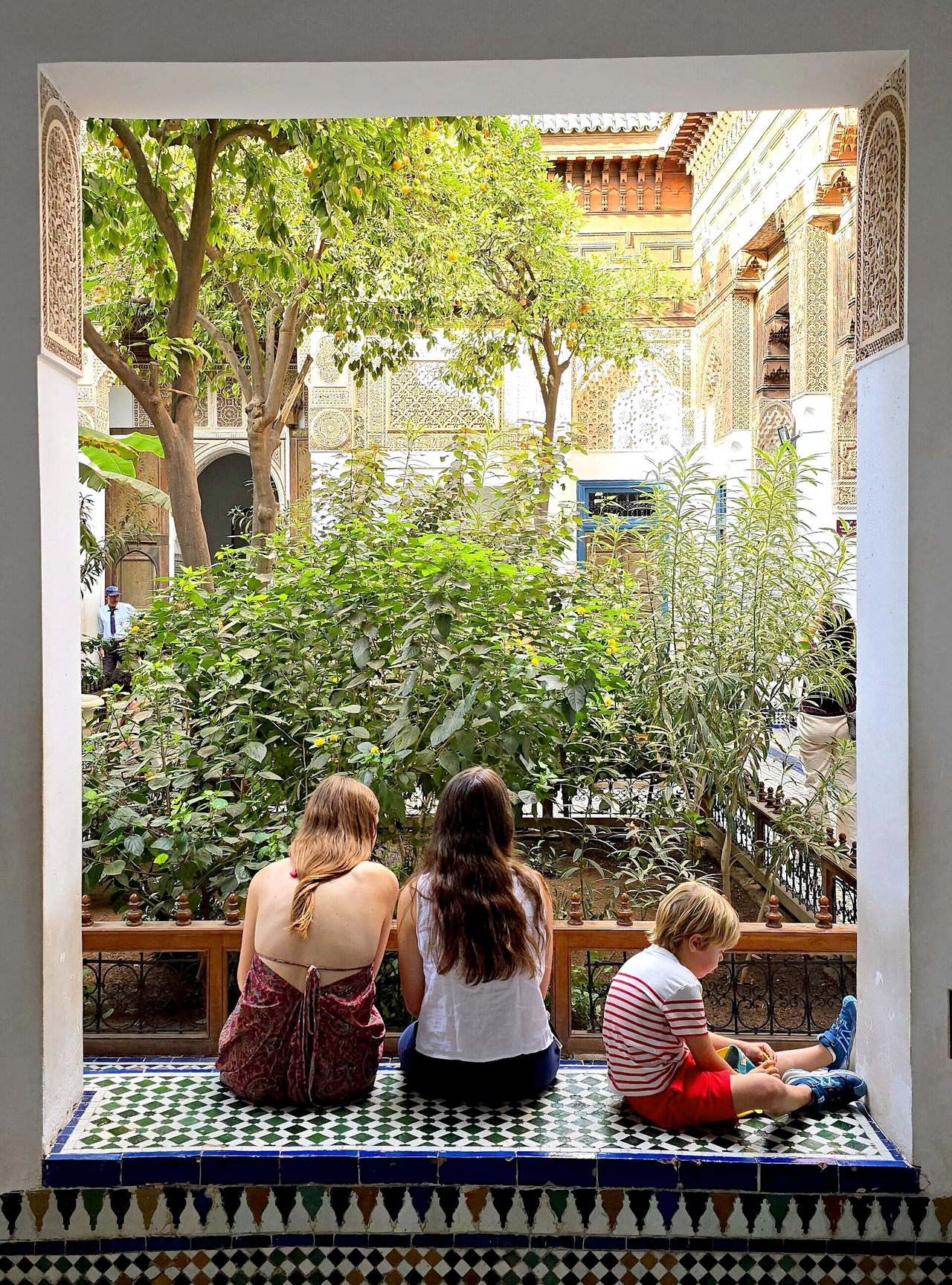
A tangerine tree garden at Bahia Palace, Marrakech
The two most celebrated tangerine tree — or bitter orange tree — gardens in Marrakech are found at Bahia Palace and El Badi Palace.
In Islamic and Andalusian architecture, citrus trees are a central element of courtyard garden design, known as a riad. They provide shade and a gentle fragrance, and combined with water features such as fountains and pools, they symbolize paradise.
The orange-fruited trees planted throughout Marrakech's streets and palace grounds are bitter oranges cultivated purely for ornament. Beautiful to look at, they are far too sour and bitter to eat raw.
Bahia Palace, built in the 19th century, was conceived in a spirit of hope for lasting peace, a guide explained. The royal family had forged a series of marriage alliances — blood links — with numerous foreign peoples and neighboring states to secure allies and defend Morocco, a country perpetually contested by great empires due to its strategic position on the Atlantic and Mediterranean. The palace was built to celebrate that peace.
As a result, the palace served as a space for entertaining guests from allied, vassal and allied-by-marriage states, strengthening bonds of solidarity while showcasing Moroccan lifestyle arts.
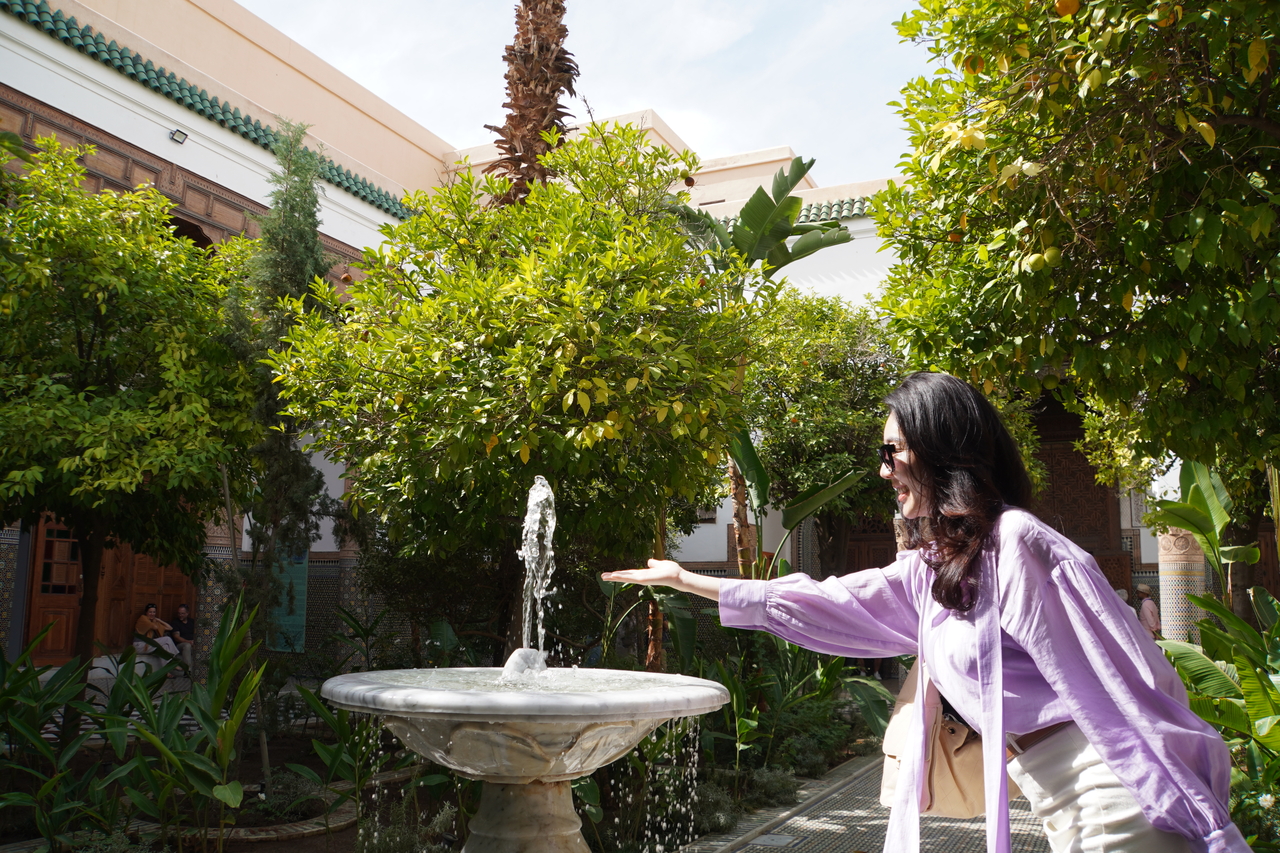
The palace pairs its ornate interiors with intimate tangerine tree courtyards. Each of its several riads features Zellige mosaic tilework, marble fountains and cedar-carved ceilings, all set amid a canopy of orange and tangerine trees intertwined with banana leaves.
The riad architectural style is defined by its central courtyard, giving the structure a square form echoed in the geometric details throughout the building. The framed views created by doorways and archways lend themselves naturally to the aesthetic of "frame art" photography, and visitors make the most of it.
In the sun-filled courtyard, with its intricately patterned Arabic walls as a backdrop, Moroccan tangerine trees — their green leaves and orange fruit vivid against the stonework — make for a perfect photographic prop.
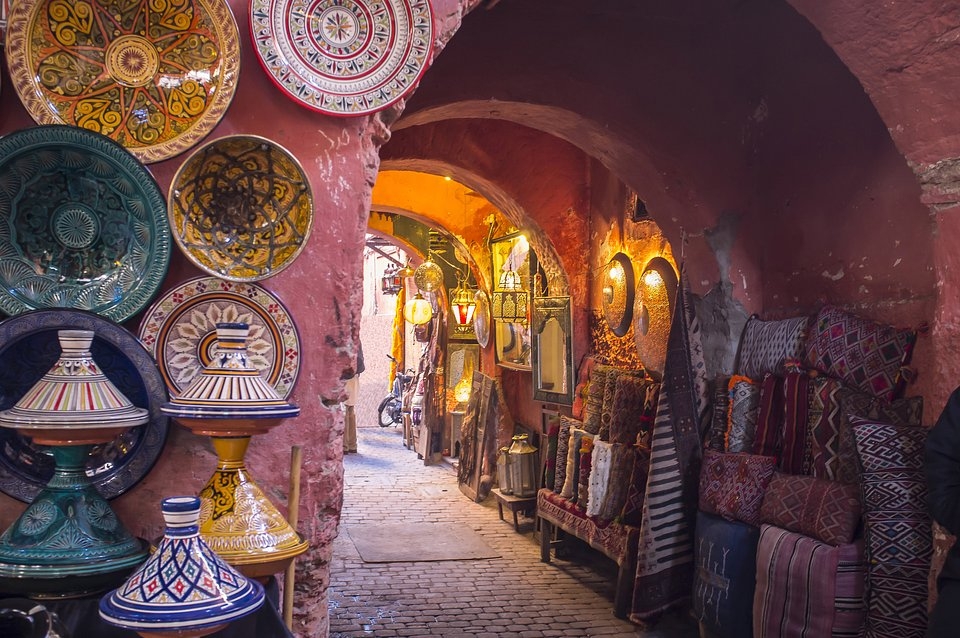
A tangerine grove at the red heart of Morocco, in Marrakech
El Badi Palace, built in the medieval period, is a 20-minute walk south of Marrakech's landmark Koutoubia Mosque and the Jemaa el-Fnaa square and souk in the old medina. Bahia Palace is just a 10-minute walk west of El Badi.
The Marrakech medina, enclosed by 19 kilometers of walls and a kasbah (fortress), was established in 1062 during the Almoravid dynasty as the city's original residential and commercial heart. Its well-preserved traditions earned it designation as a UNESCO World Heritage Site in 1985.
A guide explained that the kasbah and the Koutoubia Mosque were built in succession to protect the medina's markets and economic life and to unite the city's residents, while El Badi Palace was gradually expanded through the 16th century as royal authority was consolidated.
Completed by Sultan Ahmad al-Mansur, El Badi Palace lives up to Marrakech's nickname as "the red heart of Morocco" — thick red walls enclose a vast central plaza known as the Garden of Desire, where a large ornamental pool is surrounded by an expansive garden of green and yellow orange and tangerine trees.
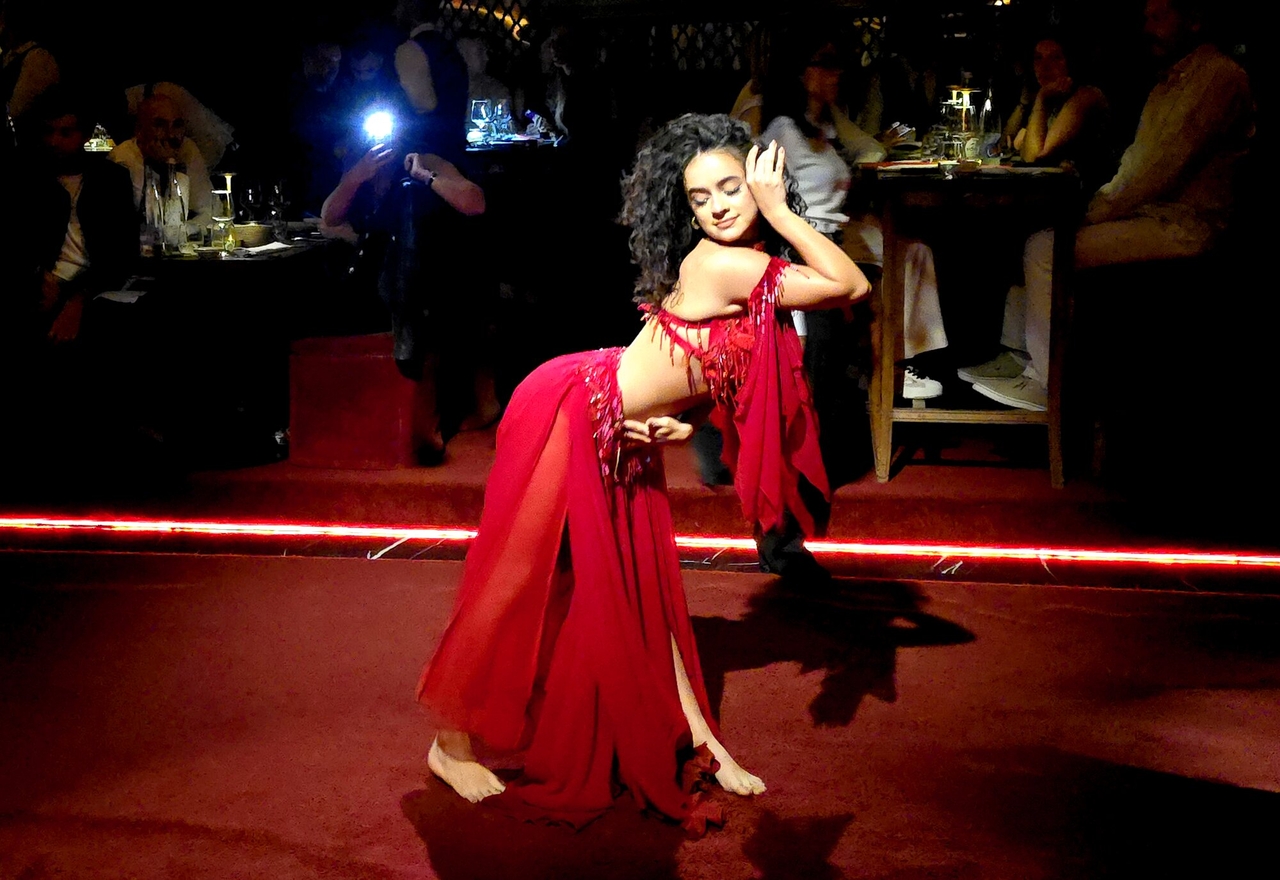
From atop the ramparts, visitors take in a sweeping view: the snow-capped Atlas Mountains in the distance, a sea of green tangerine trees against the red walls, and birds wheeling freely overhead. In Marrakech, a city of red riads, hotels and dancers alike favor red lighting and red costumes.
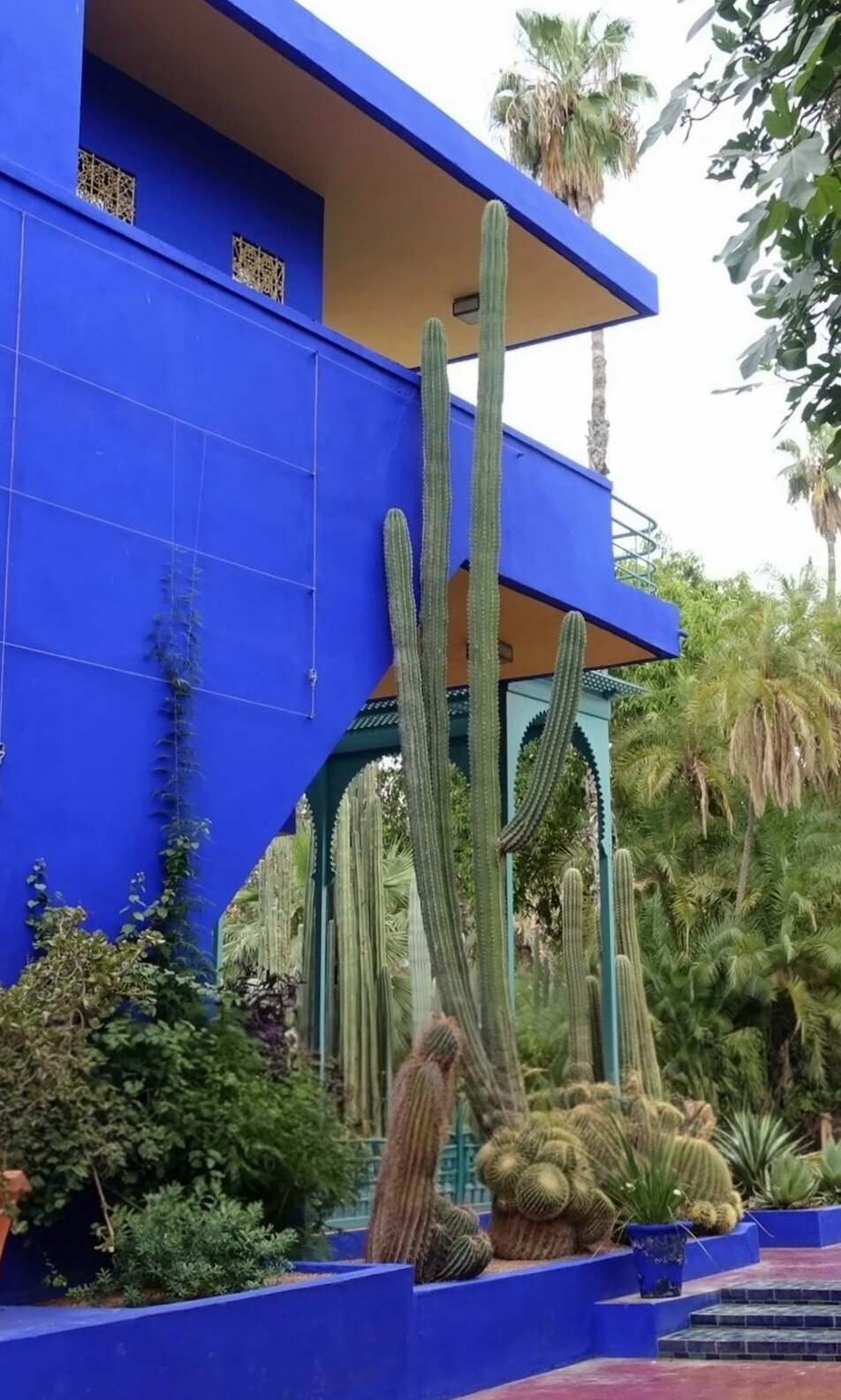
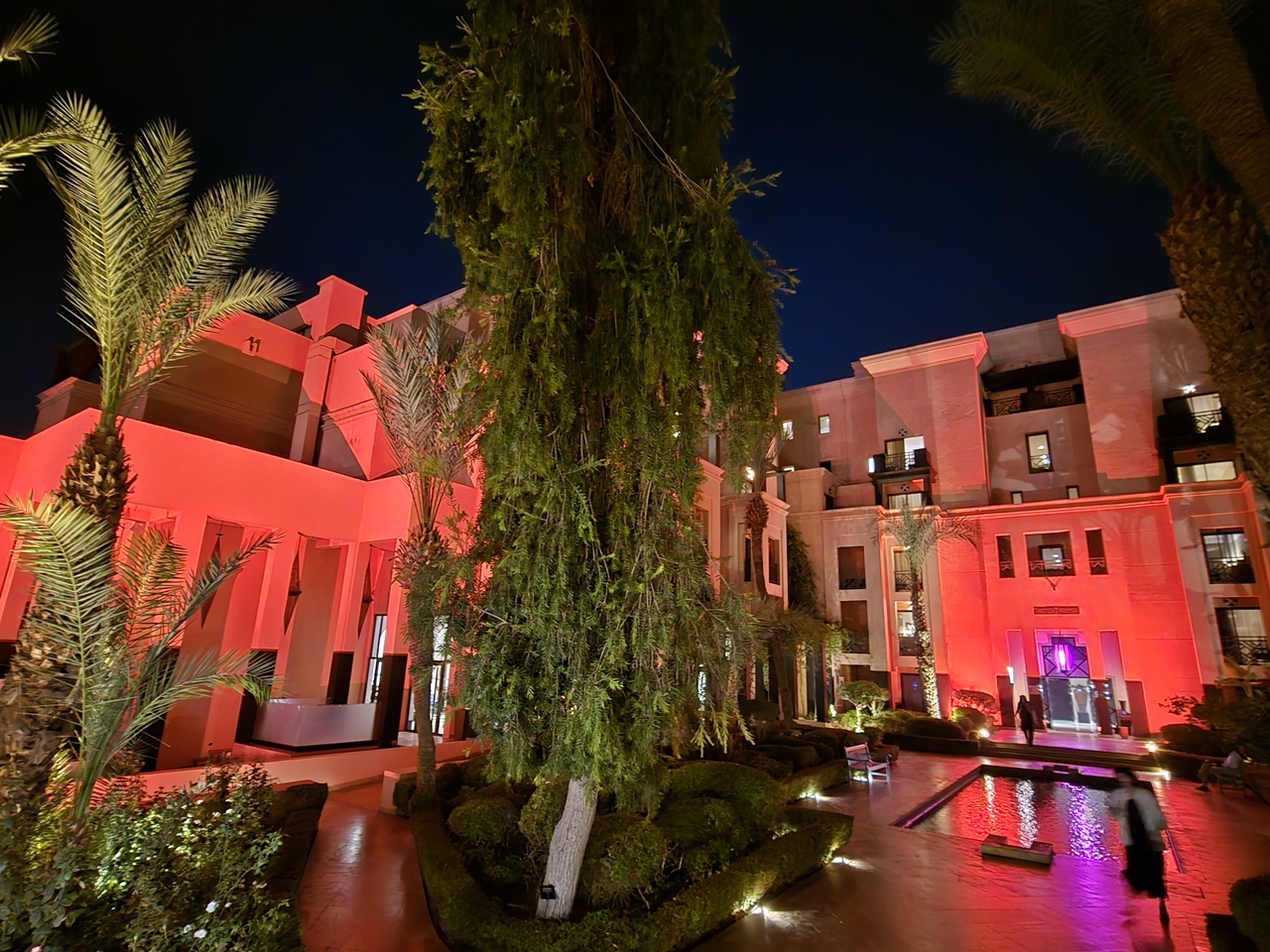
French fashion designer Yves Saint Laurent — born in Algeria, which shared a common history with Morocco through the medieval and early modern periods — fell so deeply in love with Marrakech and its red-walled tangerine gardens that he settled there and created his own garden, adding cobalt blue, the signature color of Andalusia, to the palette that already defined the city.
The edible tangerines grown around Meknes and Volubilis, the Roman ruins city in Morocco's northwestern interior, were sweet and crisp — the finest tangerines this reporter has tasted anywhere abroad. Members of the Korean tour group stuffed their pockets with Meknes tangerines and savored the true flavor of the fruit that gave tangerines their name all the way from Meknes to Casablanca.
abc@heraldcorp.com