Spokesperson says president who touts himself as 'diplomatic genius' has little to show; Chinese ambassador cited Gwangju Biennale's 'Taiwan pavilion' in rejecting loan request; Beijing also pressed Seoul to uphold 'one China' principle
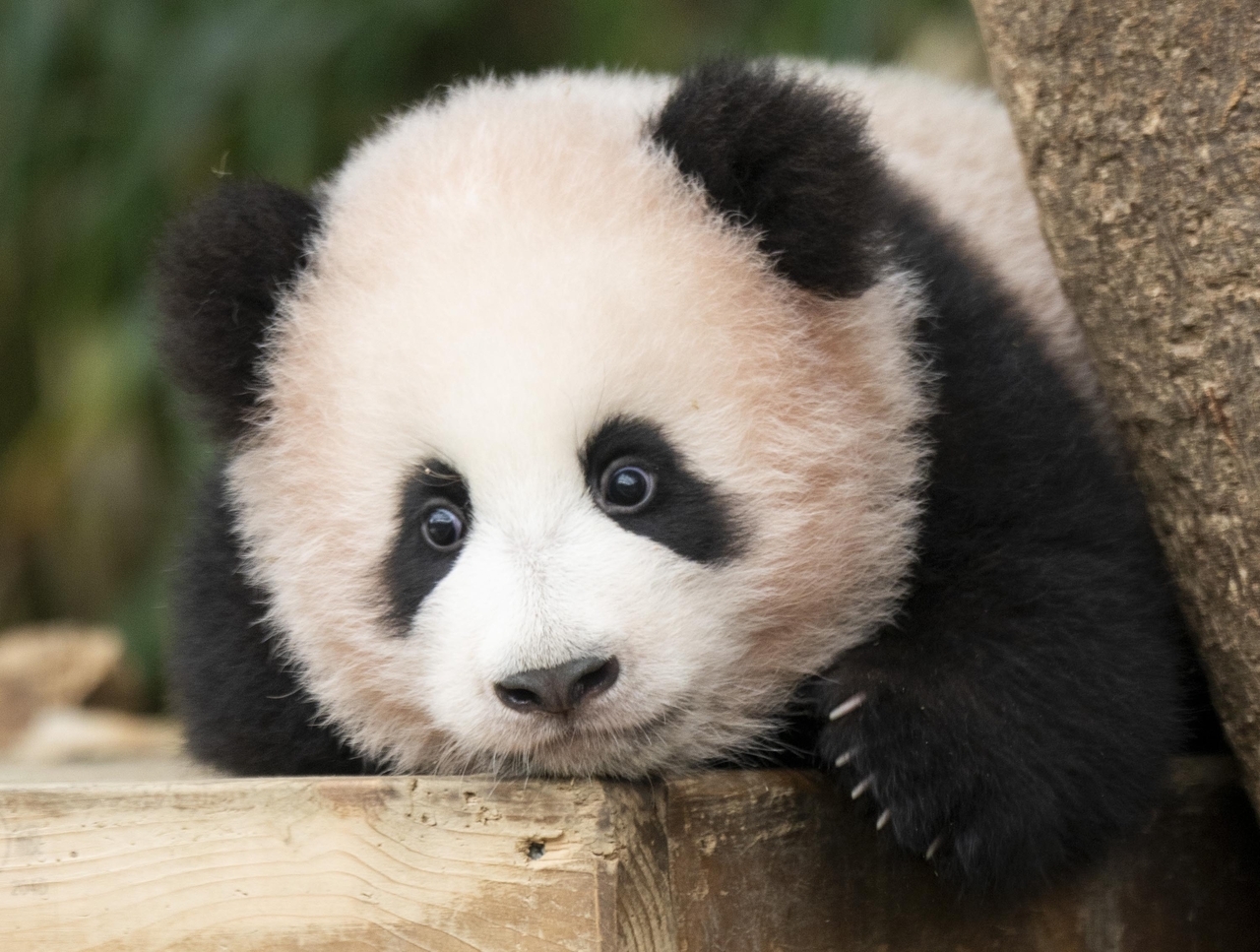
The People Power Party on Saturday criticized China's effective rejection of President Lee Jae Myung's "panda diplomacy" proposal, urging the government to break away from excessive pro-China diplomacy.
PPP spokesperson Jo Yong-sul said in a statement that day that Lee had requested the loan of a pair of pandas for Gwangju during summit talks with Chinese President Xi Jinping in January, only to receive what amounted to a refusal just over 10 months later. "Chinese Ambassador to South Korea Dai Bing cited the controversy over a 'Taiwan pavilion' at the Gwangju Biennale and said it would be difficult to send pandas," Jo said.
Jo said Lee's ambitious panda diplomacy had yielded not even a single pair of pandas, but instead brought a diplomatic rebuke from Beijing to firmly uphold the "one China" principle. "Lee-style diplomacy has produced no tangible results and has instead left South Korea on the receiving end of a lecture from China," Jo said.
"This episode has laid bare the true abilities of a president who bills himself as a 'diplomatic genius' — he could not even secure the loan of two pandas," Jo added. "The embarrassment falls squarely on the Korean people."
The remarks came after Ambassador Dai Bing, at a press briefing on Thursday, cited the controversy over a "Taiwan pavilion" at this summer's Gwangju Biennale as the reason an additional loan of a panda pair to South Korea had become difficult.
"Under these circumstances, I do not believe public sentiment and opinion are ready for pandas to be sent to Korea and placed in Gwangju," Dai said. "I hope the Korean side will create the conditions for pandas to come to Korea in the future."
Dai went further, pressing Seoul to act: "I hope Korea will fully recognize the high sensitivity of the Taiwan issue and firmly uphold the one China principle."
Earlier, Lee had asked Xi to lend South Korea a pair of pandas during his visit to China in January, and Xi had responded positively, with working-level consultations subsequently under way.
At the South Korea-China summit held on the sidelines of the Asia-Pacific Economic Cooperation summit in Shenzhen, China, Lee again raised the issue with Xi. Lee said he hoped the two sides would "work to further invigorate people-to-people and cultural exchanges between the two countries, and continue efforts to connect the hearts of our two peoples — including through initiatives like bringing pandas."
Jo also raised broader concerns about the direction of the Lee administration's foreign policy. "What is even more worrying is that since the Lee administration took office, the balance of diplomacy has tilted excessively toward China," Jo said. "There has been unrelenting criticism that pro-China figures have been placed at the forefront and that the value of the South Korea-US alliance has been neglected."
"Concerns are growing that South Korea's traditional diplomatic posture — maintaining a balanced relationship with China on the foundation of a strong alliance with the United States — is being shaken," Jo added.
Jo concluded by urging Lee to take stock of the situation. "President Lee must stop trying to persuade the public with self-assessments about his 'practical diplomacy' as a 'diplomatic genius,'" Jo said. "He must now soberly reflect on whether South Korea's national interests and diplomatic standing are being properly protected."
shindw@heraldcorp.com