YouTube Shorts using strangers' posts rack up 17 million views
AI lowers barrier to producing such content
YouTube, Instagram may restrict monetization or close accounts
Experts warn that ordinary online posts are protected by copyright law
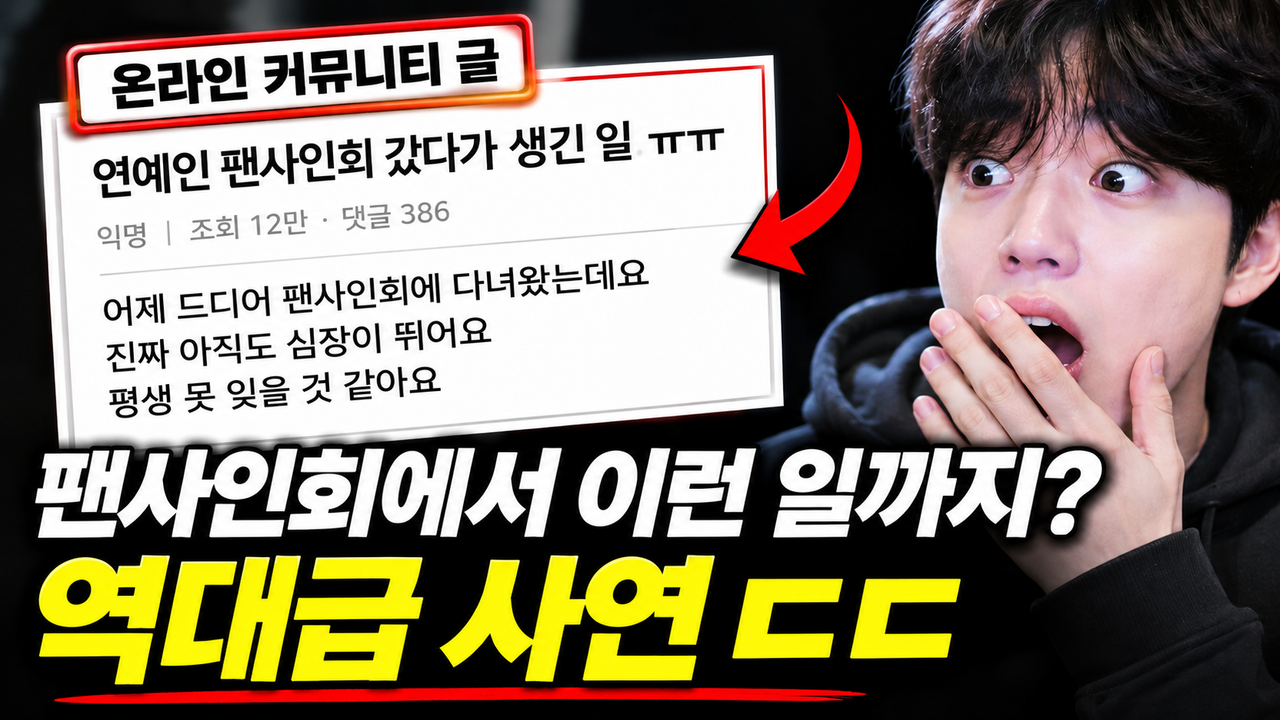
A person identified only as A was stunned after coming across a YouTube video that used their own SNS post without permission. The YouTuber, identified as B, had racked up millions of views using A's story. A closer look at B's channel revealed a trove of posts lifted from online communities — including ones titled "Girlfriend who demands Christmas gifts" and "I had diarrhea 50 times after eating Indian food." Since YouTube views translate directly into revenue, A filed a copyright infringement complaint against B.
Cases of creators taking posts written by others and repurposing them as content on YouTube and Instagram are multiplying. The typical approach involves reading the original text aloud and adding brief personal commentary, or stitching together images that match the post's content.
As AI has lowered the barrier to content production, material built around other people's posts has flooded online platforms. Experts say such content may run afoul not only of platform policies but also of copyright law.
According to YouTube's Copyright Transparency Report released Sunday, about 297 video removal requests were submitted worldwide last year through the standard copyright complaint form. The figure reflects a growing wave of disputes as AI tools make it increasingly easy to produce content at scale.
In practice, YouTube and Instagram are awash in content that automatically generates videos from text written by others or uses AI-generated voices to read posts aloud. One YouTube channel racked up well over 17 million views on a single short-form video produced this way.
YouTube views convert into earnings, and guides explaining how to produce short-form content using community posts — along with the posts themselves — are easy to find online.
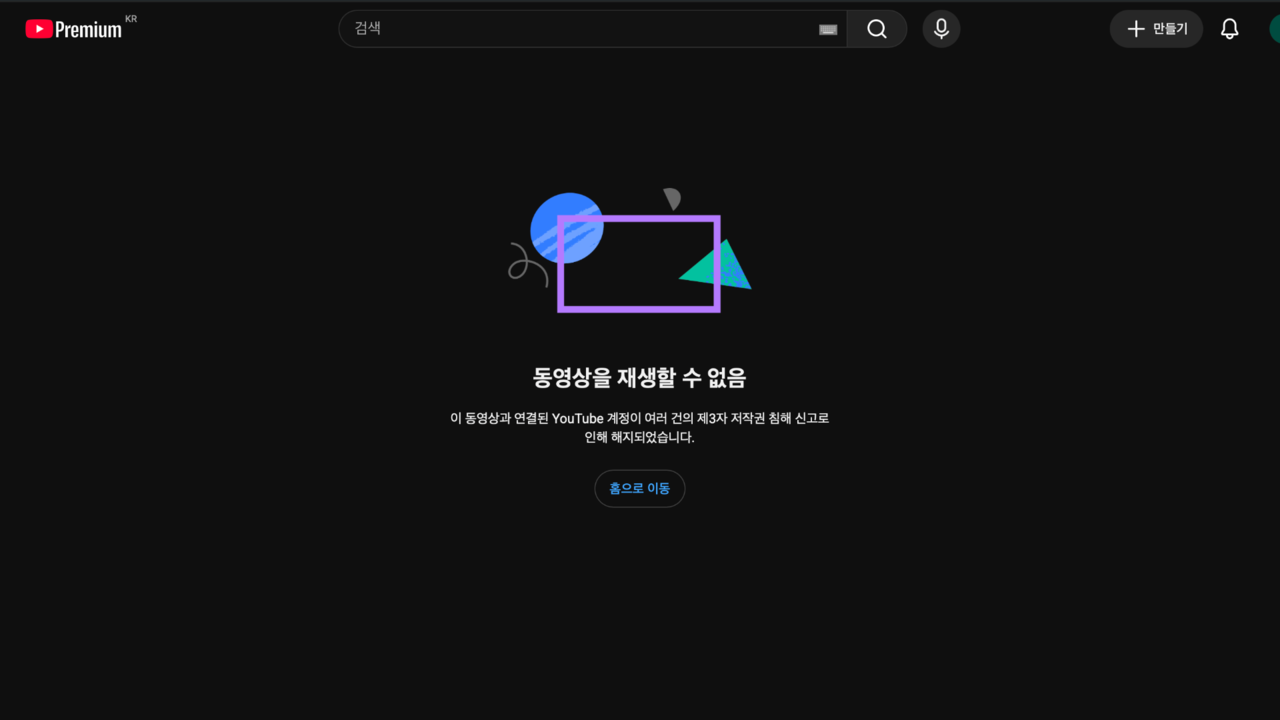
The core concern is that content produced this way may constitute copyright infringement. Disputes between original post authors and third parties who repurpose their writing have become increasingly common as a result.
In response, platforms have moved to restrict monetization for content that raises copyright concerns. YouTube does not allow creators to earn revenue from content that does no more than read out text from websites or news feeds. Instagram similarly limits monetization and recommendations when users reuse content created by others.
Both platforms also have rules imposing sanctions for repeated copyright violations. When YouTube accepts a copyright infringement complaint, it issues a strike against the offending channel. If a channel accumulates three valid copyright strikes, that channel and any linked channels may be shut down, and the account holder may be barred from opening new channels.
Instagram's policy allows the platform to restrict a repeat infringer's ability to post content or use certain features, or to deactivate the account entirely.
Legal experts say that even publicly visible online posts cannot be used without the author's consent without risking legal liability.
Baek Se-hee, a lawyer specializing in culture and the arts at law firm Art&, said creative works that express human thought or emotion are protected under copyright law without any separate registration process. "Reading a community post aloud without the author's permission, or posting and distributing it in a way that reveals its content, constitutes copyright infringement in principle," Baek said.
young2@heraldcorp.com