

Aram Hur
ADITYA SINHA
MARK ESPOSITO
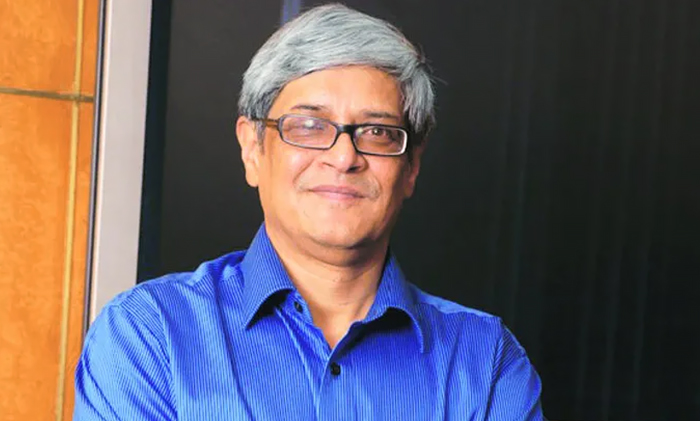
KAUSHIK BASU
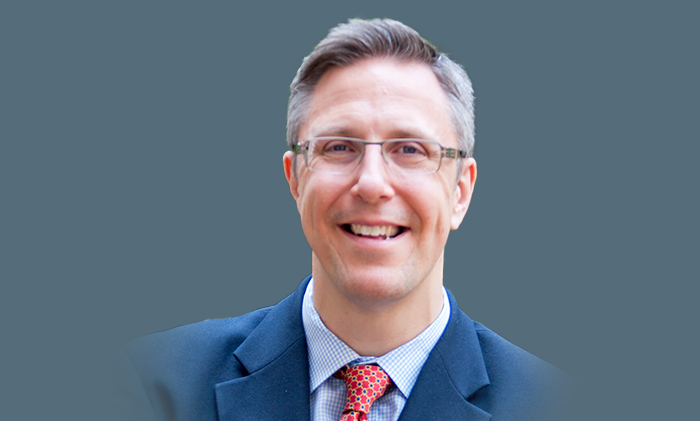
ROB ATKINSON
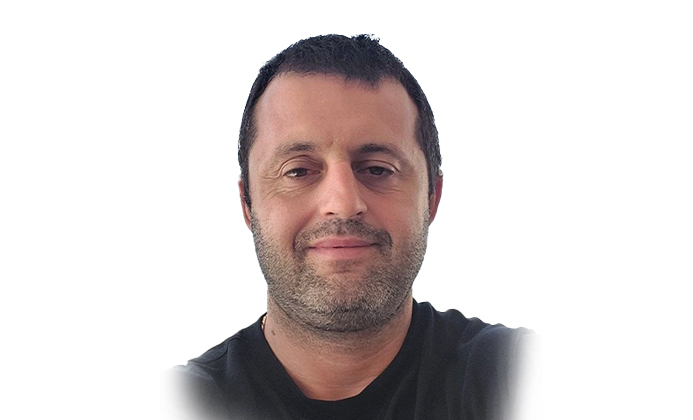
MICHAEL ERLIHSON
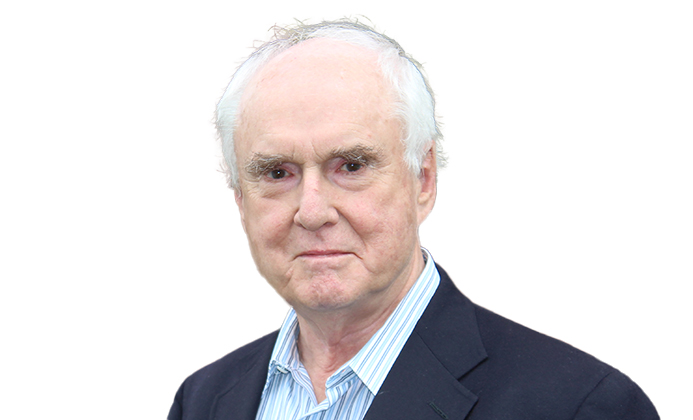
DWIGHT PERKINS

SHANNON BRANDAO
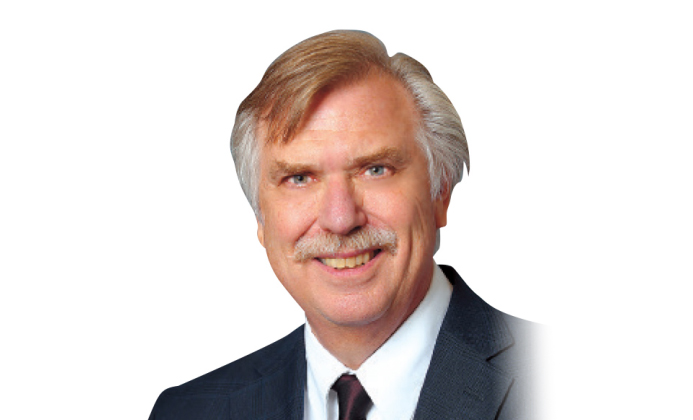
DAVID KRAUSE

GIANLUCA BENIGNO

JACOPO BUONGIORNO
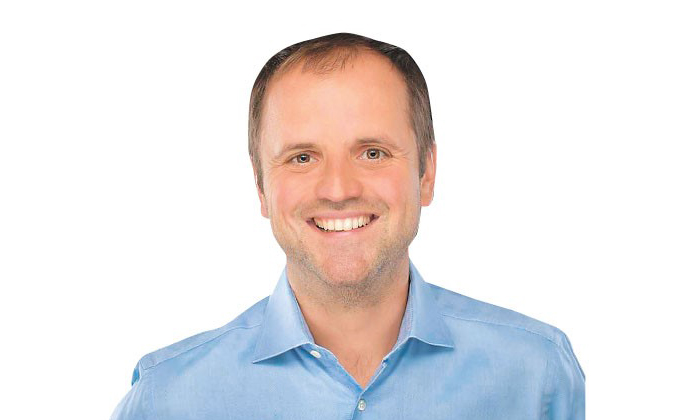
CHRISTIAN CATALINI

ANTARA HALDAR

Thomas Piketty

DANTE DISPARTE

MATTEO MAGGIORI
Raja Mohan
STEFANIE STANTCHEVA
RICARDO J CABALLERO

TSUTOMU WATANABE
FENG LU
YONG WANG
FRANCOISE NICOLAS

MERVE HICKOK
GARRICK HILEMAN
STEVEN A. ALTMAN
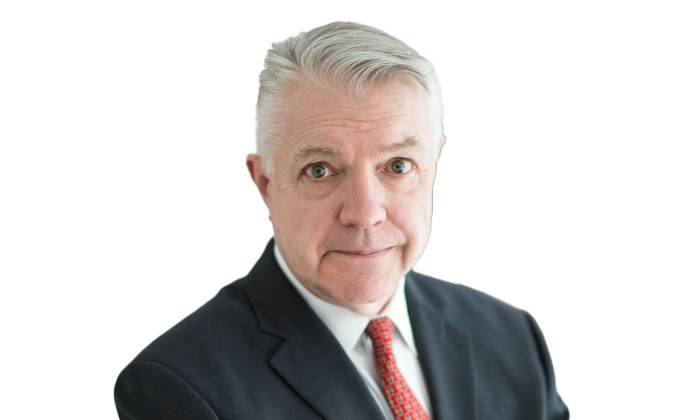
Arthur Herman
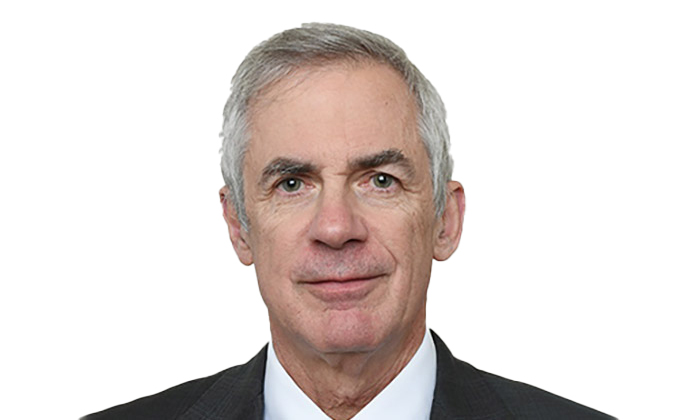
Robert Dohner
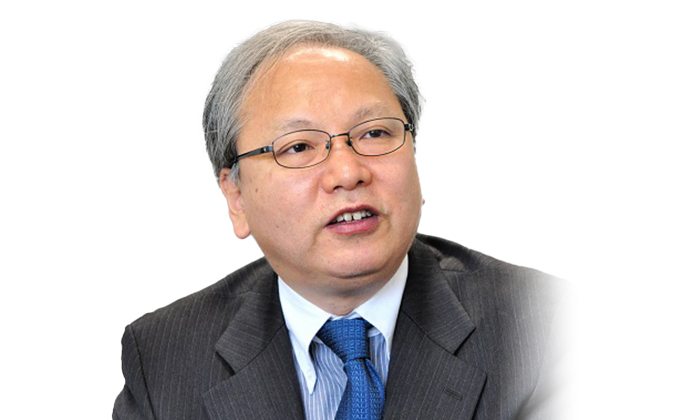
Shin-Ichi Fukuda
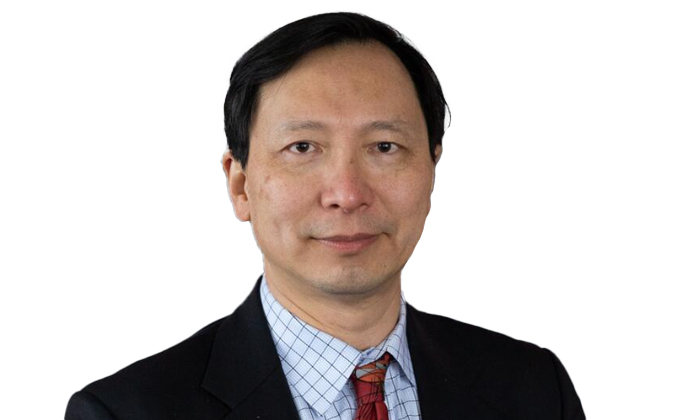
Shang-Jin Wei
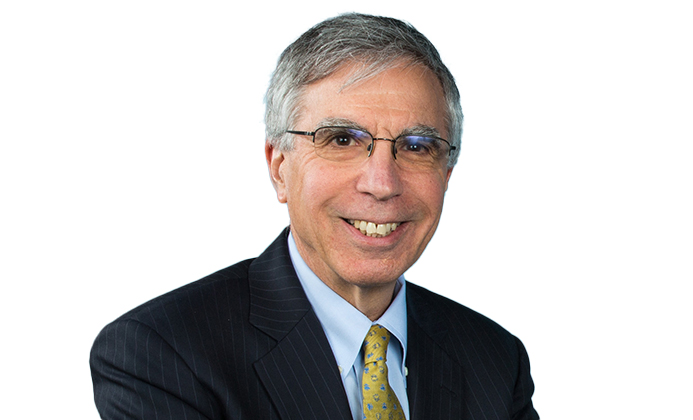
Robert N. Stavins
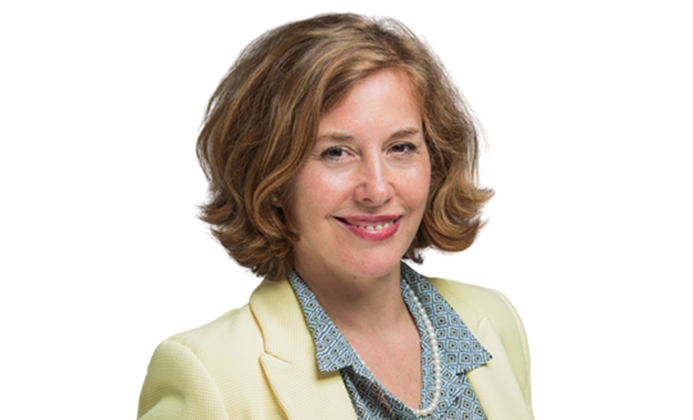
Alicia Garcia-Herrero
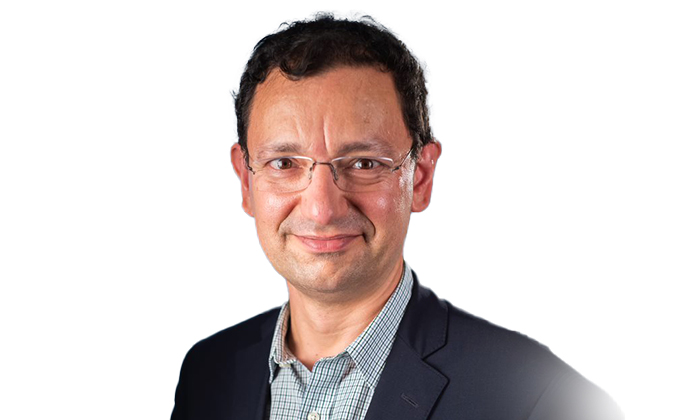
Nicolas Véron
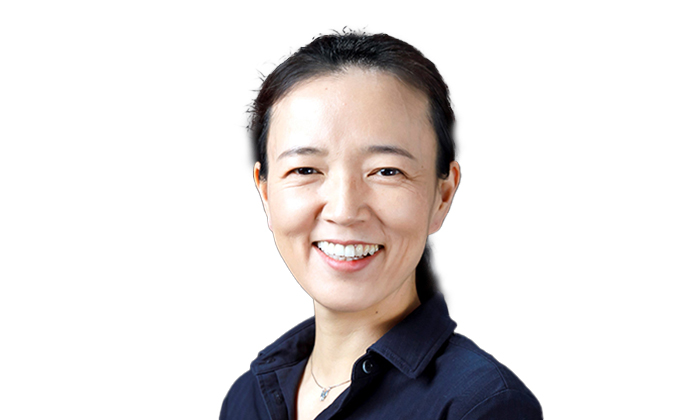
SAGIRI KITAO
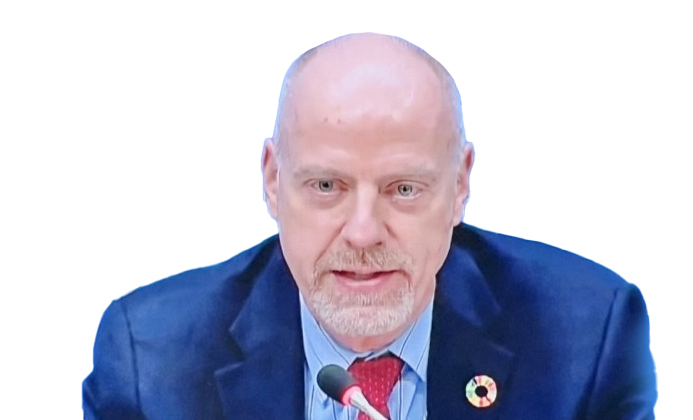
JOHN R. WILMOTH
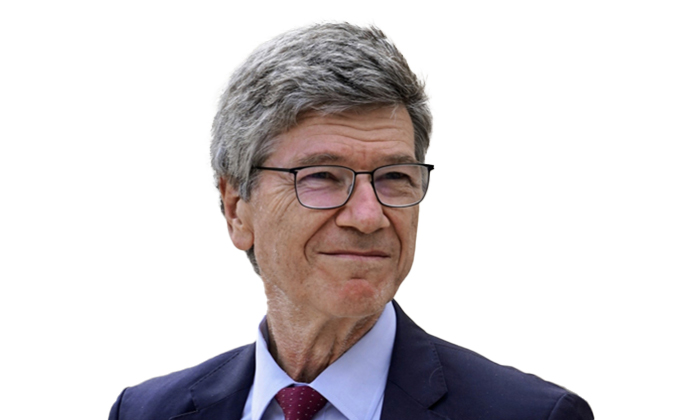
JEFFREY SACHS
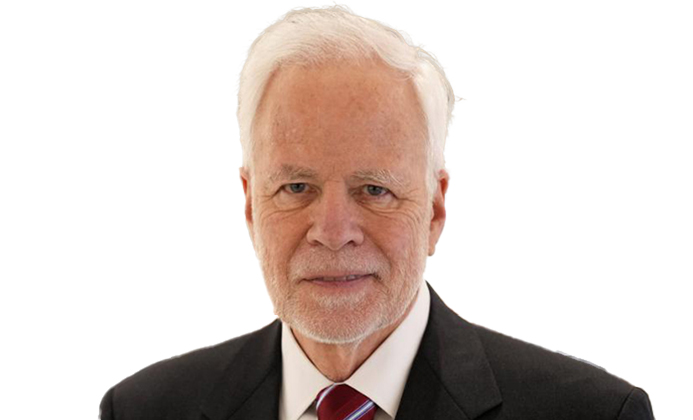
BARRY EICHENGREEN

RUMMAN CHOWDHURY
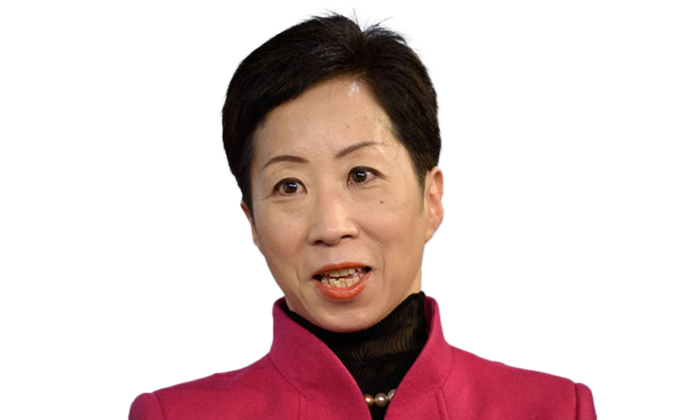
SAYURI SHIRAI
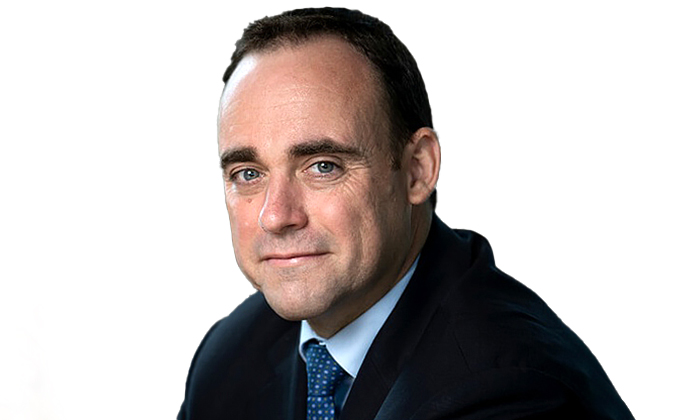
ÁNGEL ALONSO ARROBA
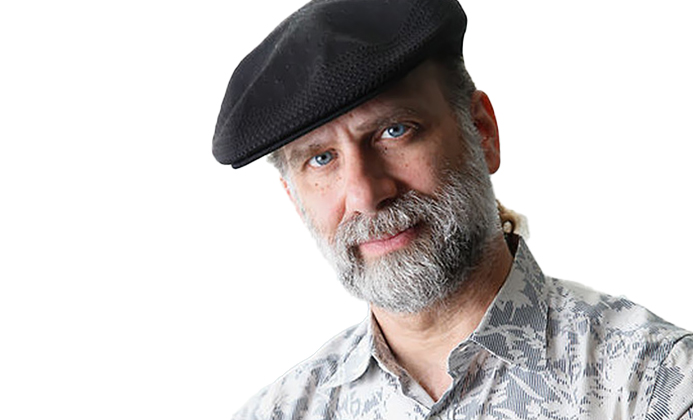
Bruce Schneier
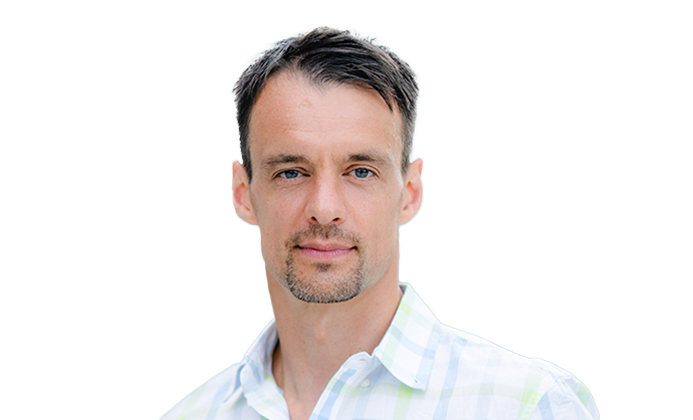
ANDREI HAGIU
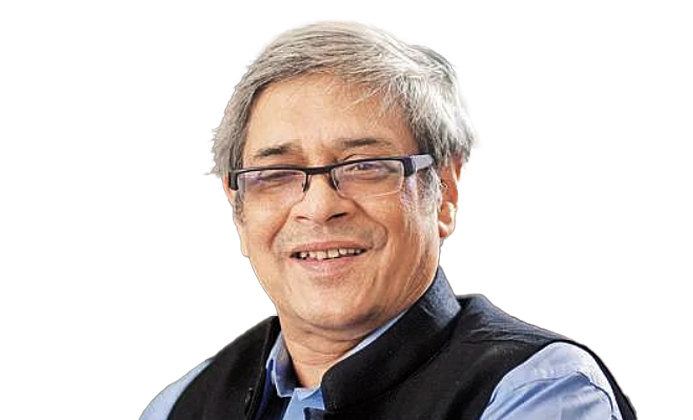
BIBEK DEBROY
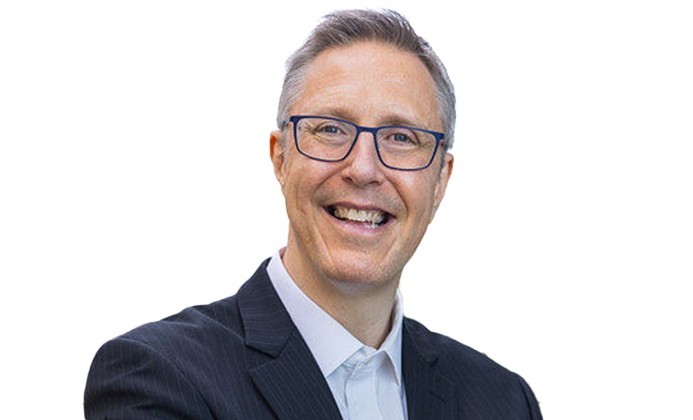
FRANK PASQUALE
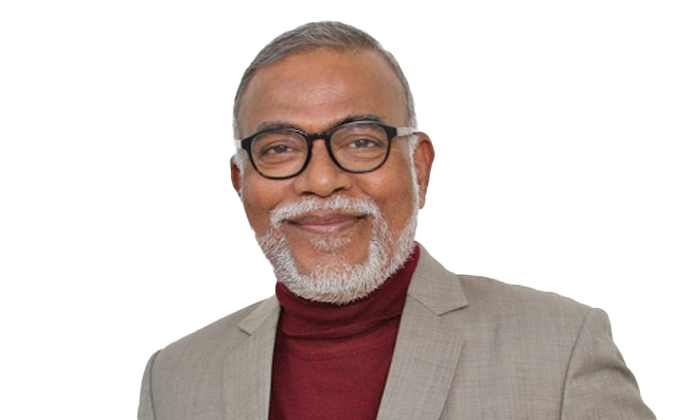
NARENDRA JADHAV
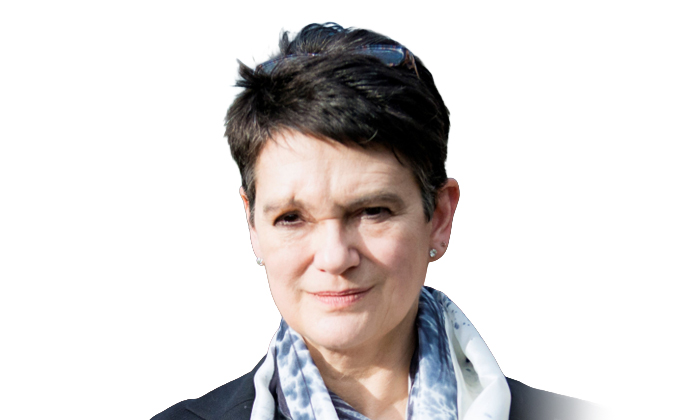
DIANE COYLE
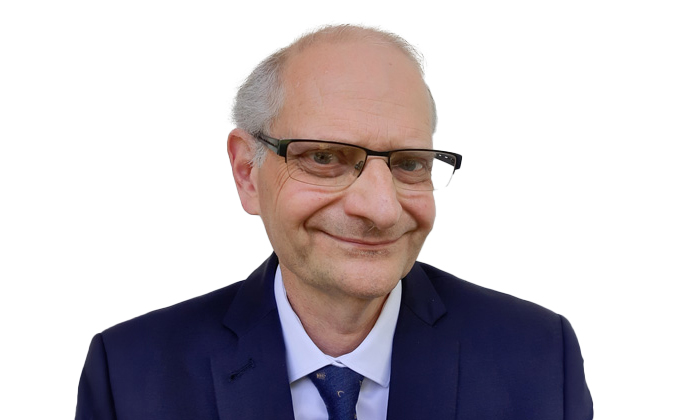
Christophe André
-
Aram HurADITYA SINHAcolumnMARK ESPOSITOKAUSHIK BASUProfessor of Economics at Cornell UniversitycolumnROB ATKINSONcolumnMICHAEL ERLIHSONDWIGHT PERKINSSHANNON BRANDAODAVID KRAUSEcolumnGIANLUCA BENIGNOcolumn
- 장기금리와 그린스펀의 수수께끼…이번엔 뒤집혔다 [지안루카 베니그노]
- 경제를 재편하려는 재정정책…배분적 성격되는 통화정책 [지안루카 베니그노]
- 금리인하 할 수 없는 케빈 워시 연준 의장 [지안루카 베니그노]
- The Fed chair who cannot cut
- 내가 만난 신현송 후보자…현대 중앙은행 총재의 조건 [지안루카 베니그노]
- 디지털 위안화와 통화 권력의 新지형 [지안루카 베니그노]
- 차기 연준 의장, 새 플레이북<통화정책 운용 전략>준비됐나 [지안루카 베니그노]
- 통화스와프의 지정학 [지안루카 베니그노]
- 중앙은행의 독립성은 무한대인가 [지안루카 베니그노]
- 킹달러, 위안화·디지털통화와 ‘왕좌의 게임’ [지안루카 베니그노]
JACOPO BUONGIORNOCHRISTIAN CATALINIresearch scientist at MIT Sloan School of Management, Co-founder of Lightsparkcolumn- AI시장, 세 갈래로 쪼개지고 있다 [크리스티안 카탈리니]
- AI 모델은 빌려쓰고, 기억은 소유하라 [크리스티안 카탈리니]
- AI가 알아서 돈 쓰는 시대…누가 책임을 질 것인가 [크리스티안 카탈리니]
- 슬롭 실링(Slop Ceiling): AI 오물과 인간 검증의 한계 [크리스티안 카탈리니]
- 핀테크의 AI 질문, 상당수가 틀렸다 [크리스티안 카탈리니]
- 폐쇄냐 개방이냐…수조달러 ‘쩐의 전쟁’ [크리스티안 카탈리니]
- 스테이블코인 전략 없는 기업 도태된다 [크리스티안 카탈리니]
- 제도권 진입 스테이블코인, 이제 무슨 일이 벌어질까 [크리스티안 카탈리니]
ANTARA HALDARcolumnThomas PikettyDANTE DISPARTEMATTEO MAGGIORIRaja MohancolumnSTEFANIE STANTCHEVAcolumnRICARDO J CABALLEROcolumnTSUTOMU WATANABEFENG LUcolumnYONG WANGcolumnFRANCOISE NICOLASMERVE HICKOKcolumnGARRICK HILEMAN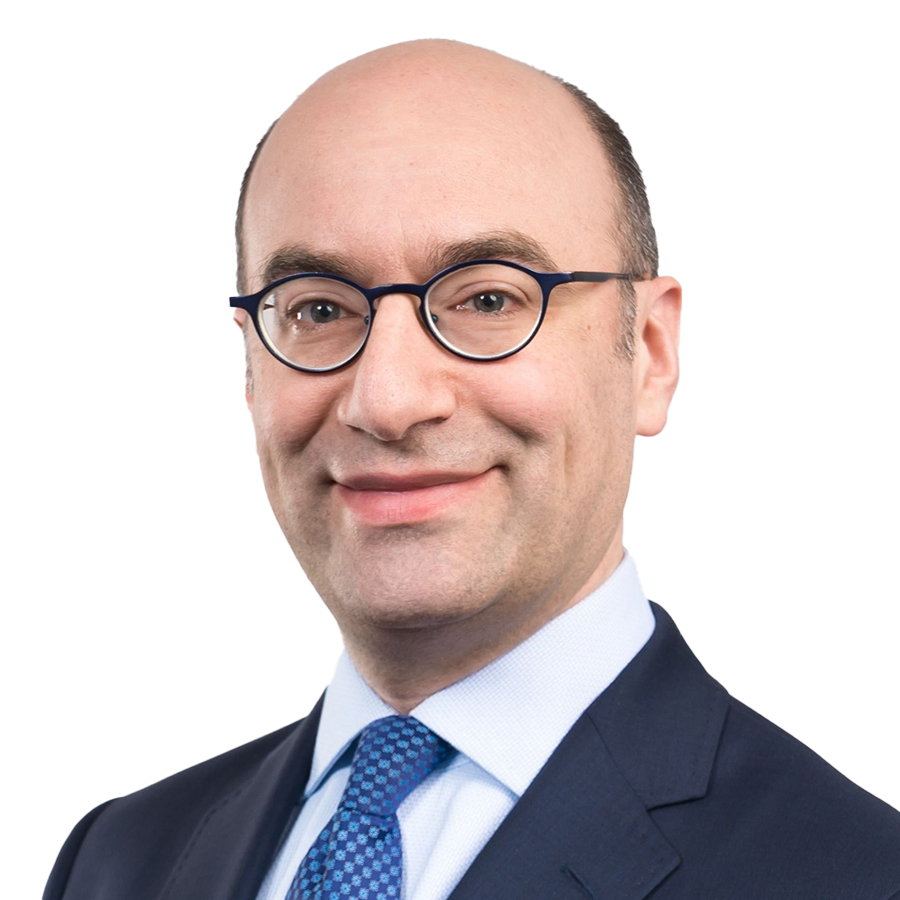 STEVEN A. ALTMANcolumn
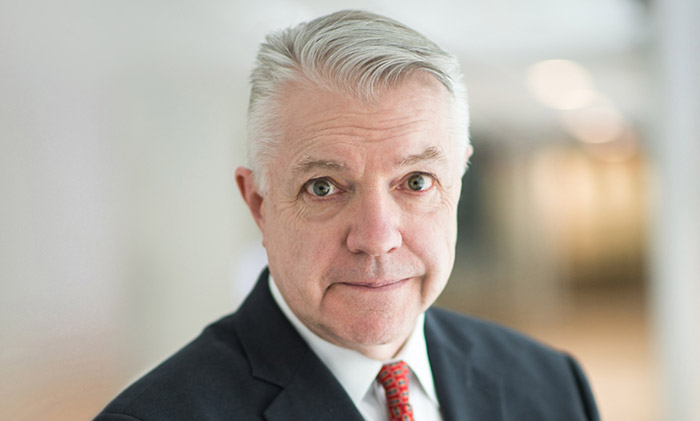 Arthur HermanSenior Fellow at the Hudson Institute, USAArthur Herman served as Senior National Security Advisor at the National Security Council (2020-21) and has been Co-Chair of the Hamilton Commission on Securing America’s National Security Innovation Base since 2021. At the Hudson Institute, he leads the Quantum Alliance Initiative and regularly contributes articles on quantum mechanics and artificial intelligence to Forbes.column
- 다가오는 미국 경제 호황 [아서 허먼]
- AI 빅테크 원자력 ‘러시’[아서 허먼]
- 관세보다 센 ‘新제조업 전쟁’ 온다[아서 허먼]
- HOW AI AND QUANTUM GOT THEIR GROOVE BACK [Arthur Herman]
- TRUMP’S HIGH-TECH PRESIDENCY [Arthur Herman-HIC]
- THE INTERNET OF THINGS MEETS THE QUANTUM REVOLUTION [Arthur Herman-HIC]
- TRUMP’S CRYPTO OPPORTUNITY-AND AMERICA’S [Arthur Herman-HIC]
- WHY AMERICA IS LOSING THE HIGH-TECH WAR WITH CHINA [Arthur Herman-HIC]
- QUANTUM AND AI: THE HEDGEHOG AND THE FOX [Arthur Herman - HIC]
- THE QUANTUM REVOLUTION IS NOW [Arthur Herman - HIC]
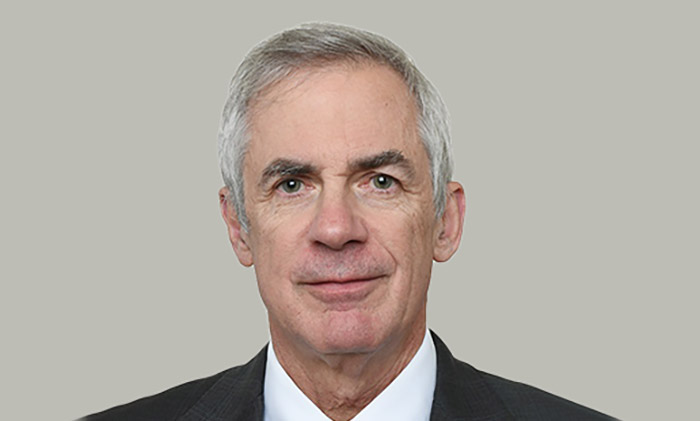 Robert DohnerFormer Deputy Assistant Secretary for Asia, U.S. Department of the TreasuryRobert Dohner worked as the Deputy Assistant Secretary for Asia, overseeing regions including Pakistan, India, China, Korea, and Japan. During the Japanese financial crisis (1997-2002), he served as the Treasury Department’s representative in Tokyo. He played a key role in shaping U.S.-China economic relations under both the Bush and Obama administrations. Before joining the Treasury, he was the Chief Economist for International Trade at the President’s Council of Economic Advisers and Senior Economist for Eastern Europe at the OECD. He holds a Ph.D. in Economics from MIT and is currently a Senior Non-resident Senior Fellow at the Atlantic Council.column
- The Dispensable Nation? [Robert Dohner - HIC]
- Does the US Want Foreign Investment?...It’s complicated [Robert Dohner - HIC]
- Excess Capacity, Industrial Subsidies, and Trade Conflict [Robert Dohner - HIC]
- Why Won’t the Dollar Topple? [Robert Dohner - HIC]
- Dependence, Resiliency, Security…What we trade makes us stronger [Robert Dohner - HIC]
- Who‘s Afraid of Deglobalization? [Robert Dohner - HIC]
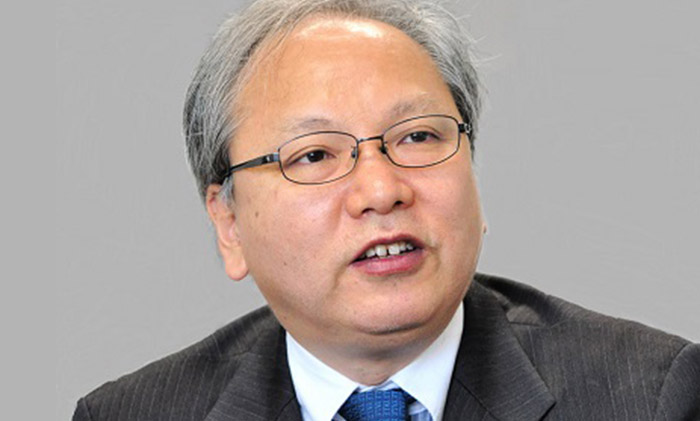 Shin-Ichi FukudaProfessor of Economics, University of TokyoShin-Ichi Fukuda has previously served as an Associate Professor at Hitotsubashi University, Visiting Professor at the University of Washington, and Visiting Scholar at Yale University. He has also been a Visiting Fellow at the Asian Development Bank Institute and a member of the Financial System Council at the Japanese Financial Services Agency. He has authored over 50 publications on the macroeconomic aspects of the Japanese economy and currently serves as an editor for two economic journals, the Journal of the Japanese and International Economies and Japan and the World Economy. He holds a Ph.D. in Economics from Yale University.column
- 다카이치 총리가 마주한 ‘불편한 진실’[후쿠다 신이치]
- 일본 ‘제노포비아’ 확산[후쿠다 신이치]
- 호황 누리는 일본 부동산 시장[후쿠다 신이치]
- 관세 폭풍…높아지는 日 글로벌 리스크 [후쿠다 신이치]
- The rise of geopolitical risk and the fragmentation of international trade [Shinichi Fukuda]
- What should the Ishiba government’s economic policy be under political turmoil? [SHIN-ICHI FUKUDA - HIC]
- How to realize the flow of funds from savings to investment in Japan [SHIN-ICHI FUKUDA - HIC]
- How to solve Japan''s labor shortage? [SHIN-ICHI FUKUDA - HIC]
- New Bank Notes May Change Japanese Economy [SHIN-ICHI FUKUDA - HIC]
- Lack of exuberance despite soaring stock prices in Japan [SHIN-ICHI FUKUDA - HIC]
- Kishida‘s policies that are breeding discontent among Japanese citizens [SHIN-ICHI FUKUDA’ - HIC]
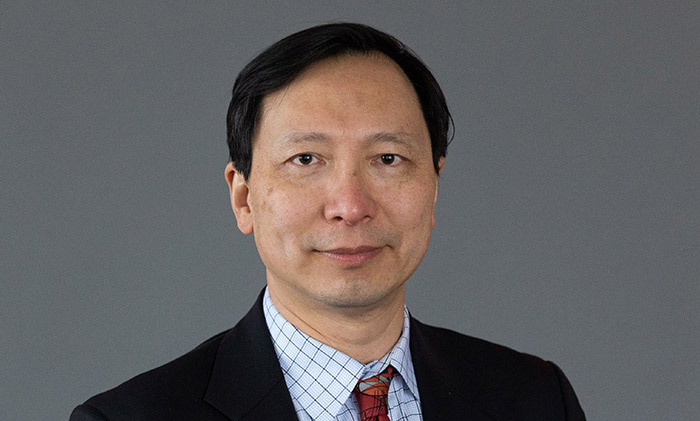 Shang-Jin WeiProfessor of Chinese Business and Economics, Columbia Business SchoolShang-Jin Wei is a prominent scholar in international finance, trade, and the Chinese economy. From 2014 to 2016, he served as Chief Economist at the Asian Development Bank, leading the bank’s research on regional cooperation forums such as APEC, growth strategies for developing countries, and issues related to macroeconomics, finance, labor markets, and globalization. Before joining Columbia University in 2007, he was Deputy Director of the Trade and Investment Division at the IMF. He has held academic positions at Harvard University and the Brookings Institution and consulted for organizations such as the Federal Reserve, the United Nations, and various private firms. He holds a Ph.D. in Economics and a Master’s in Finance from the University of California, Berkeley.column
- 트럼프는 왜 인도를 손절했나[웨이 상진]
- 세계 경제 3대 위험과 한국 새 대통령의 대응전략[웨이 상진]
- 트럼프 ‘관세 공식’, 두 가지 치명적 오류[웨이 상진]
- How Can Korea and the Rest of the World Navigate the Trump Tariff Wars? [Shang-Jin Wei]
- Understanding Trump Trade War 2.0[Shang-Jin Wei-HIC]
- What Does China’s Economic Stimulus Package Mean for the World Economy? [Shang-Jin Wei-HIC]
- Implications of the Harris versus Trump Presidency for the World [Shang-Jin Wei-HIC]
- The EU and US New China Tariffs and Their Impact on the World [Shang-Jin Wei-HIC]
- Will the Chinese Economy Display Vitality and Good Fortune in the Year of Dragon?[Shang-Jin Wei - HIC]
- Could International Investors Be Disappointed by India? [SHANG-JIN WEI - HIC]
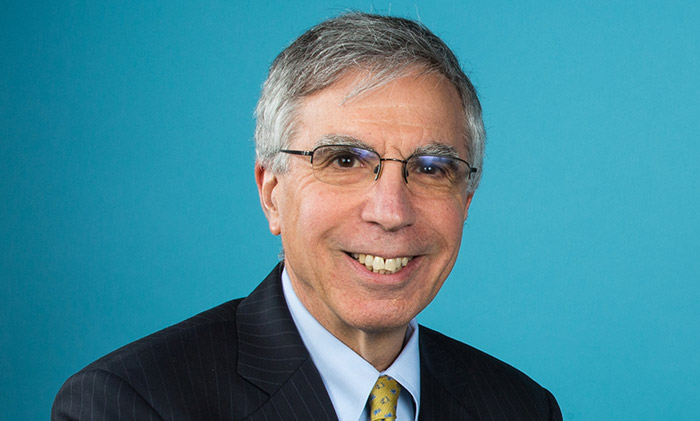 Robert N. StavinsProfessor at Harvard Kennedy SchoolRobert N. Stavins is a leading scholar in the fields of environment and economics. He is a Professor of Energy and Economic Development at the Harvard Kennedy School and serves as the Director of the Harvard Project on Climate Agreements. He has chaired the Environmental Economics Advisory Committee of the U.S. Environmental Protection Agency and was a lead author of the Intergovernmental Panel on Climate Change’s Second, Third, and Fifth Assessment Reports. Stavins has served as a consultant to the U.S. government, Congress, the World Bank, and the United Nations. He holds a Ph.D. in Agricultural Economics from Cornell University, a Master’s degree in Philosophy from Northwestern University, and an undergraduate degree in Economics from Harvard University.column
- “What Really Happened at COP 28?” [Robert N. Stavins - HIC]
- “Is Benefit-Cost Analysis Helpful for Environmental Regulation?” [Robert N. Stavins - HIC]
- Thinking About Auto Fuel Efficiency Standards [Robert N. Stavins - HIC]
- “Green Jobs” [Robert N. Stavins - HIC]
- “Is Water too Precious to Price?” [Robert N. Stavins - HIC]
- “How Do Economists Think About the Environment?” [Robert N. Stavins - HIC]
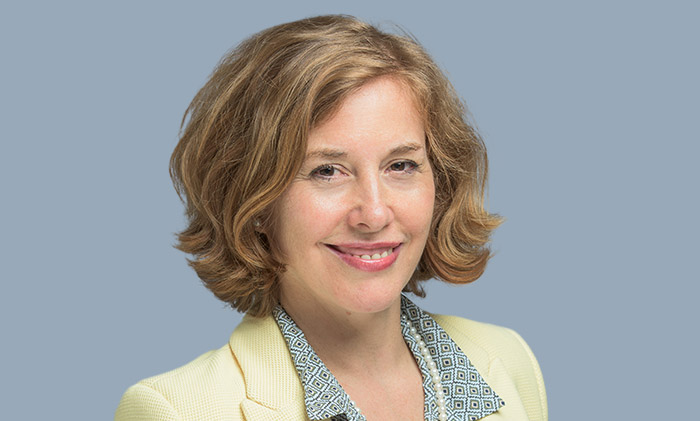 Alicia Garcia-HerreroSenior Fellow at Bruegel, BelgiumAlicia Garcia-Herrero is an international expert on economic conditions across Europe and Asia. She is a Senior Fellow at Bruegel, a leading European think tank, and the Chief Economist for Asia-Pacific at Natixis, an investment bank headquartered in Hong Kong. She is also a Senior Fellow at the National University of Singapore's East Asian Institute and an adjunct professor at the Hong Kong University of Science and Technology. She has served as an advisor to the Spanish government on economic issues and has held positions at BBVA, the Bank for International Settlements, and the IMF. She holds a Ph.D. in Economics from George Washington University and frequently appears on major media outlets such as BBC, Bloomberg, and CNBC.column
- 관세폭탄보다 심각한 ‘마러라고 합의’<인위적 달러 약세 정책 추진> 실현 가능성 높다 [알리시아 가르시아 에레로]
- China–and not the rest of Asia–is a relative winner in a Trump 2.0 world [Alicia García Herrero]
- Trump’s approach to China, as well as China’s response will be crucial for South Korea [Alicia Garcia-Herrero - HIC]
- China's deteriorating its relations with the European Union need to be watched [Alicia Garcia Herrero - HIC]
- Western Populism and China’s Leadership: A Train Clash? [Alicia Garcia-Herrero - HIC]
- China’s increasingly large manufacturing production to hit the wall in Western economy [Alicia Garcia-Herrero - HIC]
- Will the Indian economy ever surpass that of China? [Alicia Garcia-Herrero- HIC]
- A boring 2024 for the Chinese economy would be a relief for the world [Alicia Garcia-Herrero - HIC]
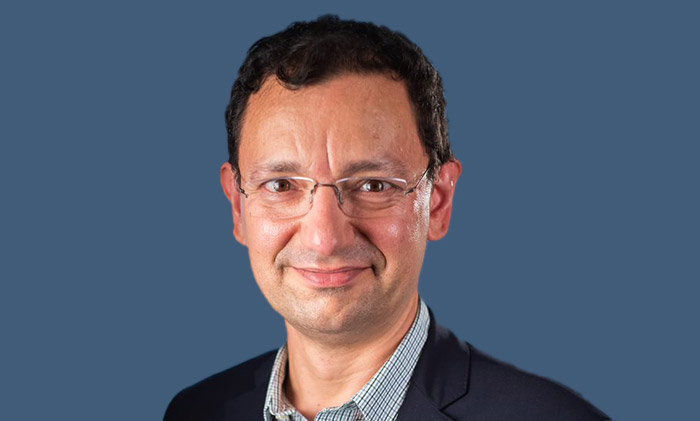 Nicolas VéronSenior Fellow at the Peterson Institute for International EconomicsNicolas Véron co-founded Bruegel, a prominent European think tank, in Brussels from 2002 to 2005. He joined the Peterson Institute for International Economics in 2009 and is also a Senior Fellow at Bruegel. His research focuses on financial systems and financial services policy. Véron graduated from École Polytechnique and École des Mines in France and held senior positions in the French government and private sector during the 1990s and early 2000s. He is an independent board member at the DTCC Derivatives Repository and was named one of the “50 Most Influential People” in the world by Bloomberg Markets in September 2012.column
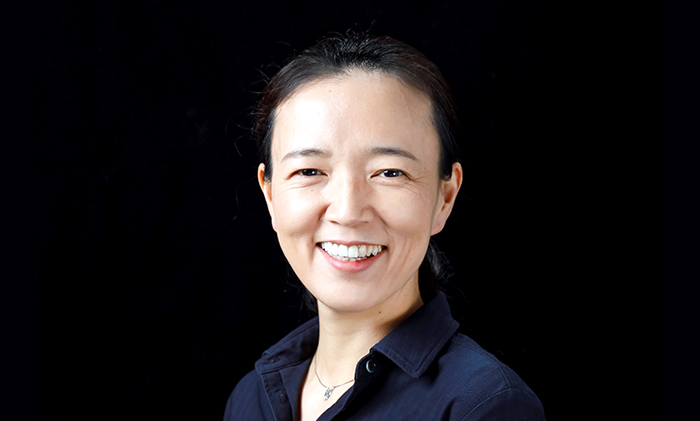 SAGIRI KITAOProfessor of Economics at the National Graduate Institute for Policy Studies, JapanSagiri Kitao’s research spans various topics, including demographics, optimal fiscal policy, income and wealth distribution and inequality, social security, health insurance, population aging, and family economics. She is particularly interested in low birth rates in South Korea. She is also a research fellow at the Economic and Social Research Institute of Japan's Cabinet Office. She holds a Bachelor’s degree in Political Science from Waseda University, a Master’s in International Development Administration from Harvard Kennedy School, and a Ph.D. in Economics from New York University. She has worked at Goldman Sachs and the Federal Reserve Bank of New York and has taught at several institutions, including the University of Southern California, City University of New York, and Keio University.column
- Demographic Aging and Its Multifaceted Impact on the Economy [Sagiri Kitao - HIC]
- Demographic Aging and Fiscal Challenge [Sagiri Kitao - HIC]
- Education Fever: Status Struggles and Fertility Dilemma in East Asia [Sagiri Kitao - HIC]
- Declining Fertility: How it Relates to the Macroeconomy and Growth [Sagiri Kitao - HIC]
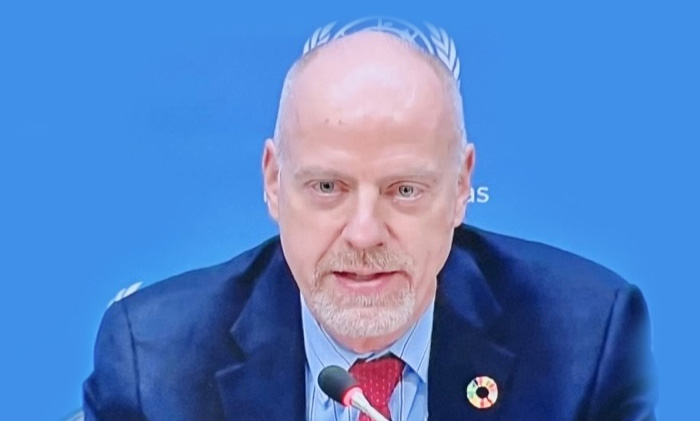 JOHN R. WILMOTHDirector of the United Nations Population DivisionJohn R. Wilmoth is known for his distinguished academic career in demography. Since January 2013, he has been serving as the Director of the Population Division at the United Nations Department of Economic and Social Affairs. Before his UN role, he was a professor of demography at the University of California, Berkeley. From 2005 to 2007, he led the mortality section at the UN Population Division. Wilmoth has authored or co-authored over 50 scientific papers on the historical decline of human mortality, future trends in life expectancy, and other topics. He worked with the World Health Organization and the World Bank as a consultant, developing new global estimates for maternal mortality from 2009 to 2012.column
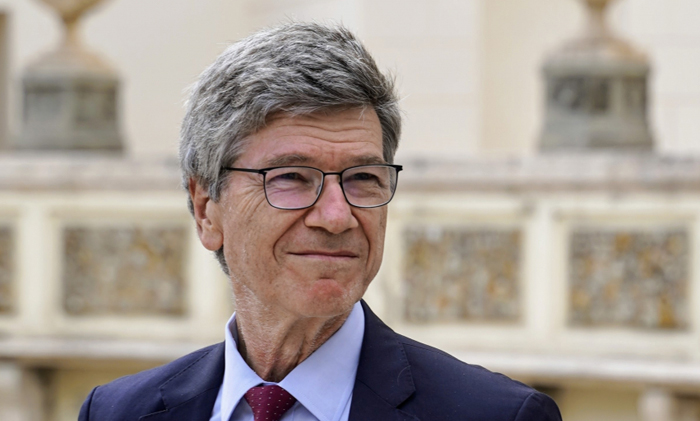 JEFFREY SACHSProfessor at Columbia UniversityJeffrey Sachs is a world-renowned expert in macroeconomics, poverty, and reconstruction and the bestselling author of books such as "The End of Poverty" and "Common Wealth." He taught at Harvard University for 20 years and is currently a Professor at Columbia University, where he directs the Center for Sustainable Development. He also leads the UN Sustainable Development Solutions Network. Sachs has served as an advisor to the IMF, OECD, World Bank, and other international organizations.column
- 주한미군 감축보다 새로운 해법 필요하다 [제프리 삭스]
- Korea Should Foster National Security by Strengthening Regional Cooperation [Jeffrey D. Sachs - HIC]
- What Ails America – and How to Fix It [Jeffrey D. Sachs - HIC ]
- Achieving Peace in the New Multipolar Age [Jeffrey D. Sachs - HIC]
- The Pact for the Future [Jeffrey D. Sachs - HIC]
- The Summit of the Future [Jeffrey D. Sachs - HIC]
- Beyond the Age of Hegemony [Jeffrey D. Sachs - HIC]
- Geopolitics will Shape the World Economy in 2024[Jeffrey D. Sachs - HIC]
- China’s Competitiveness and American Badmouthing [Jeffrey D. Sachs - HIC]
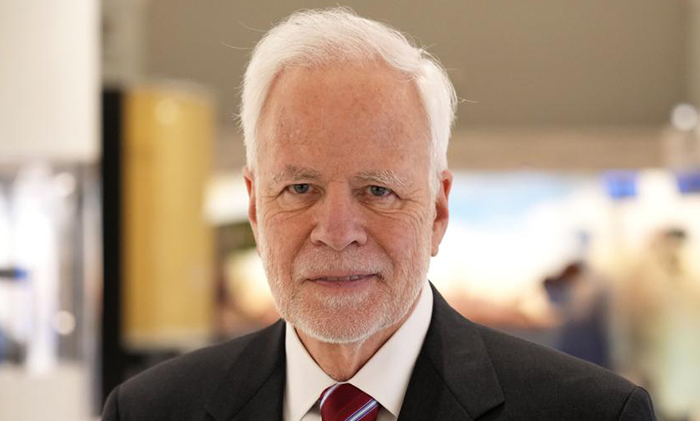 BARRY EICHENGREENProfessor of Economics at the University of California, BerkeleyBarry Eichengreen is an American economist and economic historian who has been a professor of economics at UC Berkeley since 1987. He has served as a Senior Policy Advisor at the IMF and is a Research Associate at the National Bureau of Economic Research. Eichengreen’s work focuses on the history and operation of the international monetary and financial system.column
- 소화불량에 걸린 중국 [배리 아이켄그린]
- 트럼프의 하버드大 전쟁…희생양은 美 ‘소프트 파워’ [배리 아이켄그린]
- Trump’s Topsy-Turvy World [Barry Eichengreen]
- South Korea’s Political and Economic Disconnect[Barry Eichengreen]
- The Trump Shock and Korea[Barry Eichengreen-HIC]
- Harris vs Trump on the Economy [Barry Eichengreen-HIC]
- Is India the Next China? [Barry Eichengreen-HIC]
- Is There Scope for a New Bretton Woods? [Barry Eichengreen - HIC]
 RUMMAN CHOWDHURYcolumn
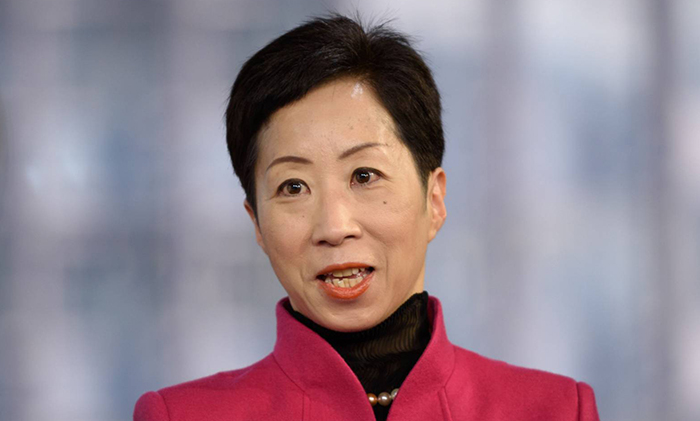 SAYURI SHIRAIProfessor at Keio UniversitySayuri Shirai is a Professor at the Faculty of Policy Management at Keio University. She holds a Ph.D. in Economics from Columbia University and has worked as an economist at the IMF. From 2011 to 2016, she was a member of the Policy Board at the Bank of Japan, contributing to the formulation of monetary policy.column
- Greenhouse Gas Reduction as a Key to National Competitiveness in the Era of Digitization[Sayuri Shirai-HIC]
- How Will the U.S. Rate-Cutting Cycle Affect Japan and Asia?[Sayuri Shirai - HIC]
- Why Does Japan Remain Cash-Centric Society? [Sayuri Shirai - HIC]
- Countries‘ Efforts to Promote Corporate Climate Information Disclosure Will Shape Future Capital Inflows in Asia [Sayuri Shirai - HIC]
- 史的な政策 換を行った日本銀行 : なぜ市場は動かなかったのか [Sayuri Shirai - HIC]
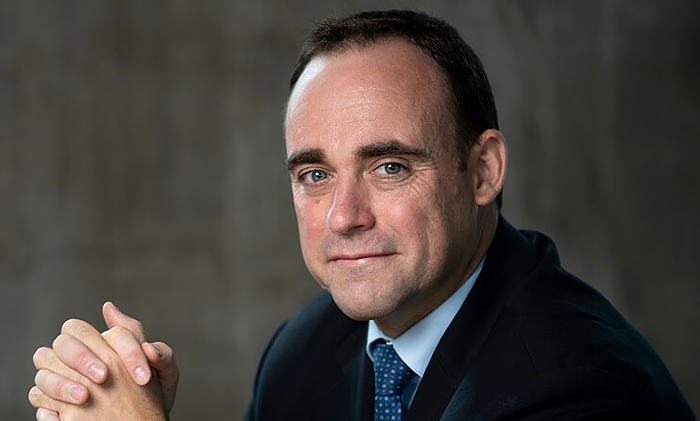 ÁNGEL ALONSO ARROBAProfessor of International Affairs at IE University, SpainÁngel Alonso Arroba has a diverse career in international affairs. He has worked as a consultant for the World Bank and held senior advisory and communications roles at the OECD for over 13 years. He is currently a professor at Sciences Po in Paris and IE University in Spain. He also served as the Spanish Ambassador for Global Citizenship, developing a network of Spanish experts and playing a key role in drafting Spain’s foreign policy strategy for 2021-2024.column
- The Summit of the Future: waiting for renewal of the UN [Angel Alonso Arroba - HIC]
- The post-election geopolitical Europe [Angel Alonso Arroba - HIC]
- Super-Election Year: A World at the Ballot Box [Ángel Alonso Arroba-HIC]
- ELITE VS. PEOPLE: HOW TO STOP THE GLOBALIST FRACTURE [Angel Alonso Arroba - HIC]
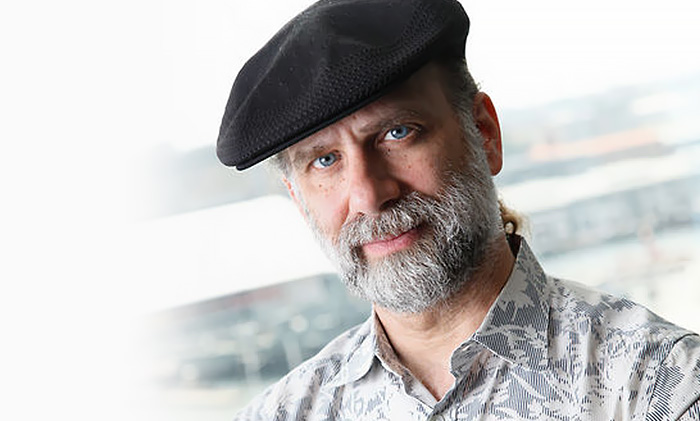 Bruce SchneierFellow at the Berkman-Klein Center for Internet and Society at Harvard UniversityBruce Schneier is a globally recognized security expert known as the "security guru." He has authored 14 books, including "Secrets and Lies" and hundreds of articles, essays, and academic papers. His influential newsletter, Crypto-Gram, and blog, "Schneier on Security," have over 250,000 readers. Schneier believes AI can enhance democracy. He is affiliated with the Hong Kong University of Science and Technology’s Center for Democratic Governancecolumn
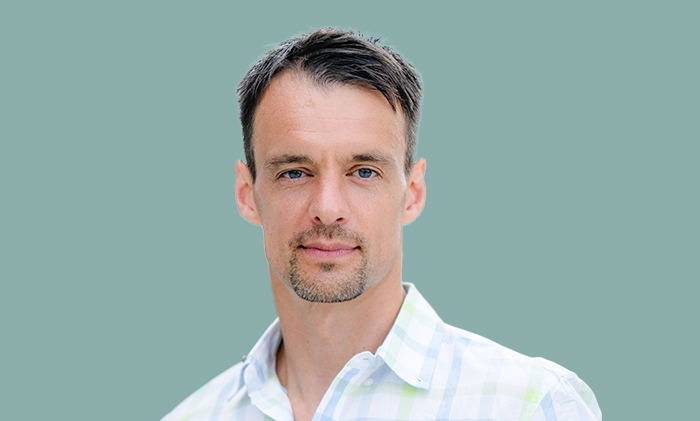 ANDREI HAGIUAssociate Professor, Information system at Boston UniversityAndrei Hagiu is an Associate Professor at Boston University’s Questrom School of Business. Andrei’s research and teaching are focused on platform businesses and their unique strategic challenges. He leverages the insights from his research to advise and angel invest in startups attempting to build platforms and marketplaces, and to consult with large companies seeking to turn their products into platforms.column
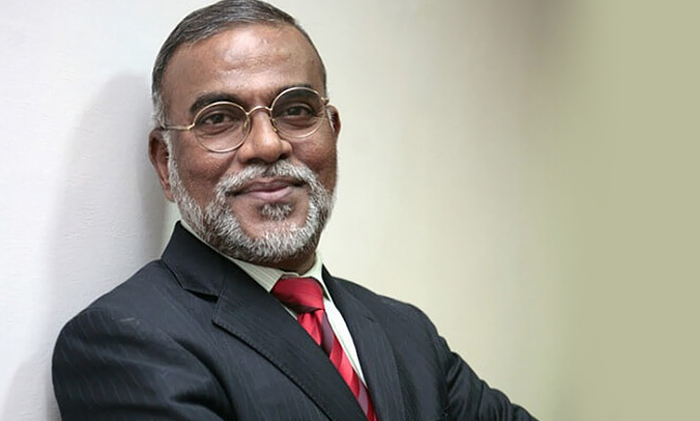
 BIBEK DEBROYThe Chairman of the Economic Advisory Council to the Prime Minister of IndiaBibek Debroy is a prominent Indian economist currently serving as the Chairman of the Economic Advisory Council to the Prime Minister of India. In this role, he provides strategic economic insights and policy recommendations at the highest level of government. Debroy's academic and professional contributions span several fields, including game theory, economic theory, and a broad array of social issues such as income and social inequalities, poverty, and law reforms.column
 FRANK PASQUALEProfessor of Law at Cornell Tech and Cornell Law SchoolFrank Pasquale is Professor of Law at Cornell Tech and Cornell Law School. He is an expert on AI law and policy. His books include The Black Box Society and New Laws of Robotics, published by Harvard University Press. His work has been translated into over a dozen languages. Pasquale is an Affiliate Fellow at Yale University’s Information Society Project, and a member of the American Law Institute. He is co-editor-in-chief of the Journal of Cross-Disciplinary Research in Computational Law, based in the Netherlands, and a Partner Investigator of the Australian Research Council Centre of Excellence on Automated Decision-Making & Society.column
 NARENDRA JADHAVEconomist, Author and former Member of the Indian ParliamentNarendra Jadhav is an Indian economist, educationist, public policy expert, professor and writer in English, Marathi and Hindi. Jadhav has been a Member of the Rajya Sabha, the upper house of Indian Parliament. He previously served as member of the Planning Commission of India and the National Advisory Council. Prior to this, he worked as Vice Chancellor of Savitribai Phule Pune University, International Monetary Fund (IMF) and headed economic research at the Reserve Bank of India.column
- India and South Korea: Future of Economic Cooperation [Narendra Jadhav - HIC]
- India and South Korea Economic Cooperation: Past and Present [Narendra Jadhav - HIC]
- Modi 3.0: Emerging Monetary Policy [Narendra Jadhav - HIC]
- Modi 3.0: Emerging Economic Policy [Narendra Jadhav - HIC]
- The Indian Economy: Pitfalls and Challenges [Narendra Jadhav - HIC]
- The Indian Economy: Strengths and Opportunities [Narendra Jadhav - HIC]
- Historic Re-emergence of the Indian Economy [Narendra Jadhav - HIC]
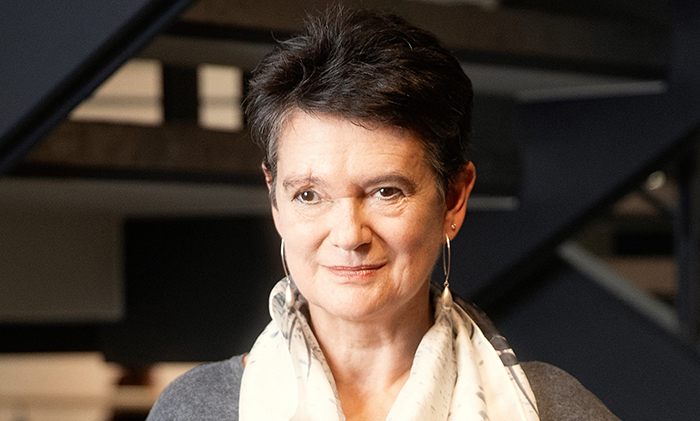 DIANE COYLEProfessor of Bennett Public Policy at the University of CambridgeDiane Coyle is a Professor of Bennett Public Policy at the University of Cambridge. She has served as an economic adviser to the UK Treasury and held roles such as Vice-Chair of the BBC Trust and member of the Competition Commission. Her broad perspective comes from her academic involvement and public service, particularly in productivity, the digital economy, and policy. She graduated from Brasenose College, Oxford, and received her Master's and Ph.D. in Economics from Harvard University. Recently, she published the book "Cogs and Monsters," advocating for the positive role of economics in the 21st century.column
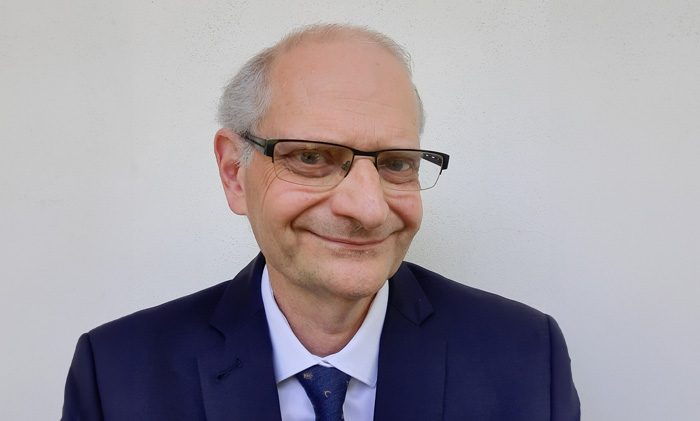 Christophe AndréSenior economist, OECDSince joining the OECD in 1997, he has produced analysis and policy advice in various areas, including macroeconomics, economic modelling and forecasting, fiscal and monetary policy, as well as health and housing economics. He has contributed to several editions of the OECD Economic Outlook and to many other OECD and academic publications. He has also headed the OECD’s Finland, Korea, Sweden, and United Kingdom country desks. He is now part of the structural policy analysis division of the OECD Economics Department. His current research interests include international economics, productivity, population ageing, the economic impact of artificial intelligence, and housing economics.column
- 재정의 시대, 무너지는 유럽 [크리스토프 앙드레]
- 한국 경제, 지속 성장을 위한 세 가지 요소[크리스토프 앙드레]
- 딥시크 신드롬과 ‘제번스 역설’[크리스토프 앙드레]
- Europe must revive its economy and strengthen cooperation with trusted partners like Korea[Christophe André]
- Headwinds for electric vehicles and the battery industry[Christophe Andre-HIC]
- Containing household debt requires more ambitious housing policies [Christophe André - HIC]
- Will AI hit employment, raise productivity, and increase inequality?[Christophe André -HIC]
- Is the global economy only as strong as the most vulnerable link in the semiconductor supply chain? [Christophe André -HIC]